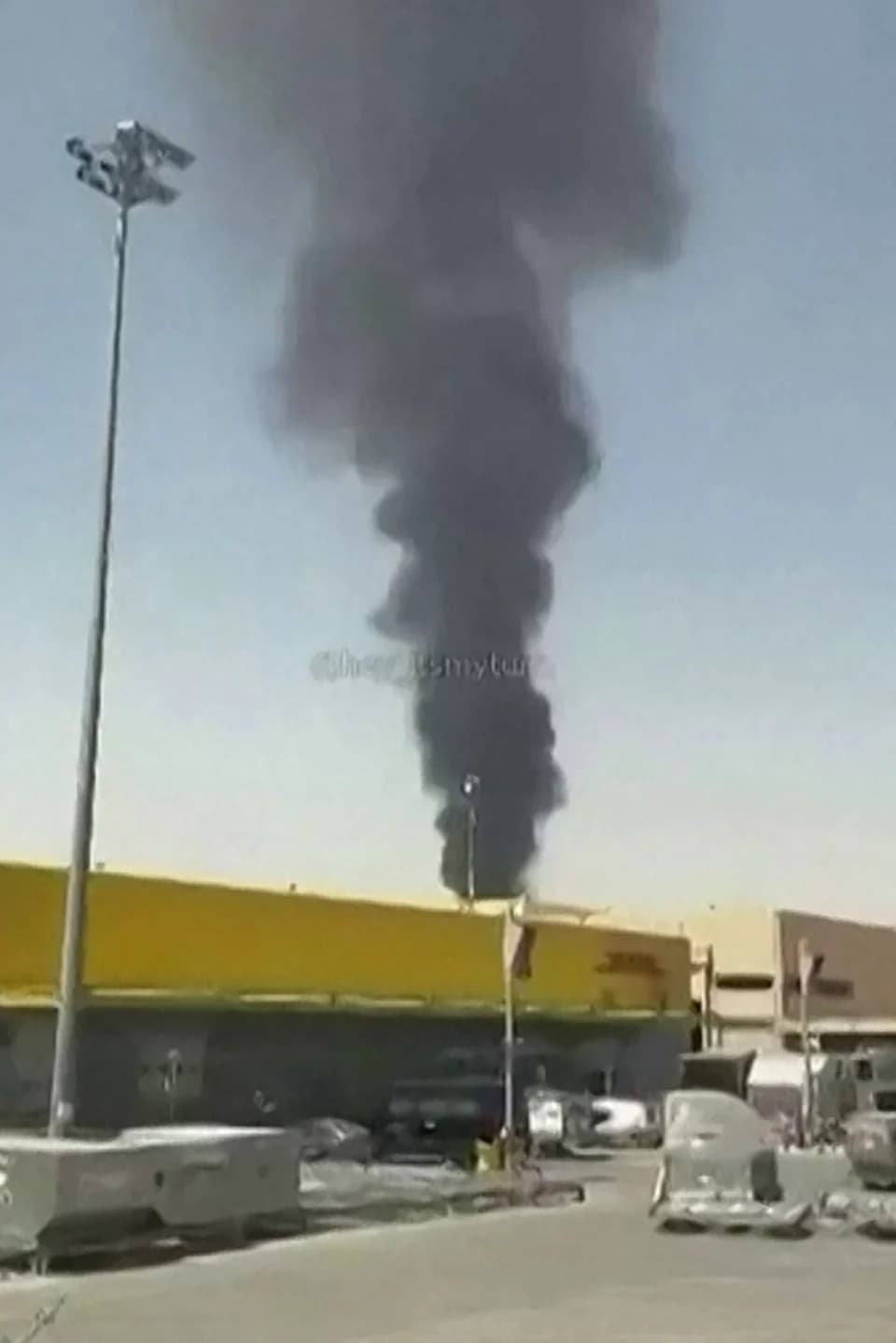
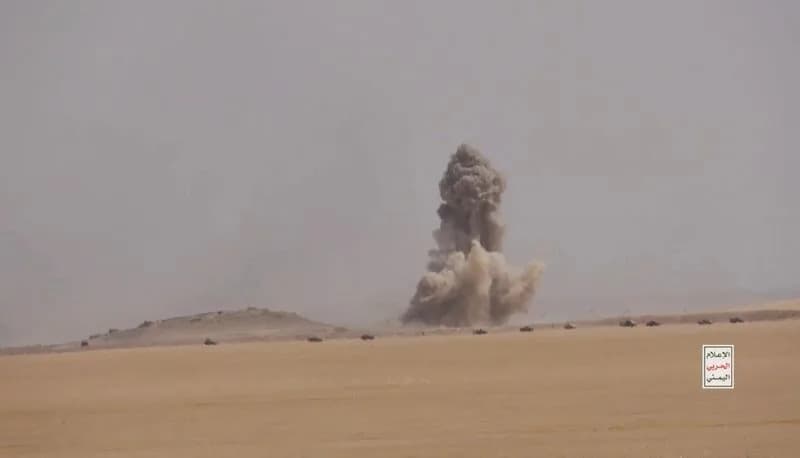
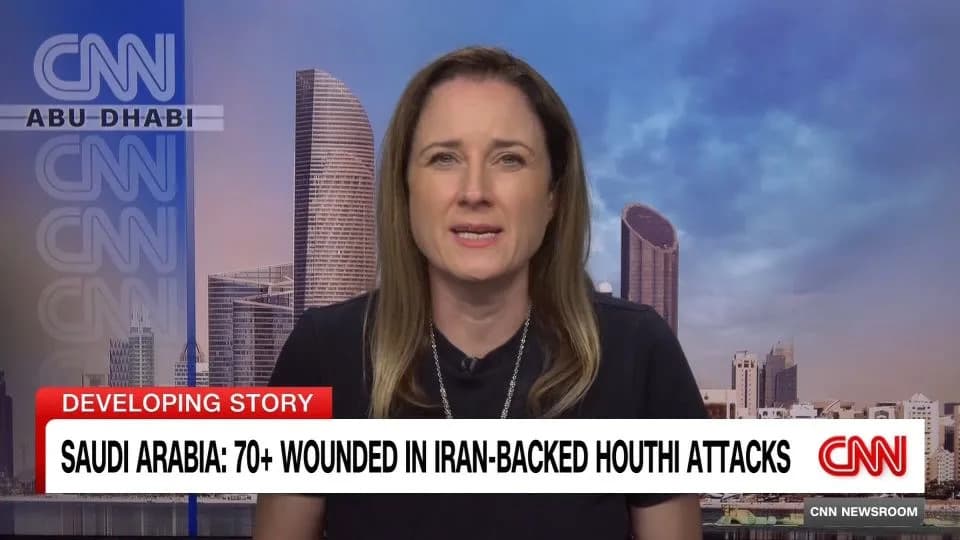
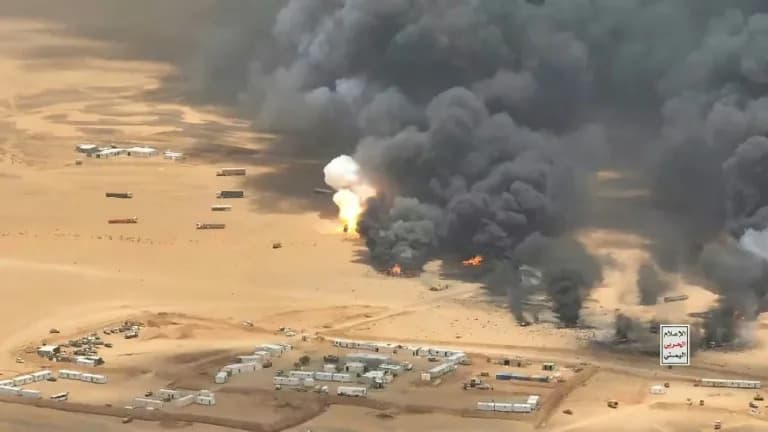
The US warned the conflict between Saudi Arabia and Iran-backed Houthi forces could "escalate rapidly" after a missile strike reached Riyadh, prompting President Trump to cut short his Camp David weekend. AFP reported explosions and a burning Aramco fuel tank near Riyadh's airport. The Houthis claimed attacks on Riyadh and Aramco facilities in Yanbu while Saudi forces launched extensive airstrikes but have not stopped Houthi advances. The offensive has displaced over 110,000 people and disrupted key shipping routes such as the Bab al-Mandab strait.
US Warns Of Rapid Escalation After Houthi Strike Reaches Riyadh
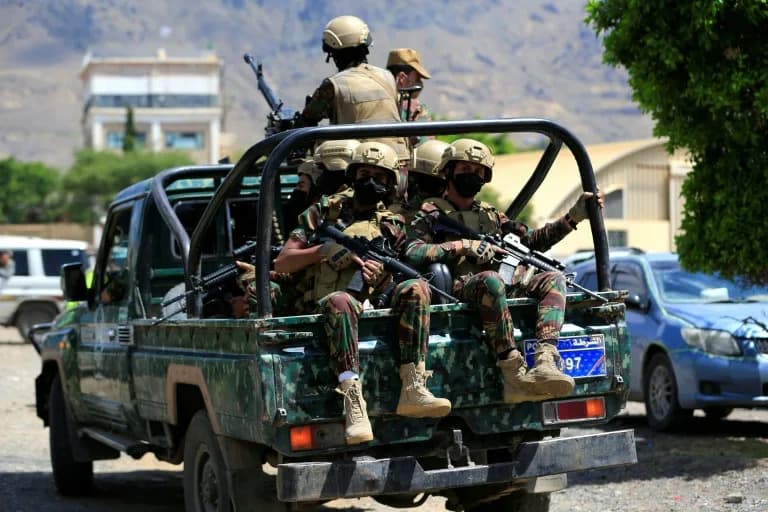
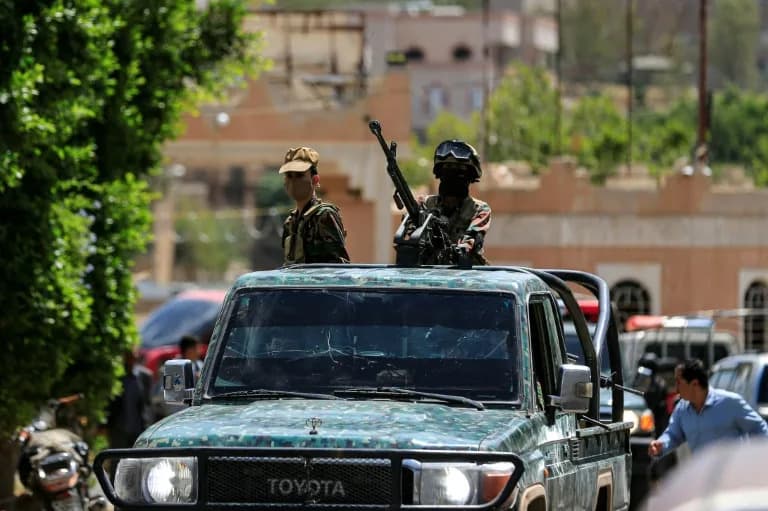
Yemen's Houthi armed forces patrol as Yemeni prisoners loyal to the Houthi authorities arrive in the capital Sanaa on September 12 (Mohammed HUWAIS)
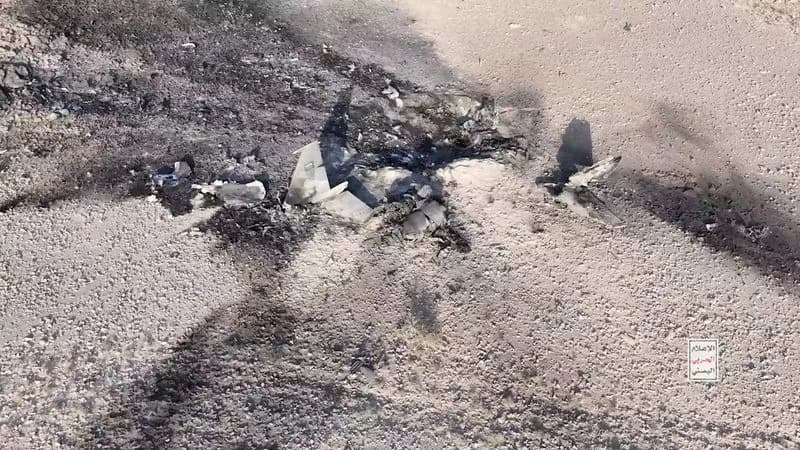
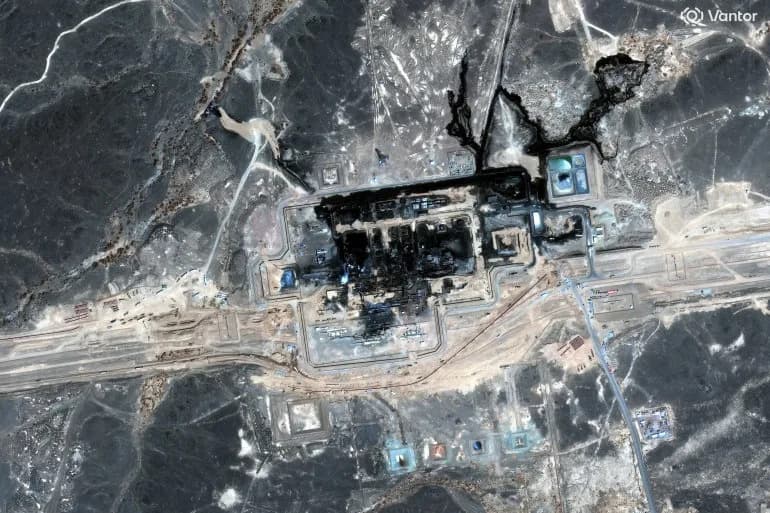
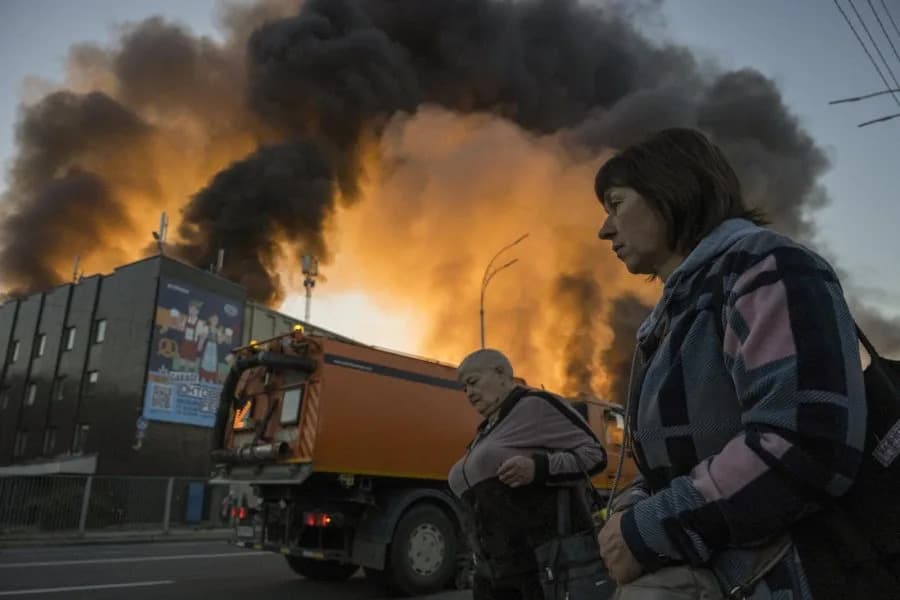
The United States warned that fighting between Saudi Arabia and Iran-backed Houthi forces could "escalate rapidly" after a missile strike reached Riyadh — the first such attack since Yemen's conflict resumed. Loud explosions were reported in the Saudi capital and AFP journalists saw an Aramco-branded fuel tank ablaze near Riyadh's airport.
Key Developments
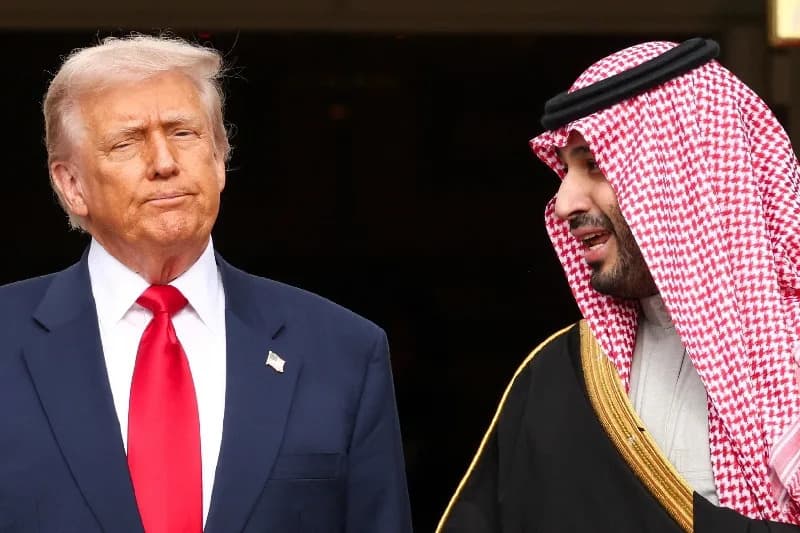
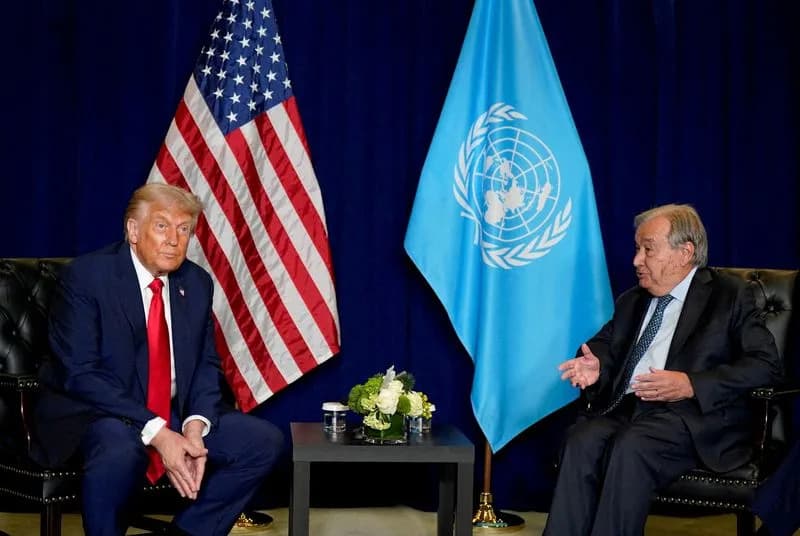
U.S. Response: President Donald Trump unexpectedly cut short a weekend at Camp David to return to the White House. The US State Department issued a warning that the conflict could escalate quickly and advised Americans outside the Middle East to "seriously reconsider travel to and through the region."
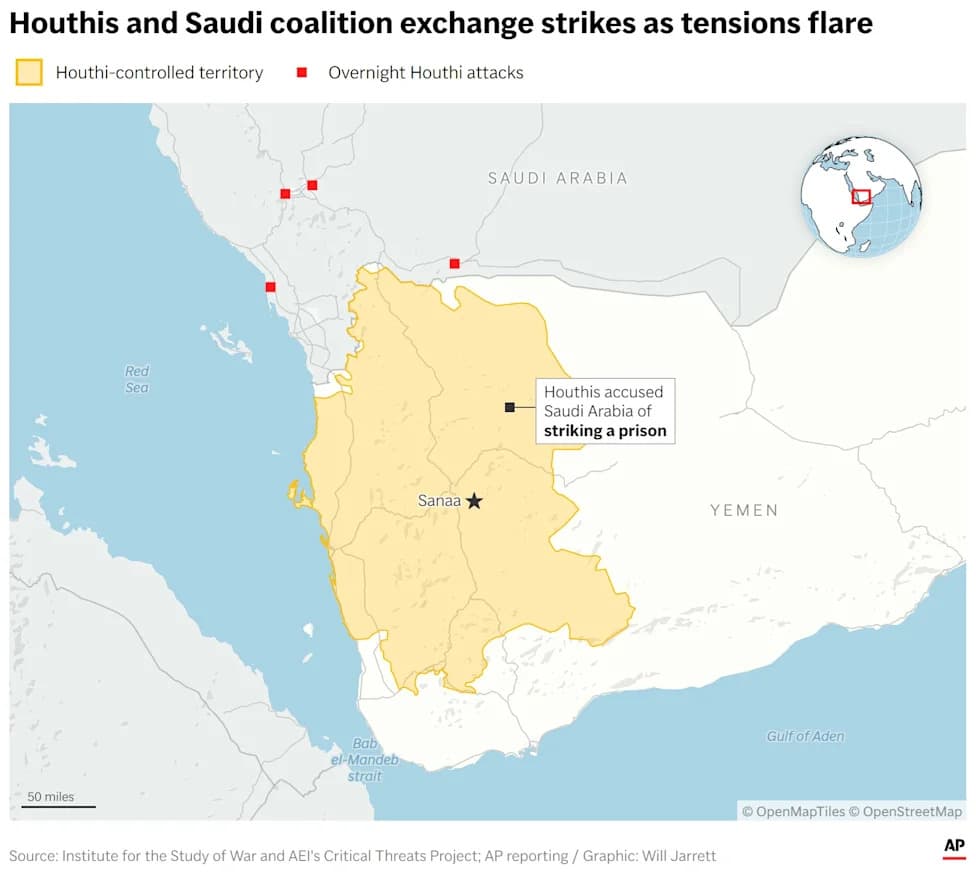
Military and Regional Moves: The Saudi-led coalition said it intercepted a ballistic missile launched by the Houthis and reported that attacks against civilian infrastructure in western Saudi cities — including the Red Sea port of Yanbu — were thwarted by air defences. Saudi forces have launched numerous airstrikes against Houthi-held areas but have not halted the fighters' advance.
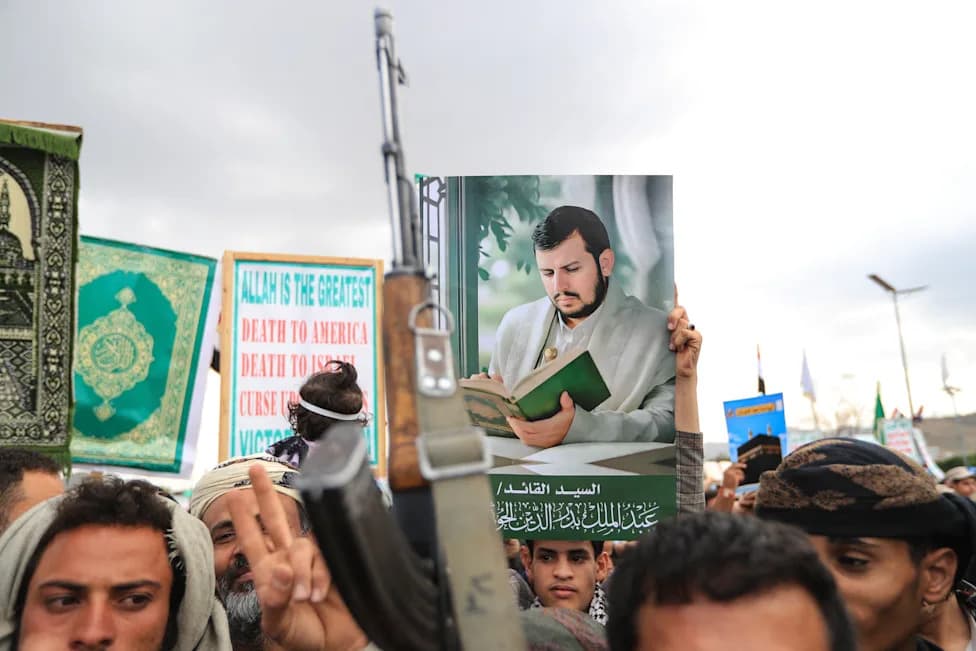
Houthis' Claim: Houthi military spokesman Yahya Saree claimed responsibility, saying the group conducted "two successful military operations" using ballistic and cruise missiles and drones targeting sensitive sites in Riyadh and Aramco facilities in Yanbu.
Wider Strategic Impact
The Houthi offensive has disrupted Saudi exports and maritime traffic through vital chokepoints. The Bab al-Mandab strait — a crucial Red Sea route for global shipping and energy flows — has become a focus of concern, especially after Iran imposed restrictions on the Strait of Hormuz amid the broader regional confrontation.
Diplomacy And Defence: The US reportedly denied a Saudi request for strikes against the Houthis last week even as Washington approved a $24.3 billion sale of 48 F-35 jets to Riyadh. CIA Director John Ratcliffe made a rare visit to Cairo and met President Abdel Fattah al-Sisi, who reiterated the need for political and diplomatic solutions. Turkey indicated it has discussed assistance with Saudi and Pakistani partners in a mutual defence framework.
Humanitarian Toll
The Houthis' rapid offensive has seized swathes of Yemeni territory in recent weeks, leaving hundreds dead and displacing more than 110,000 people, according to the UN refugee agency. Yemen — one of the world's poorest countries — has become one of the most active fronts in the wider regional conflict after a fragile 2022 truce collapsed in July.
Analysts warn that the expansion of direct strikes against Saudi targets risks widening the conflict and further disrupting global energy markets and shipping lanes.
Outlook: With diplomatic efforts underway and regional actors weighing military and technical assistance, the situation remains highly volatile. International attention will focus on preventing further escalation and protecting vital maritime routes.
Help us improve.