Germany has seen a sharp jump in fuel prices after the Iran conflict and disruptions near the Strait of Hormuz lifted global oil prices. Super E10 hit a record €2.314 per liter on Sept. 16, and diesel reached €2.453 per liter — roughly $10 and $10.60 per U.S. gallon respectively. Economists warn the energy shock is boosting inflation, hurting consumer-facing businesses and could cost German purchasing power about €34 billion across 2026–27.
Fuel Shock in Germany: Gasoline Tops €2.31/L (≈$10/gal) as Middle East Conflict Pushes Prices Higher
(Dreamstime)
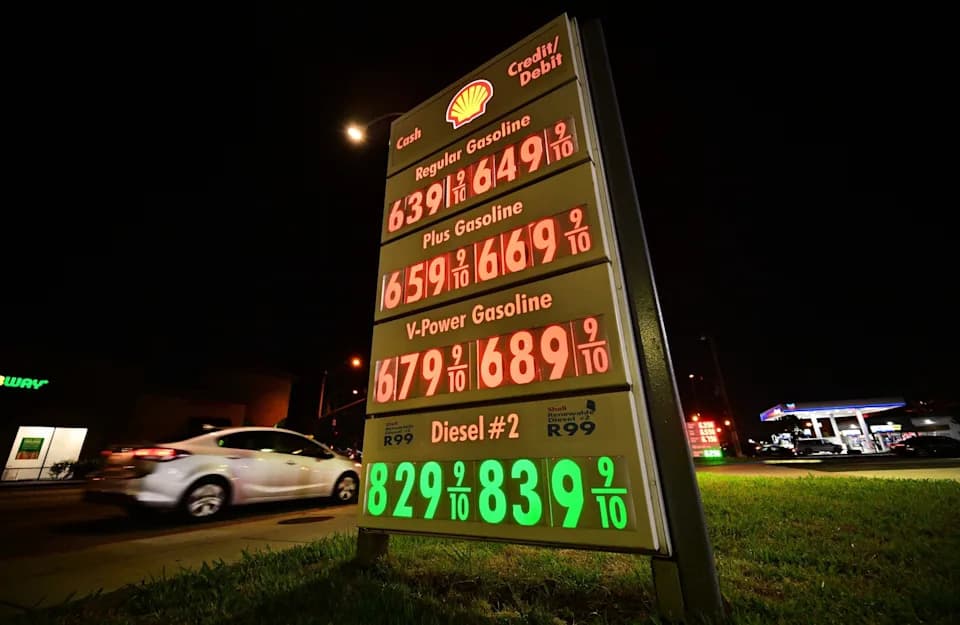
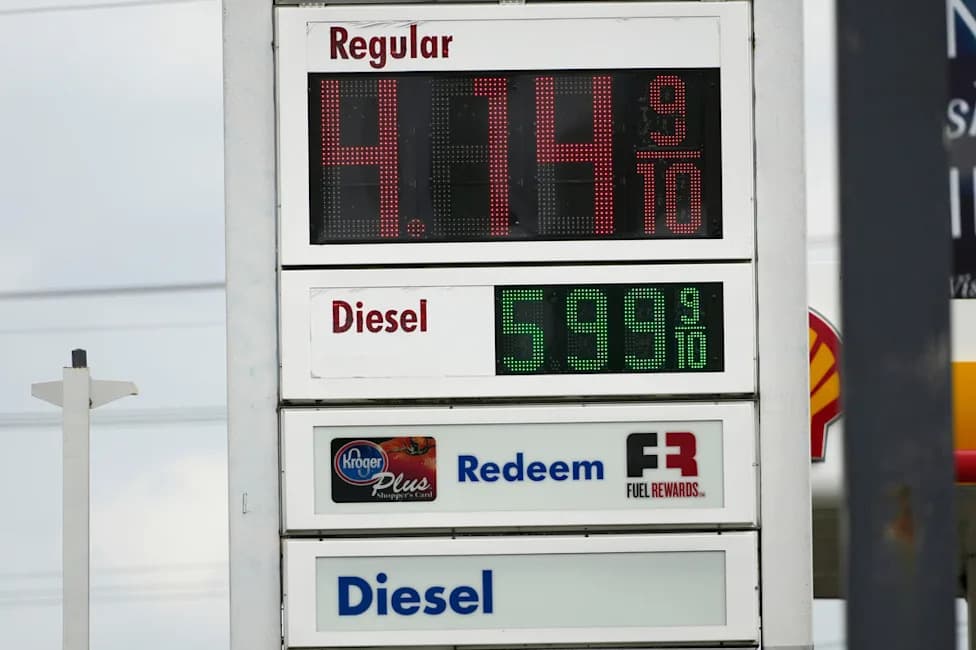
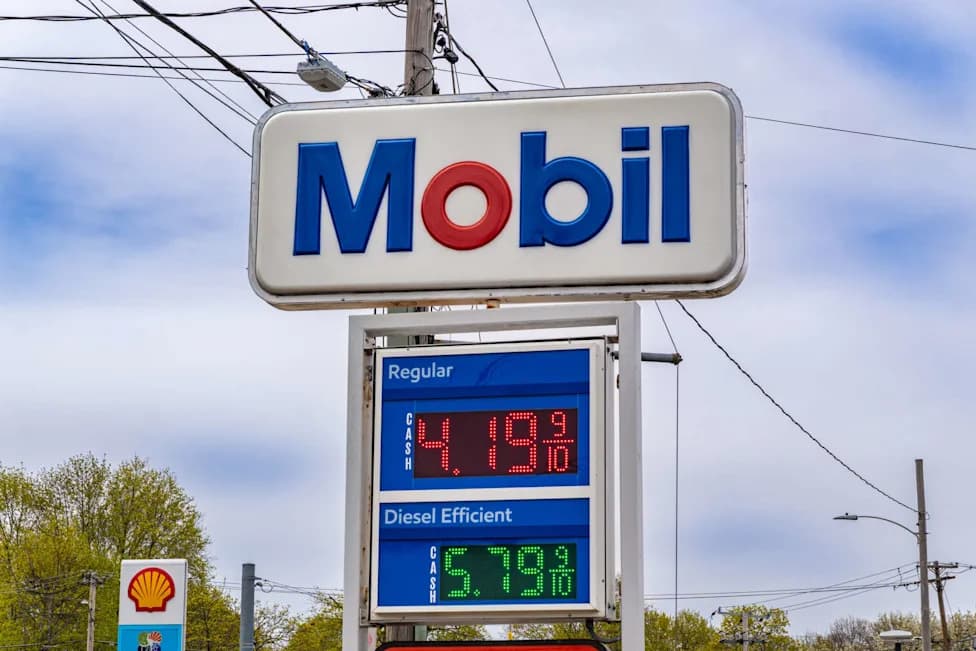
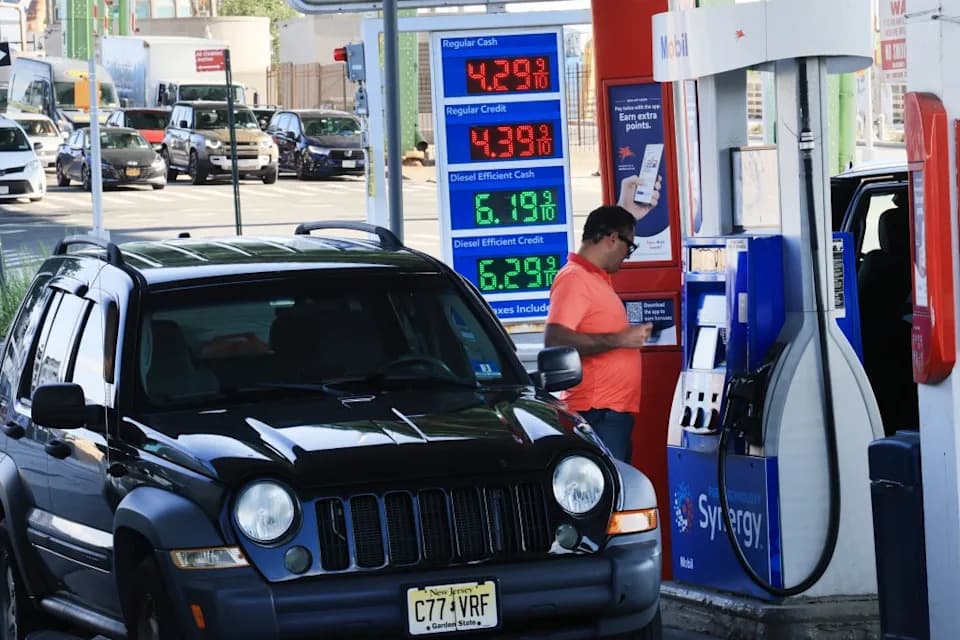
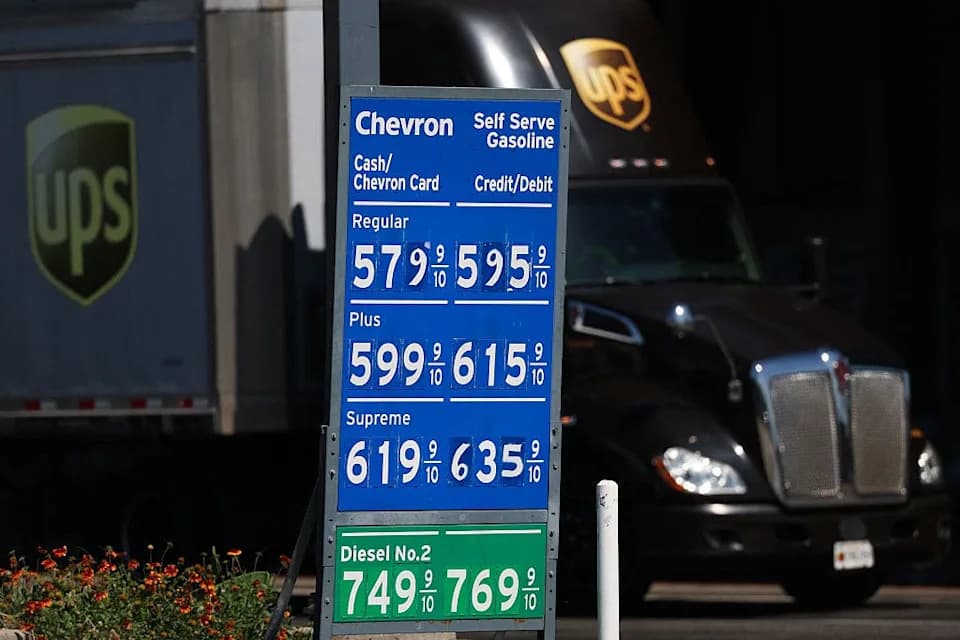
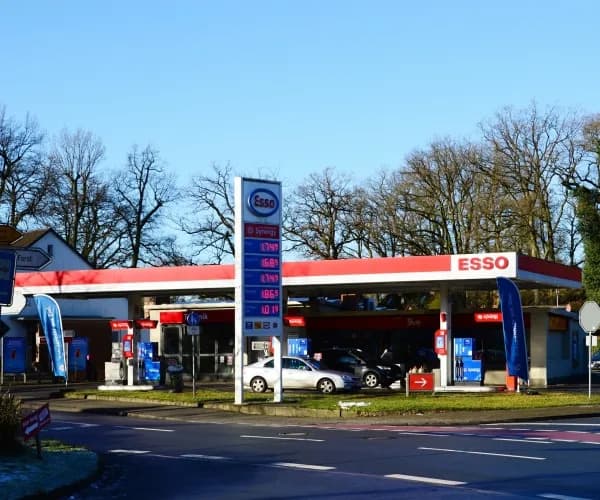
Motorists across Germany are facing record pump prices after a spike in global oil prices triggered by the Iran conflict and disruptions near the Strait of Hormuz. The ADAC automobile association reported that the national average for Super E10 gasoline reached a record €2.314 per liter on Sept. 16, while diesel climbed to an all-time high of €2.453 per liter.
At exchange rates cited in German media, those prices translate to roughly $10 per U.S. gallon for Super E10 and about $10.60 per U.S. gallon for diesel. Individual stations can charge considerably more: Deutsche Welle reported Super Plus selling for €3.03 per liter at a highway station in southern Berlin — roughly equivalent to $13.50 per gallon.
Economic Consequences
The surge in fuel costs compounds challenges for an economy still trying to regain momentum after years of weak growth. The ifo Institute says the sharp rise in energy prices driven by the Middle East conflict has increased inflation and weighed on consumer-facing businesses. Although ifo currently forecasts German GDP growth of 1.4% in 2026, it warns that the new energy shock is restraining the recovery.
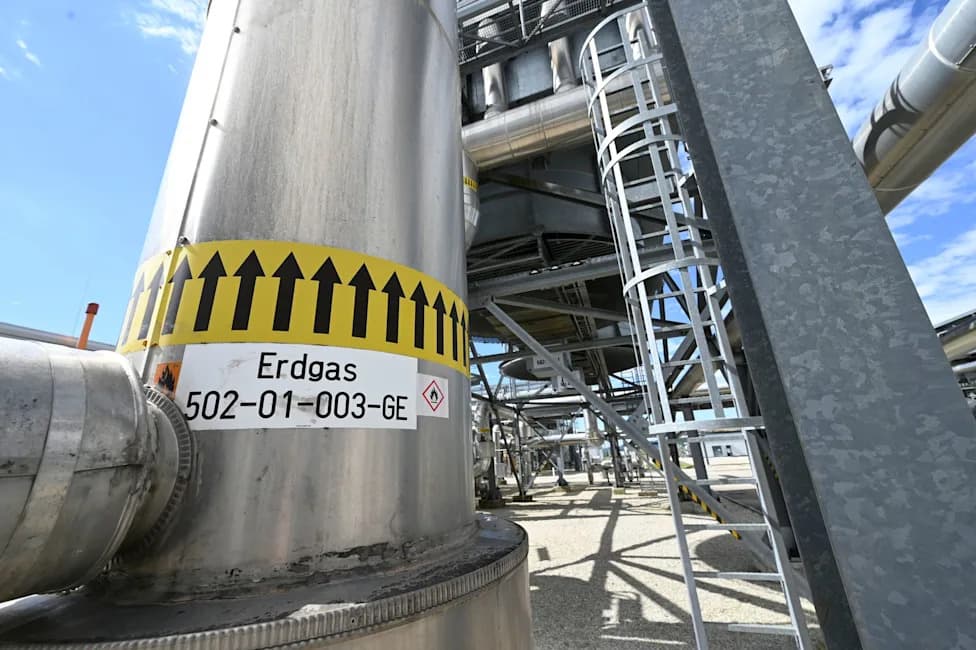
Germany is facing what analysts describe as an "energy double whammy": a fresh oil-price shock on top of the earlier loss of large volumes of relatively inexpensive Russian pipeline natural gas. While Germany has diversified supplies — including liquefied natural gas (LNG) and alternative pipeline routes — its energy system remains exposed to international price swings.
The German network regulator says national gas storage levels are currently much lower than in comparable periods of previous years and that supplies continue to be closely monitored. Economists warn that higher energy costs ripple across the economy, raising transportation and manufacturing expenses and eroding household purchasing power.
"A massive energy price shock caused by the Middle East conflict is slowing down the economy," ifo economist Timo Wollmershäuser said in June.
The ifo Institute previously estimated that the Middle East energy shock could reduce German purchasing power by roughly €34 billion across 2026–2027. Those pressures can spread throughout Europe via higher freight, manufacturing, and consumer costs — making the timing particularly painful for Germany as it tries to recover.
Sources: ADAC, ifo Institute, Deutsche Welle, German network regulator.
Help us improve.