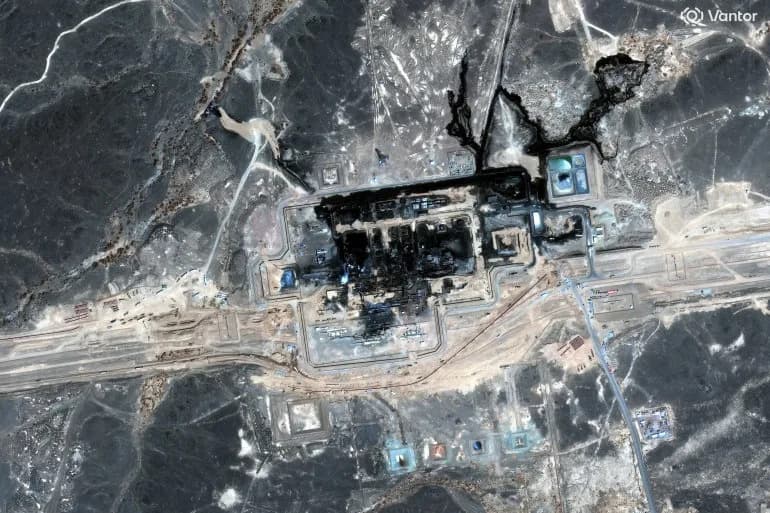
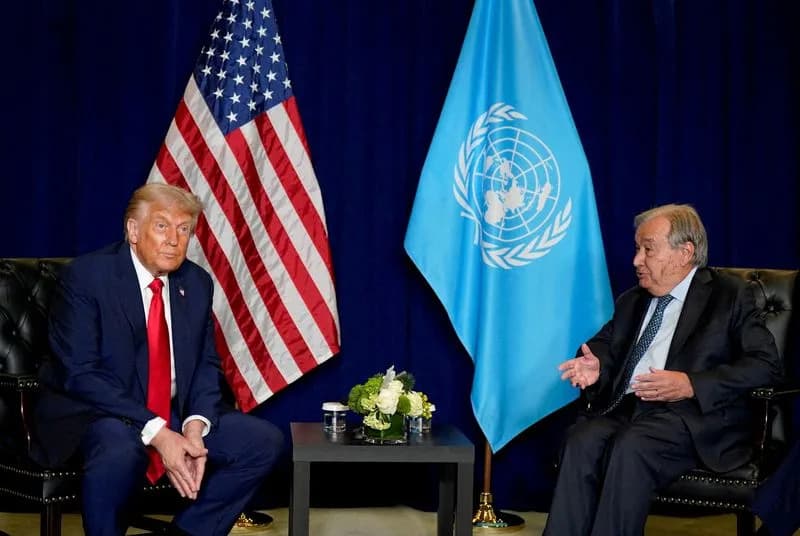
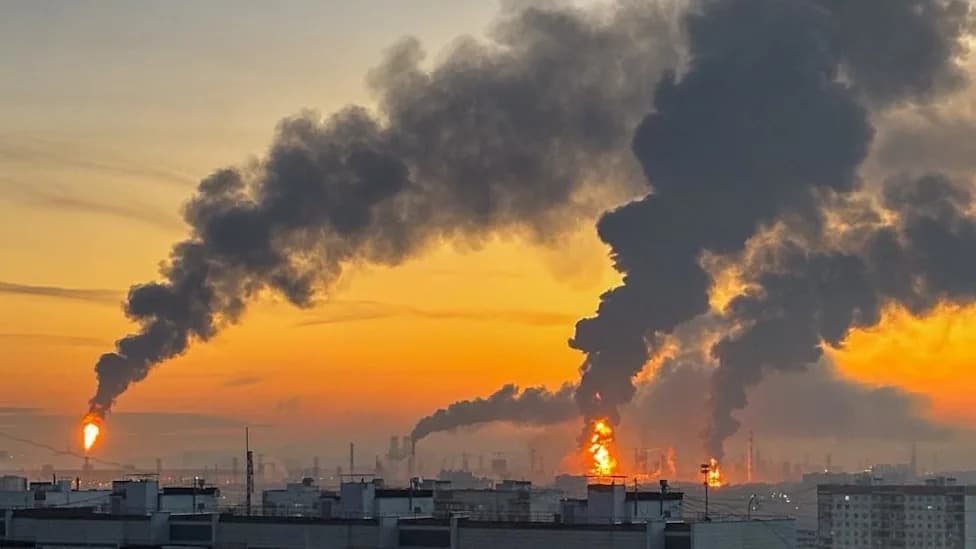
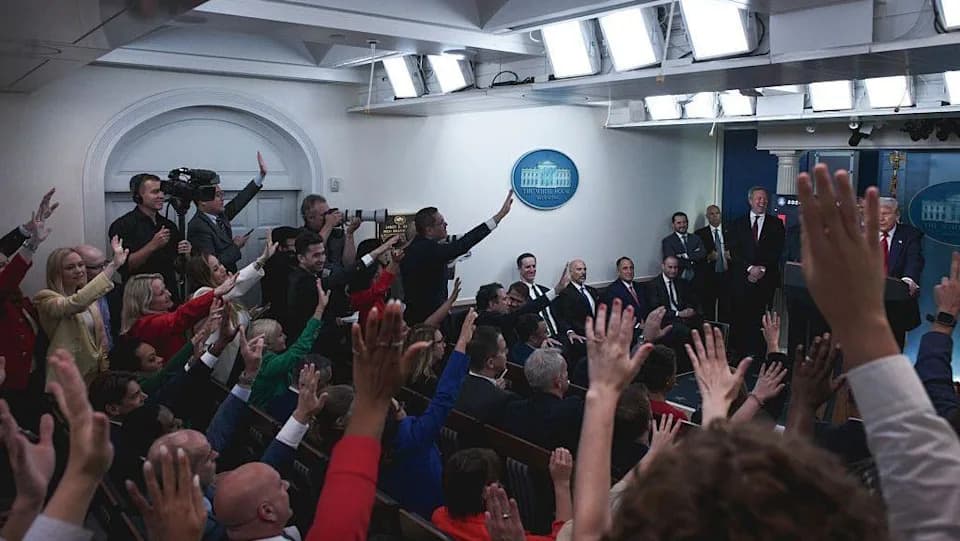
President Trump told a Fox reporter he is weighing "if and when" to "blow the entire nation up" if Iran does not comply, reiterating a rare and stark threat. The comments come amid criticism of U.S. strikes that reportedly killed civilians, a Fox poll showing 71% of Americans believe Trump lacks an exit plan, and mounting economic and strategic costs that include depleted munitions and rising gas prices. Regional violence — including renewed Houthi attacks — has further complicated the situation and heightened concerns ahead of the midterms.
Trump Repeats Threat to ‘Blow Up’ Iran as Polling, Costs and Regional Violence Mount
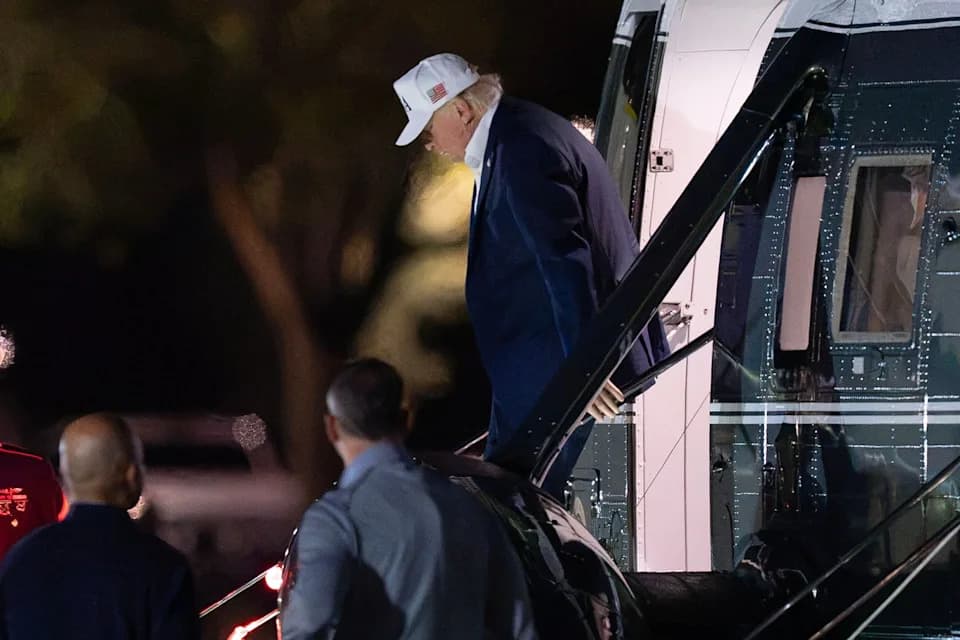
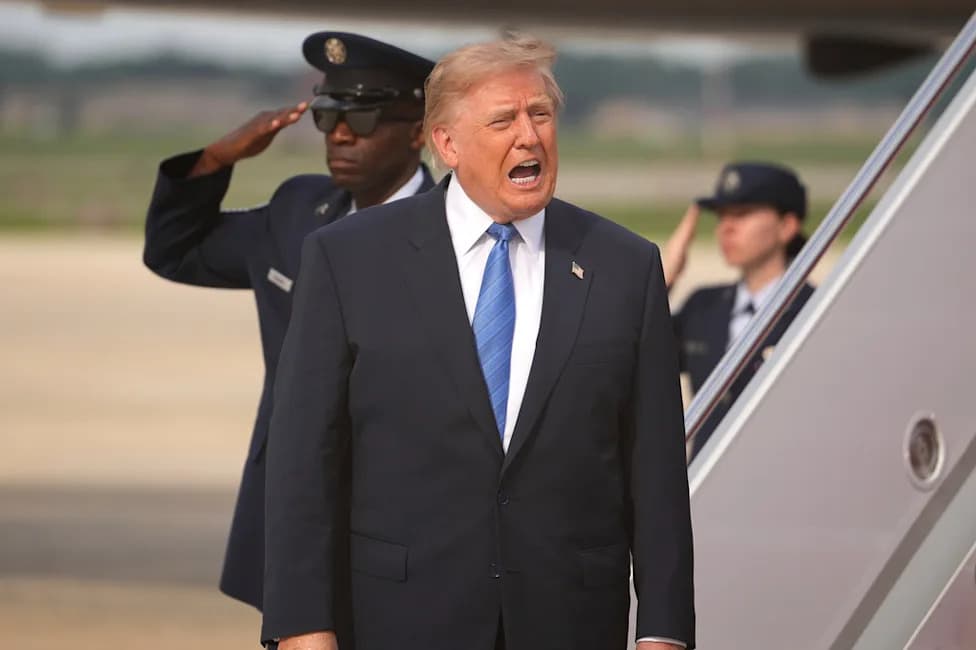
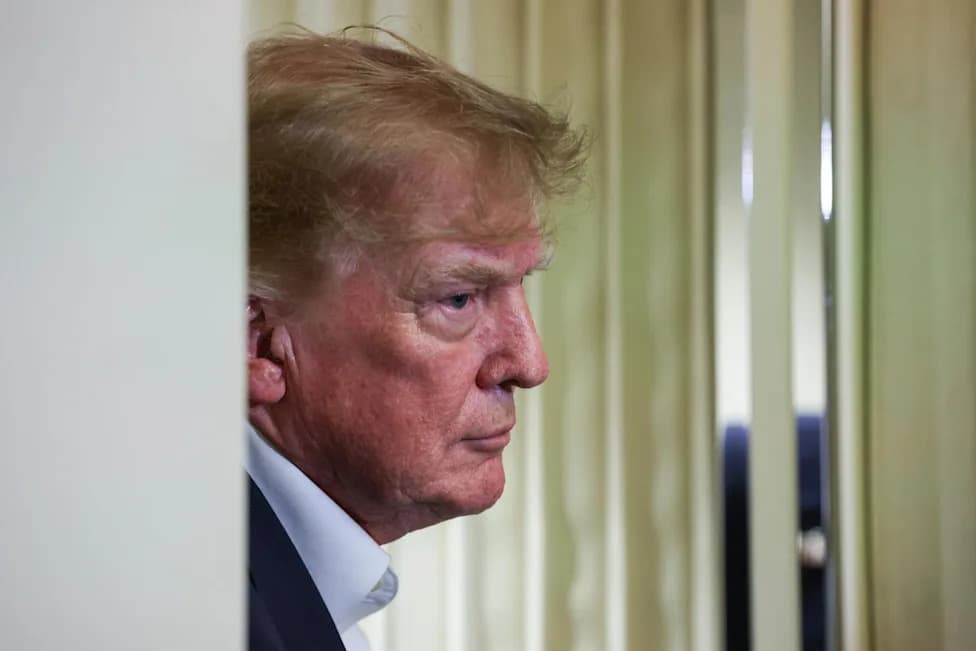
Donald Trump once again threatened to destroy the entire country of Iran on Sunday (AP)
President Donald Trump reiterated a stark threat to "blow the entire nation up" in reference to Iran during a Sunday phone interview with Fox News reporter Trey Yingst, saying the question for him is "if and when" such action would be necessary if Iran's leadership refuses to comply with U.S. demands.
In the call, Trump listed possible options for dealing with Tehran as "wiping them out, letting Iran rot economically, or making a deal," according to Yingst. It is at least the second time in recent months the president has directly warned of strikes that critics say could result in large-scale civilian harm.
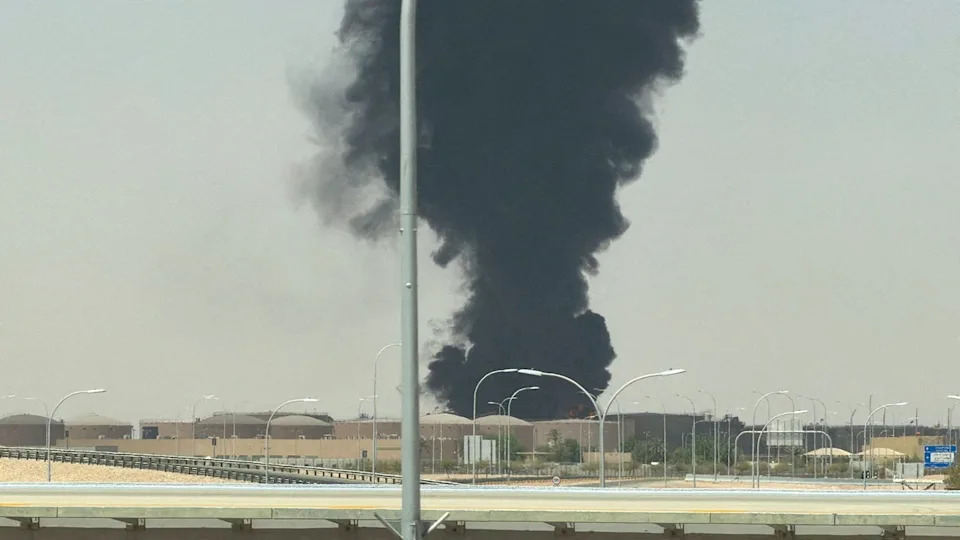
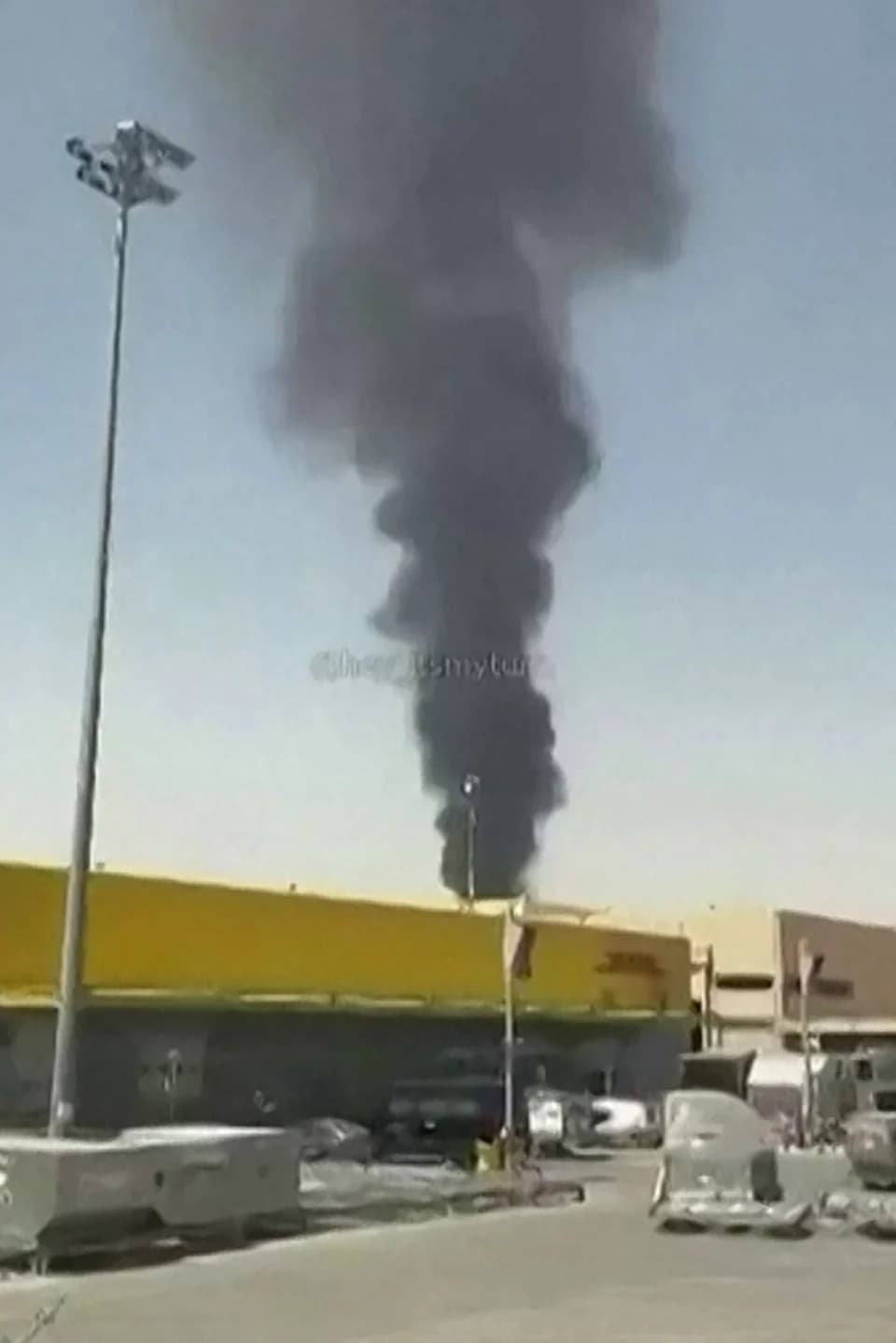
A Houthi strike on Riyadh's airport caused major flight disruptions Saturday (Reuters)
Criticism Over Civilian Harm
U.S. military operations in the campaign have drawn international scrutiny for collateral damage. In February, strikes in Minab reportedly struck a girls' school and were reported to have killed 120 schoolchildren, a development that intensified questions about targeting and civilian protection.
Domestic Politics and Public Opinion
The remarks come as Trump faces falling public support over the campaign and growing concerns among Republicans ahead of the midterm elections. A Fox News poll released this weekend found 71% of Americans think the president lacks a plan to end the conflict, while six in 10 voters said, in hindsight, the war was the wrong decision. The survey also found roughly four in 10 Republicans and 83% of registered independents believe the president lacks a clear withdrawal strategy.
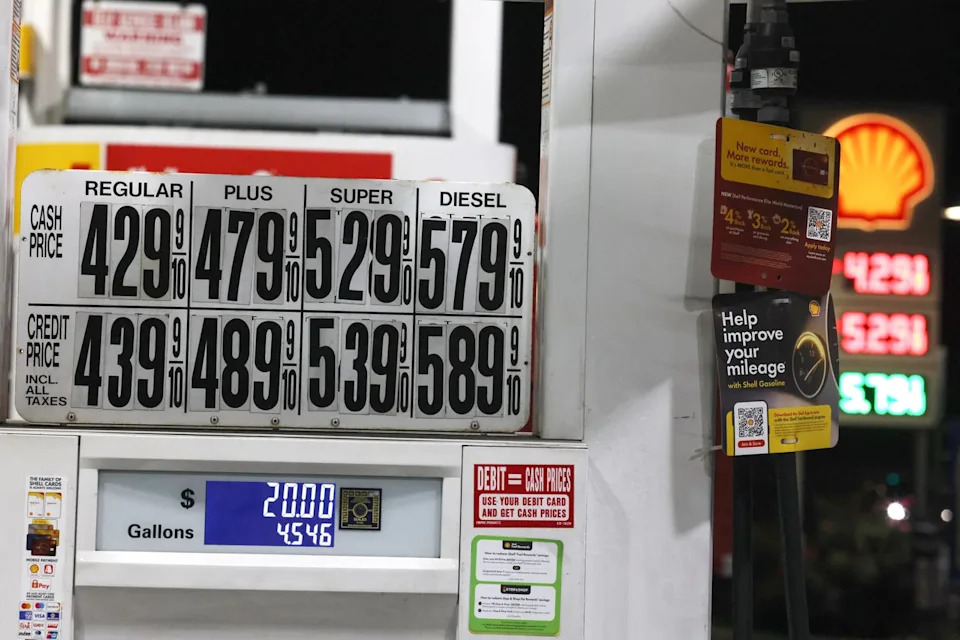
Fuel prices in Great Neck, New York, with less than two months to go before voters hit the polls (Reuters)
Regional Escalation and Economic Impact
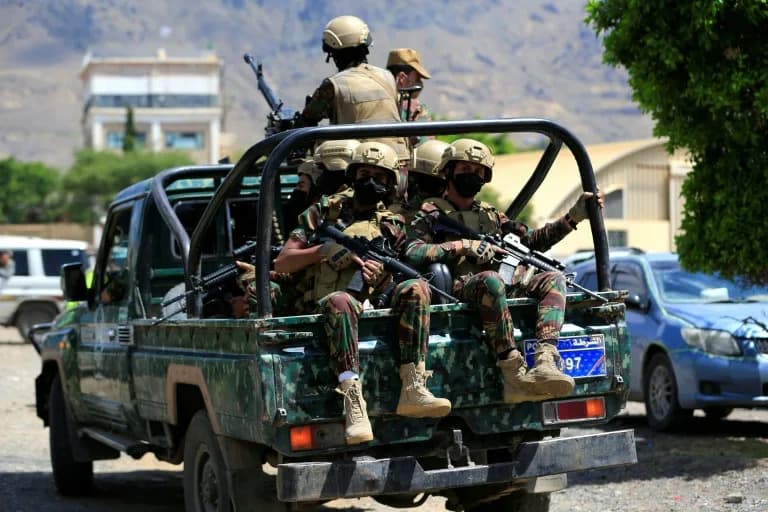
The conflict’s regional ripple effects continue. A fragile ceasefire that briefly held in July broke down amid a series of Iranian attacks on commercial vessels in the Strait of Hormuz. Renewed hostilities have also helped reignite fighting between Iranian-backed Houthi rebels in Yemen and the Saudi government. U.S. and Houthi officials met in Oman last week and agreed that U.S. and other neutral vessels would not be targeted while the United States stayed out of direct involvement. Reuters reported a Houthi strike on Riyadh's airport that caused major flight disruptions on Saturday.
Economic worries tied to the conflict are shaping voter priorities: gas prices remain above $4 a gallon nationally, and concerns that renewed fighting around the Strait of Hormuz could push prices higher persist ahead of the midterms.
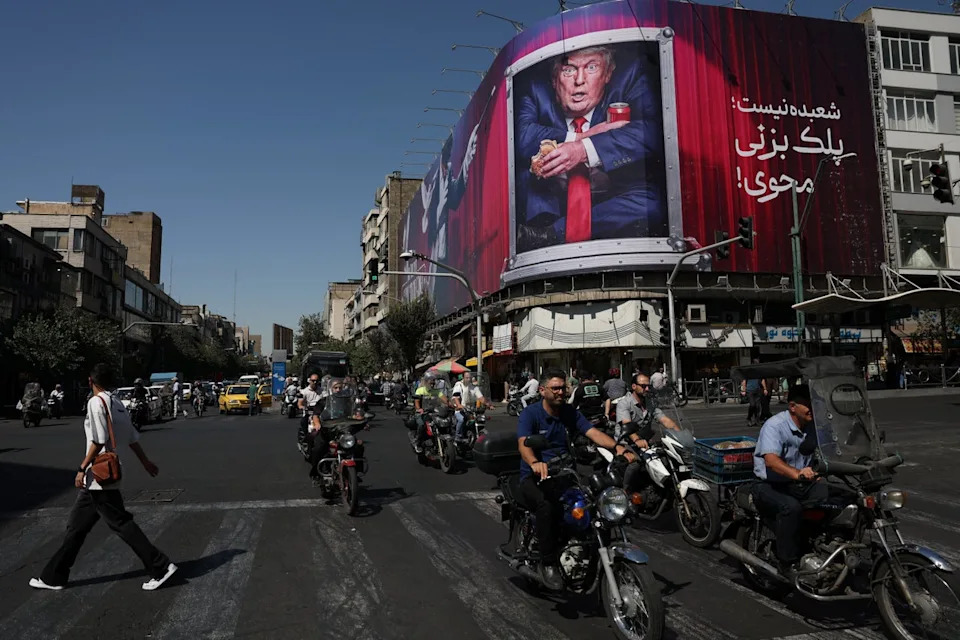
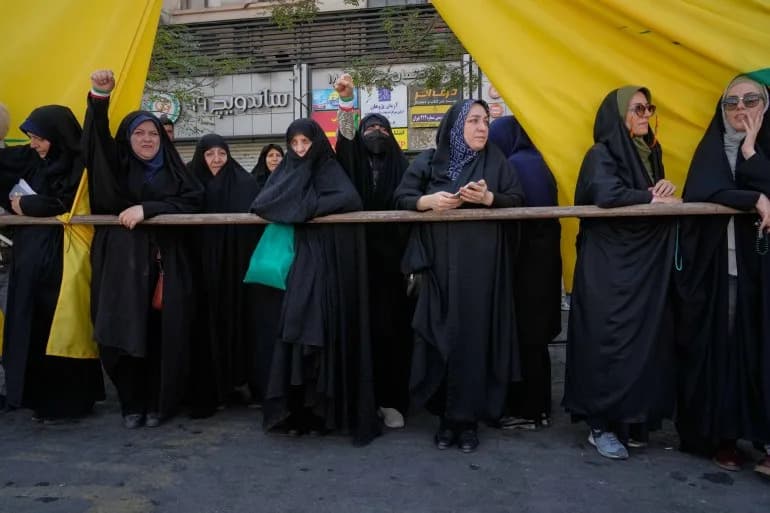
Donald Trump is depicted on a billboard in Tehran as hostilities continue between the two nations (Reuters)
Costs, Munitions, and Strategic Claims
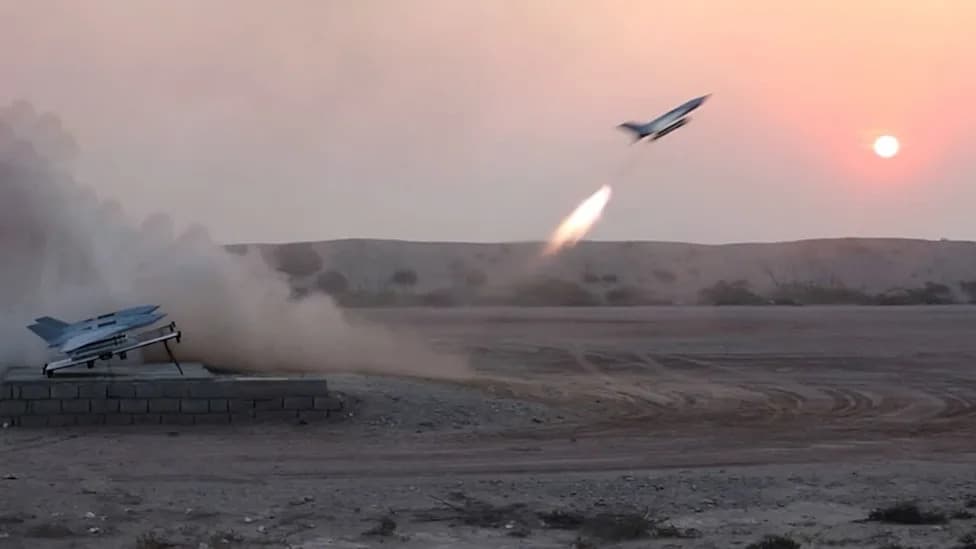
Six months into the U.S. campaign against Iran, costs are mounting. Pentagon officials estimate the U.S. has spent tens of billions of dollars on the operations so far. At the same time, U.S. stockpiles of key munitions — including Tomahawk cruise missiles and ground-based interceptors such as THAAD units — have declined toward critical levels, raising concerns about supply for allies worldwide, including Ukraine.
The administration has framed strikes as necessary to prevent Tehran from rebuilding a weapons-capable nuclear program; the president has previously claimed Iran's program was "obliterated" in earlier strikes. Critics contend the administration has not demonstrated Iran was actively redeveloping weaponizable nuclear material.
Past Warnings and Legal Concerns
Trump's recent comments echo earlier language on Truth Social in April when he warned that "a whole civilization will die tonight, never to be brought back again. I don't want that to happen, but it probably will." Those comments were widely criticized and interpreted by many as implying willingness to target civilian areas — actions that could raise legal and humanitarian questions under international law. The president did not immediately follow through on that warning and paused strikes on Iranian targets hours later.
Earlier in the campaign, some administration messaging mentioned "regime change" in Tehran. While the White House has reportedly de-emphasized that as an explicit goal, Trump has occasionally referenced it, including comments about the February killing of Iran's supreme leader, Ayatollah Khamenei, which remain a source of controversy.
Implications: The combination of direct threats, rising costs, waning public support, diminishing munitions stockpiles and regional escalation creates political and strategic pressure for the administration. Critics warn of long-term humanitarian consequences and legal risks if civilian areas are targeted, while supporters point to the administration’s stated need to prevent a nuclear-armed Iran.
Help us improve.