The prolonged conflict involving the U.S., Israel and Iran has created deep uncertainty for energy markets and global forecasts. JPMorgan analysts say they no longer have a baseline model for oil as Brent tops $100 and U.S. diesel exceeds $6 per gallon while inventories fall toward historic lows. The Pentagon estimates the military cost at about $42 billion so far, and civilian deaths are estimated in the low thousands. A U.N. human rights forum reported "reasonable grounds" to suspect war crimes in at least two strikes, intensifying political and moral pressures as markets brace for a difficult winter.
Economists Aghast as Iran Conflict Sends Oil, Diesel and Global Markets Into Turmoil
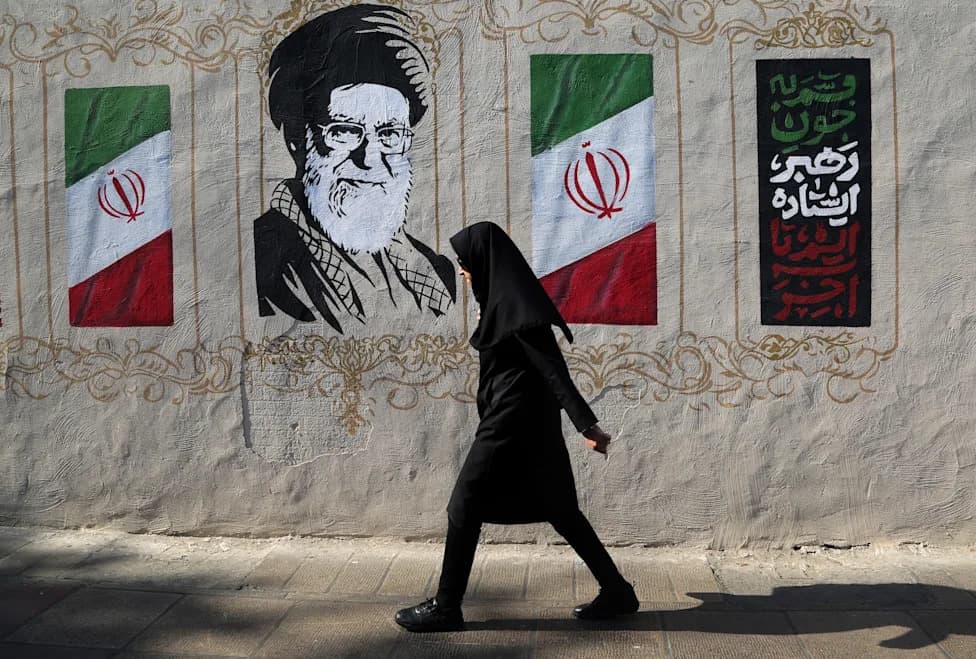
Daily life continues in Tehran, capital of Iran, amid ongoing tensions between Iran and the United States, under the impact of US sanctions, on September 14, 2026. Photo by Fatemeh Bahrami/Anadolu via Getty Images
The ongoing conflict involving the United States, Israel and Iran has plunged energy markets and global economic forecasts into deep uncertainty. Analysts say standard models no longer capture the evolving risks, and policymakers face mounting fiscal, humanitarian and strategic costs with no clear exit strategy.
Market Shock and Energy Supply Strains
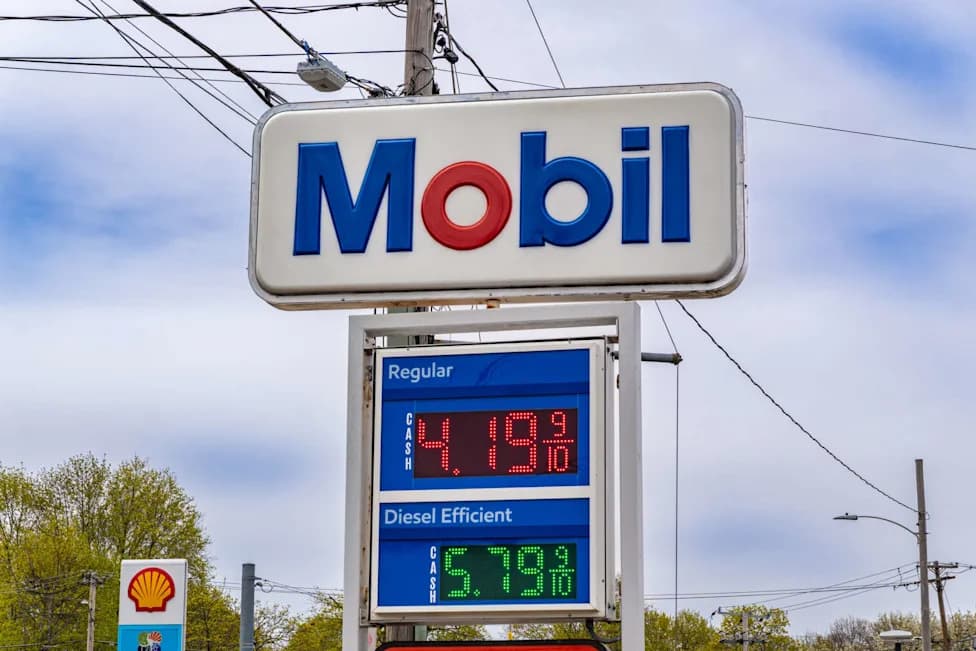
On Thursday, JPMorgan analysts — for the first time since the conflict began — said they lack a reliable baseline for oil markets. Natasha Kaneva, head of the firm's global commodities strategy, wrote that "we simply don't know how to model the endgame," underscoring the unprecedented level of uncertainty. Key commodity benchmarks that many assumed would remain stable have been breached: Brent crude rose above $100 a barrel, gasoline prices approached $5 a gallon in the U.S., and 10-year Treasury yields topped 5%.
Diesel prices in the U.S. recently climbed past $6 per gallon for the first time on record and have continued to rise. Analysts warn prices could jump further as winter — a season of heightened diesel demand — approaches. At the same time, crude and refined product inventories are moving toward historic lows. A new analysis from S&P Global's Energy Fuels and Refining team warned that "winter is coming for diesel markets," with Karim Fawaz noting that inventories are low, spare refining capacity is scarce, and seasonal demand is about to strengthen at exactly the wrong moment.
Supply Disruptions and Regional Escalation
Supply shocks are compounding the problem. A recent drone attack that heavily damaged a Saudi pipeline is expected to cut crude exports by roughly 400,000 barrels per day this month alone. Meanwhile, the U.S. administration has signaled deeper security commitments in the region, including a proposed sale of 48 F-35 fighter jets to Saudi Arabia — a move critics say could further escalate tensions.
Rising Fiscal and Human Costs
The fiscal cost of the military campaign is mounting. The Pentagon told Congress this week that the conflict's cost has risen to about $42 billion, slightly above the Congressional Budget Office's estimate of $38 billion. Some experts, including Harvard's Linda J. Bilmes, have suggested the total fiscal toll could ultimately be far higher.
Beyond dollar figures, human costs are severe. Civilian fatality estimates range between roughly 1,800 and 3,800. Reporting in The Washington Post suggested the Defense Department's publicly listed U.S. military fatalities (18) may undercount the true total, with anonymous officials indicating the figure might be higher and that additional contractors have died in the region.
Allegations of War Crimes and Political Fallout
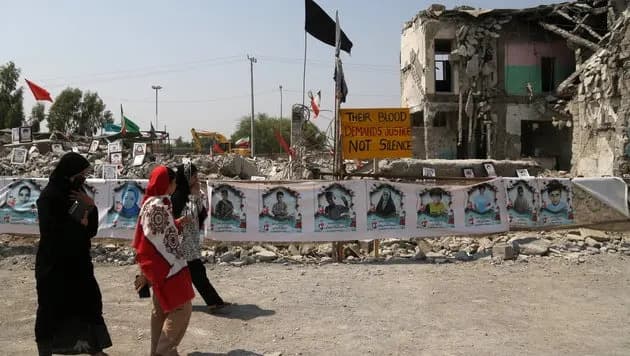
The U.N.'s top human rights forum reported it had "reasonable grounds" to believe that U.S. strikes in Iran included incidents amounting to war crimes, citing two strikes including one on a school in Minab that reportedly killed many civilians. The White House dismissed that finding as partisan and unreliable. Whether or not those conclusions hold up in further inquiry, the allegation adds a layer of political and moral cost to a campaign already producing economic pain.
What Comes Next?
Economists' public admission that they cannot model an end to these disruptions highlights how serious the situation has become. With inventories thin, demand seasonally poised to rise, regional attacks on infrastructure, increasing military commitments, and contested human-rights findings, markets and policymakers face a fraught winter ahead. The conflict's trajectory — diplomatic settlement, military escalation, or prolonged stalemate — will determine whether the disruption eases or intensifies.
Sources: JPMorgan note (Natasha Kaneva), S&P Global Energy analysis (Karim Fawaz), Pentagon briefings to Congress, Congressional Budget Office estimates, reporting from CNBC, The Washington Post, The Hill, and U.N. human rights statements.
Help us improve.