Turkiye has offered technical military assistance to Saudi Arabia as the kingdom faces renewed missile and drone attacks from Yemen's Houthi movement, a test for the Mecca Joint Defence Agreement signed by Saudi Arabia, Turkiye and Pakistan. Turkish FM Hakan Fidan signalled Ankara's readiness to help but gave no specifics. Analysts are divided: some see a coordinated multi-domain response emerging, while others say partners prefer limited support rather than direct kinetic engagement. The escalation threatens Red Sea shipping and global energy routes, raising the stakes for regional and international involvement.
Turkiye Says It Can Meet Saudi Defence Needs — How Will the Mecca Pact Be Tested?
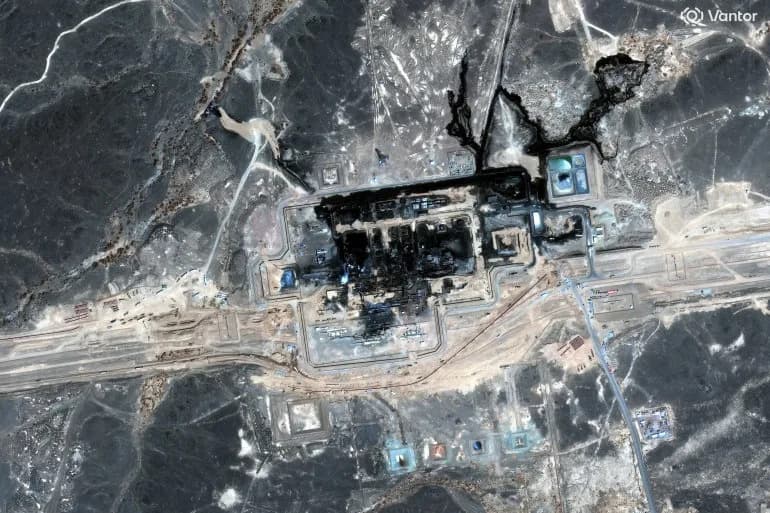
A satellite image shows the Saudi Arabia East-West pipeline after a strike that hit it on September 11 [Handout/Vantor via Reuters]
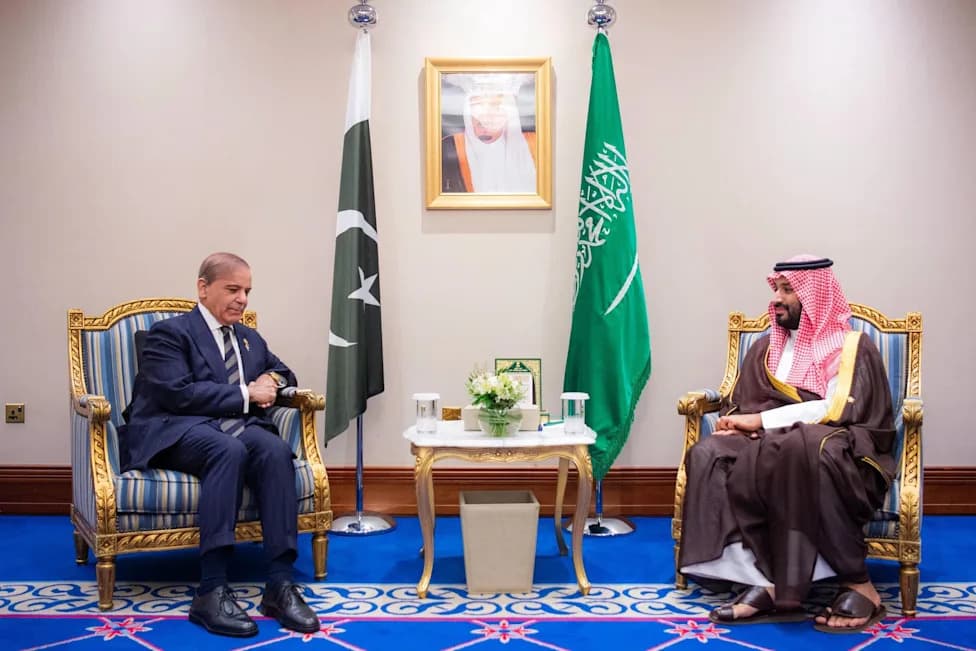
Turkiye has offered to help meet Saudi Arabia's military needs as Riyadh faces an intensifying campaign of missile and drone strikes by Yemen's Houthi movement — a development that could put the recently signed Mecca Joint Defence Agreement to an early and consequential test.
What Ankara Has Said
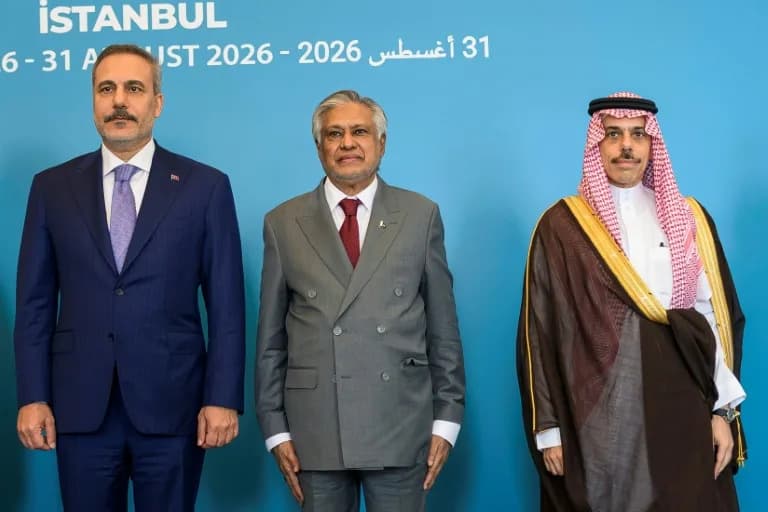
Turkish Foreign Minister Hakan Fidan told Turkish media that Saudi Arabia "may have some military needs, especially on some technical issues," and that Ankara would be prepared to provide assistance under the trilateral defence agreement with Saudi Arabia and Pakistan. Fidan stressed concerns about "very serious attacks on Saudi Arabia's territorial integrity, sovereignty," but did not specify what form Turkish assistance would take.
Hakan Fidan: "We see there are very serious attacks on Saudi Arabia's territorial integrity, sovereignty. ... Turkiye would have no issues in meeting these."
Background: The Mecca Joint Defence Agreement
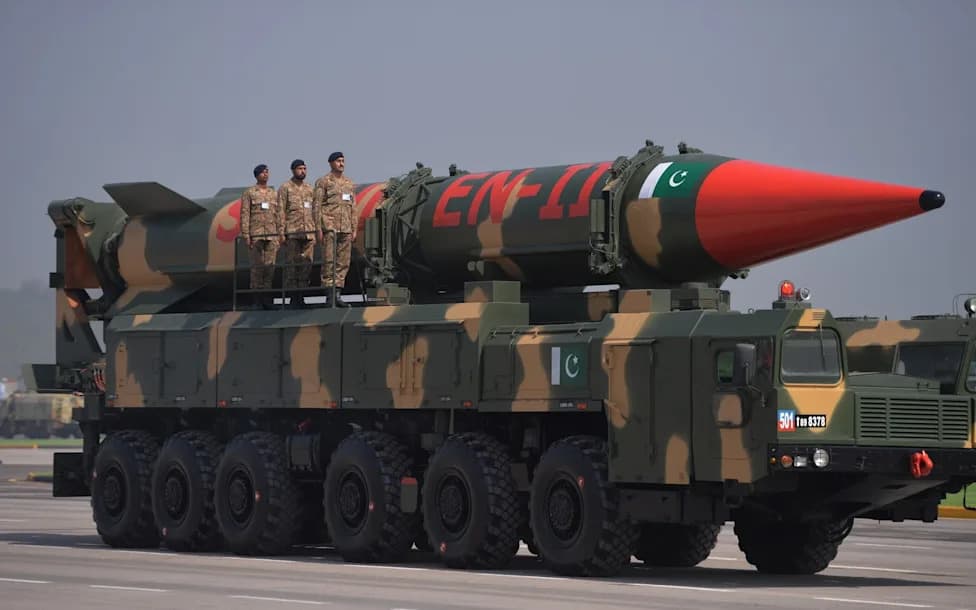
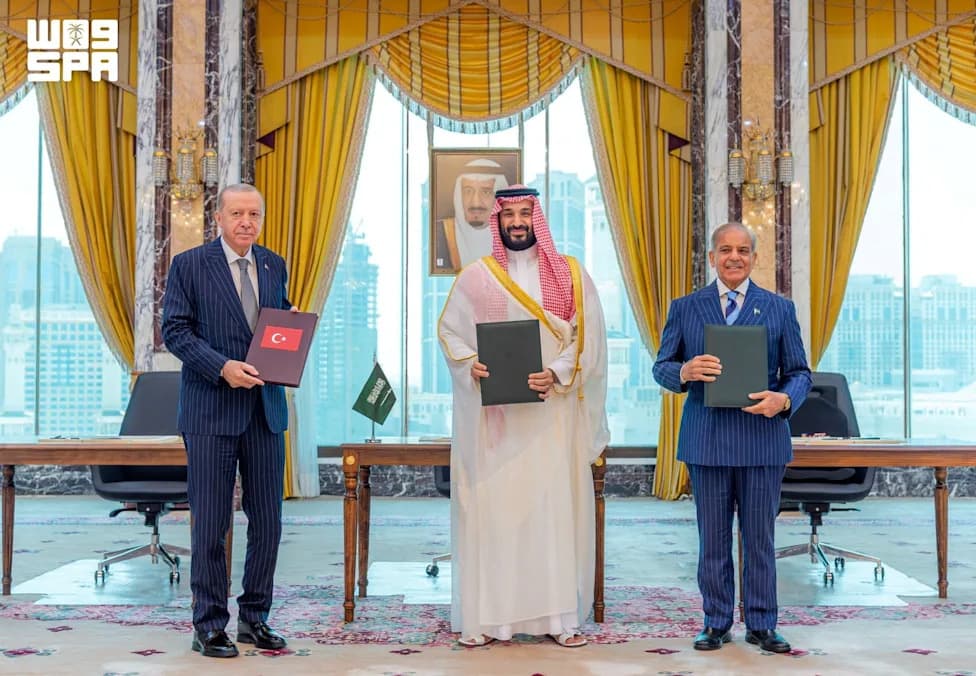
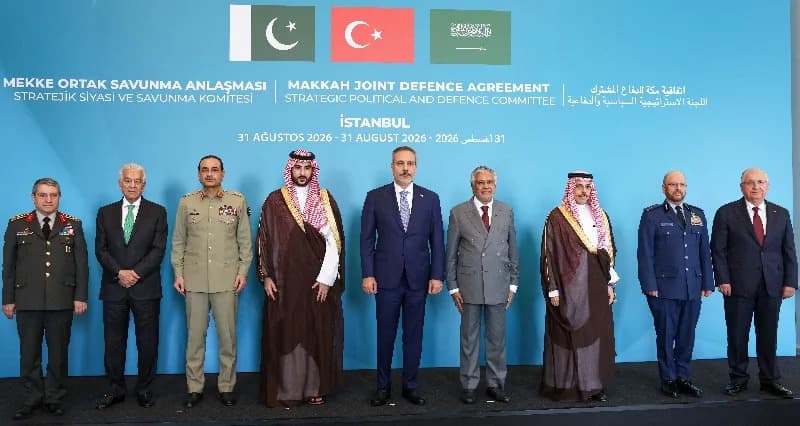
Last month Saudi Arabia, Turkiye and Pakistan signed the Mecca Joint Defence Agreement (also referred to as the Mecca Defence Alliance), pledging that an armed attack on any one member would be treated as an attack on all — a principle reminiscent of NATO's collective-defence clause. The three governments agreed to establish a secretariat in Riyadh, initially to be headed by a Pakistani secretary-general. Leaders described the pact as grounded in respect for sovereignty and territorial integrity.
On-the-Ground Escalation
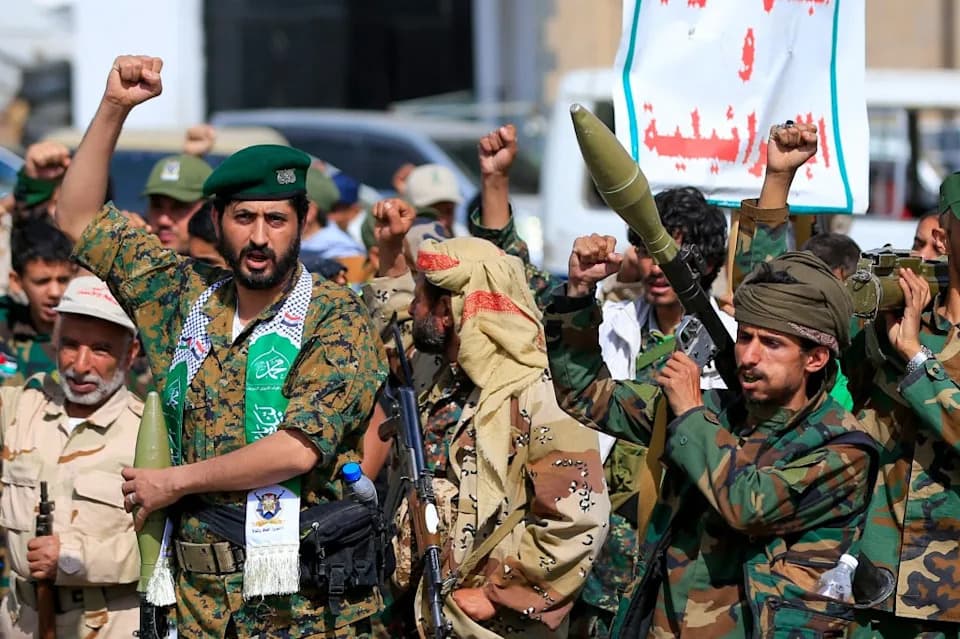
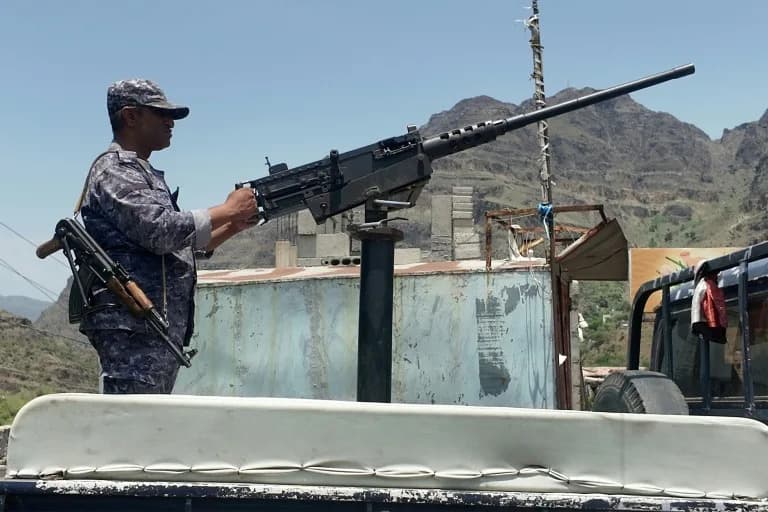
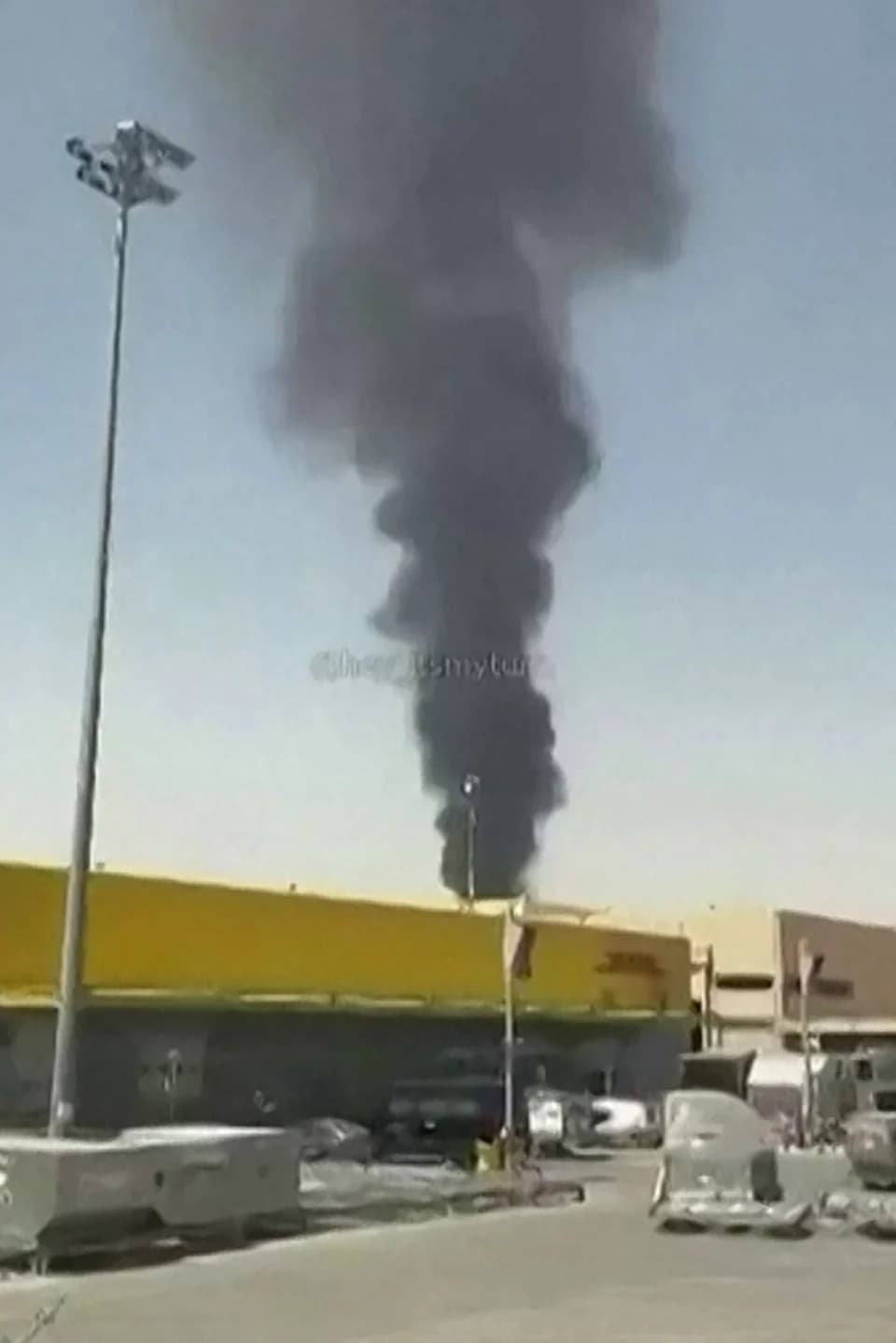
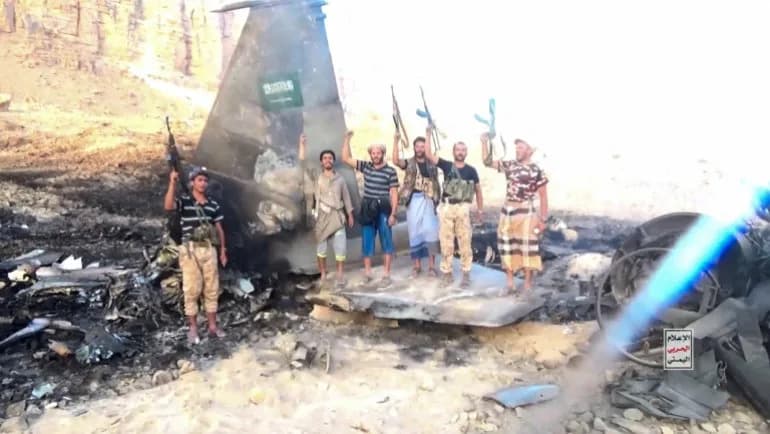
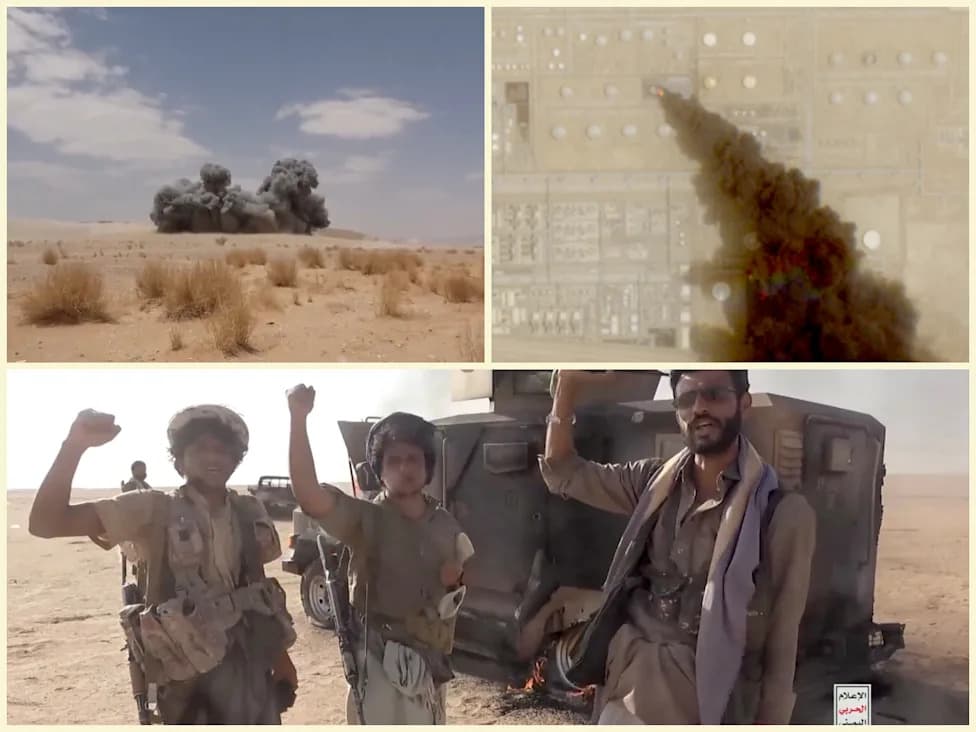
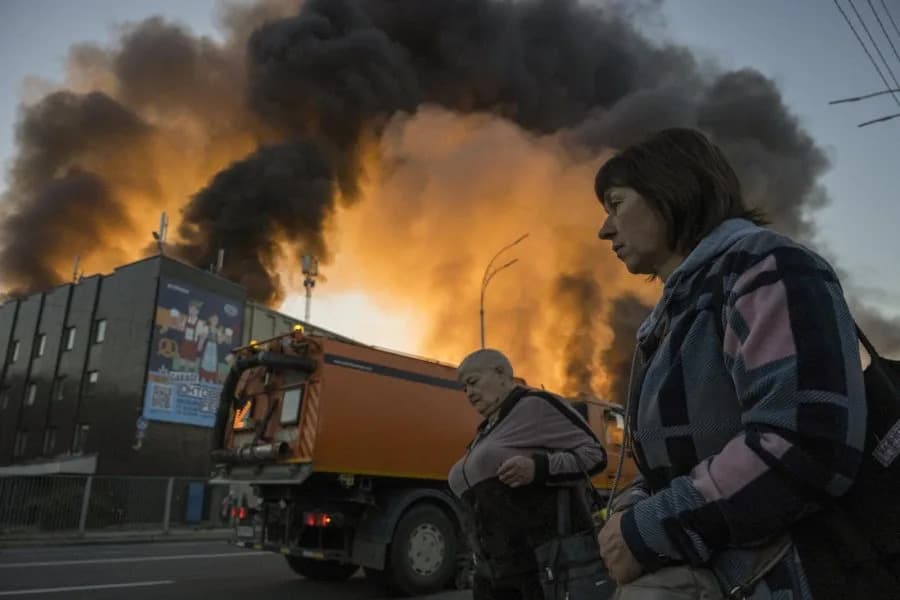
The offer from Ankara comes as the Iran-aligned Houthis have stepped up missile and drone attacks on Saudi cities, energy infrastructure and shipping. The group has expanded operations along Yemen's Red Sea coast after seizing the port city of Mocha and has pressed toward Marib, a key oil-producing province. Houthi activity around the Bab al-Mandeb choke point has heightened concerns about global energy and trade flows, especially while the Strait of Hormuz remains intermittently disrupted.
Analysts: Two Competing Readings
Analysts give mixed assessments of how the Mecca pact might be activated. Nawaf Obaid, a senior research fellow at King's College London, told Al Jazeera that Riyadh and its partners appear to be assembling a coordinated military response. He described a potential response as "sequenced," "massive" and integrating land, sea and air assets, and said some countries are reportedly moving weapons and aircraft into the region.
Nawaf Obaid: "There is a coalition coalescing around the threat ... It is going to be sequenced. It is going to be massive. It is going to be fused together, and it's going to be land, sea and air."
By contrast, Mohamad Elmasry of the Doha Institute cautioned that many partners appear reluctant to commit to direct kinetic operations. He said allies are providing logistics, intelligence and weapons but are hesitant to engage in full-scale combat.
Positions From Pakistan and the United States
Pakistan has publicly reiterated its commitment to the Mecca pact. Lieutenant-General Ahmed Sharif Chaudhry said Islamabad stands with Saudi Arabia "diplomatically and physically," while Defence Minister Khawaja Asif warned that attacks on Saudi territory could trigger the agreement. At the same time, Pakistan's Foreign Ministry said there had been no formal discussion about launching military operations under the pact and that Pakistan would act "when the time comes," without specifying the threshold.
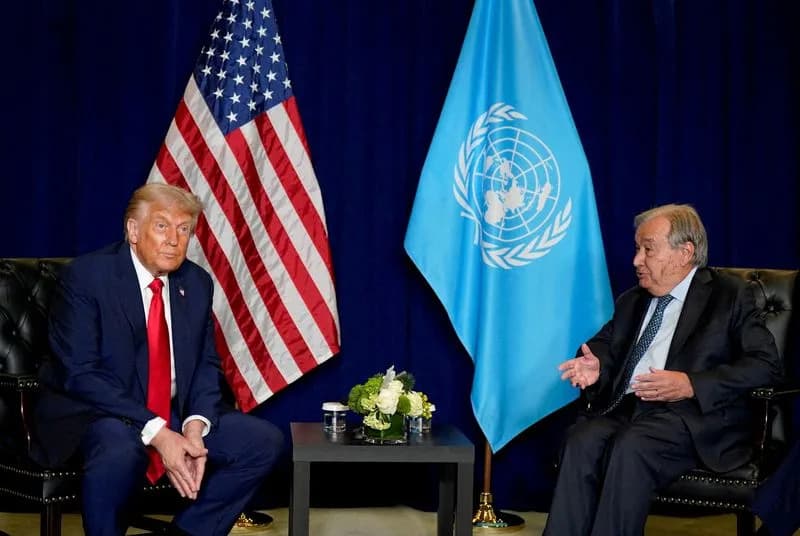
The United States has so far limited its response to intelligence-sharing and targeting assistance. Reuters reported that Saudi Crown Prince Mohammed bin Salman requested direct military help from US President Donald Trump, who declined strikes; however, Washington continues to support Riyadh through advisers and ISR (intelligence, surveillance, reconnaissance) assets. The US State Department approved a potential sale of 48 F-35 fighters to Saudi Arabia, a deal that still requires congressional approval. Observers note that roughly 100 US military advisers are reported to be in Saudi Arabia, meaning Washington could scale up involvement if it decides to do so.
Possible Scenarios and Implications
If technical assistance and logistics are the primary forms of support, the Mecca pact may bolster Saudi defensive capabilities without drawing partners into direct combat. Alternatively, a sustained or particularly damaging Houthi strike on Saudi territory or critical infrastructure could push members toward a more active, multi-domain military response.
Either outcome would carry regional and global risks: escalation could draw in additional state actors, disrupt major shipping routes through the Red Sea and Bab al-Mandeb, and affect global energy markets.
Conclusion
Turkiye's offer to assist Saudi Arabia demonstrates the political backing Riyadh can draw from its new partners. But whether that assistance remains technical and logistical or evolves into direct military operations will depend on how Houthi attacks develop and how far Islamabad, Ankara and other partners are willing to go to uphold the Mecca pact's collective-defence commitment.
Help us improve.