The UN General Assembly brings nearly 130 world leaders to New York as the organisation confronts wars in the Middle East and Ukraine, rising AI risks, funding shortfalls and questions about leadership succession. Antonio Guterres has pushed for global AI guardrails while high-level meetings may also address food and energy security and regional instability. Key speakers include leaders from Iran, Israel, Palestine, Ukraine and Russia.
World Leaders Reconvene at UN General Assembly Amid Middle East, Ukraine Crises and AI Concerns
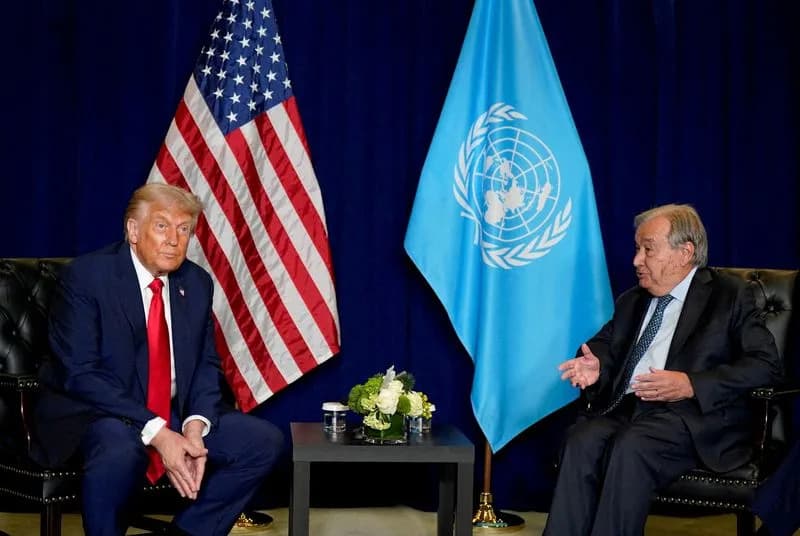
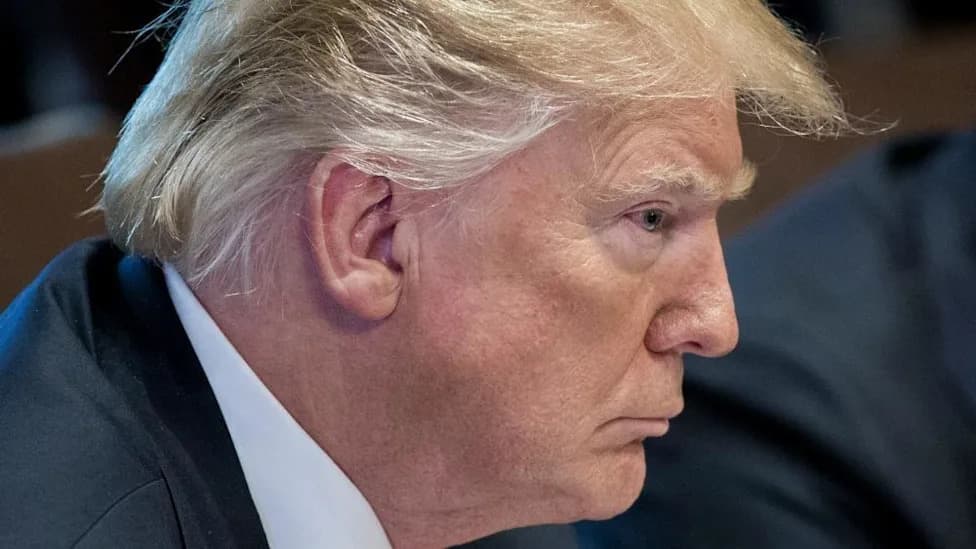
FILE PHOTO: U.S. President Donald Trump meets with United Nations Secretary-General Antonio Guterres during the 80th United Nations General Assembly, in New York City, New York, U.S., September 23, 2025. REUTERS/Al Drago/File Photo
World leaders are converging on New York this week for the UN General Assembly, where nearly 130 heads of state will discuss mounting global crises — from escalating tensions in the Middle East and the ongoing war in Ukraine to the rapid advancement of artificial intelligence.
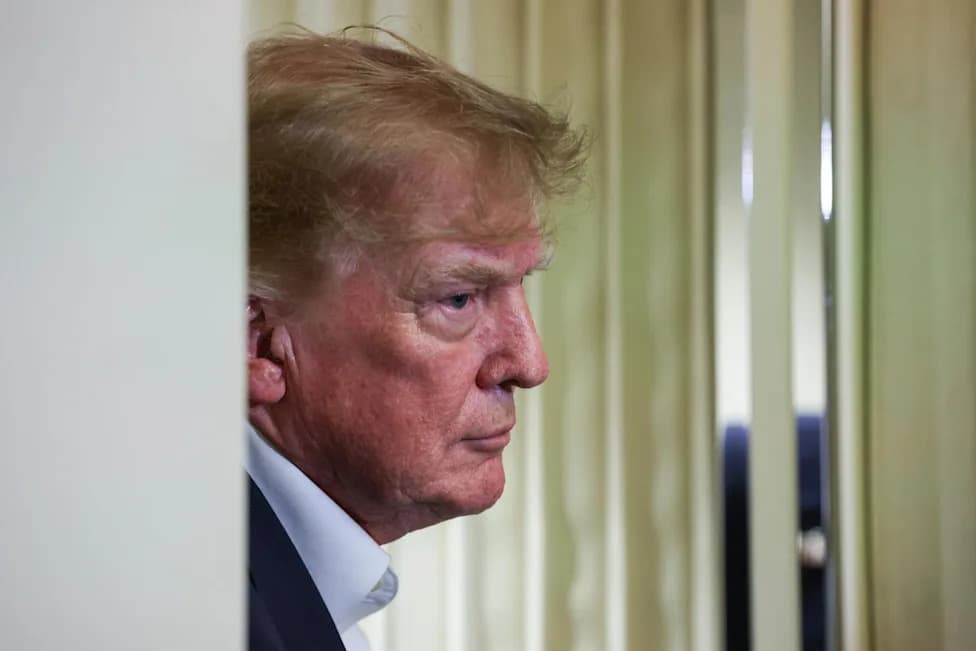
The summit comes as the post-World War Two international order strains under geopolitical competition and as the United Nations itself faces scrutiny over relevance, funding and leadership. The United States, under President Donald Trump, has reduced its engagement with several UN bodies and this week paid $725 million toward its assessed regular budget while still carrying arrears of more than $1 billion and continuing to press for cuts and reforms.
Leadership, Relevance And The Security Council
Chinese leader Xi Jinping will not attend in person after last addressing the assembly by video in 2021; instead he is scheduled to meet President Trump in Washington, a decision that has fueled debate about the UN’s role in resolving major international crises. Meanwhile, Secretary-General Antonio Guterres — whose term ends in late 2026 — faces an uncertain succession landscape, with no clear frontrunner yet emerging.
The 15-member UN Security Council may convene high-level meetings on Ukraine, artificial intelligence and the Middle East, including sessions with regional Arab leaders. Diplomats say the Council’s capacity to act remains constrained by competing interests among its permanent members.
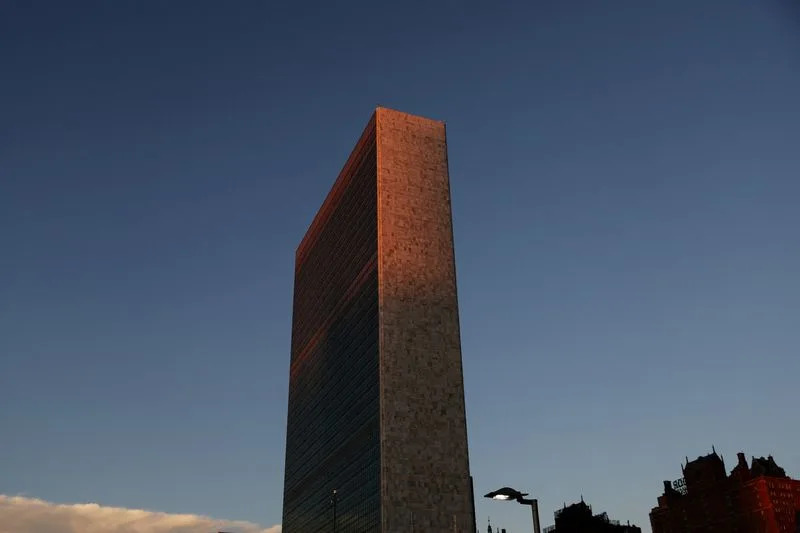
FILE PHOTO: The United Nations building is seen at sunrise during the 77th Session of the United Nations General Assembly at the U.N. Headquarters in New York City, U.S., September 21, 2022. REUTERS/Shannon Stapleton/File Photo
“We would no longer say that the UN is in freefall, but we would say that it's stuck in an open-ended crisis,” said Richard Gowan of the International Crisis Group. “The UN may not be in emergency care like it was last year, but it seems to be trapped in a trauma center for the foreseeable future.”
Growing AI Risks
Artificial intelligence is slated to be a major focus. Industry leaders recently urged a coordinated slowdown in development, warning that advanced systems could soon improve themselves in ways that escape human control. Secretary-General Guterres has pushed for global governance and "common guardrails" to reduce the risk of a damaging race to the bottom; the UN established an AI advisory body in 2023 that brings together tech executives, government officials and academics.
The AI debate has highlighted sharp divisions. President Trump has publicly dismissed some AI risk claims as a "hoax," while other leaders and experts call for urgent international cooperation to manage potential catastrophic harms.
Middle East Escalation
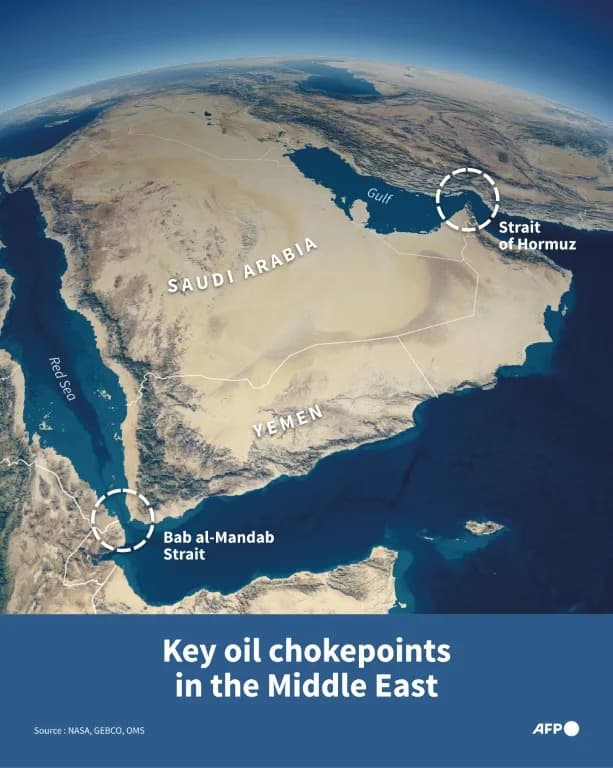
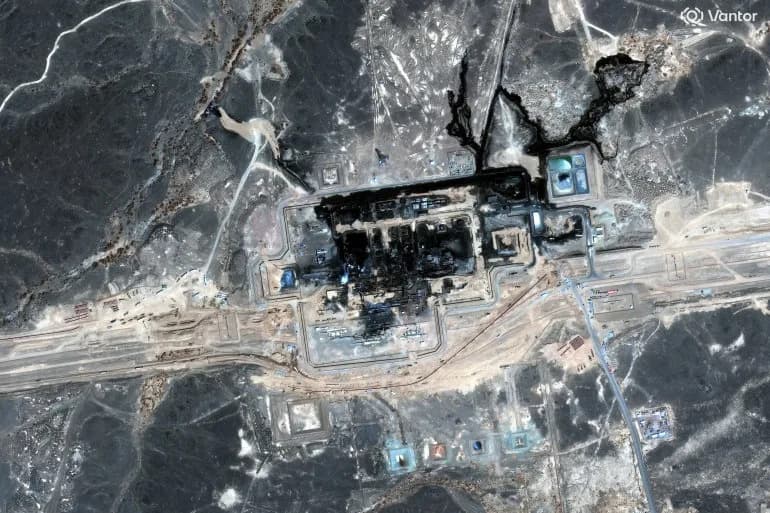
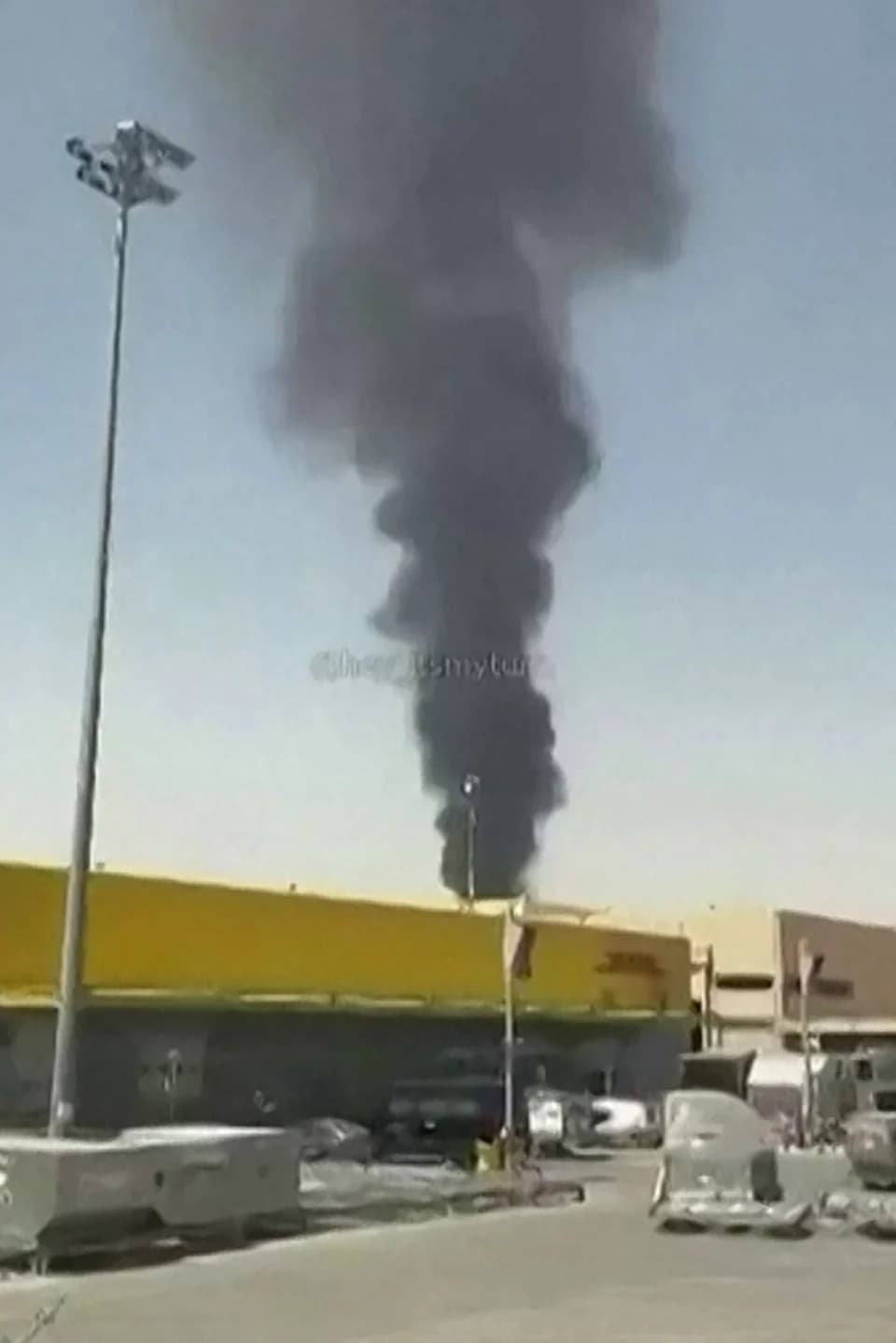
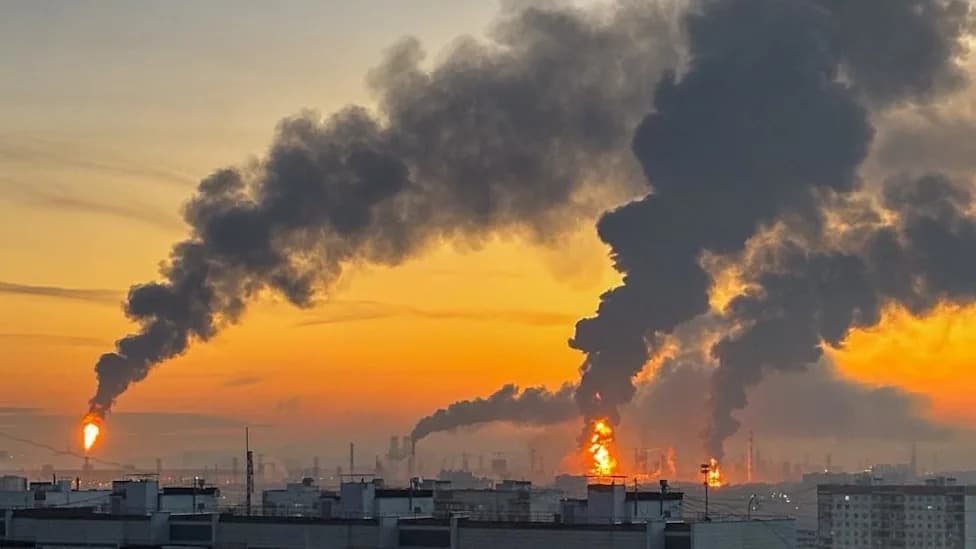
The Middle East is expected to dominate discussions as strikes and counter-strikes involving Iran, the United States and Israel continue to destabilize the region, affect global inflation and threaten key shipping routes. Recent Houthi advances in the Red Sea region have raised concerns about the safety of commercial shipping through the Bab el-Mandeb Strait and potential upward pressure on energy prices.
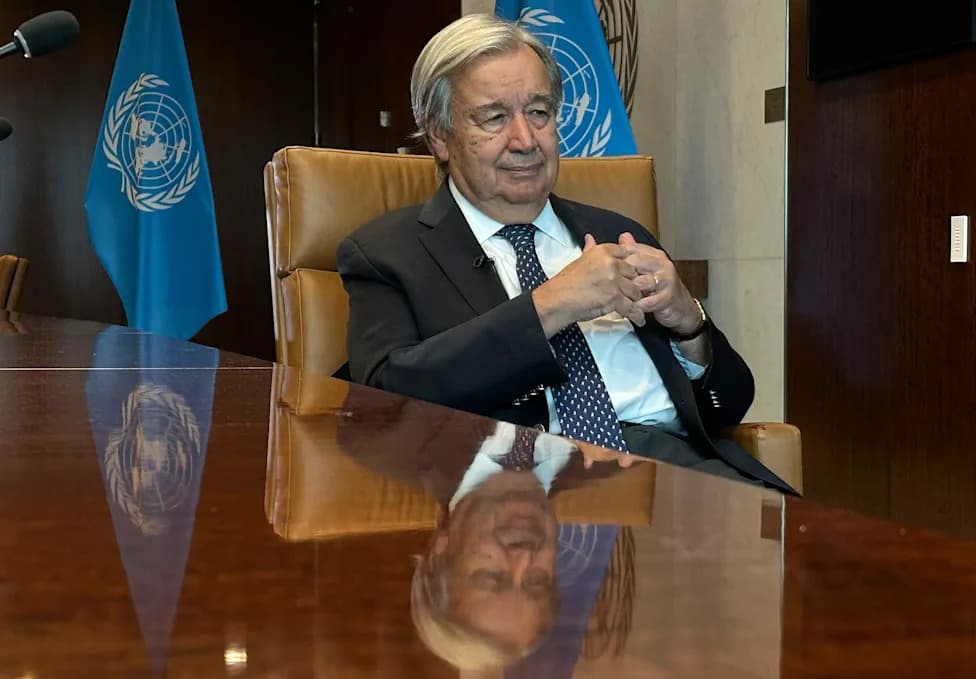
Guterres warned that military interventions have historically struggled to deliver lasting solutions and praised the UN envoy to Yemen for efforts to revive negotiations. Diplomacy remains fragile as regional tensions persist.
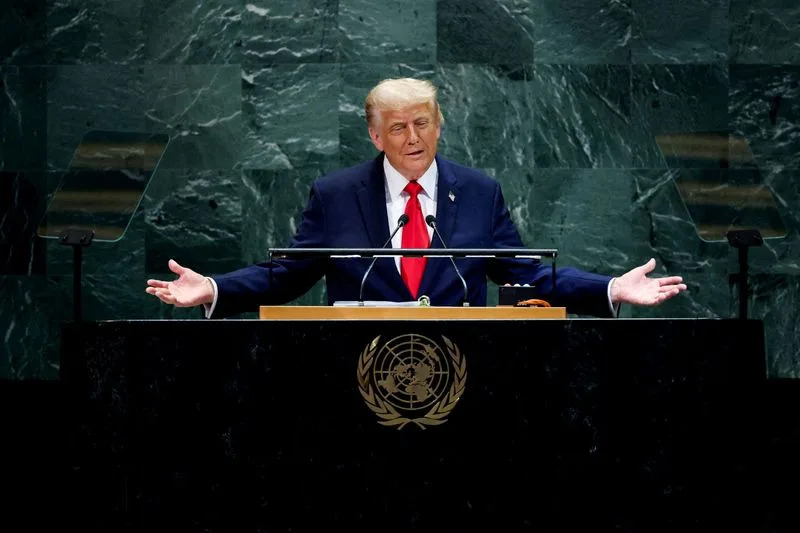
FILE PHOTO: U.S. President Donald Trump addresses the 80th United Nations General Assembly at U.N. headquarters in New York City, U.S., September 23, 2025. REUTERS/MIKE SEGAR/File Photo
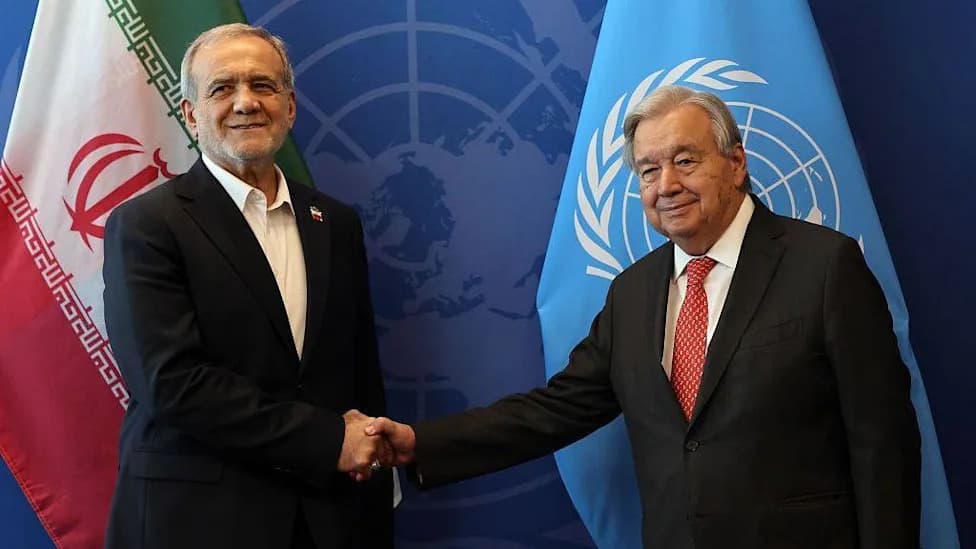
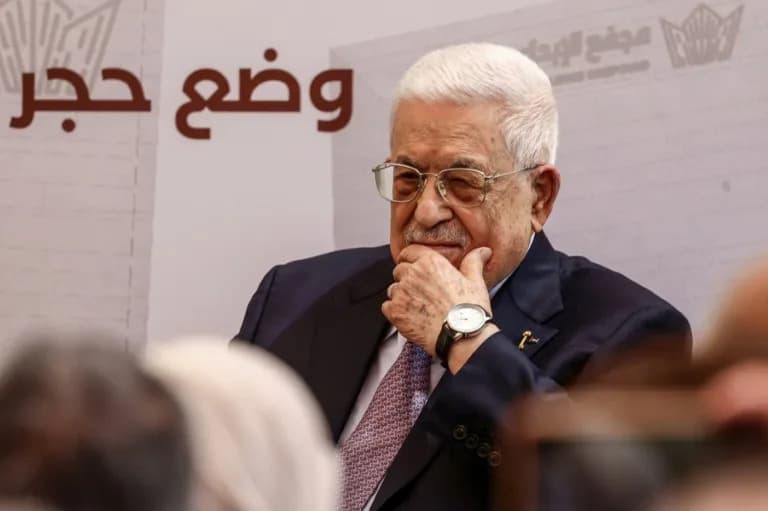
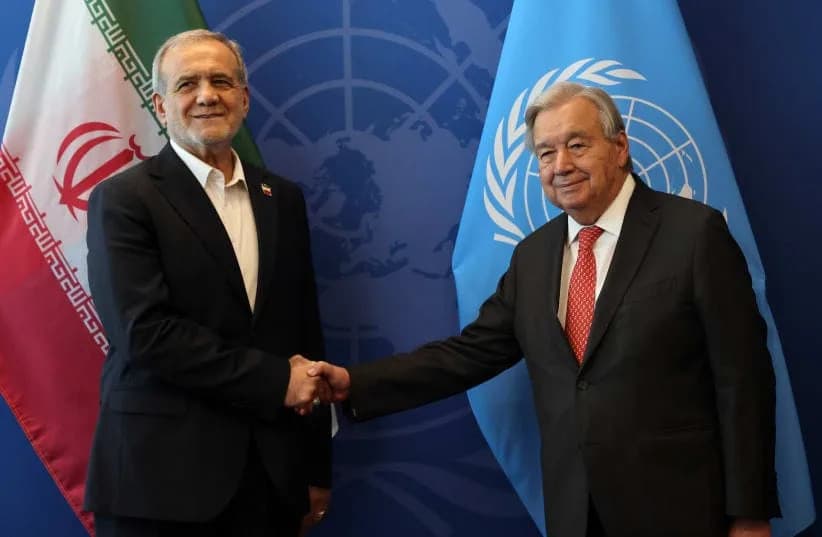
Speakers scheduled include Iranian President Masoud Pezeshkian and Israeli Prime Minister Benjamin Netanyahu — who faces an ICC arrest warrant that Israel rejects — while Palestinian President Mahmoud Abbas will deliver his address remotely after being denied a US visa; the General Assembly approved a video appearance for him.
Ukraine And Global Food Security
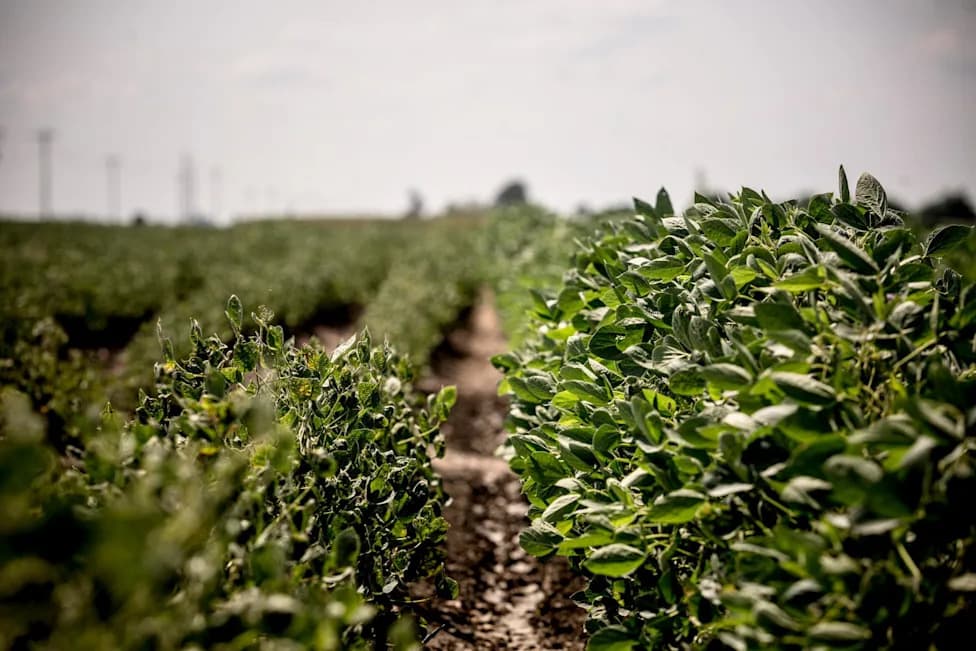
The war in Ukraine, now entering its fifth year, will also be a central item. Ukrainian President Volodymyr Zelenskiy and Russian Foreign Minister Sergei Lavrov are both due to address the Assembly. Diplomats say Zelenskiy will seek sustained international support ahead of another difficult winter, including measures to ensure the safe export of food, fertilizers and energy from the Black Sea region.
The Security Council remains limited in its ability to act because Russia, a permanent member, retains veto power. Guterres has emphasized the conflict's toll on civilians and its broader effects on food and energy markets.
On The Sidelines
Diplomats expect a mix of thematic and bilateral meetings on the margins of the Assembly, including talks on Sudan and other regional crises, though officials caution that breakthroughs are unlikely in the near term.
Reporting for this article was by Antoni Slodkowski, with additional reporting by Michelle Nichols. The story was edited by Don Durfee and Howard Goller.
Help us improve.