Houthis say they struck Riyadh and Aramco sites with missiles and drones; Saudi defenses report interceptions and temporary safety alerts in several regions. Diplomatic talks between Washington and Tehran earlier this year collapsed, though Iran says it seeks an end to Saudi–Yemen fighting and has relayed conditions through mediators. The U.S. estimates the war has cost at least $43.3 billion to date and energy prices have risen as markets react to the heightened regional risk.
Houthis Claim Strikes on Riyadh as Saudi Defenses, U.S. Warnings and Global Market Pressures Mount
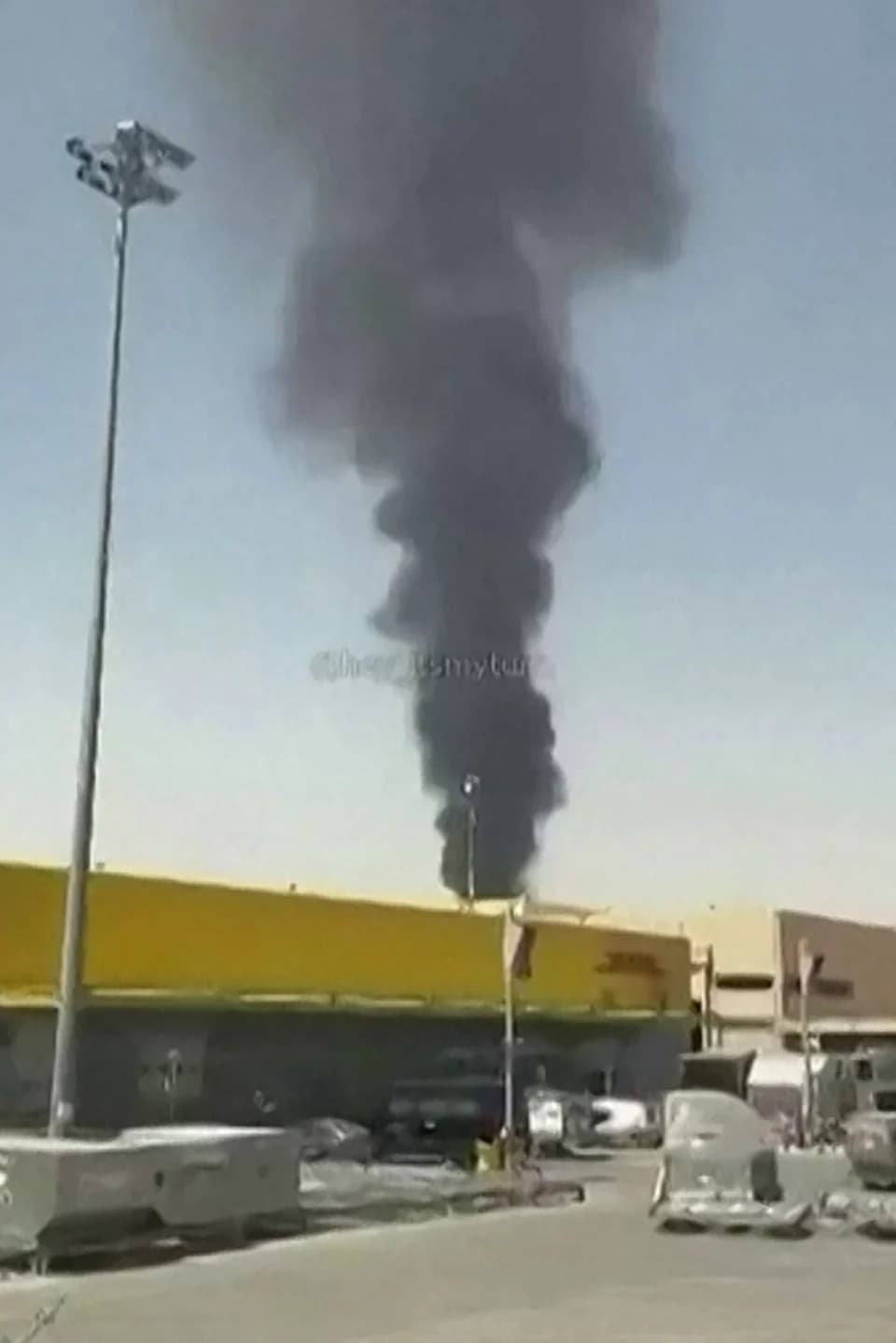
@HEY_ITSMYTURN/X/AFP via Getty Images - PHOTO: Smoke rises near Riyadh airport in this video grab taken, Sept. 19, 2026, in Riyadh, Saudi Arabia.
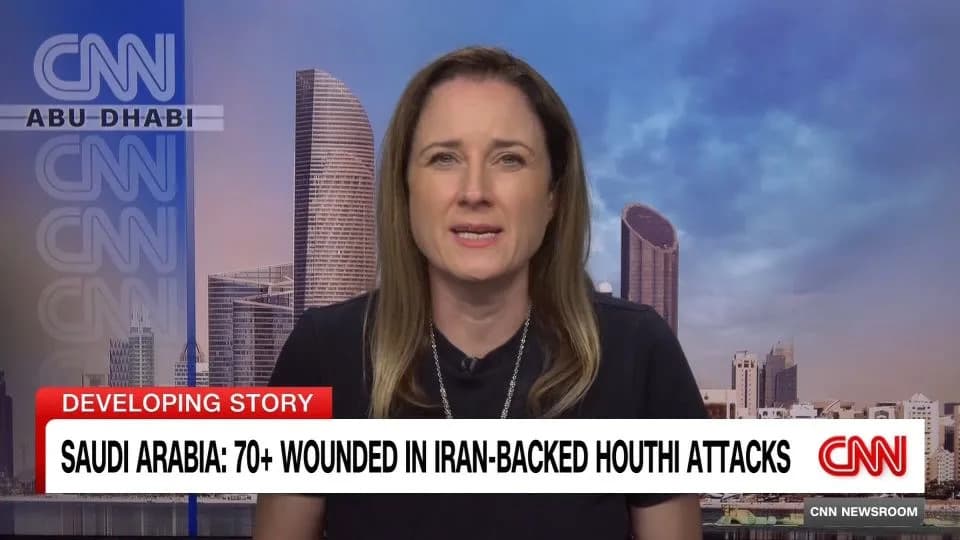
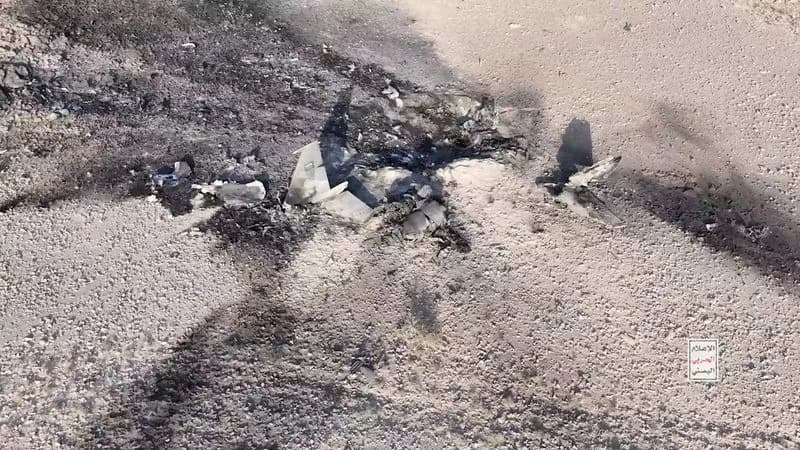
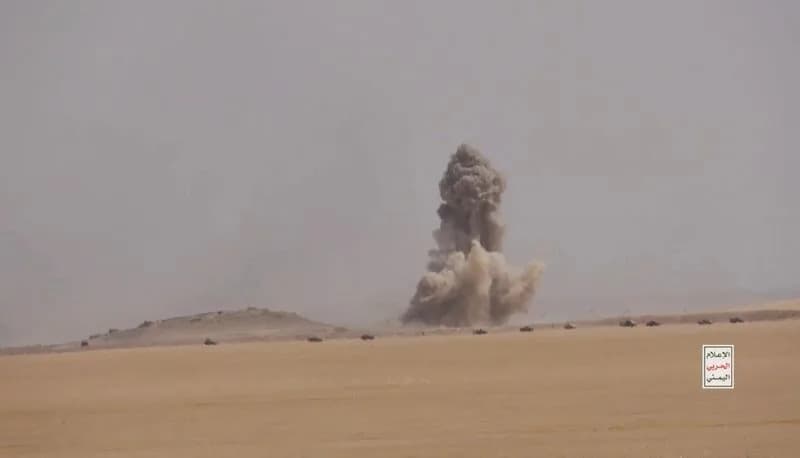
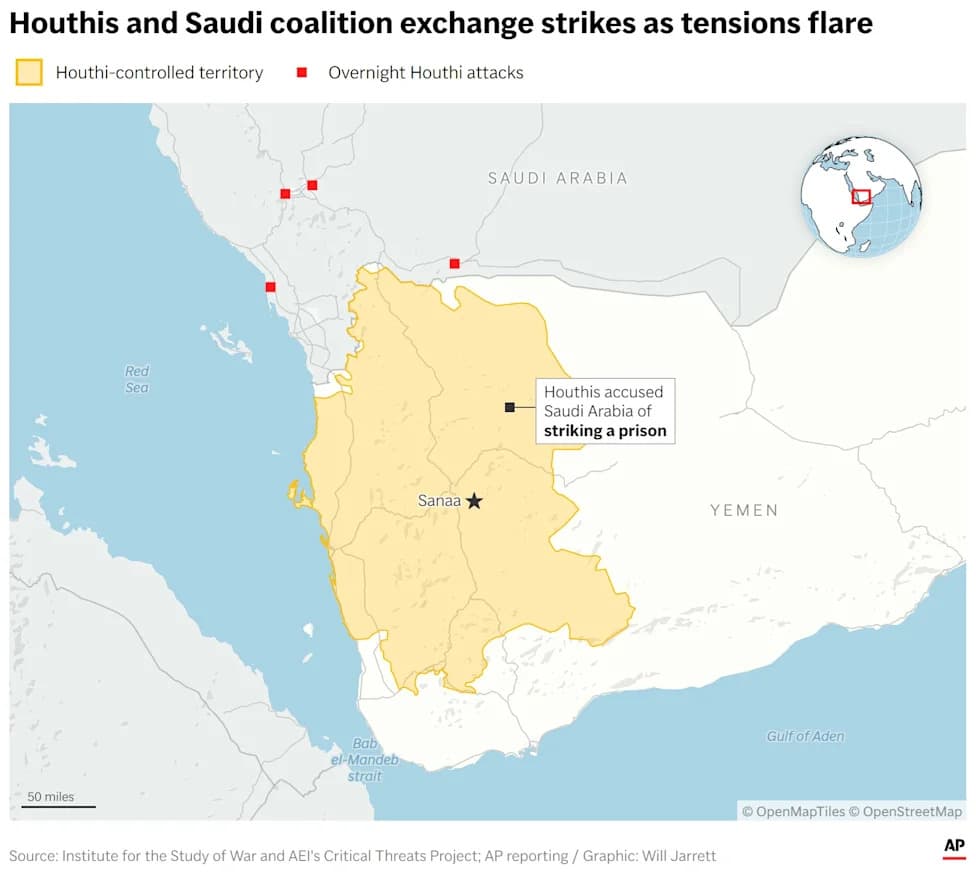
The Iran–U.S. regional confrontation intensified as Iran-backed Houthi forces in Yemen claimed ballistic missile and drone strikes on "sensitive sites" in Riyadh and Aramco facilities in Yanbu, while Saudi officials said air defenses intercepted incoming projectiles and briefly issued safety alerts for the capital and several other regions.
Recent Attacks and Response
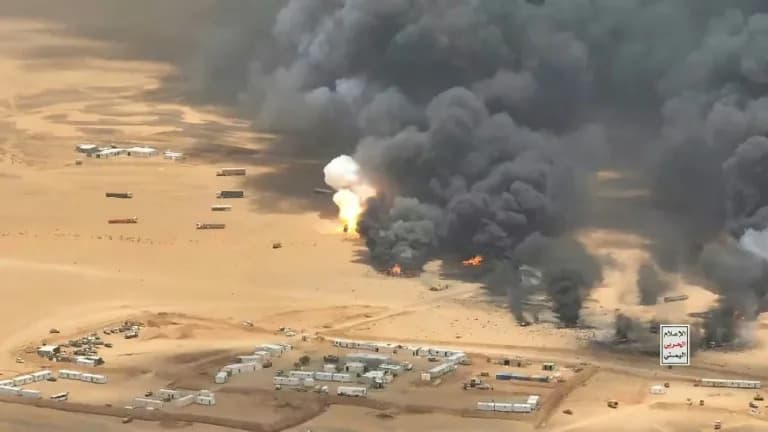
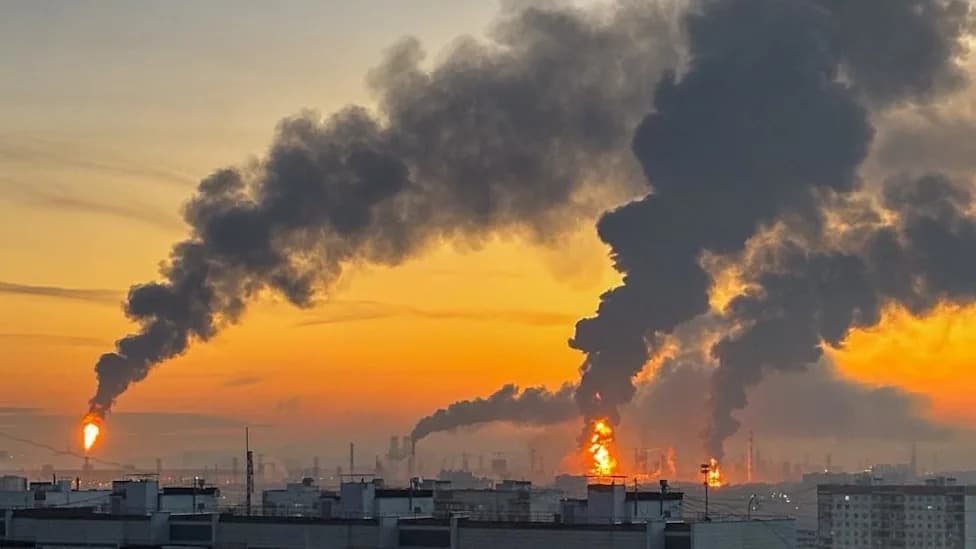
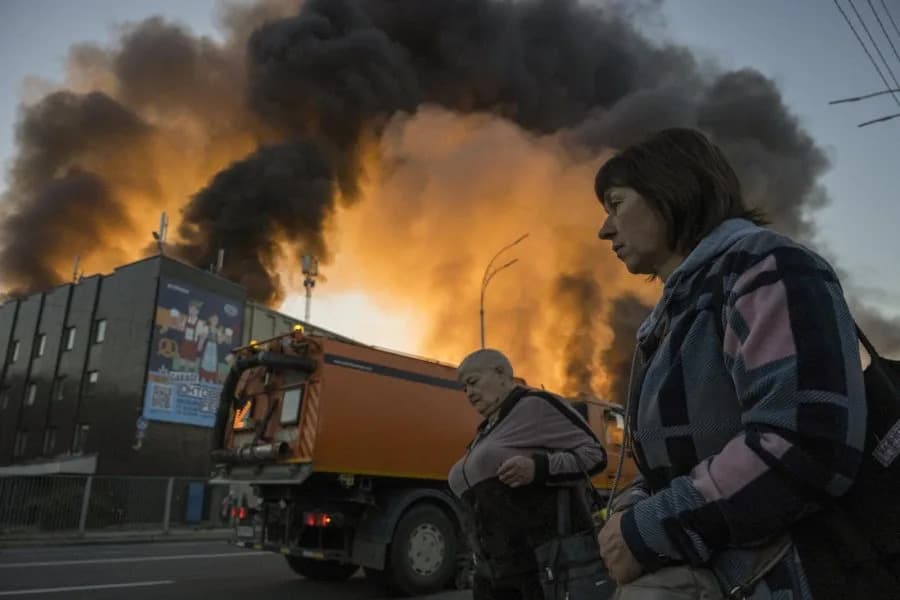
Video and imagery from Sept. 19, 2026, showed plumes of black smoke near Riyadh's international airport and a large column rising from a fuel-storage area at King Khalid International Airport after reported strikes. The Houthis said the operations were retaliatory, citing what they called "continued aggression" by Saudi forces and alleged indiscriminate bombing around Sana'a.
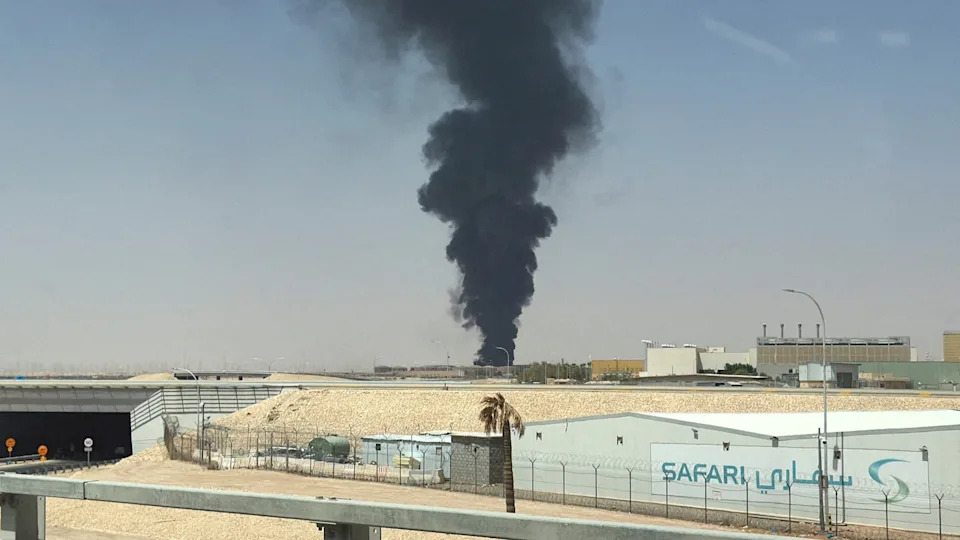
Stringer/Reuters - PHOTO: Large plume of black smoke rises from the fuel storage area at King Khalid International Airport, in Riyadh, Saudi Arabia, September 19, 2026.
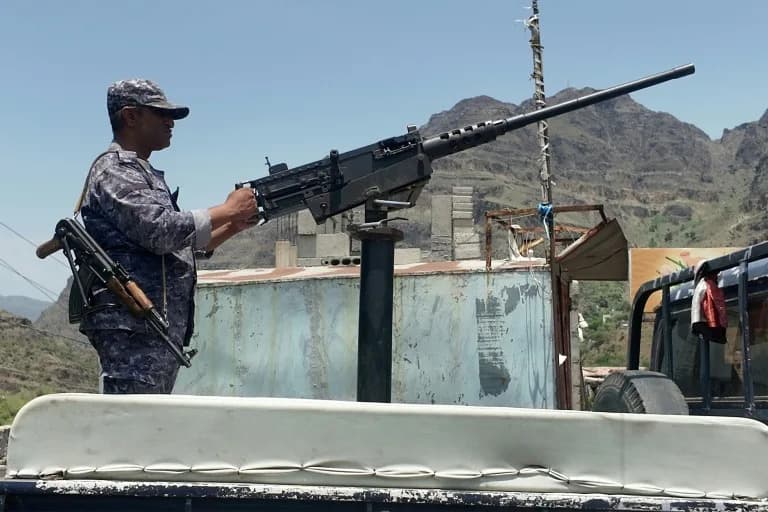
Saudi-led coalition spokesman Major General Turki Al-Maliki said Royal Saudi Air Defense Forces intercepted a Houthi ballistic missile fired toward Riyadh and thwarted attempts to strike Yanbu, Baish, Taif and Farasan. The General Directorate of Saudi Civil Defense issued safety alerts in Riyadh, Al-Kharj, Farasan, Khamis Mushait, Yanbu, Jeddah and Taif; most were lifted shortly after officials declared the immediate danger had passed.
Diplomacy and Political Signals
Diplomatic efforts earlier in the year included delegations from Washington and Tehran that met in June to pursue a memorandum-of-understanding–based deal intended to halt hostilities. Those talks later collapsed amid continued exchanges of strikes. President Donald Trump announced on Feb. 28 that the U.S. had launched "major combat operations" against Iran and later warned in August of a "crushing economic operation" if Tehran did not relent.
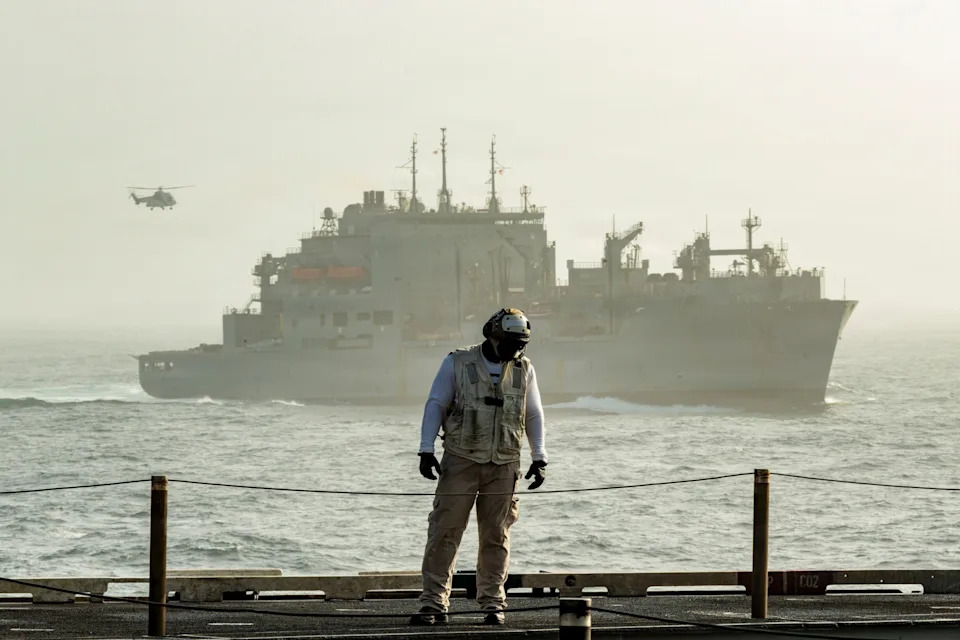
US Navy - PHOTO: A U.S. Navy sailor on the USS George Washington participates in a replenishment-at-sea evolution in the Arabian Sea, Aug. 22, 2026.
Mohsen Rezaei, secretary-general of Iran's National Security Council, told Al Jazeera that Tehran seeks an end to fighting between Saudi Arabia and Yemen and reiterated commitment to the late leader's fatwa that forbids the production of nuclear weapons, while stopping short of ruling out future changes. Rezaei said Iran has not yet decided to leave the Treaty on the Non-Proliferation of Nuclear Weapons (NPT) and that any decision would depend on Washington's conduct; he added that Iran has passed conditions to U.S. intermediaries, including Qatar and Pakistan, seeking the lifting of a naval blockade and an end to hostilities on all fronts.
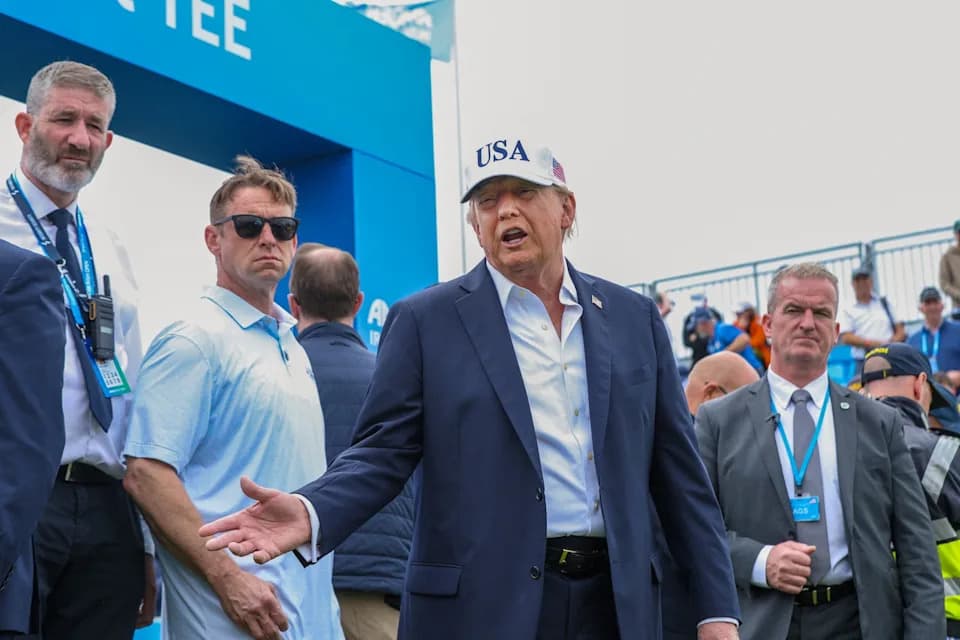
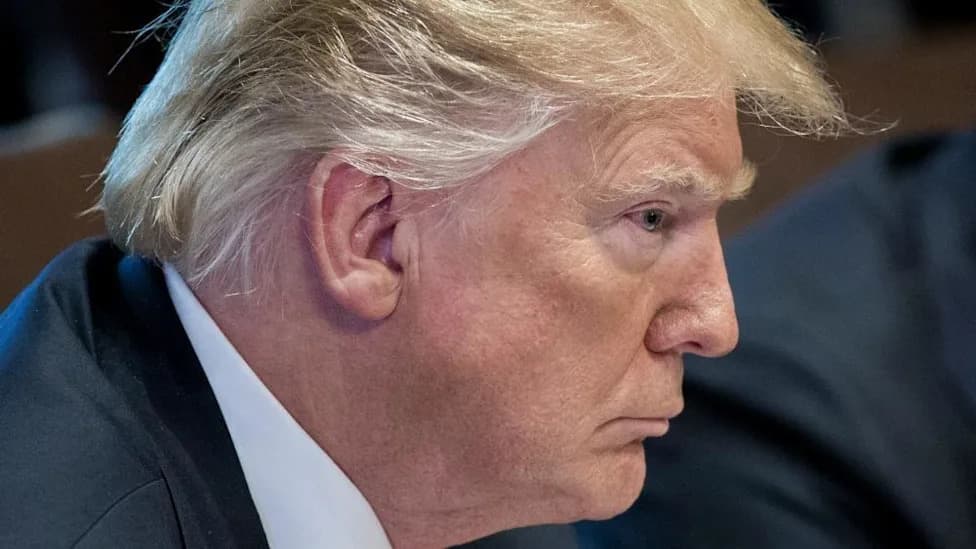
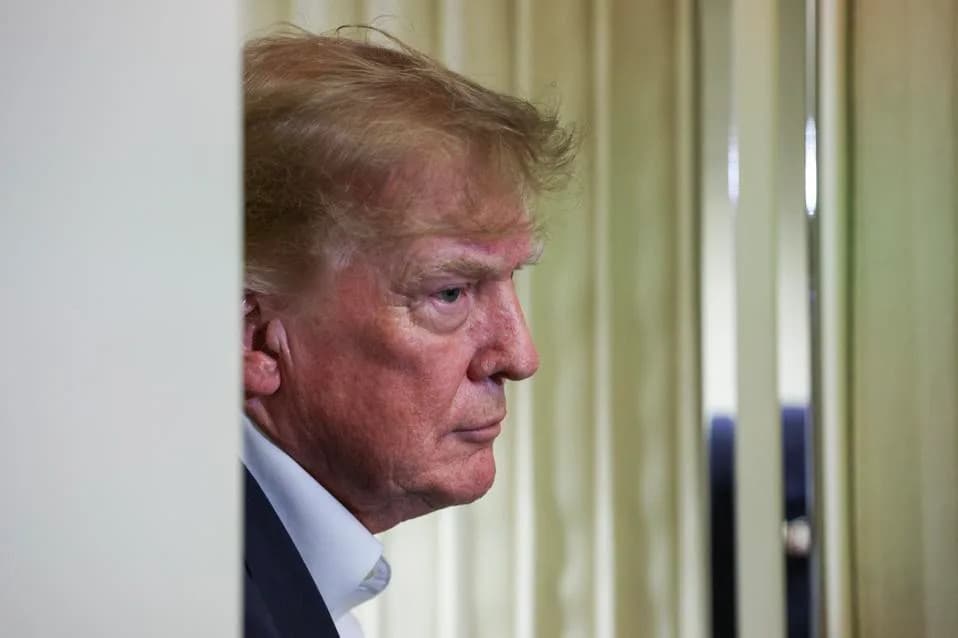
In separate comments, President Trump said in a recent NewsNation interview that U.S. officials are "talking" with the Houthis and suggested the group may be open to a deal, but added any agreement must meet U.S. interests. He also reiterated that he faces a "big decision" on whether to take more extreme action against Iran.
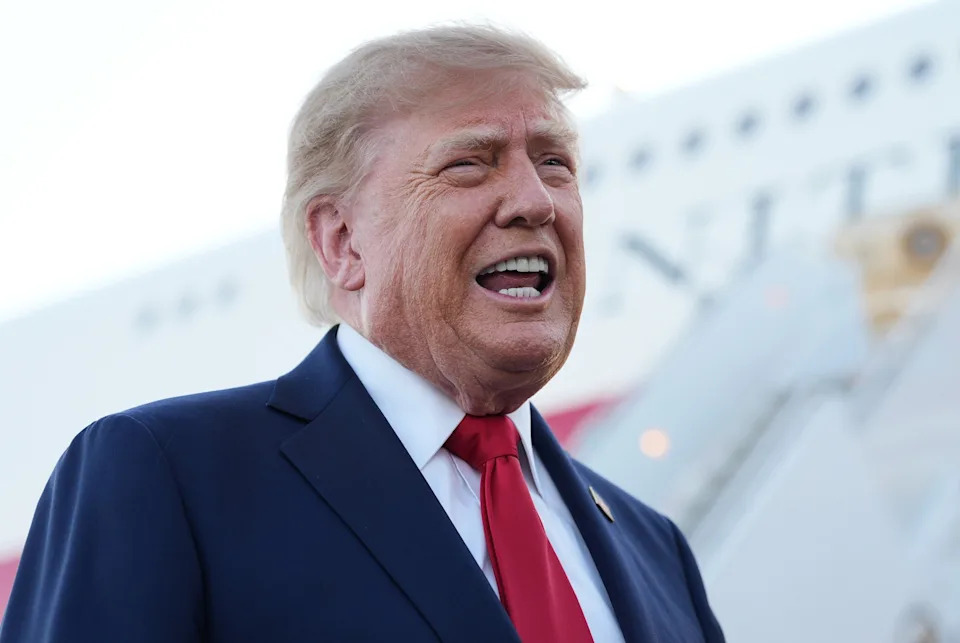
Alex Brandon/AP Photo - PHOTO: President Donald Trump speaks to reporters at Charlotte Douglas International Airport, Sept. 16, 2026, in Charlotte, N.C.
Costs, Military Incidents and Market Impact
U.S. defense officials briefed lawmakers that the war with Iran had cost at least $43.3 billion as of Sept. 3, 2026, according to estimates from U.S. Central Command. That total included roughly $4.3 billion to replace destroyed military equipment and about $28 billion spent on munitions, though it did not fully account for damage to buildings on U.S. bases. The nonpartisan Congressional Budget Office has projected the conflict could cost at least $2 billion per month and rise if fighting intensifies.
Energy markets have reflected heightened regional risk: diesel averaged around $6.43 per gallon and national regular gasoline averaged roughly $4.47 per gallon, according to GasBuddy. Global crude prices held above $100 per barrel, with Brent near $103 and WTI near $102.
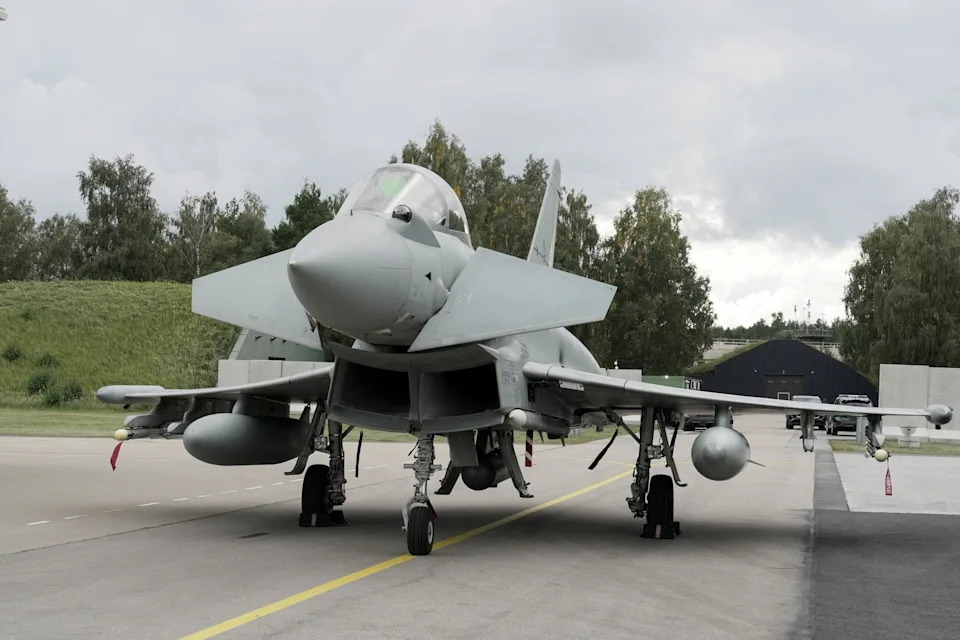
Janis Laizans/Reuters - PHOTO: An Italian Air Force Eurofighter Typhoon fighter jet is pictured at the Siauliai air base, in Siauliai, Lithuania, on Sept. 15, 2026.
Italian Defense Minister Guido Crosetto confirmed that an Italian Eurofighter Typhoon (F-2000) was "hit" during an attack on King Fahad (Taif) Air Base, though he reported no additional damage to vehicles or infrastructure used by Italian personnel stationed there. The ministry did not assign responsibility for the strike.
State Department Advisory: The U.S. State Department issued a security alert advising Americans in the Middle East to exercise heightened vigilance and warning of potential flight cancellations, airspace closures and travel disruptions. It urged those outside the region to seriously reconsider travel to and through parts of the Middle East.
Outlook
With diplomatic channels, intermediary communications and intermittent talks continuing, the situation remains volatile. Further strikes, miscalculation or expanded involvement by regional allies could rapidly escalate the conflict and deepen its humanitarian, economic and security consequences.
Help us improve.