Pope Leo XIV, elected May 8, 2025, has shifted from a reserved public persona to a more assertive leader, addressing migration, corruption and the ethics of artificial intelligence. His May encyclical, "Magnifica Humanitas", urges AI to respect human dignity and has sparked wide interest beyond the Church. A former missionary in Peru and a seasoned Vatican insider, he blends pastoral experience with diplomatic engagement and modern communication skills.
Pope Leo XIV: The First U.S. Pope Finds His Voice — From Missionary Roots to an AI Ethic
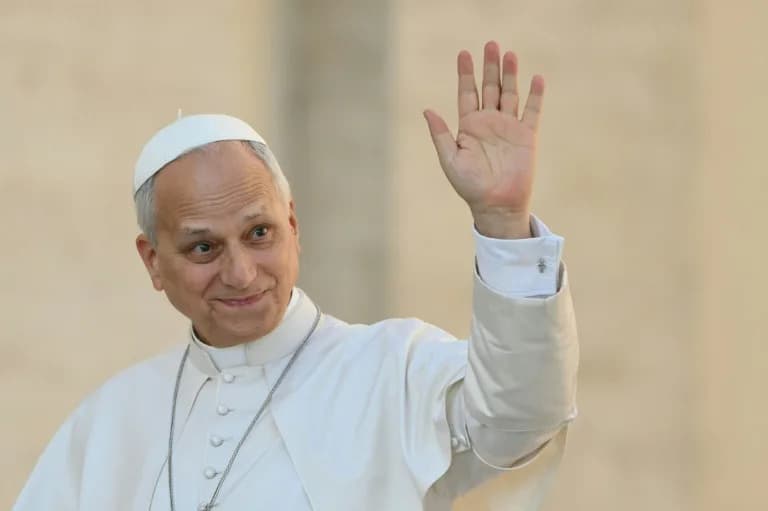
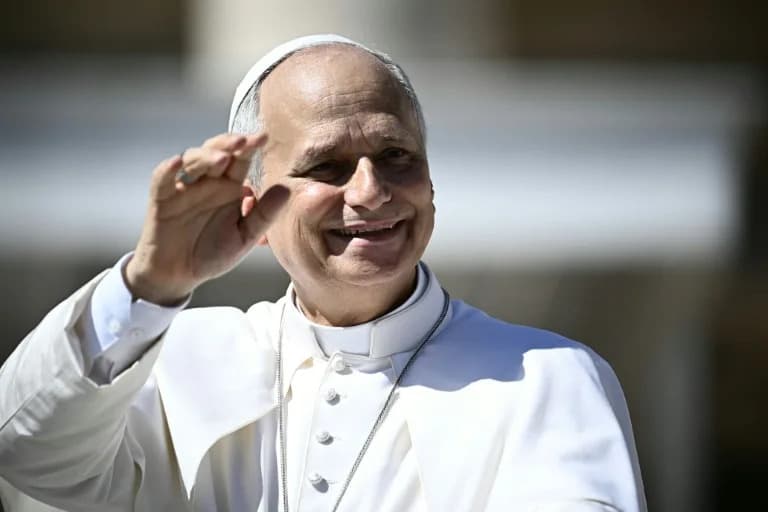
Soft-spoken, calm, and methodical, the pope who turned 71 this month has gradually revealed a more vocal side (Alberto PIZZOLI)
Measured and conciliatory, Pope Leo XIV has steadily shaped the tone of Catholic leadership since his election on May 8, 2025. The man born Robert Francis Prevost in Chicago brought to the papacy decades of pastoral experience in Peru and deep institutional knowledge of the Vatican and Roman Curia. In the year and a half since, his priorities — from migration and corruption to the ethics of artificial intelligence — have become clearer as he balances a restrained style with growing public engagement.
Background and Early Ministry
Born September 14, 1955, Prevost was ordained in 1982 and joined the Order of Saint Augustine, which he later led from 2001 to 2013. Sent as a missionary to Peru in 1985, he spent more than two decades immersed in local communities and eventually served as apostolic administrator of the Chiclayo diocese. Elevated to the cardinalate in 2023 while heading the Dicastery for Bishops, Prevost developed a reputation in the Roman Curia as an effective mediator between progressive and conservative voices.
Finding a Voice
Soft-spoken, methodical and composed, the 267th pope has gradually revealed a more assertive public presence. Observers note that he combines pastoral sensitivity with an aptitude for modern communication. Martin Dumont, secretary-general of the Research Institute for the Study of Religions at the Sorbonne, says Leo XIV “wins people over,” adding that, as an American, he quickly mastered the codes of contemporary media.
“At first he seemed almost withdrawn, and eventually we saw the character reveal himself,” Martin Dumont told AFP.
Technology, Ethics and the New Encyclical
In May, Leo published his first encyclical, "Magnifica Humanitas", which calls for artificial intelligence to be placed at the service of human dignity. The document draws on the pope's scientific and technical interests — he has been described as someone with a knack for mathematics, mechanics and computing — and has resonated beyond Catholic circles, sparking debate among ethicists, technologists and faith leaders.
Diplomacy and Social Advocacy
On the international stage, Leo has continued Pope Francis’s emphasis on peace, offering the Holy See’s good offices as a potential mediator between Moscow and Kyiv while adopting a firmer public tone about Russia’s invasion. He has also denounced corruption in speeches directed at long-standing African leaders and urged European governments to better receive, protect and integrate migrants.
Style, Personal Life and Public Image
Outside formal theology and diplomacy, the pope’s approachable manner — interests in tennis, swimming and the Chicago White Sox, and even wearing a smartwatch beneath his cassock — emphasizes a modern, relatable image. His public stance against authoritarian populism, including pushback against sharp personal attacks from U.S. political figures, has added to his profile as a moral counterweight in turbulent political times.
Recent and Upcoming Travel
After visits to Africa in April and Spain in June, Pope Leo XIV is scheduled to travel to France from September 25 through 28, continuing an active program of pastoral and diplomatic engagements.
Summary: As a bridge-builder with deep pastoral experience and a growing public voice, Pope Leo XIV aims to anchor his pontificate in the major transformations of our era — especially technology, social justice and peacemaking.
Help us improve.