Iran says it is ready to resume nuclear-focused negotiations after mediated indirect talks in Oman, insisting on its NPT rights and the right to civilian enrichment. Tehran rejects a U.S. military build-up near its waters while senior commanders warn an attack could spark a wider regional war. Domestic unrest continues amid economic hardship and contested death tolls from recent protests, with claims of arrested medical staff and students contradicted by judicial statements.
Iran Ready for Nuclear-Only Talks, Rejects U.S. Military Build-Up as Tensions and Domestic Unrest Persist
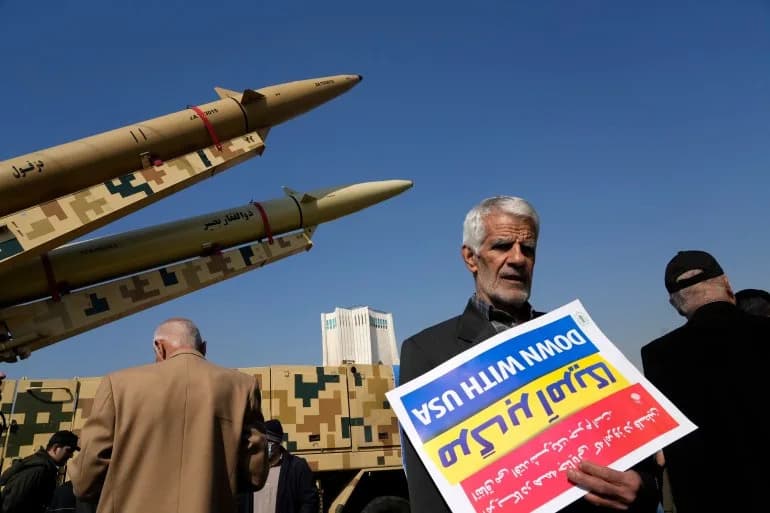
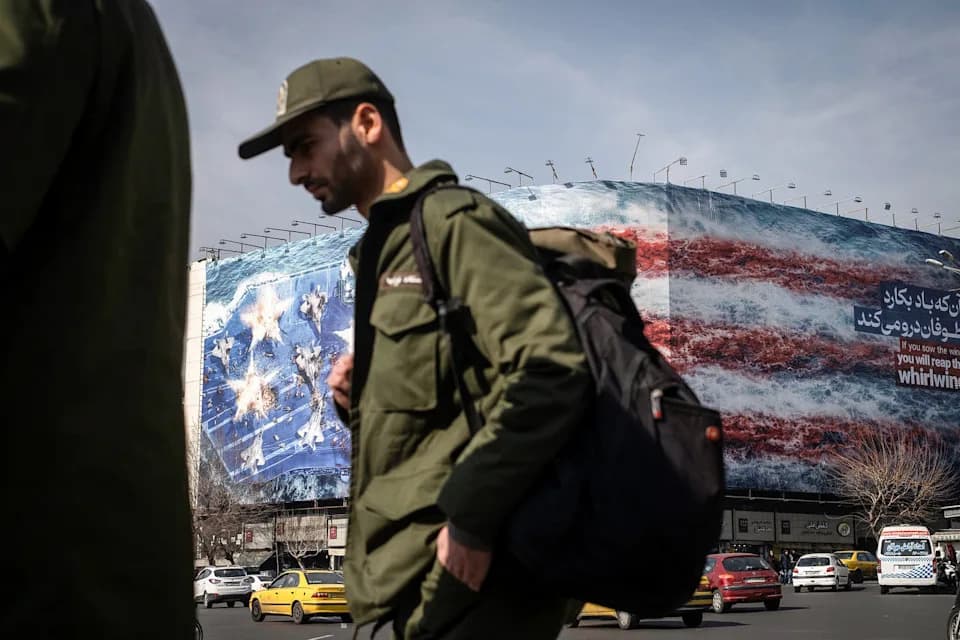
A man carries an anti-US placard upside down in front of the Iranian-made missiles displayed in the annual rally commemorating Iran’s 1979 Islamic Revolution in Tehran, February 11, 2024 [File: Vahid Salemi/AP]
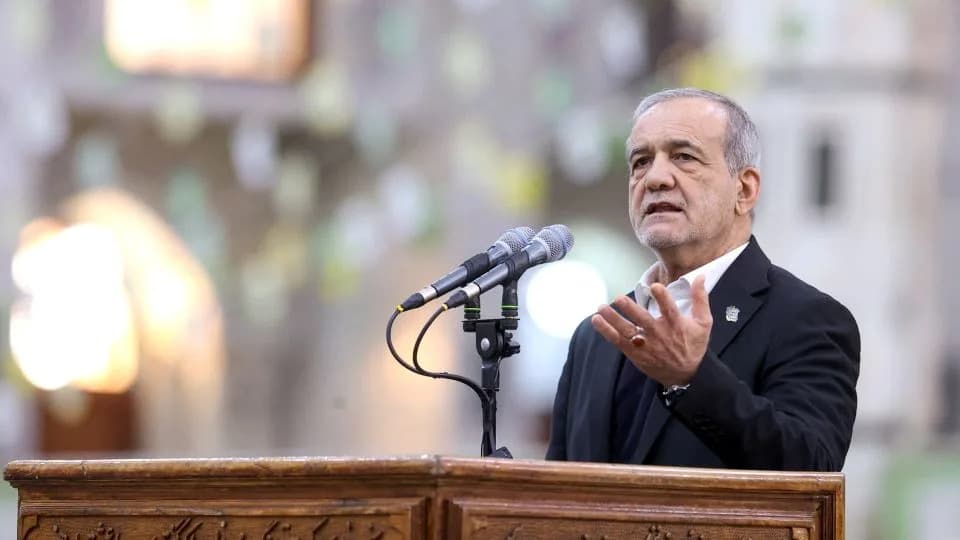
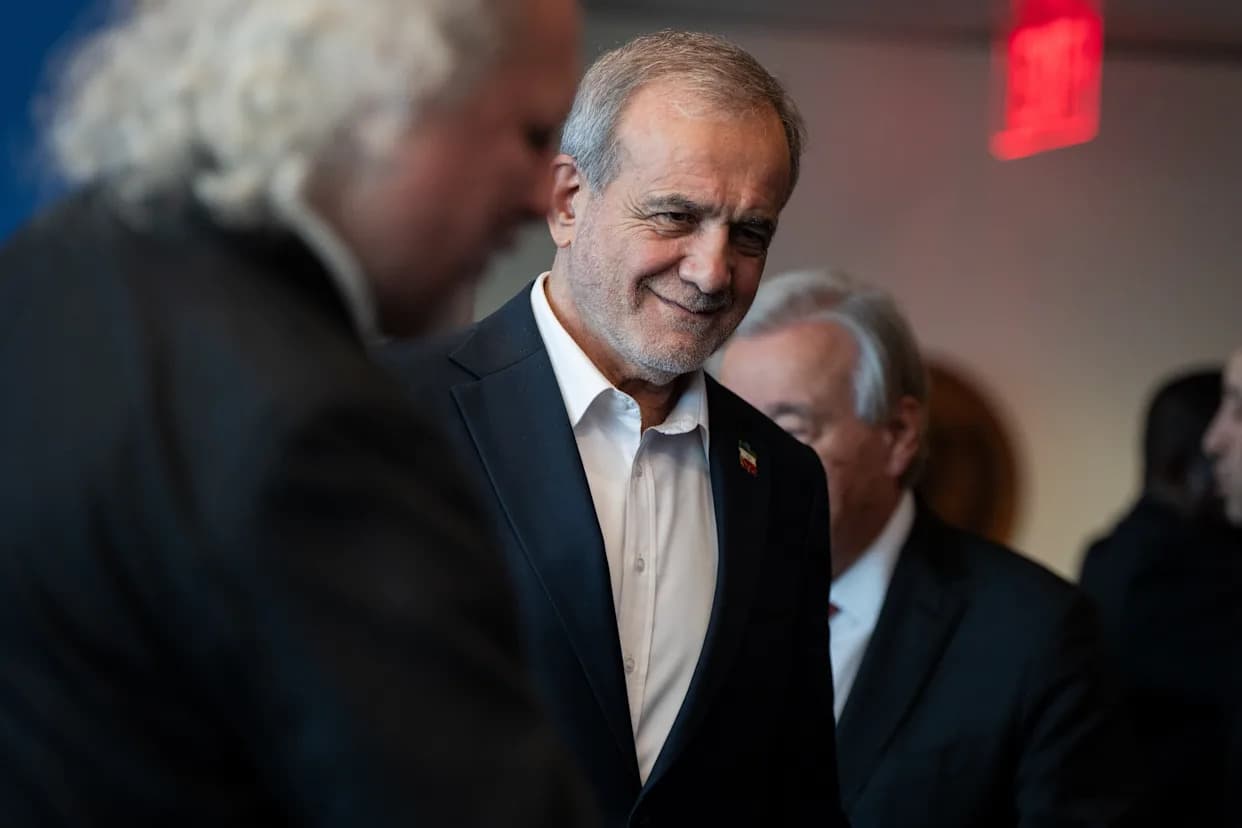
Tehran — Iran’s President Masoud Pezeshkian urged the United States to treat Tehran with respect as the two countries prepare for another round of nuclear-focused negotiations next week following indirect, mediated talks in Oman.
Writing on X, Pezeshkian said Iran’s position on its nuclear programme is grounded in rights enshrined by the Non-Proliferation Treaty (NPT).
“The Iranian nation has always responded to respect with respect, but cannot withstand the language of force,” he wrote.
Pezeshkian described the Oman talks as a “step forward” and said his government favours dialogue. Iranian officials reiterated a preference for negotiations confined to nuclear issues while firmly rejecting any U.S. military build-up in the region.
Diplomatic Messaging and Regional Tensions
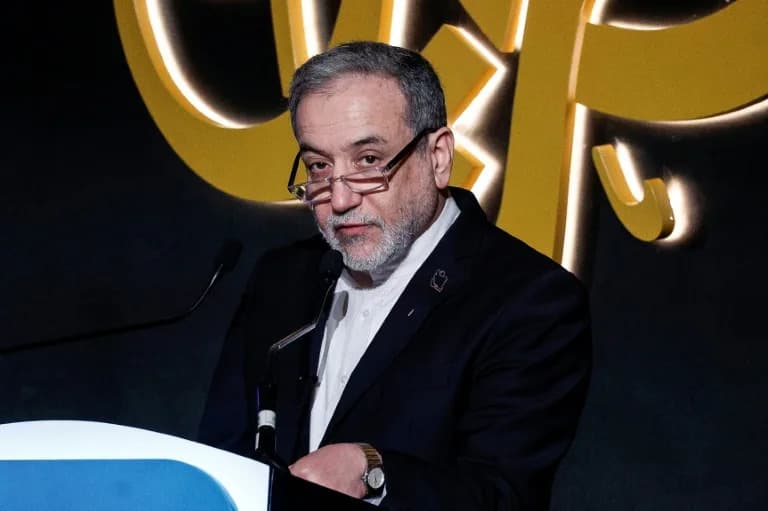
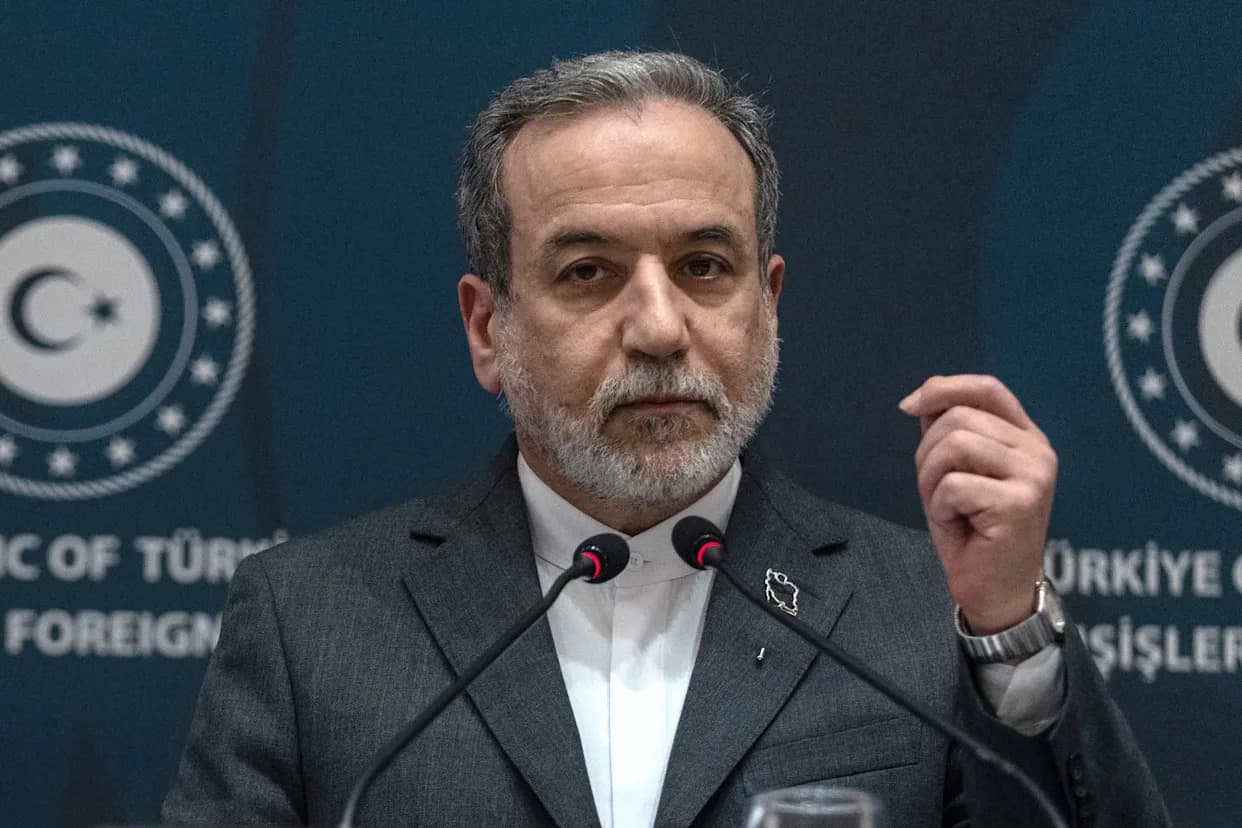
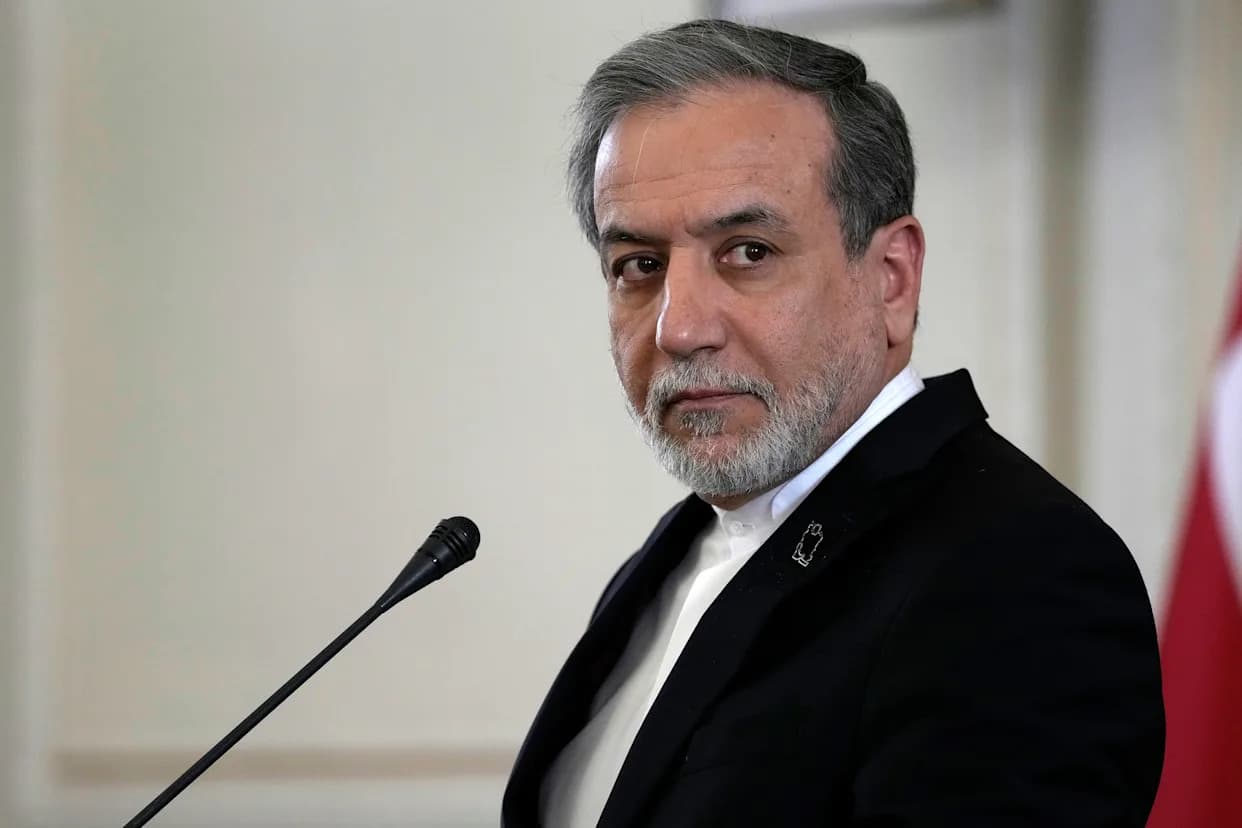
At a forum hosted by Iran’s Ministry of Foreign Affairs, senior diplomat Abbas Araghchi stressed that national sovereignty and independence remain central themes since the 1979 revolution that toppled the U.S.-backed monarchy. He warned that Iran will not abandon civilian nuclear enrichment even if doing so increases the risk of strikes by the U.S. or Israel.
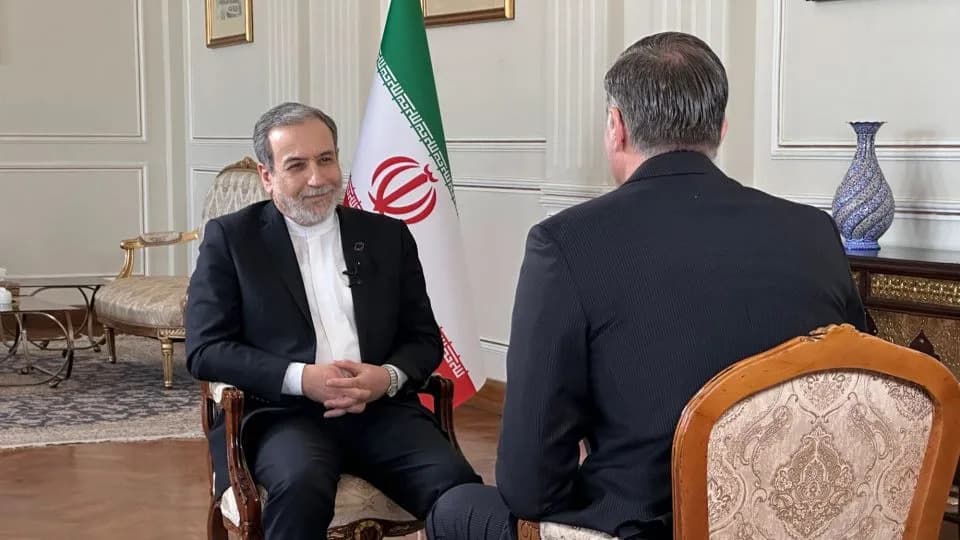
“No one has the right to tell us what we must have and must not have,” Araghchi said, while also telling U.S. envoys in Muscat that “there is no way but negotiations.” He added that China and Russia had been briefed on the Muscat discussions.
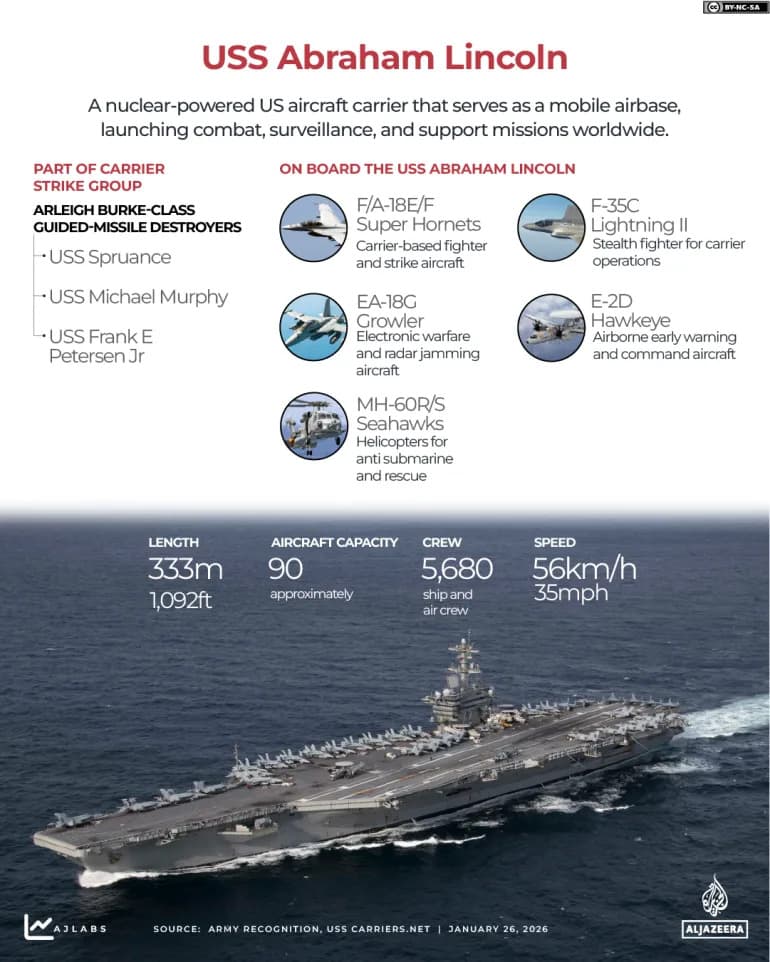
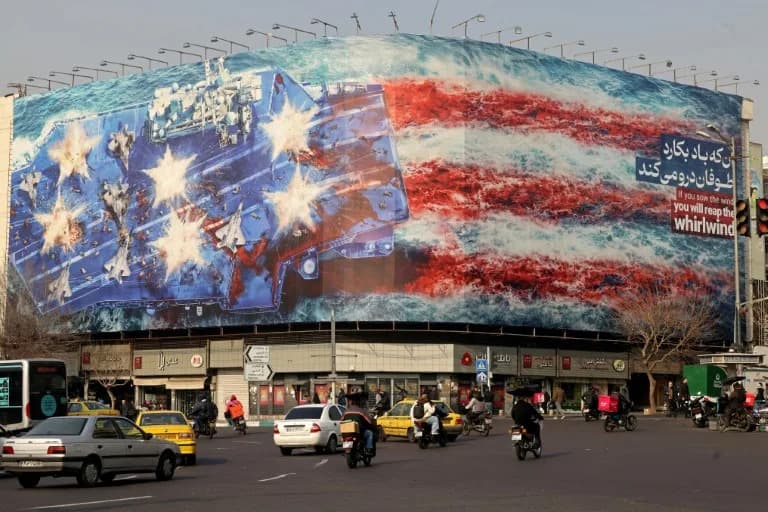
Araghchi criticised what he called fear-mongering over U.S. naval deployments — described by former U.S. President Donald Trump as a “beautiful armada” — calling fear “lethal poison” in the current climate.
Military Warnings
Major General Abdolrahim Mousavi, Iran’s top military commander, warned that an attack on Iran would ignite a broader regional conflict. Speaking to air force and air-defence personnel, he stressed Tehran’s desire to avoid war while asserting Iran’s preparedness for prolonged confrontation if necessary.
“While being prepared, we genuinely have no desire to see the outbreak of a regional war,” Mousavi said, adding that consequences of a regional conflict would fall on those he called the warmongers in the U.S. and the “Zionist regime,” a reference to Israel.
Domestic Unrest and Human Cost
At home, many ordinary Iranians express scepticism that talks with Washington will yield economic relief. The country faces severe inflation, a collapsing currency and widespread hardship that helped spark recent nationwide protests.
State media continues to air filmed confessions from detainees accused of working with foreign actors. One broadcast showed detained suspects alleging they were led by an individual who received weapons and funds from Mossad operatives in Erbil.
Authorities blame foreign governments for instigating unrest, while international human rights organisations and exiled opposition groups accuse state forces of responsibility for a large number of protest-related deaths. Reported fatality figures vary widely: the Iranian government cites 3,117 deaths; the Human Rights Activists News Agency (HRANA) has documented nearly 7,000 fatalities and is investigating more than 11,600 cases; and the U.N. special rapporteur on Iran has suggested that the toll could be far higher as information emerges despite internet filtering. Al Jazeera said it could not independently verify these figures.
There have also been widespread reports that dozens of medical staff were arrested after treating injured protesters; Iran’s judiciary denied mass arrests of medical personnel, saying only “a limited number” were detained for alleged participation in riots. Tens of thousands were reportedly detained overall, including students and schoolchildren; the Ministry of Education later said it believed detained schoolchildren had been released.
Teachers’ unions and families continue to memorialise victims online. A video titled “200 Empty School Desks” was circulated to highlight schoolchildren and teenagers killed during the unrest, and social media campaigns urging international attention have drawn significant engagement.
Outlook
Iran signals a willingness to confine upcoming talks to the nuclear file while simultaneously warning against foreign military pressure. Negotiations, regional deterrence postures, and unresolved domestic grievances leave the trajectory uncertain — with potential diplomatic openings tempered by serious humanitarian concerns and the risk of escalation.
Help us improve.