U.S. officials say the Trump administration has not defined clear military objectives in Iran as delegations prepare for talks in Muscat on Friday. President Trump has warned Iran following claims that U.S. strikes in June 'wiped out' three nuclear sites, but there is no internal consensus on post-strike plans or an end state. The U.S. has deployed an aircraft carrier strike group and other assets to the region while diplomacy continues; Iran insists talks be limited to the nuclear file.
Trump’s Iran Objectives Remain Unclear Ahead Of Muscat Talks; U.S. Military Buildup Continues
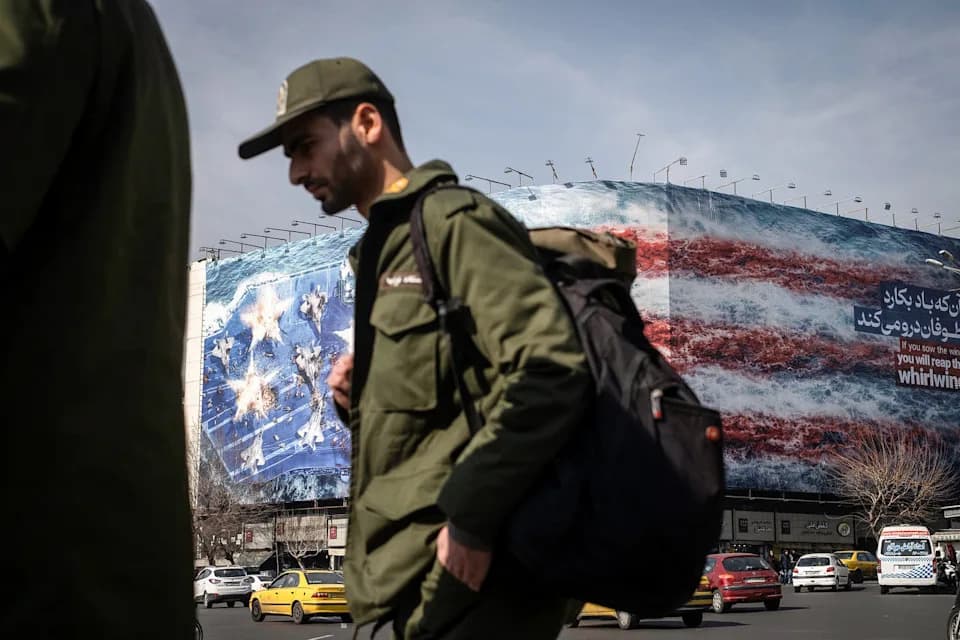
An Iranian soldier walks past a state building wrapped with a giant anti-U.S. billboard downtown Tehran, Iran, on Jan. 28, 2026. (NurPhoto / via Getty Images)(NurPhoto)
Washington — Senior Trump administration officials say the White House has not yet defined clear military objectives regarding Iran as U.S. and Iranian delegations prepare to meet Friday in Muscat, Oman, in an effort to avert open conflict.
Uncertain Goals, Tightening Timetable
Although President Trump has publicly left open the possibility of pursuing regime change in Tehran, two U.S. officials told reporters he has not settled on specific, publicly stated objectives for any potential military campaign. Officials also say there is no agreed post-strike roadmap or internal consensus on what role the United States would play after any such operation.
President’s Comments and Claims
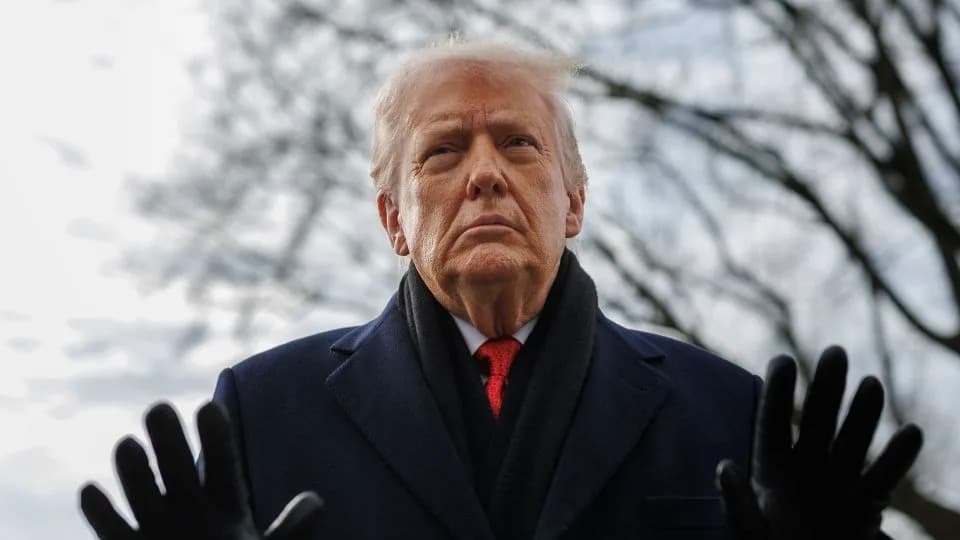
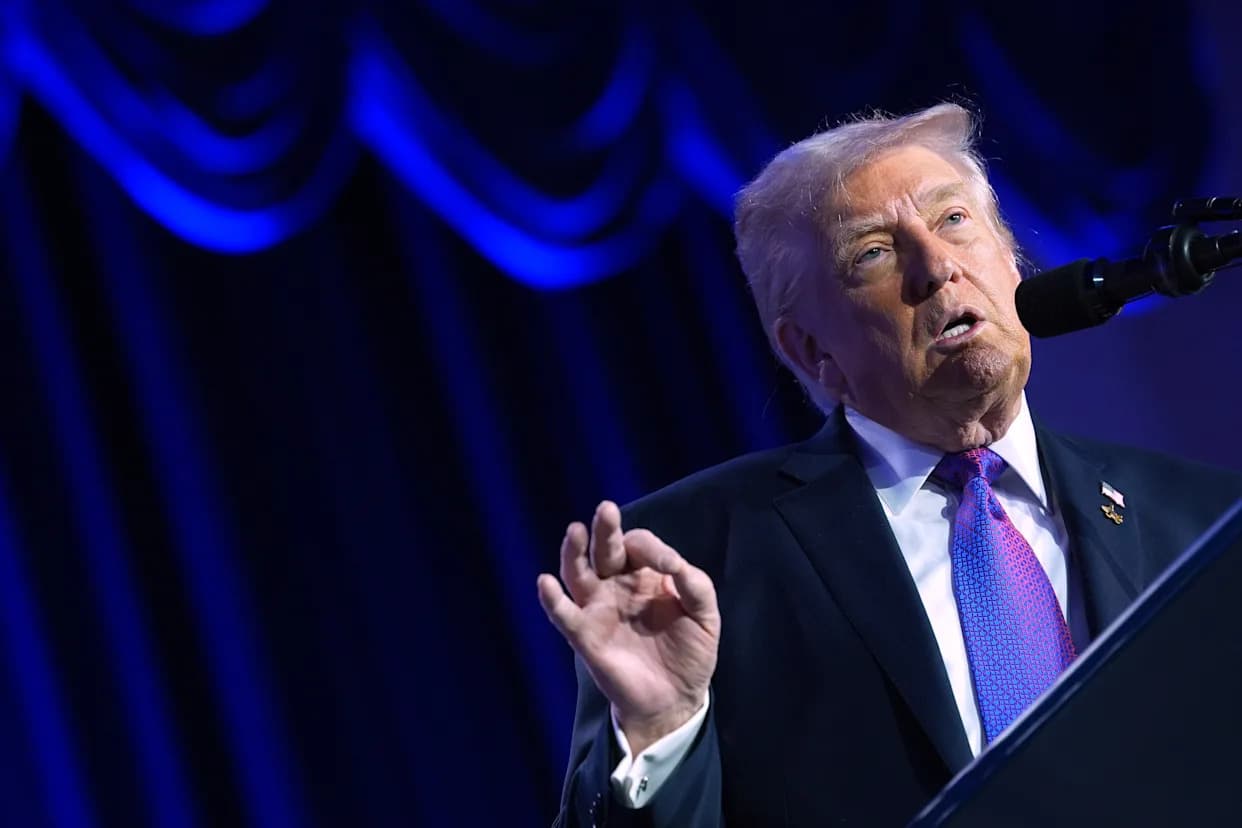
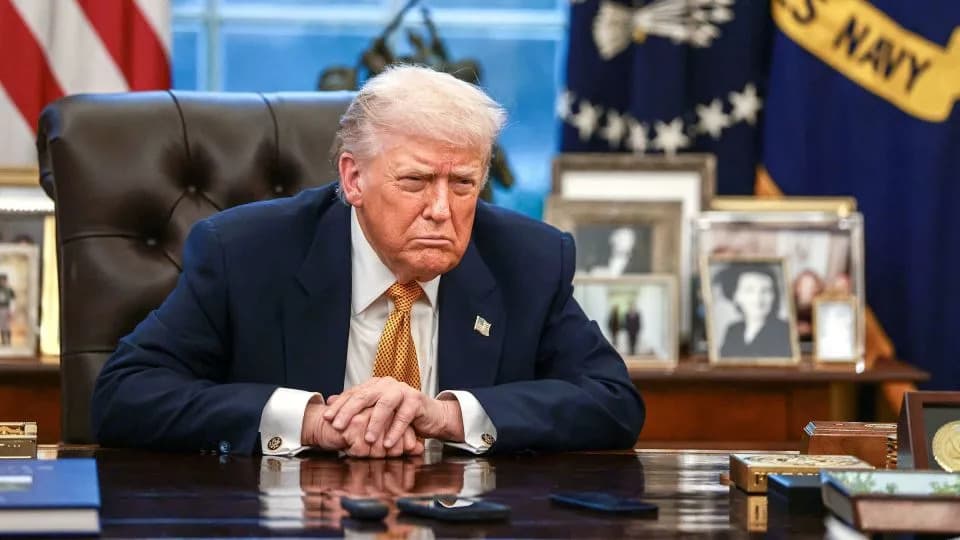
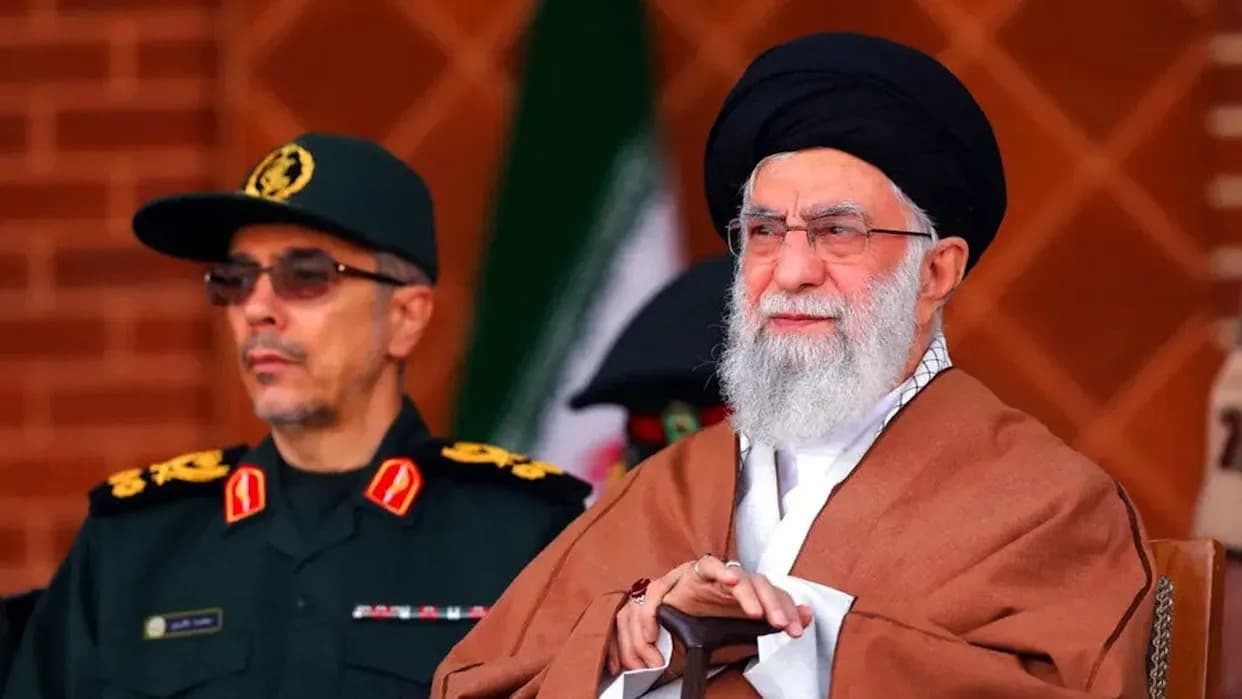
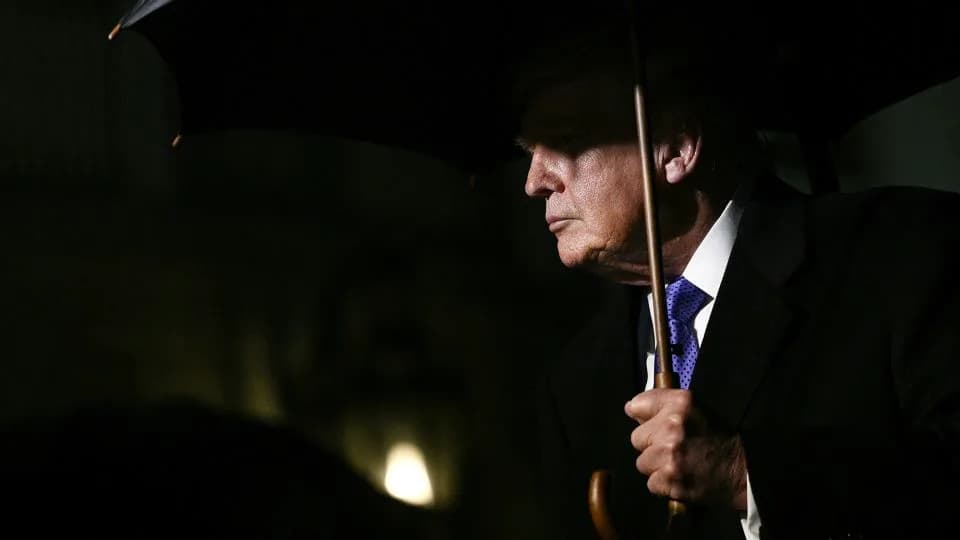
Asked in an interview with NBC News whether Iran’s supreme leader should be worried, President Trump said: 'I would say he should be very worried, yeah. He should be.' He also told NBC that he learned Iran may be trying to reconstitute its nuclear program after, he said, U.S. forces 'wiped out' three nuclear sites in June.
Mr. Trump warned Iran against establishing new nuclear sites and said: 'We found out about it. I said, "You do that, we're gonna do very bad things to you."' These assertions are the president's public statements and are reported as such by U.S. officials and media outlets.
Diplomacy In Muscat
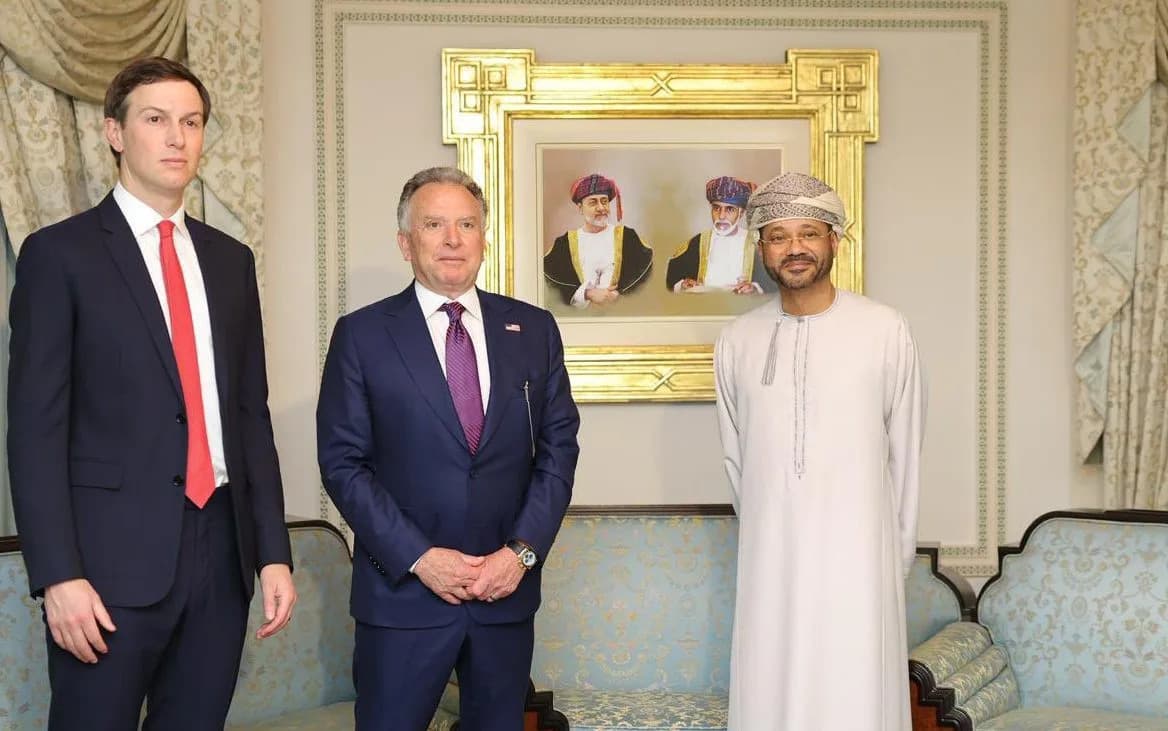
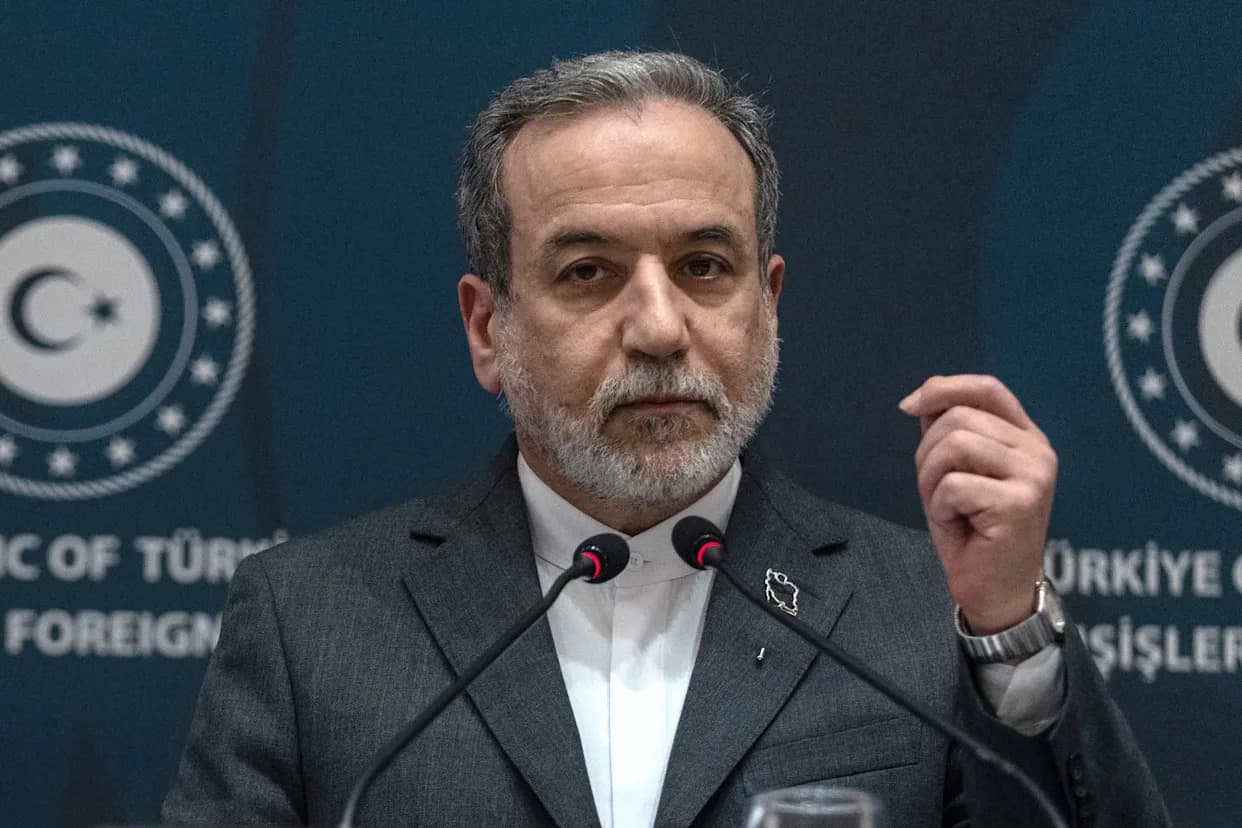
U.S. and Iranian delegations are scheduled to meet Friday in Muscat. Steve Witkoff, the president's special envoy, is expected to lead the U.S. team, according to U.S. officials. Iranian Foreign Minister Abbas Araghchi announced the talks on X, saying only that 'nuclear talks with the United States are scheduled to be held in Muscat at 10am Friday.'
Sen. Marco Rubio said the discussions should not be limited to the nuclear file and urged negotiators to address ballistic missiles, Iran's support for regional proxies and 'the treatment of their own people.' Iran has consistently rejected negotiations that extend beyond its nuclear program, which Tehran maintains is for peaceful purposes.
Military Posture And Incidents
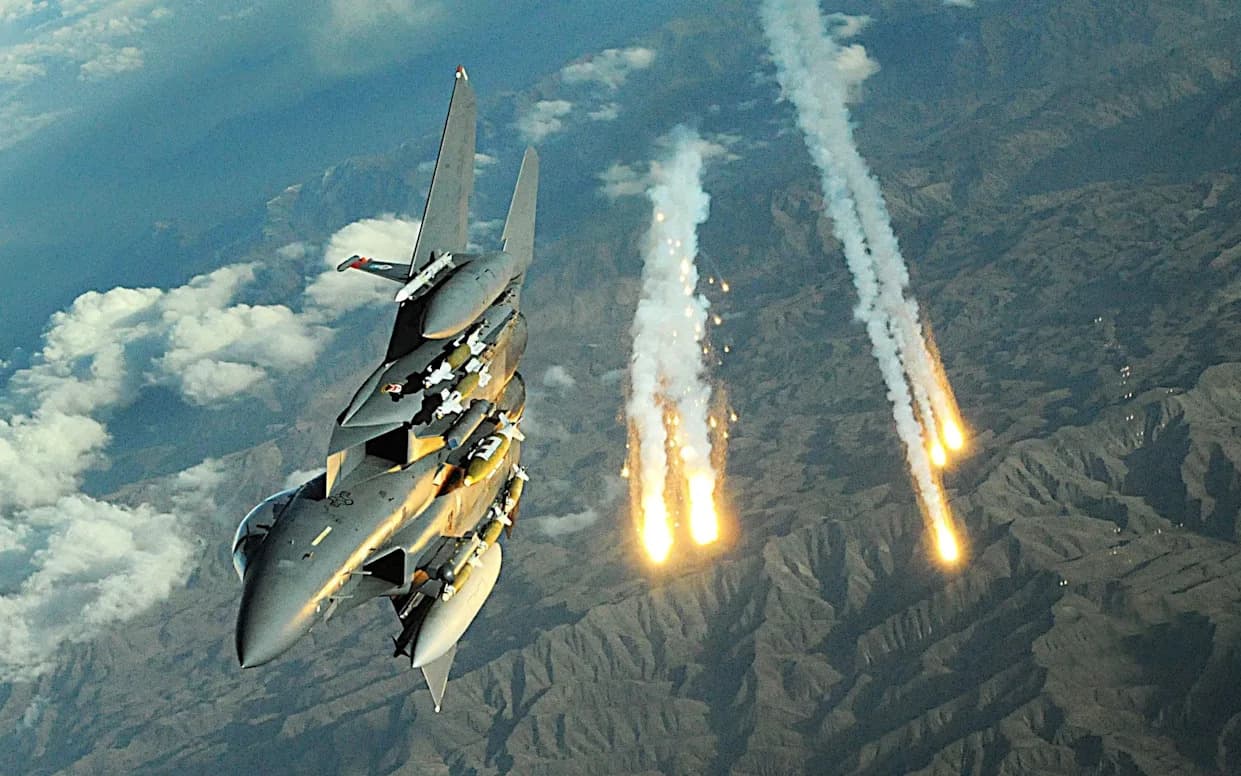
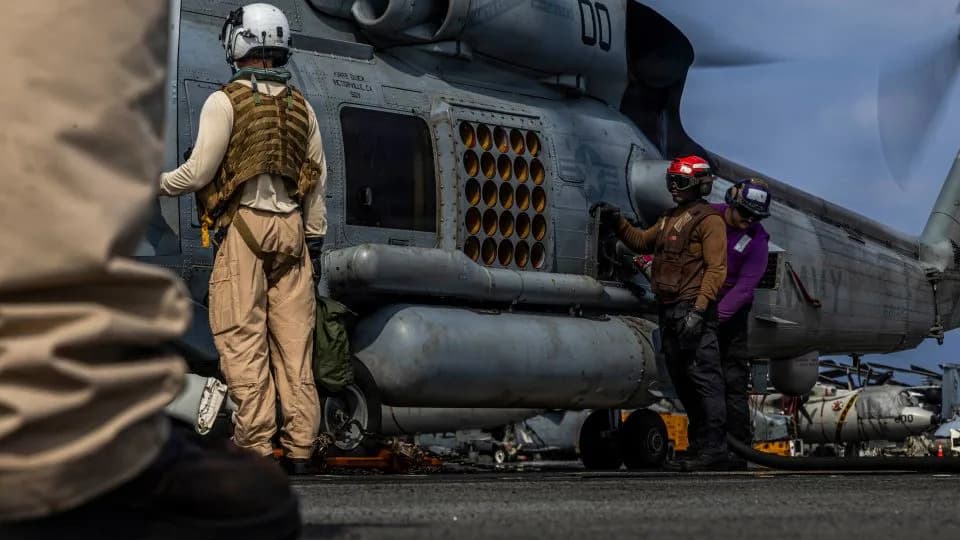
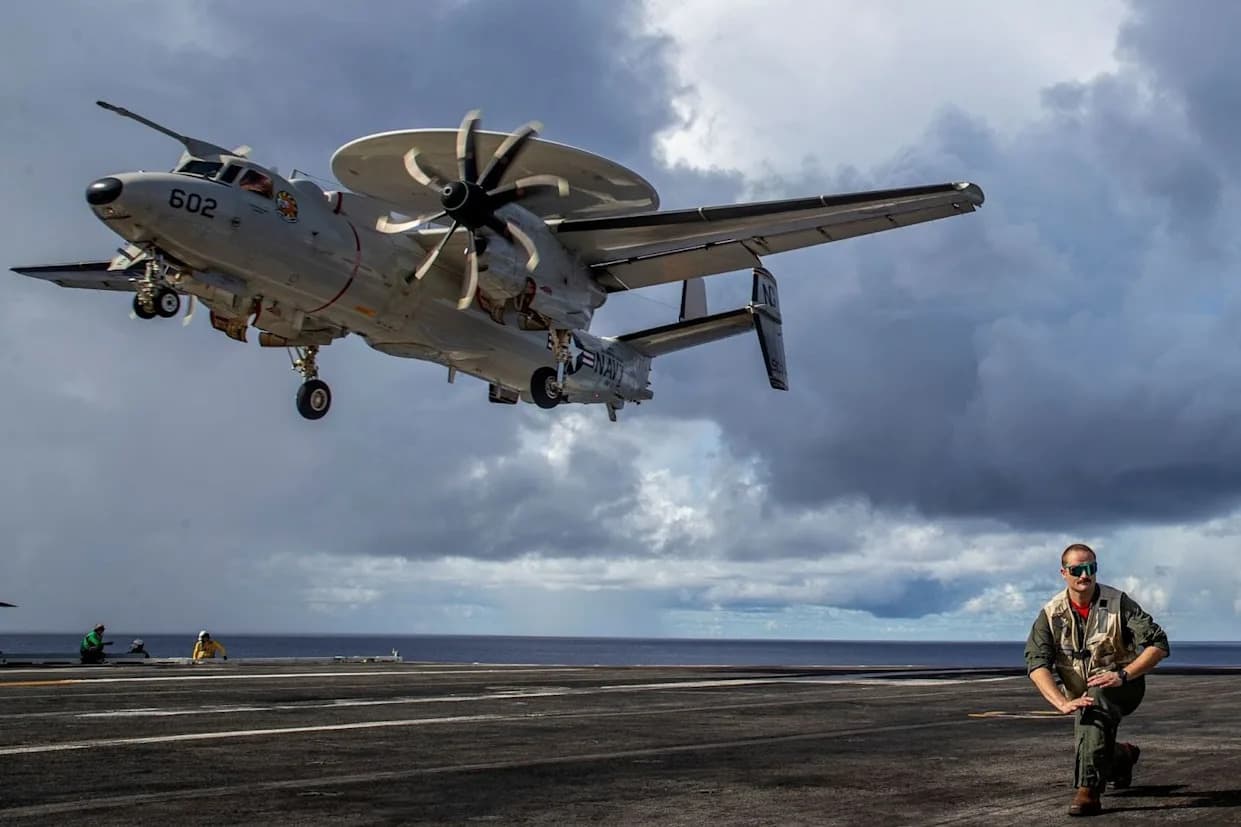
The United States has moved aircraft, air-defense systems and an aircraft carrier strike group — centered on the USS Abraham Lincoln — into the region. Officials say the deployments are intended to deter further escalation, though Trump administration sources also view the military presence as leverage for diplomacy.
Recent incidents have heightened tensions: U.S. forces shot down an Iranian Shahed-139 drone that the Pentagon said was flying 'aggressively' toward the Abraham Lincoln, and U.S. officials reported that two boats from Iran's Islamic Revolutionary Guard Corps approached and threatened a U.S.-flagged merchant vessel in the Strait of Hormuz before the situation de-escalated. U.S. officials also say more than 450 Tomahawk cruise missiles are positioned on ships in the theater.
Political Context And Outstanding Questions
The administration's ambiguity about end states — whether to seek the overthrow of Iran's clerical leadership, to significantly weaken Tehran, or to extract strict limits on nuclear and missile programs — has raised concern among U.S. allies in the Gulf and Israel. Some Gulf partners reportedly have said they would not permit U.S. forces to use their airspace or bases for an attack on Iran without clear objectives or consultation.
As talks approach, key questions remain: what specific demands Washington will present, whether Iran will accept negotiations beyond the nuclear dossier, and what concrete plans exist should diplomacy fail. For now, the U.S. military posture and diplomatic effort proceed in parallel as officials attempt to both deter escalation and create space for negotiations.
This article was originally reported by NBC News and has been edited for clarity and context.
Help us improve.