Israeli authorities returned dozens of Palestinian bodies and human remains to Gaza without identifying information, Palestinian medical officials say. The ICRC handed over 120 body bags containing 54 bodies and 66 separate skull samples to forensic teams at Al Shifa Hospital, where several remains were reported to show signs of mutilation. Families continue to search for missing relatives using blurred images and improvised identification centres while rights groups raise concerns about deaths in custody and the need for independent investigations.
‘Inconsolable’: Gaza Families Seek Answers After Israel Returns Unidentified Palestinian Remains
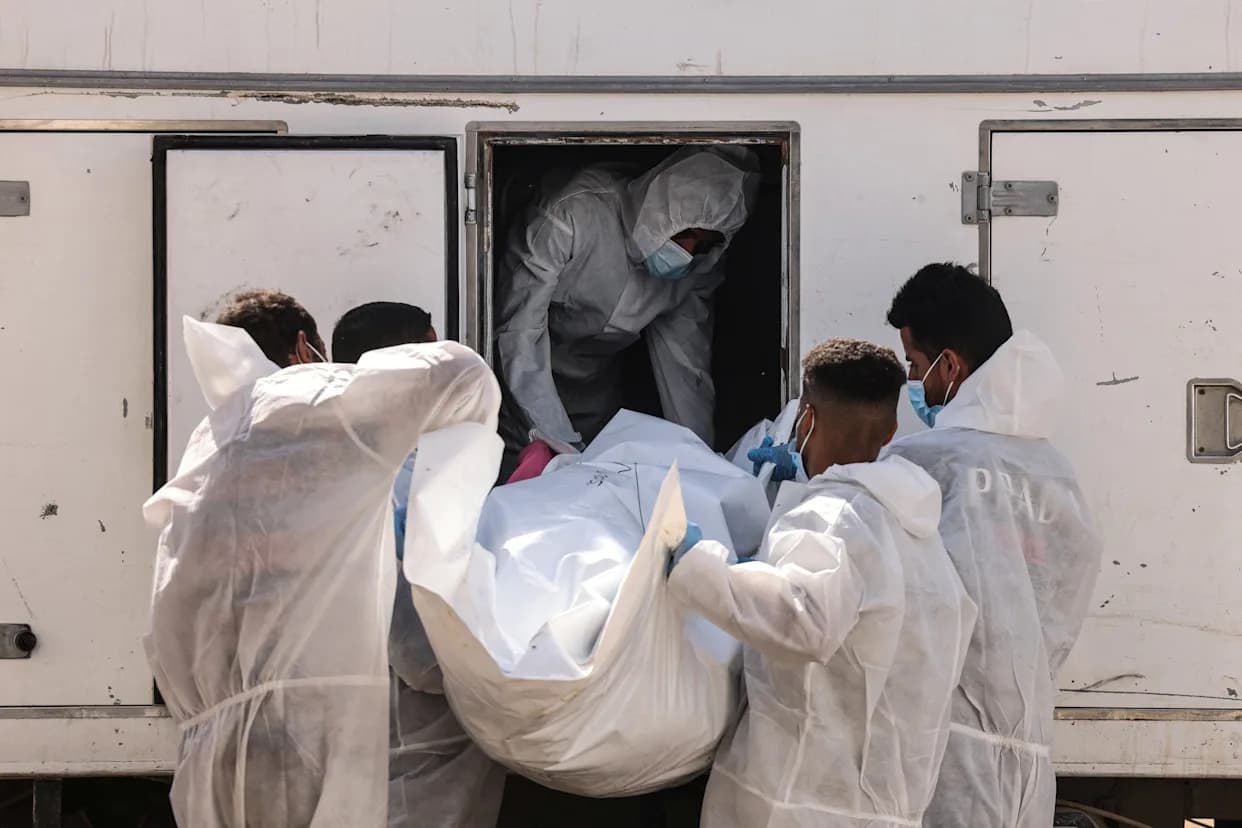
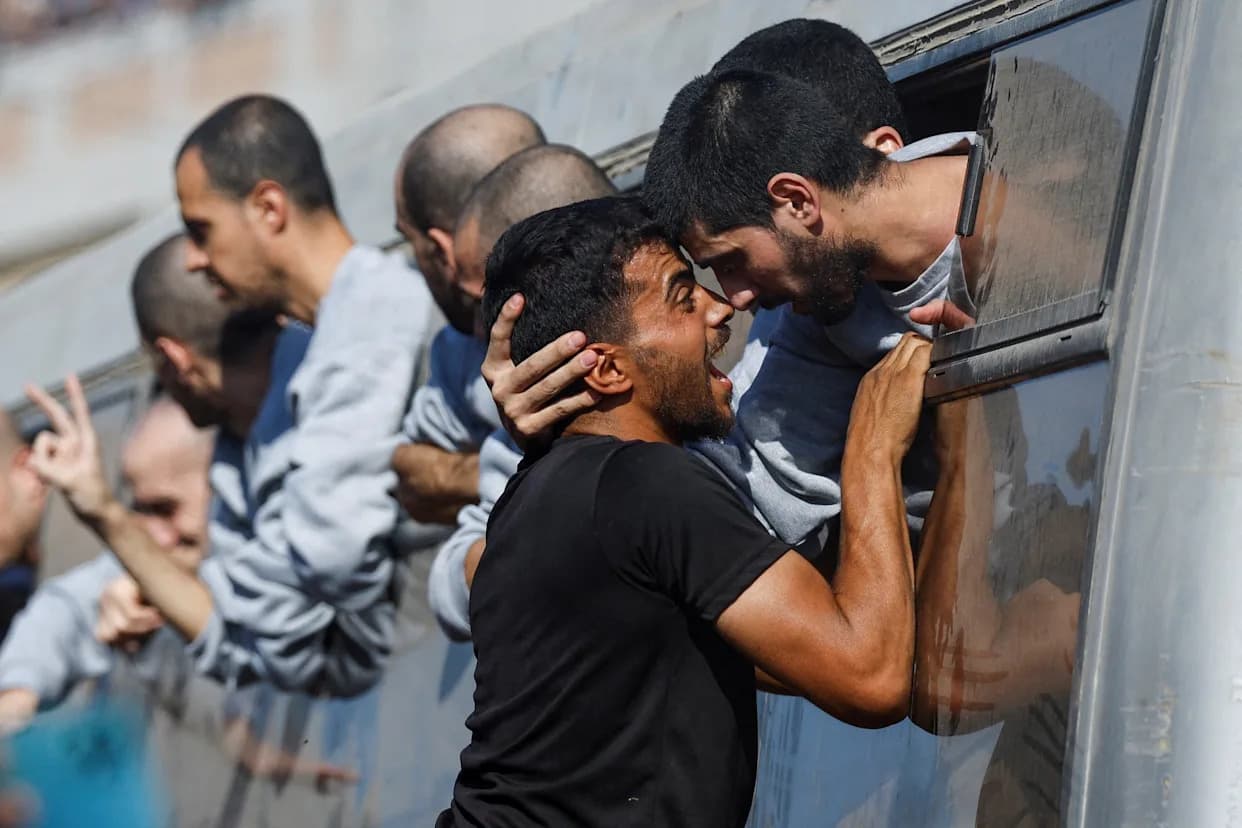
Employees of Gaza's Nasser Medical Complex unload bodies of Palestinian prisoners in Khan Younis, southern Gaza [File: AFP]
Dozens of Palestinian bodies and human remains were returned to Gaza this week without identifying information, Palestinian medical officials said, leaving families desperate for answers.
The remains arrived at Al Shifa Hospital in Gaza City on Wednesday in plain white bags. Forensic teams at the hospital have begun examinations to determine identities and causes of death, a slow process that has prolonged relatives' anguish.
“The bags carry the weight of lives lost. Now they’re undergoing examination, prolonging the grief of families desperate for closure,” Al Jazeera’s Ibrahim al-Khalili reported from Al Shifa Hospital.
Numbers and Allegations
Forensic official Omar Suleiman told Al Jazeera that the International Committee of the Red Cross (ICRC) handed over 120 body bags that contained 54 bodies, along with 66 separate bags containing skull samples. Palestinian medics reported that several of the remains showed signs of mutilation.
“The International Committee of the Red Cross handed over 120 body bags containing 54 bodies as well as skull samples placed in 66 separate bags,” said Omar Suleiman.
Previous exchanges of bodies have revealed evidence of severe abuse in some cases, and rights groups say a number of Palestinians have died in Israeli custody. In November, the organisation Physicians for Human Rights–Israel published a report stating that at least 94 Palestinian detainees died in Israeli custody, citing causes including torture, medical neglect, malnutrition and physical assault, while warning the actual toll could be higher.
Families Searching For Closure
For many families, the search for missing relatives has shifted from the streets and rubble to computer screens and improvised identification centres. At Al Shifa, relatives scroll through blurred and graphic images, hoping to recognise features that could reveal what happened.
Shadi al-Fayoumi told Al Jazeera that his brothers have been missing for 10 months after disappearing in the Tuffah neighbourhood. He said he visited Al Shifa Medical Complex after being told there were bodies he could try to identify, but the images were unclear and lacked distinguishing features.
“How are we expected to identify them under these conditions?” al-Fayoumi asked. According to him, his brothers went out searching for food and water during last year’s famine and never returned.
Al Jazeera’s al-Khalili reported that al-Fayoumi’s mother has been "inconsolable," and that the children of the missing remain silent, fearful of voicing their worst fears. Relatives and medical staff say the lack of information about how the deceased died or how long they may have been detained compounds their grief.
Forensic Work And Unanswered Questions
Forensic teams are conducting examinations aimed at identifying the remains and documenting injuries, a critical step for families seeking closure and for any future investigations. Still, the process is hampered by limited resources, the condition of the remains and the absence of clear records handed over with the bodies.
The return of unidentified remains has renewed calls from human-rights groups and families for transparent, independent investigations and for better procedures to ensure dignity and information for the deceased and their relatives.
Help us improve.