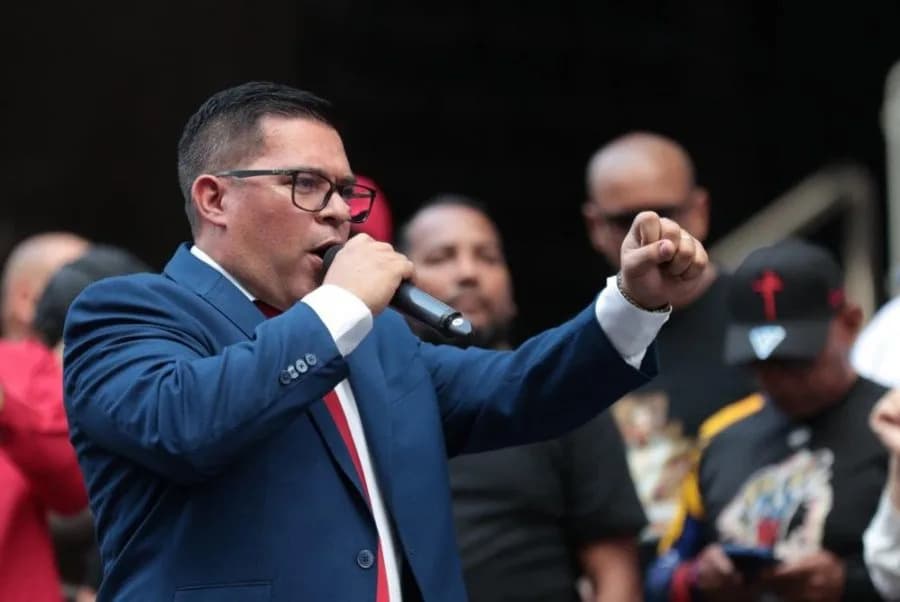
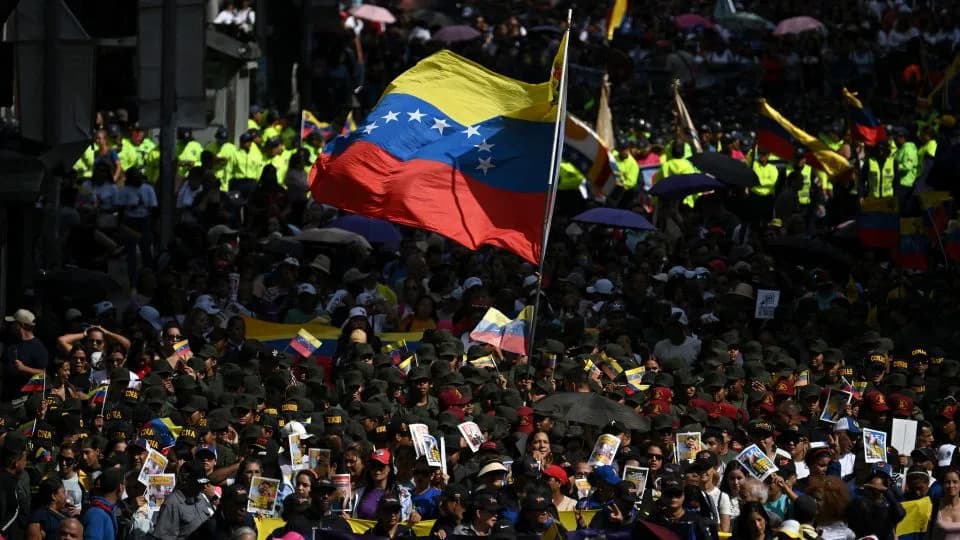
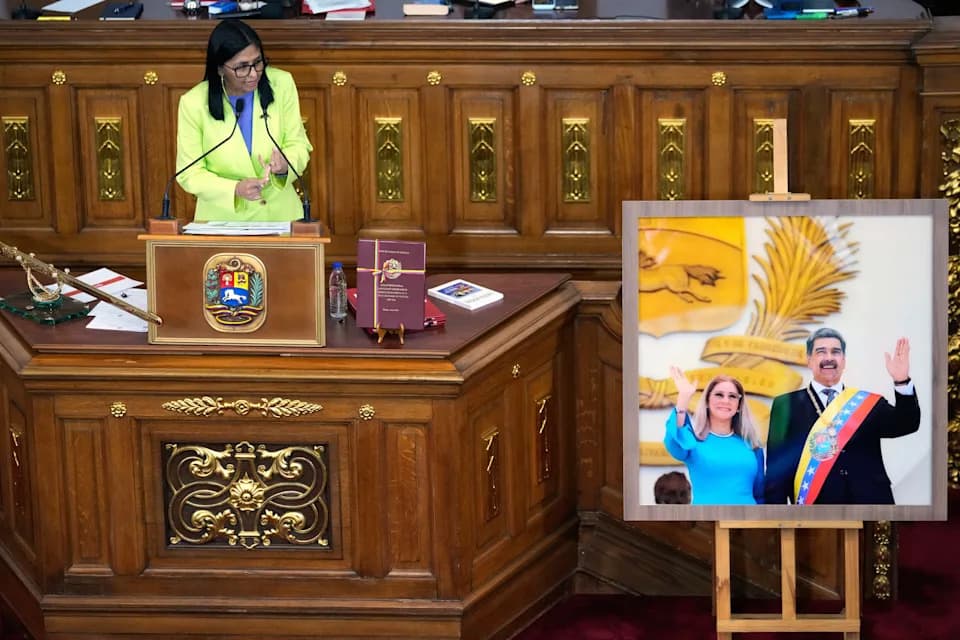
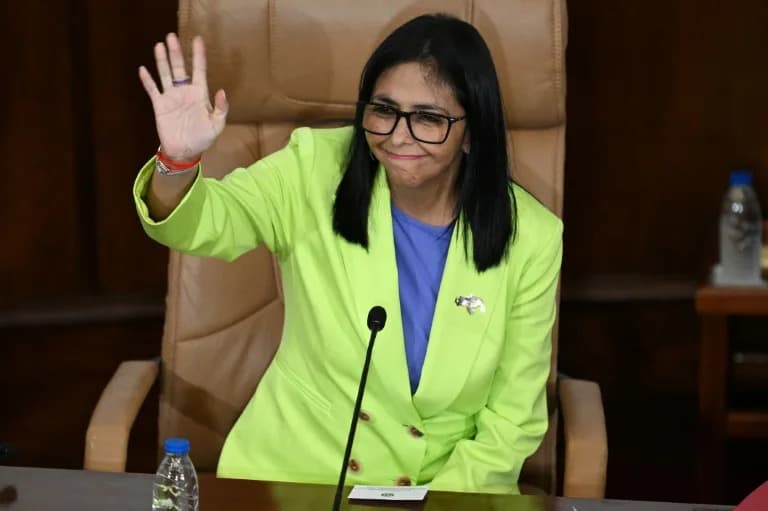
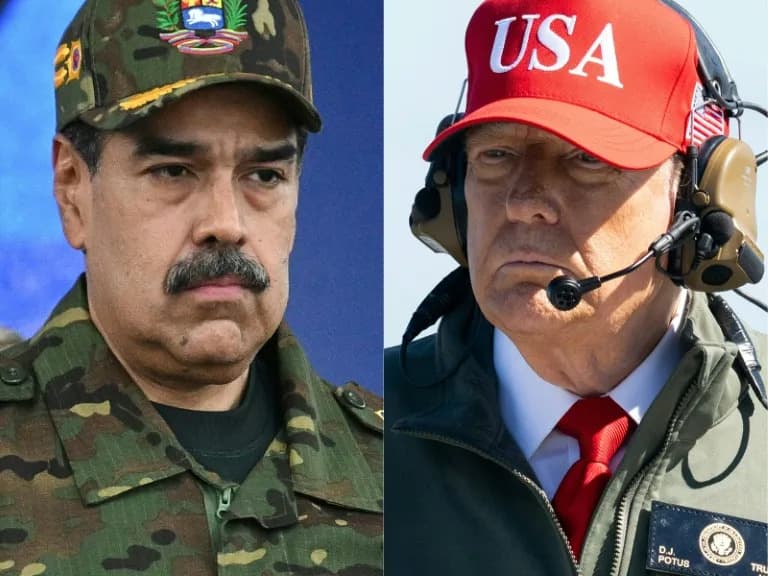
The PSUV is showing signs of erosion at the grassroots after the U.S. capture of President Nicolas Maduro, with local canvasses and interviews across four states indicating rising distrust, desertions and sharply lower attendance at party events. Venezuela's patronage system — cash bonuses and CLAP food parcels — appears strained in parts of Zulia, Aragua and Falcón, driving some members away. Political infighting, suspicion toward interim leader Delcy Rodriguez and reduced mobilization by colectivos compound the challenge, though a recent $500 million oil inflow could help revive party funding if broader economic recovery follows.
Distrust, Desertions and Shrinking Perks Erode Socialist Party’s Grip in Venezuela
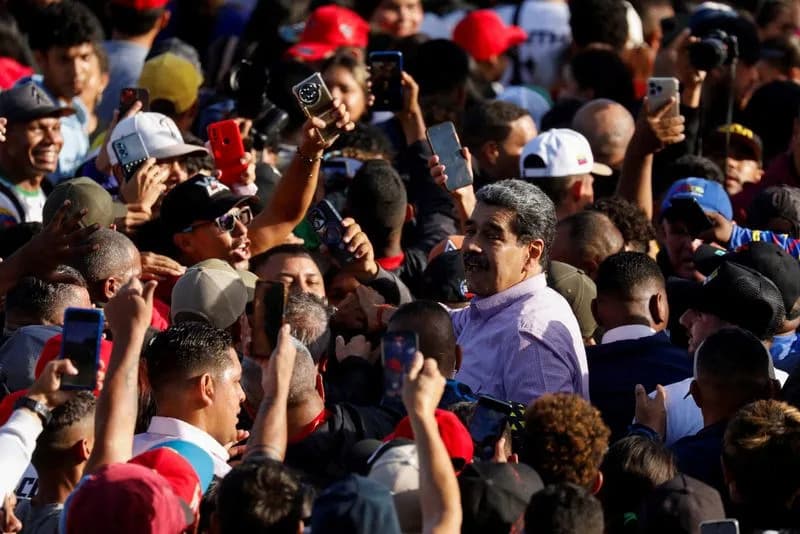
FILE PHOTO: Venezuela's President Nicolas Maduro greets supporters as he takes part in a march with young members of the United Socialist Party of Venezuela (PSUV) in Caracas, Venezuela, November 13, 2025. REUTERS/Leonardo Fernandez Viloria/File Photo
On the outskirts of Maracaibo, Venezuela's main oil city, local branches of the ruling United Socialist Party (PSUV) conducted door-to-door checks in the weeks after U.S. forces captured President Nicolas Maduro to gauge whether residents still backed the party that has governed for nearly two decades. Canvassers reported that roughly half of those they spoke to said they no longer supported the PSUV.
Local Fractures and Economic Fears
Reuters interviewed 13 party members and local leaders across four states who described fractures inside the PSUV after the U.S. operation. All expressed deep uncertainty and many voiced fear about their economic future. Several said internal distrust is rising and that some local leaders are urging members to report colleagues who show wavering loyalty — a tactic long used to identify dissent in Venezuela.
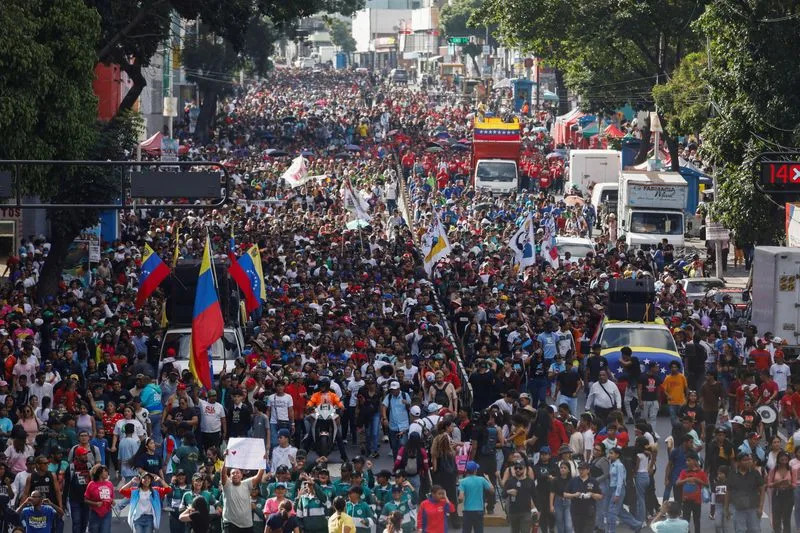
FILE PHOTO: Young members of the United Socialist Party of Venezuela (PSUV) take part in a march in Caracas, Venezuela, November 13, 2025. REUTERS/Leonardo Fernandez Viloria/File Photo
Patronage System Under Strain
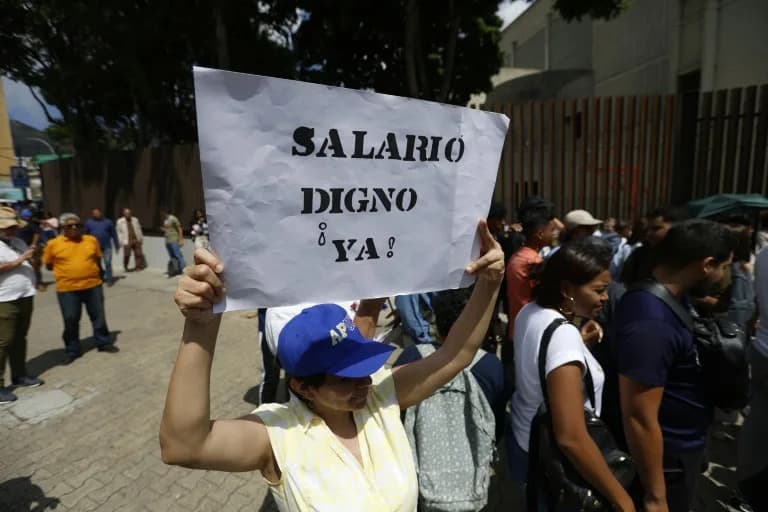
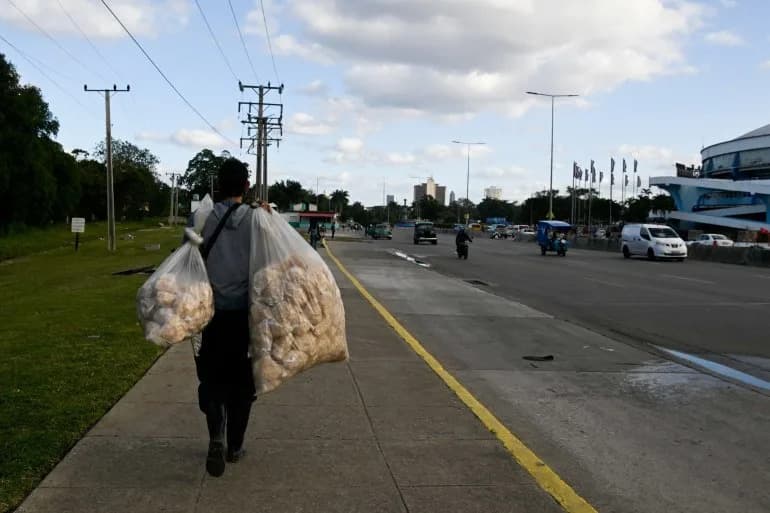
The government's patronage network — long a bulwark of party loyalty through cash benefits and CLAP food parcels — appears stressed. Five sources told Reuters that some payments and contributions stopped after Maduro's capture. Members in parts of Zulia, Aragua and Falcón reported stalled bonus payments and interrupted welfare distributions, prompting some to desert the party.
'The response is very bad. There is division among us,' said a person who helped coordinate the outreach.
Participation, Enforcement and Political Rivalries
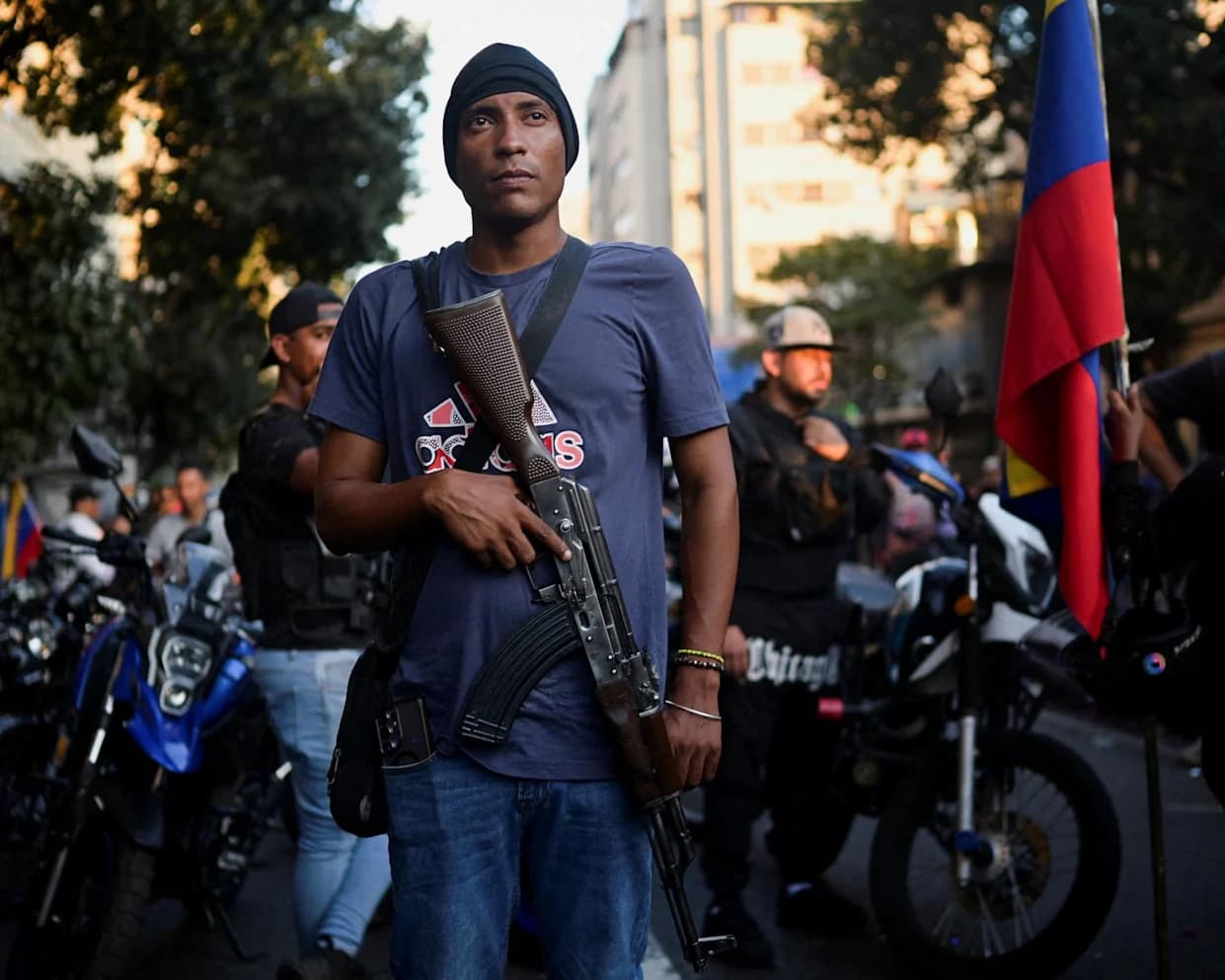
Eight interviewees reported falling participation at local party branches; two estimated attendance at marches and local assembly meetings fell by about 70% in their areas. Four sources said colectivos — the motorcycle-riding groups long associated with enforcement and intimidation — have been mobilized less frequently and are attending fewer events. Some colectivo members, they said, have taken up work as motorcycle taxi drivers or fled across the border.
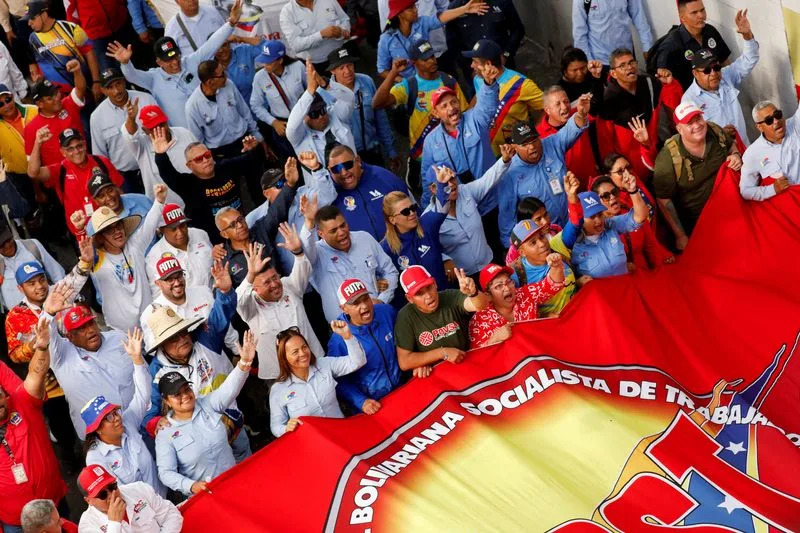
FILE PHOTO: Members of the Bolivarian socialist workers' center participate in a rally to commemorate the anniversary of the ending of Marcos Perez Jimenez's dictatorship, who was ousted after a popular uprising in 1958, in Caracas, Venezuela January 23, 2025. REUTERS/Leonardo Fernandez Viloria/File Photo
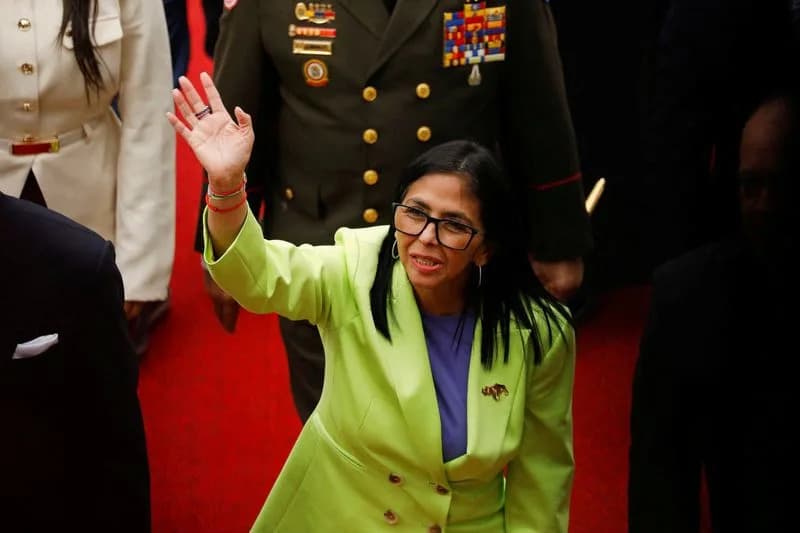
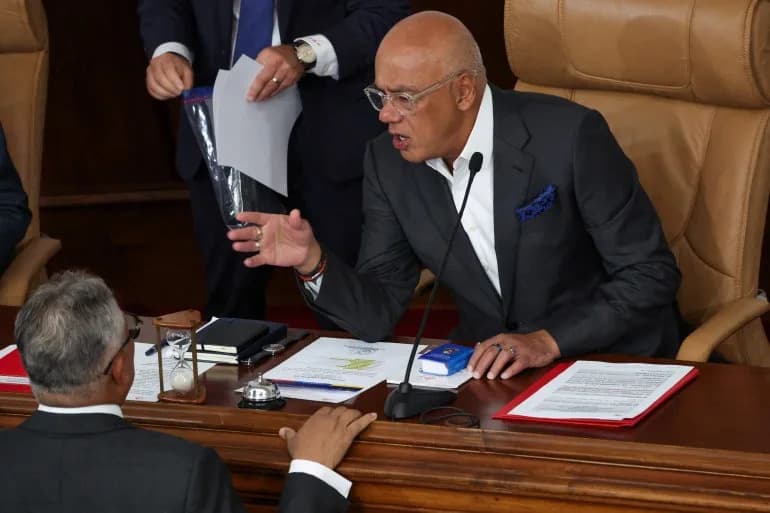
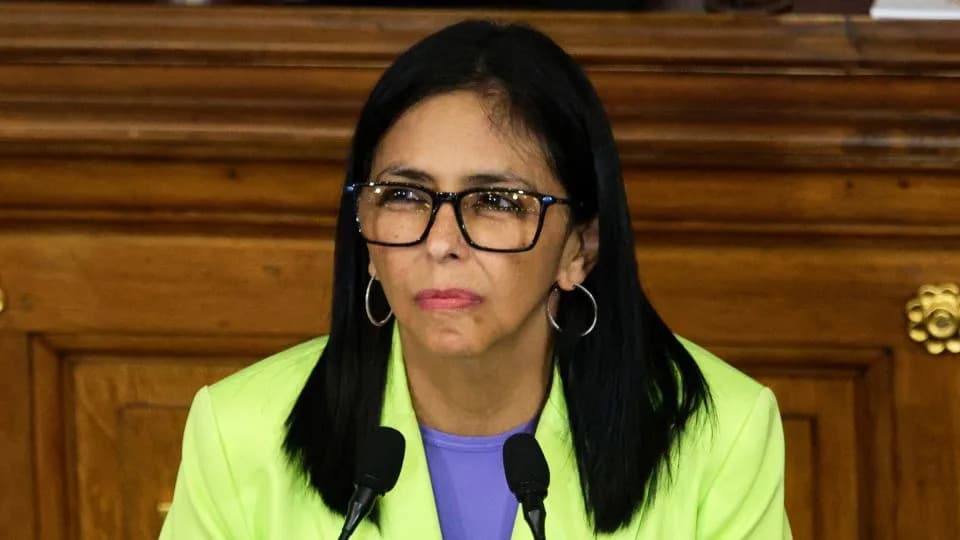
Interim President Delcy Rodriguez faces suspicion among rank-and-file loyalists, and Reuters' reporting has highlighted how she is racing to consolidate power amid rivalry with Interior Minister Diosdado Cabello, who leads the PSUV and retains strong ties to security services.
Caveats and Official Responses
Those Reuters spoke to requested anonymity for fear of reprisals, and the agency was not able to independently verify canvass figures or the full status of nationwide payments. There are no recent public membership statistics for the PSUV, and conditions may vary across Venezuela's 24 states. The Venezuelan government and the PSUV did not respond to Reuters' requests for comment, and the Communications Ministry did not answer questions for this story.
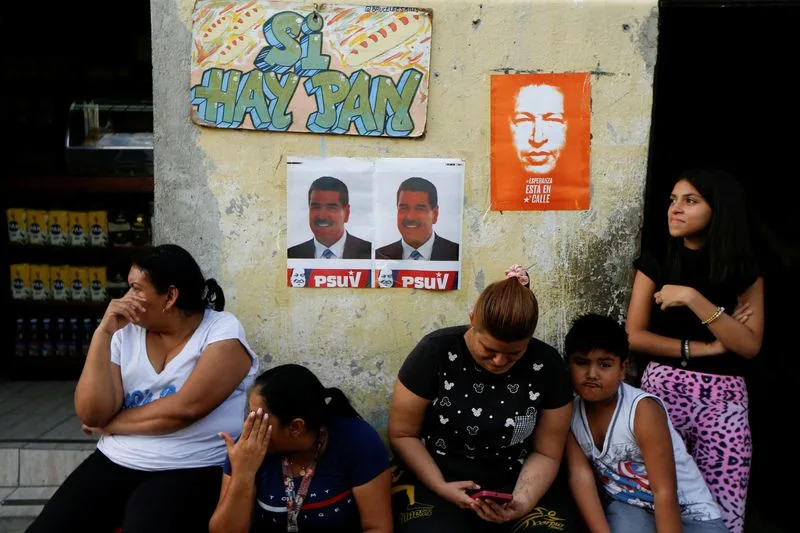
FILE PHOTO: People sit in front of posters for the reelection campaign of President Nicolas Maduro during a rally of the United Socialist Party of Venezuela (PSUV) in support of Maduro, in Caracas, Venezuela June 20, 2024. REUTERS/Leonardo Fernandez Viloria/File Photo
In public statements since Maduro's removal, Rodriguez has called for national unity, praised Venezuelans' resilience and pledged broad economic development. She has denounced Maduro's detention as a kidnapping while signaling willingness to open Venezuela to American oil companies and has met with the CIA director to discuss cooperation on drug trafficking.
Outlook
Political analysts warn that a demobilized grassroots and a fragmenting enforcement apparatus would complicate governability. Yet the PSUV's local support could recover if economic conditions improve: Venezuela has taken in about $500 million from recent crude sales, and renewed revenue could restore party funding and resume membership perks that helped maintain loyalty.
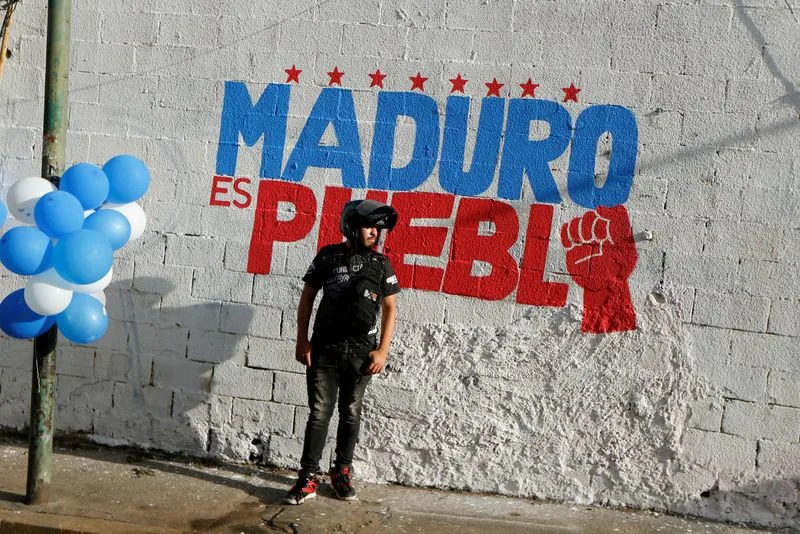
FILE PHOTO: A man stands in front of a mural for the reelection campaign of President Nicolas Maduro during a rally of the United Socialist Party of Venezuela (PSUV) in support of Maduro, in Caracas, Venezuela June 20, 2024. REUTERS/Leonardo Fernandez Viloria/File Photo
In response to Reuters, a senior White House official said: 'The country is stable, illegal migration has stopped, drug flows have halted, and the new oil deal will generate economic prosperity for both the Venezuelan and American people.'
Reporting note: Reuters collected the accounts summarized here from multiple interviews in different states; where possible the article notes limits to independent verification.
Help us improve.