The United States and Iran held indirect, high-stakes talks in Muscat, Oman — their first since last summer's strikes — and agreed to consult their capitals and pursue follow-up meetings. Key participants included Iran’s Abbas Araghchi, U.S. envoy Steve Witkoff and Omani mediator Badr Albusaidi; CENTCOM’s commander was also present. The two sides remain divided over scope: Iran sought to limit talks to nuclear issues, while the U.S. pressed to include missiles, proxies and human rights. After the talks, Washington announced new oil sanctions and repositioned military assets, keeping tensions high as negotiations continue.
After Military Buildup, US and Iran Hold High-Stakes Indirect Talks in Oman, Agree To Follow-Ups

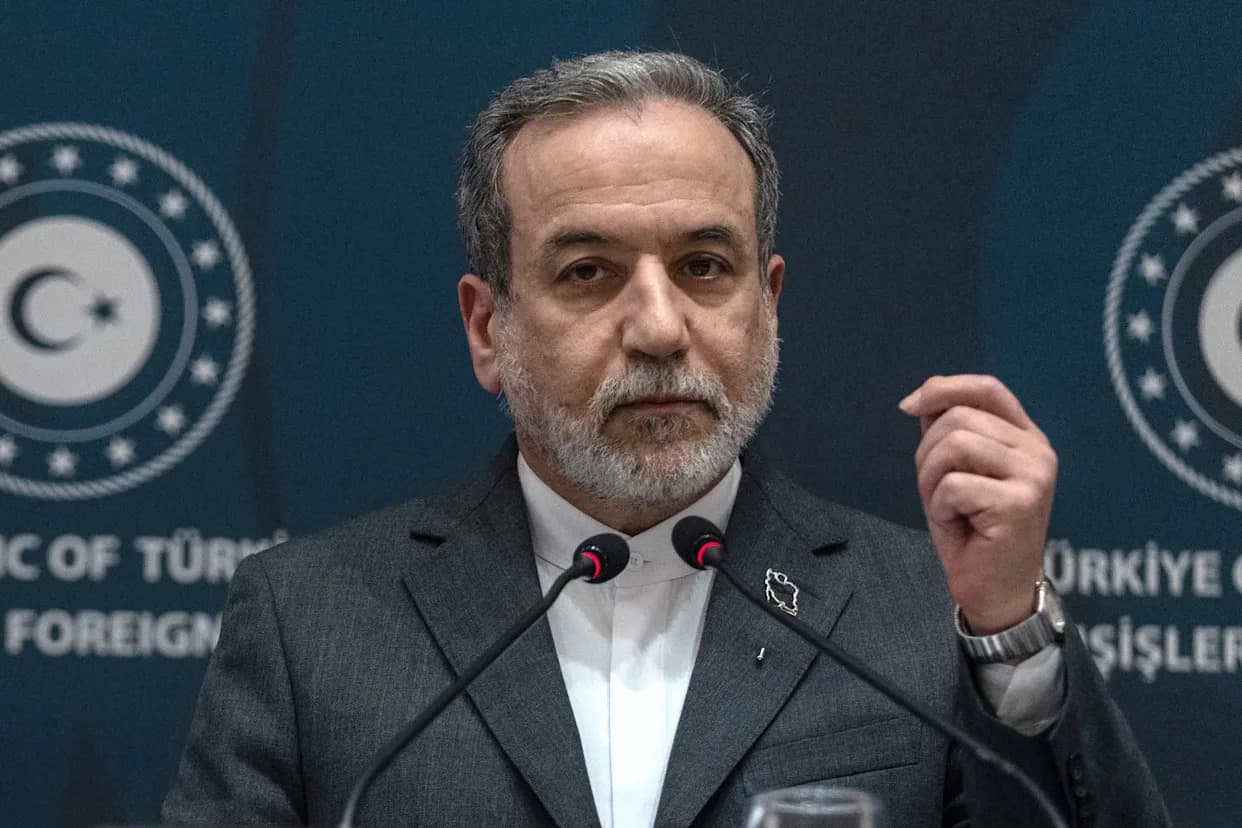
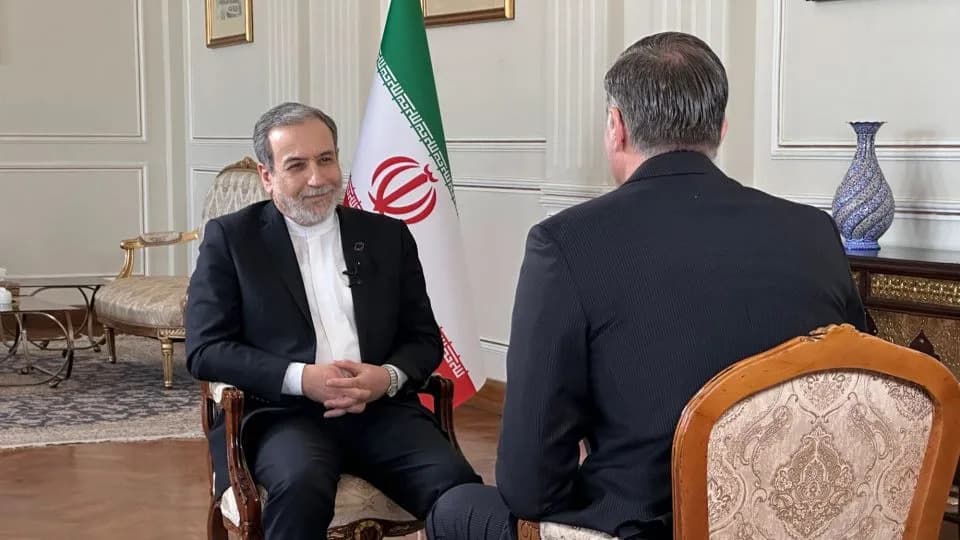
Iranian Foreign Minister Abbas Araghchi and his accompanying delegation depart for the site of the talks in Muscat, Oman on Friday. - Iranian Foreign Ministry/WANA/Reuters
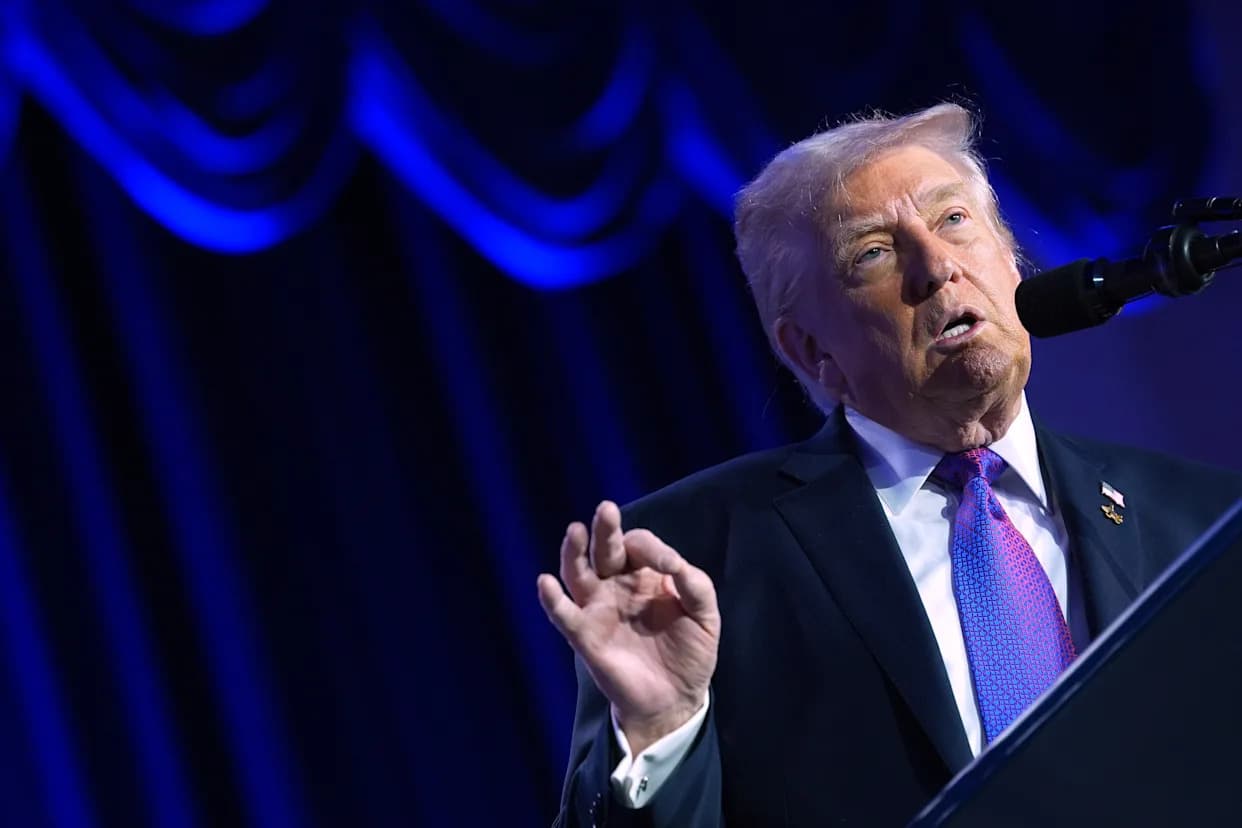
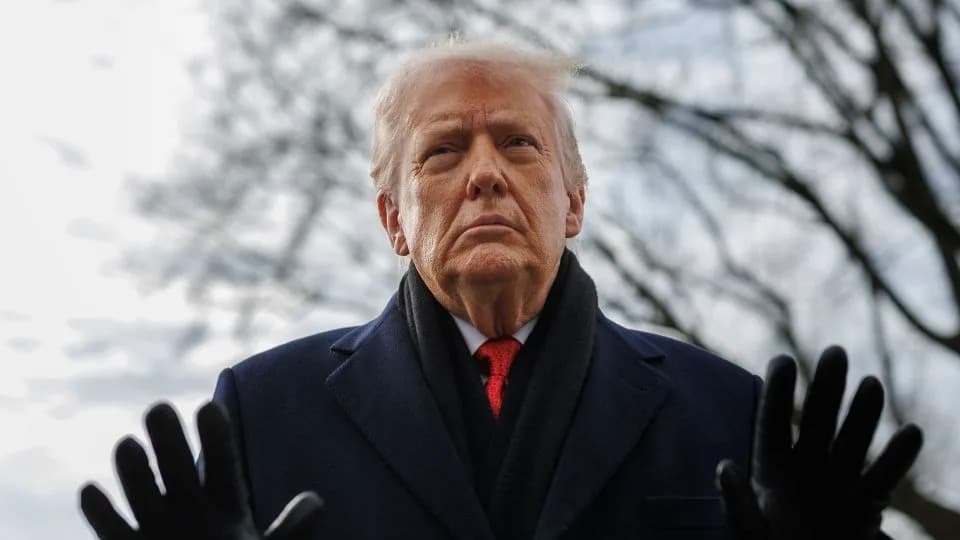
President Donald Trump called indirect negotiations with Iran held in Oman "very good talks," saying aboard Air Force One that "Iran looks like it wants to make a deal very badly. We have to see what that deal is." The meetings were the first exchange between the two sides since strikes on Iranian sites last summer and ended with both delegations agreeing to consult their capitals and hold follow-up discussions.
What Happened
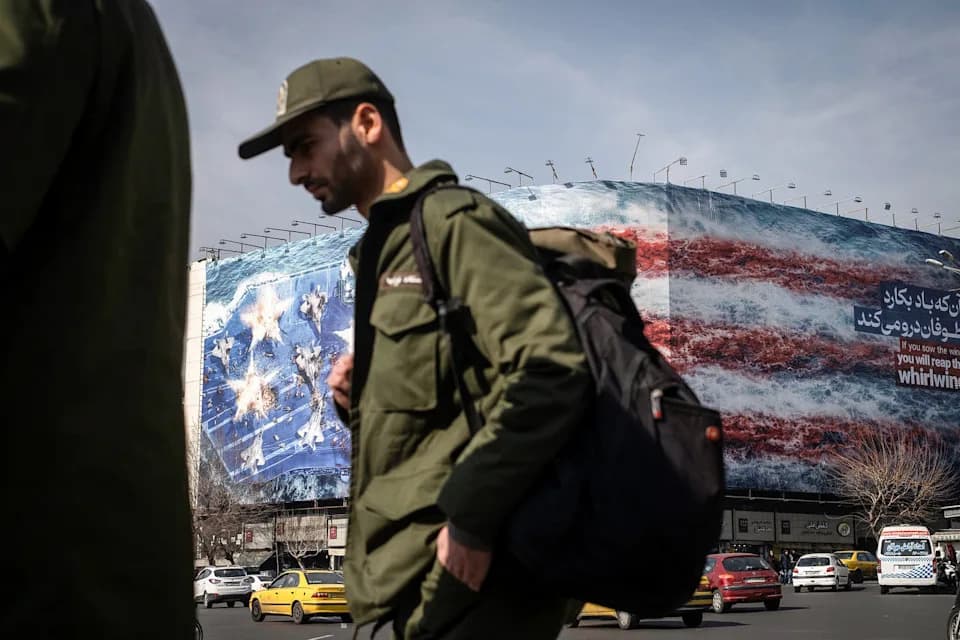
Delegations from the United States and Iran met indirectly in Muscat, Oman, on Friday in talks mediated by Omani Foreign Minister Badr Albusaidi. The sessions took place against a backdrop of heightened tensions — a U.S. military buildup in the region and new U.S. sanctions on Iranian oil — and followed a period of strikes last summer on Iranian nuclear and military sites.
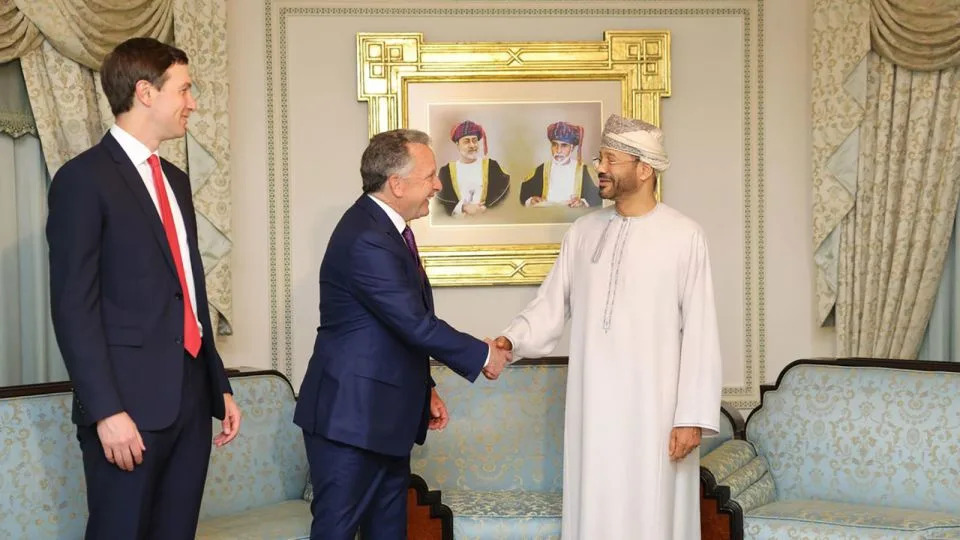
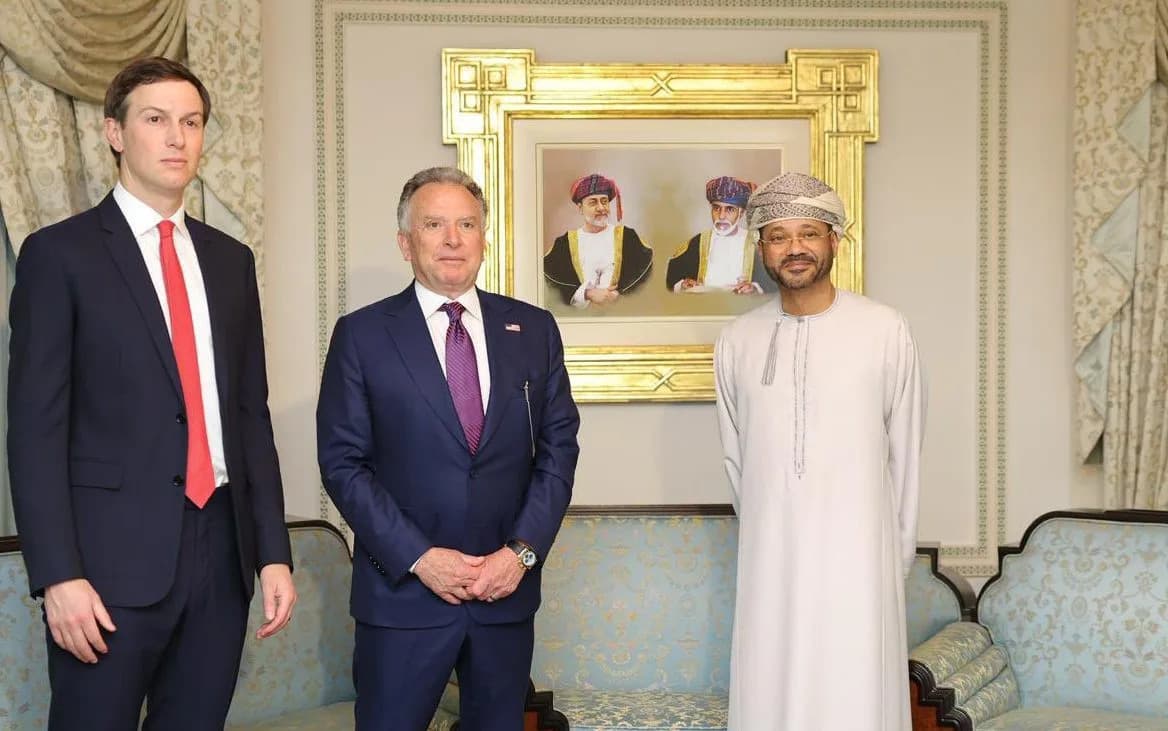
US Special Envoy to the Middle East Steve Witkoff, with Jared Kushner, shakes hands with Oman's foreign minister Badr Albusaidi ahead of high-level talks with Iran in Oman on Friday. - Oman Foreign Ministry
Who Took Part
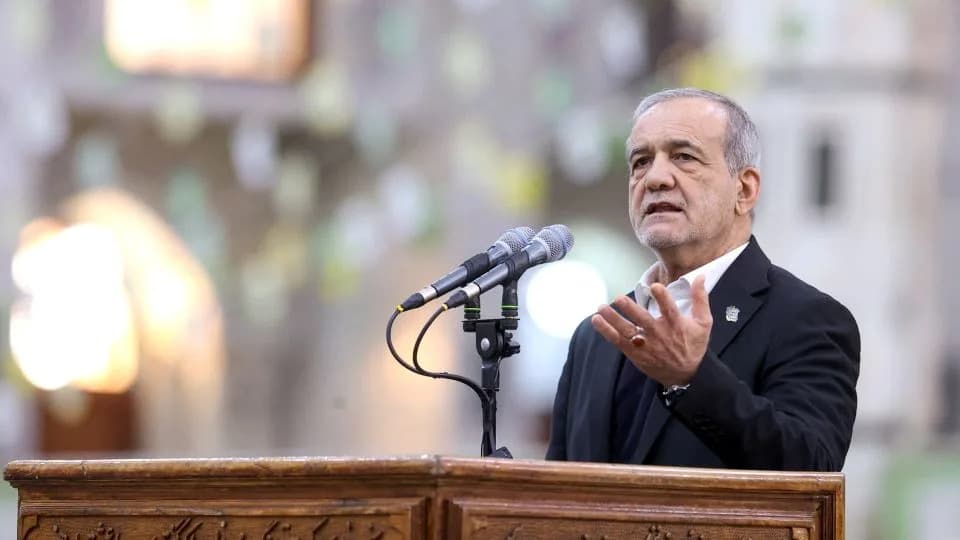
Iranian Deputy Foreign Minister Abbas Araghchi and U.S. envoy Steve Witkoff led their respective delegations. Jared Kushner, the president’s son-in-law, was also present during the meetings. Photos released by the Oman News Agency showed U.S. Central Command commander Admiral Brad Cooper attending. Omani mediators shuttled between the two delegations in a format similar to earlier rounds of negotiations.
Key Issues Discussed
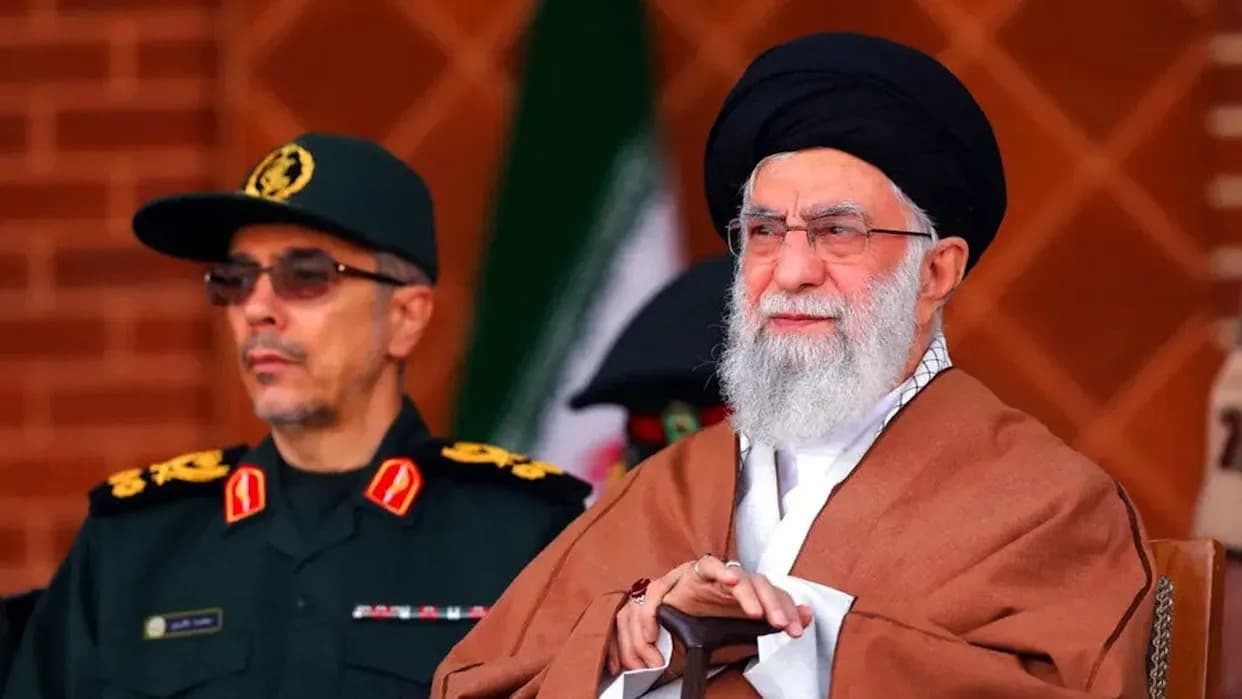
Iran said it wanted to confine talks to the nuclear file, while the United States pushed for a broader agenda that would include Iran’s ballistic missile program, the activities of Iranian proxies across the region and Tehran’s crackdown on domestic protests. A central nuclear dispute remains Tehran’s demand to enrich uranium; Iran offers increased monitoring in exchange for sanctions relief, which the U.S. and its partners have resisted at high enrichment levels.
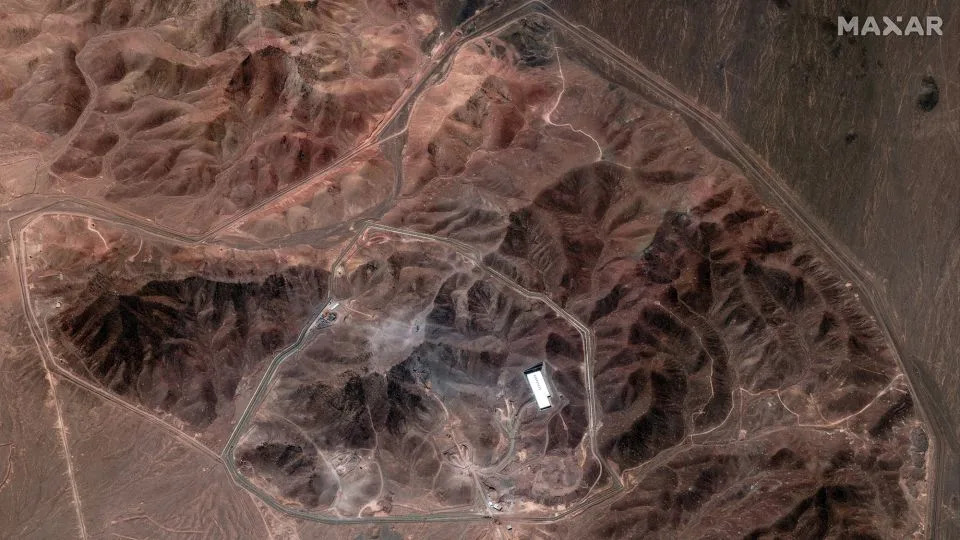
Satellite images show Fordow Enrichment Complex, Iran. - Maxar Technologies
Near-Term Developments
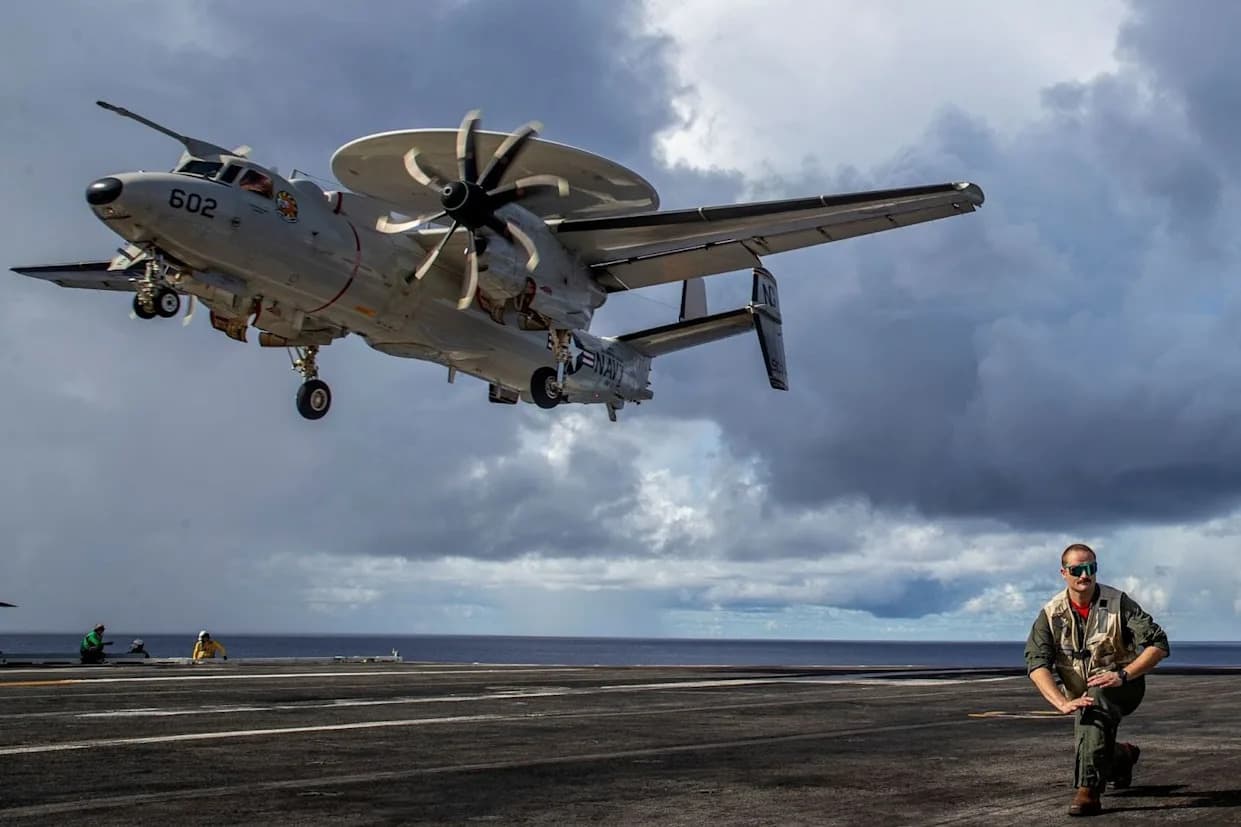
Shortly after the meetings, the U.S. announced new sanctions targeting Iranian oil and 14 vessels carrying it. The administration also moved military assets — including the USS Abraham Lincoln carrier strike group — closer to the Middle East. President Trump said a "big armada" was heading to the region and would arrive soon, while Iranian officials warned any U.S. attack would be met with force and that Tehran would not show the same "restraint" it displayed last summer.
Risks And Next Steps
Analysts caution that even with talks underway, the risk of escalation remains high. Iran has a range of options — thousands of missiles and drones, proxy networks across the region and the ability to disrupt shipping in the Strait of Hormuz — that could inflict wide regional and global consequences if conflict erupts. Both sides agreed to relay proposals back to their capitals and continue consultations, leaving the outcome uncertain.
Note: Reporting contributors included CNN correspondents and staff; follow-up reporting is expected if negotiations continue.
Help us improve.