A chemical study of residue from a 1,900‑year‑old Roman unguentarium shows the vial originally contained human fecal material, marking the first direct chemical proof that ancient physicians used feces medicinally. Researchers used gas chromatography and mass spectrometry and identified a coprostanol ratio consistent with human origin and carvacrol from thyme oil. The discovery matches remedies described by Galen and was published in the Journal of Archaeological Science: Reports.
1,900‑Year‑Old Roman Vial Provides First Chemical Proof That Physicians Used Human Feces Medicinally
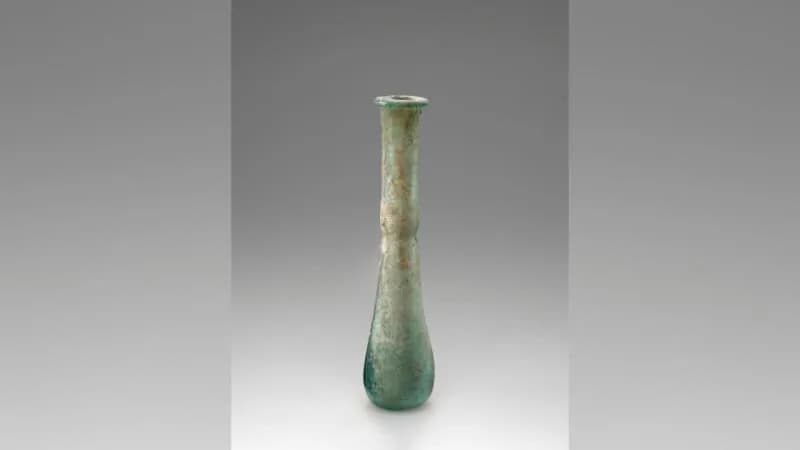
Unguentarium, 4th-5th century AD. Creator: Unknown.February 8, 2026. (photo credit: Heritage Art/Heritage Images via Getty Images)
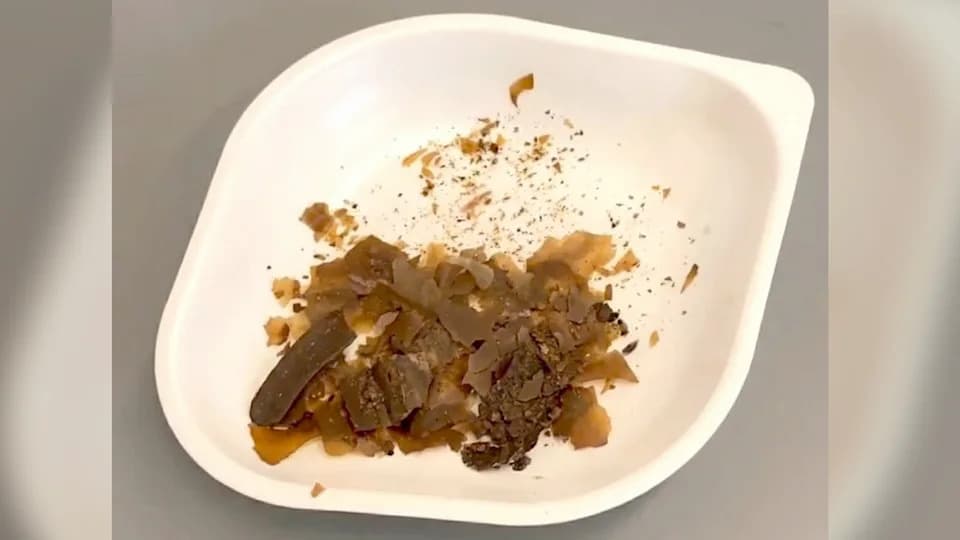
A chemical analysis of residue from a 1,900‑year‑old Roman glass unguentarium has produced the first direct chemical evidence that ancient physicians used human feces in medicinal preparations. The small, clay‑capped, candlestick‑shaped vial—typically assumed to hold perfume or cosmetic oil—was examined by researchers after residue was noticed in museum storage.
What the Analysis Found
Using gas chromatography and mass spectrometry, the research team detected a chemical signature consistent with fecal material. The ratio of coprostanol to 24‑ethylcoprostanol pointed toward a human origin for the residue, and the analysis also identified carvacrol, a major component of thyme oil.
Cenker Atila of Sivas Cumhuriyet University, who first noticed the residue while working in the Bergama Archaeology Museum, said the team immediately recognized the preparation as matching descriptions by the physician Galen.
Context and Interpretation
Classical medical texts describe the use of excrement in therapeutic contexts, and the new chemical evidence supports those accounts as material practice rather than mere theory. Researchers suggest the presence of carvacrol may indicate that thyme oil was added either to mask odors or as a complementary medicinal ingredient.
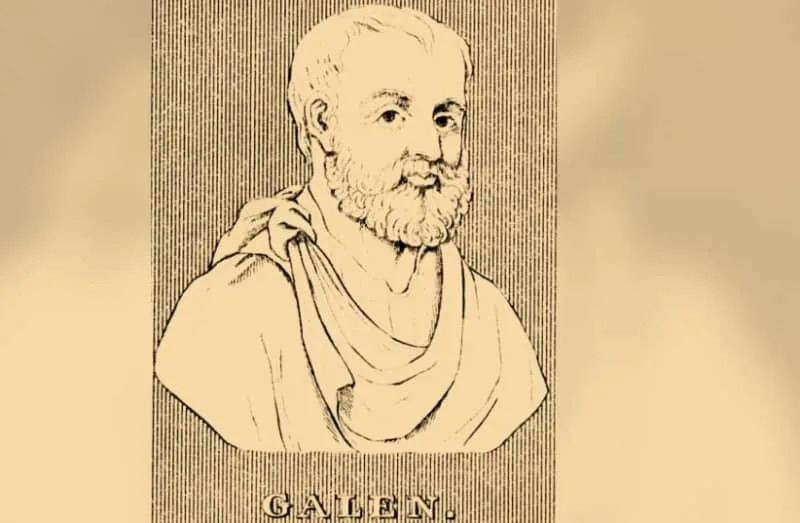
Galen of Pergamon, Greek physician, surgeon and philosopher in the Roman Empire. From ''Biographical Illustrations'', by Alfred Howard. [Thomas Tegg, R. Griffin and Co., J. Cumming, London, Glasgow and Dublin, 1830]. Artist Unknown. (credit: The Print Collector via Getty Images)
Museum, Methods and Publication
Atila reported that residues appeared in seven vessels examined in the museum’s storage, but only one produced conclusive chemical results. The study was led by teams from Sivas Cumhuriyet University and institutions in Istanbul and was published in the Journal of Archaeological Science: Reports in January.
Why This Matters
The findings provide the first direct chemical confirmation that remedies described by Galen and other classical authors were actually prepared and used. They also underscore the diversity of medical traditions that employed unconventional substances, and they open new avenues for biochemical study of ancient pharmacology.
Publication: Journal of Archaeological Science: Reports. Lead authors affiliated with Sivas Cumhuriyet University and universities in Istanbul.
Help us improve.