Iran's foreign minister said the country's missile programme is 'never negotiable' after indirect talks with US delegates in Oman, calling the meetings a cautious but constructive start. Both sides remain distrustful: Washington announced tariffs and new sanctions on shipping while deploying the USS Abraham Lincoln. Observers say mutual intransigence, Israel's demands and recent protests in Iran make a comprehensive deal uncertain.
‘Non-Negotiable’: Iran Says Missiles Off The Table In Talks With The US, Tensions Persist
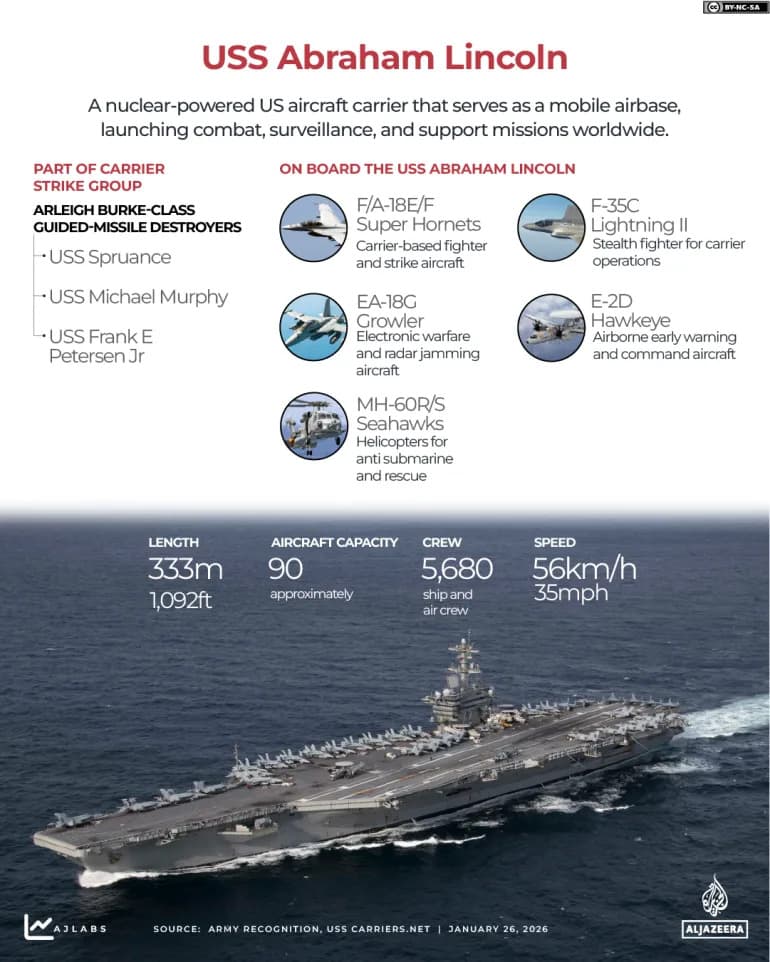
INTERACTIVE - USS Abraham Lincoln - JAN 26, 2025-1769422995
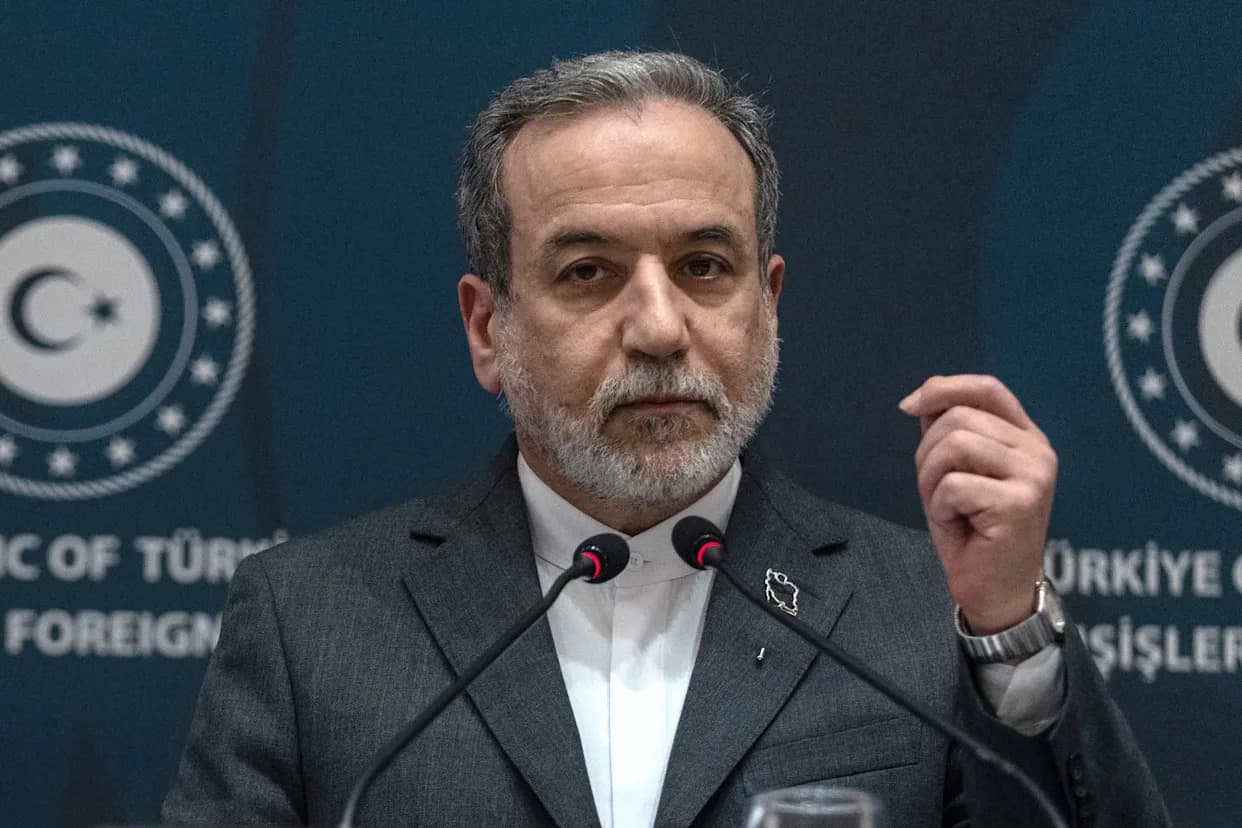
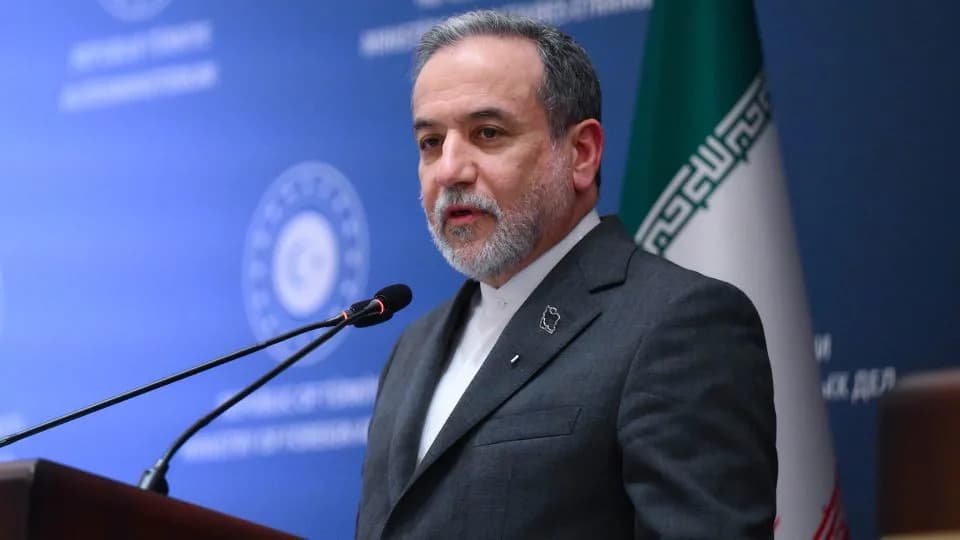
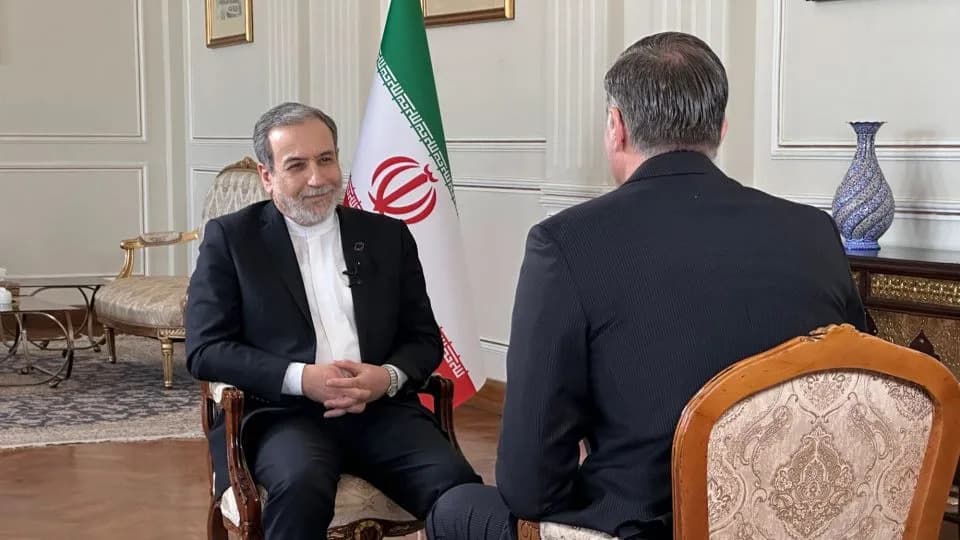
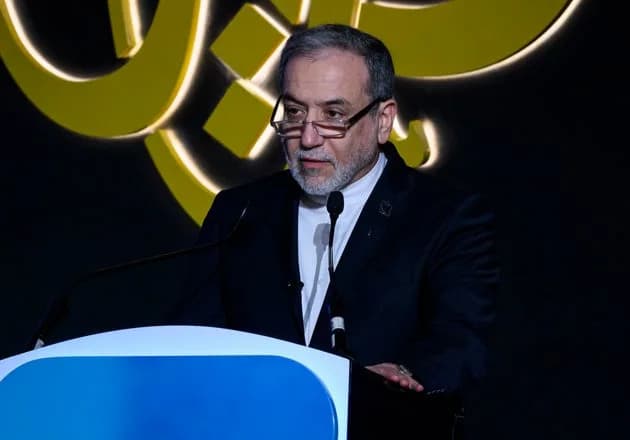
Iranian Foreign Minister Abbas Araghchi said he expects indirect negotiations with the United States to resume soon after mediated discussions in Oman, but stressed Iran's missile programme is 'never negotiable.' The talks in Muscat were described by participants as a cautious, constructive start — even as both sides signalled deep mistrust and continued pressure from Washington.
Muscat Talks: A Cautious Opening
Araghchi told Al Jazeera that the meetings in Muscat were indirect, but that 'an opportunity arose to shake hands with the American delegation.' He described the sessions as 'a good start' while adding that 'there is a long way to go to build trust.' He also insisted Iran's missile programme is off limits because it concerns a defence issue.
Araghchi: 'Nuclear enrichment is Iran's inalienable right and must continue. We are ready to reach a reassuring agreement on enrichment. The Iranian nuclear case will only be resolved through negotiations.'
Public Reaction and Expert Views
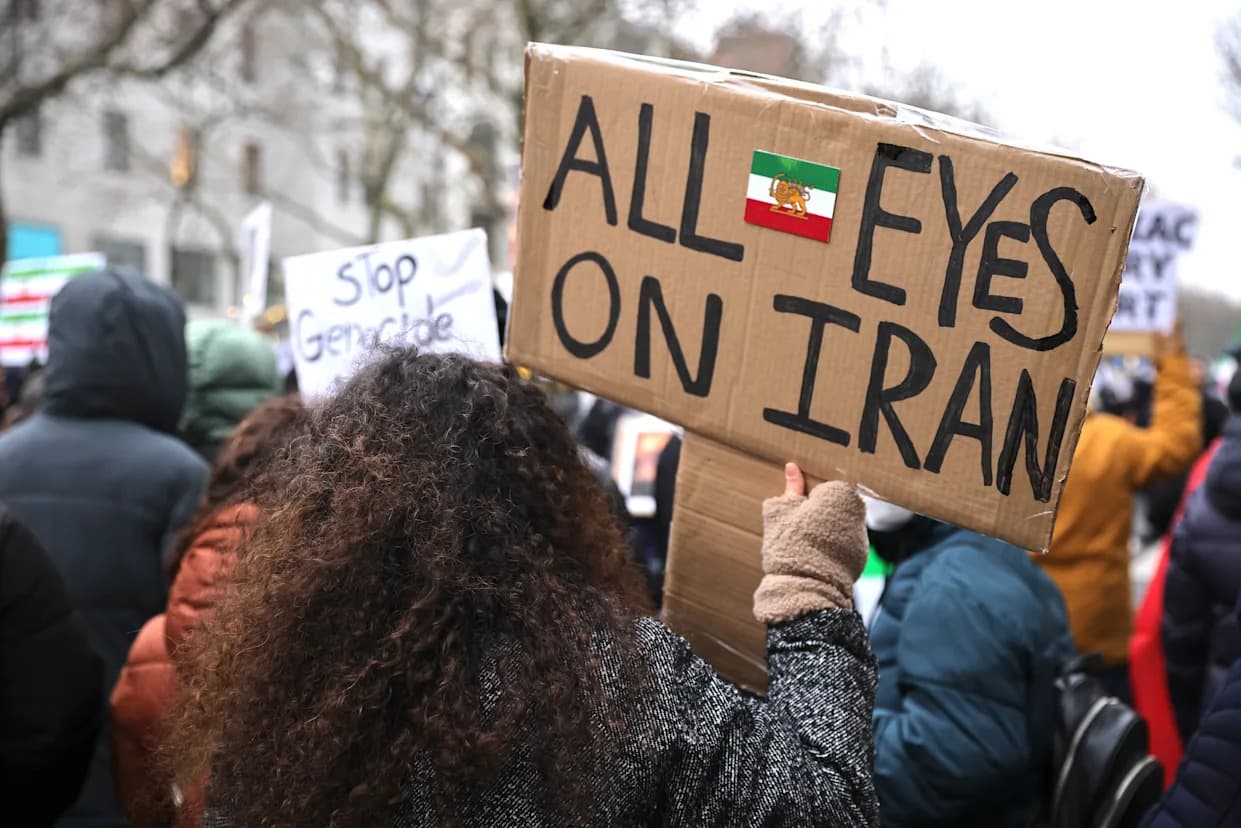
Reactions in Tehran were mixed and often sceptical. One resident told Al Jazeera she expected the talks to end without results because 'both sides are sticking to their own positions and not willing to back down.' Abdullah al-Shayji, a US foreign policy expert at Kuwait University, said he hopes for an agreement but is not optimistic, arguing that Washington feels pressured — including by Israel — to extract concessions from Iran after recent domestic unrest.
US Pressure: Sanctions, Tariffs and Military Posture
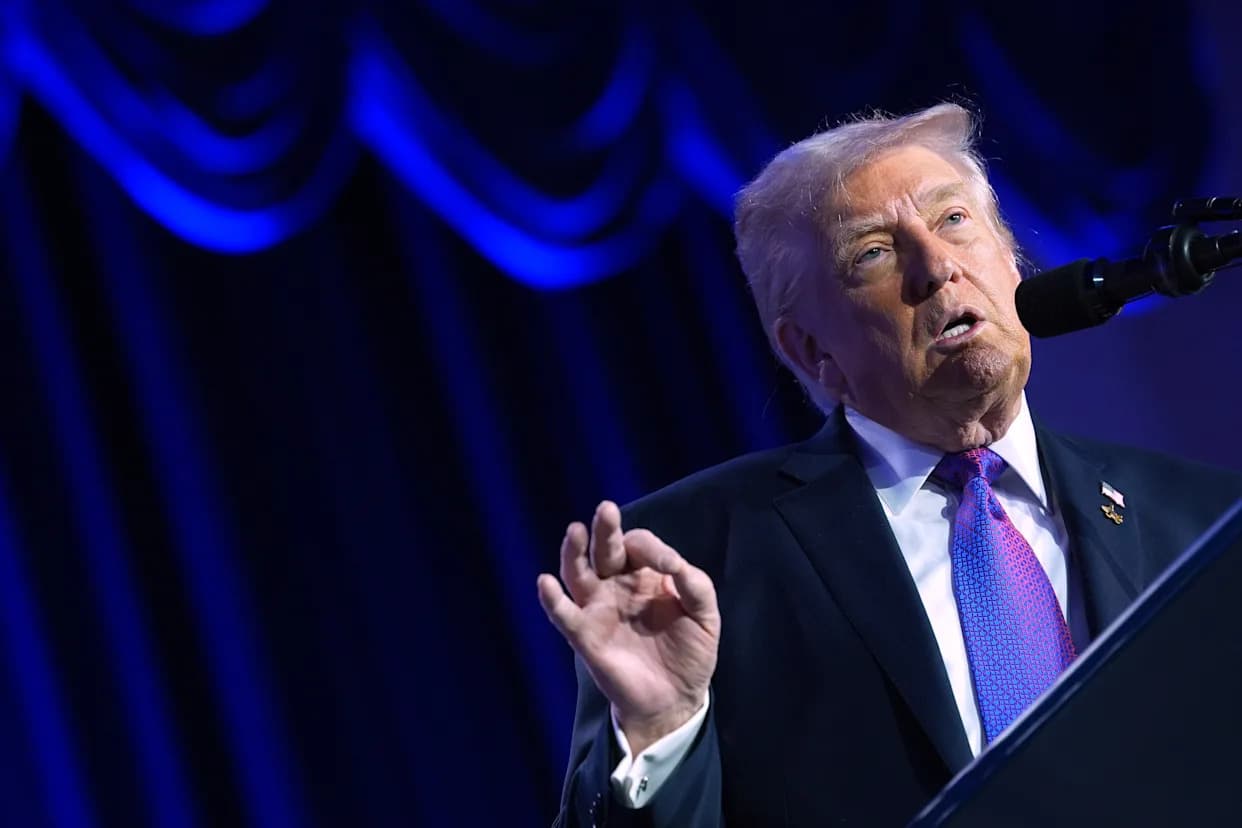
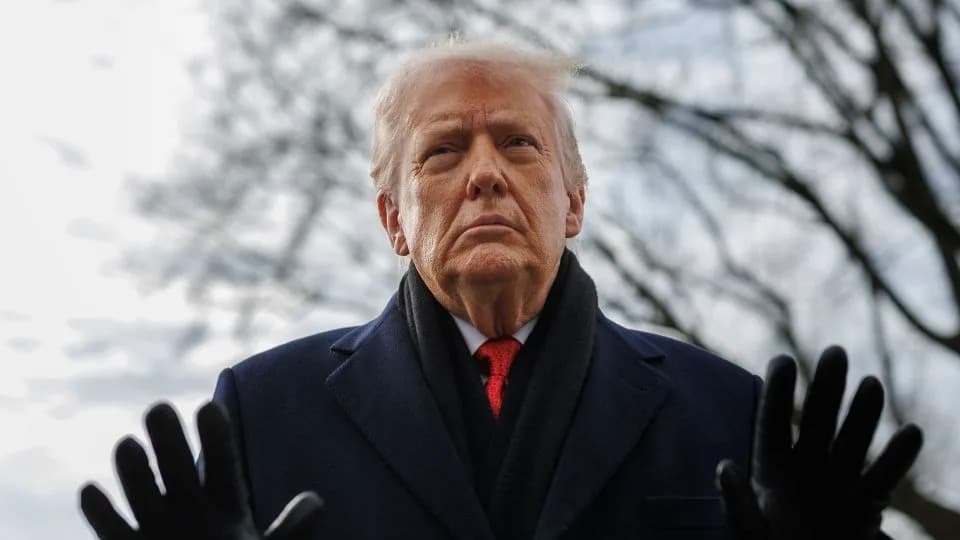
Despite calling the talks 'very good,' US President Donald Trump signed an executive order authorising tariffs on countries that continue doing business with Iran. Washington also announced new sanctions targeting shipping entities and vessels to curb Iran's oil exports.
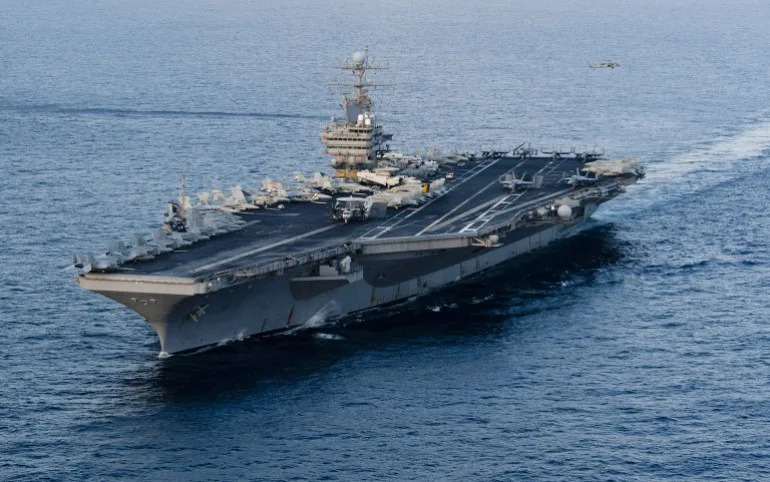
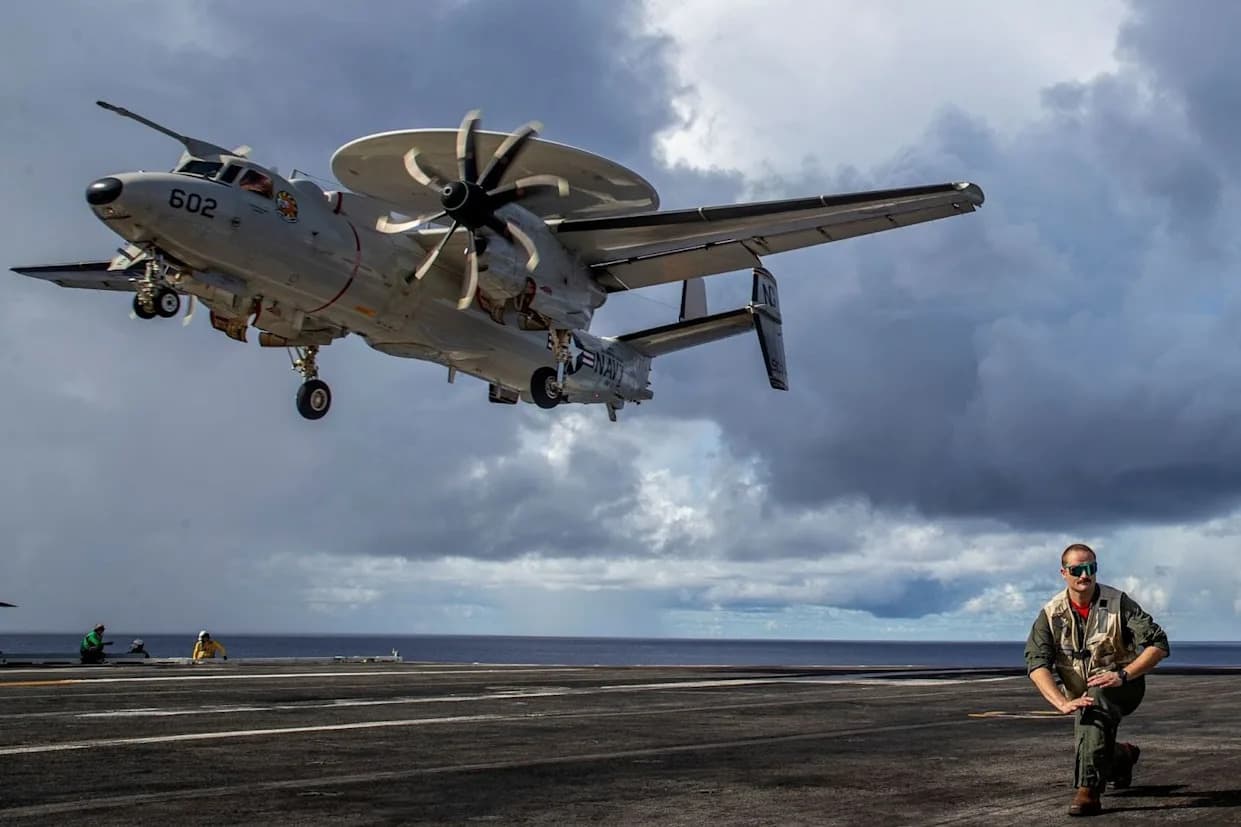
The Nimitz-class aircraft carrier USS Abraham Lincoln transiting the Arabian Sea in 2012 [File: AFP]
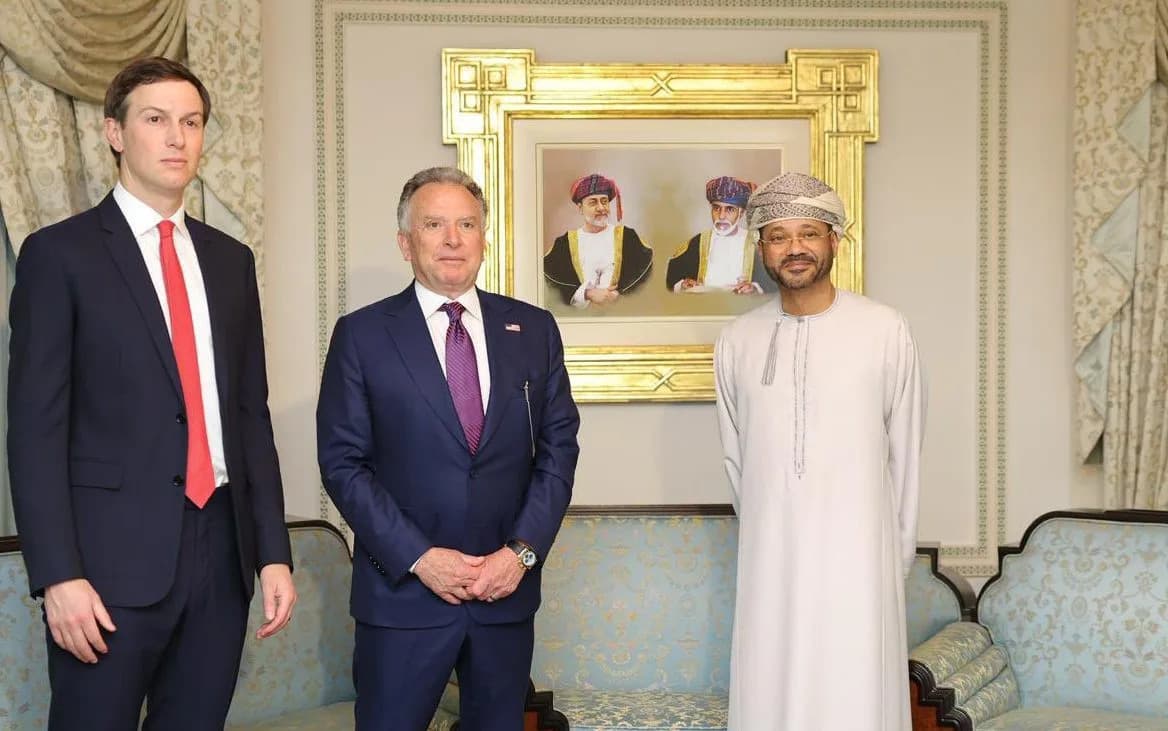
At the same time, the US deployed the USS Abraham Lincoln to the Middle East. Trump's lead negotiators in Oman — special envoy Steve Witkoff and senior adviser Jared Kushner — visited the carrier group in the Arabian Sea, with Witkoff praising the strike group for 'keeping us safe and upholding President Trump's message of peace through strength' and noting discussion of an incident in which a pilot downed an Iranian drone.
Regional Stakes and Next Steps
Israel has urged that any agreement include limits on Iran's ballistic missiles and an end to support for Iran's regional allies. Israeli Prime Minister Benjamin Netanyahu was scheduled to meet President Trump to discuss those demands. Tehran has repeatedly rejected expanding negotiations beyond the nuclear issue.
Trade data underscore Iran's global ties: more than a quarter of Iran's trade is with China, including roughly $18bn in imports and $14.5bn in exports in 2024, according to WTO figures cited in the talks.
Outlook
While negotiators called the Muscat meetings a positive step, observers warned that mutual intransigence, regional pressure and recent antigovernment protests in Iran make a major breakthrough uncertain. Araghchi urged Washington to refrain from threats and pressure so that 'the talks can continue.'
Help us improve.