
Key takeaway: Iran and the United States will hold nuclear talks in Muscat on Friday at 10:00 a.m. local time (06:00 GMT). Mediators from Qatar, Türkiye and Egypt have proposed a framework reportedly calling for significant limits on Iran’s uranium enrichment, alongside restrictions on ballistic missiles and the arming of regional allies. The meeting occurs amid elevated tensions after U.S. forces were ordered to mass in the Arabian Sea; U.S. officials say discussions will cover nuclear, missile, proxy and human-rights concerns.
US and Iran To Hold Nuclear Talks in Muscat on Friday as Mediators Propose Limits on Enrichment
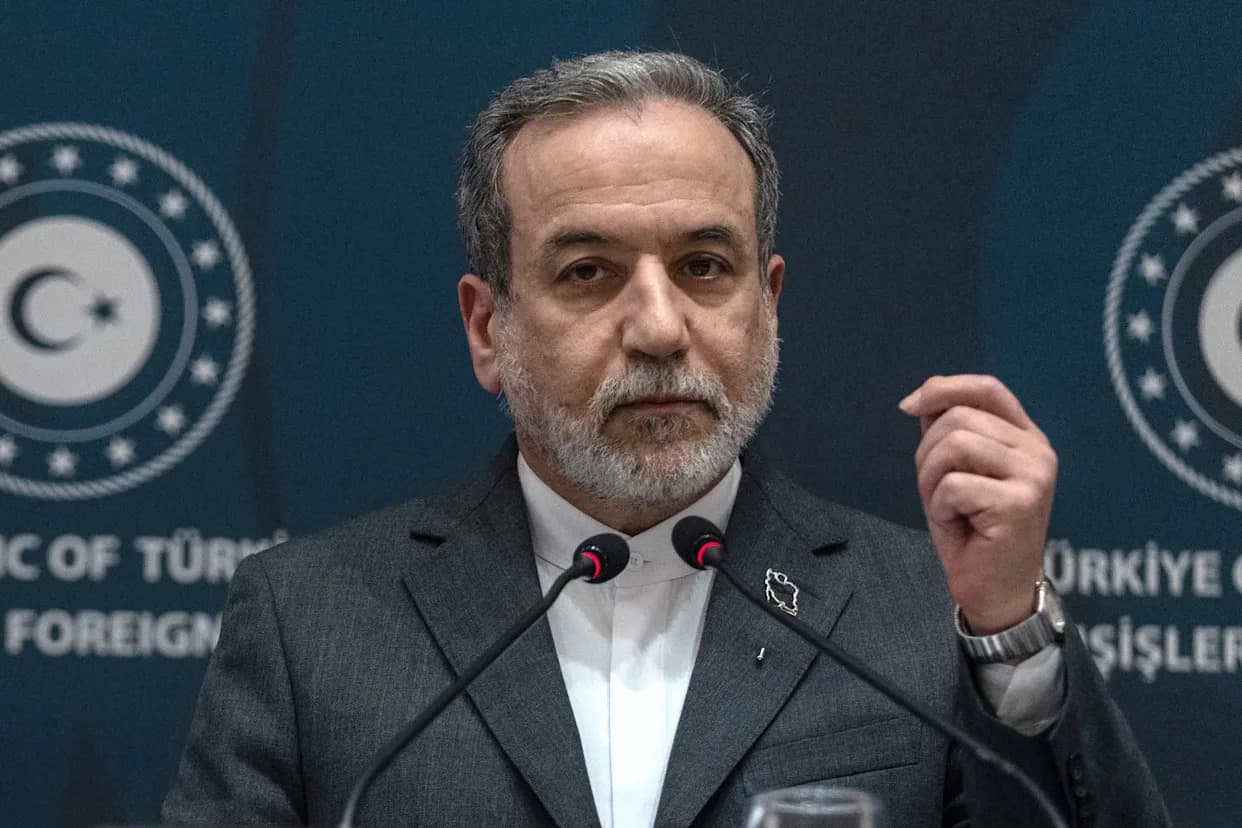
Iranian Foreign Minister Abbas Araghchi said nuclear talks with the US will take place in Oman [File: Burak Kara/Getty Images]
Iranian Foreign Minister Abbas Araghchi has confirmed that high-level nuclear talks between Iran and the United States will take place in Muscat, Oman, on Friday at 10:00 a.m. local time (06:00 GMT).
Araghchi announced late on Wednesday that the meeting was set for Friday after earlier reports suggested the planned encounter might be at risk amid disagreements over format and venue. “I’m grateful to our Omani brothers for making all necessary arrangements,” he wrote on social media.
On Tuesday, Iranian President Masoud Pezeshkian posted that he had instructed the foreign minister to “pursue fair and equitable negotiations.” A White House official, quoted by The Associated Press, confirmed that the United States will take part in the talks in Oman rather than in Türkiye as originally planned.
Mediators from Qatar, Türkiye and Egypt have presented a draft framework of key principles to both sides. Two sources familiar with the negotiations told Al Jazeera that the framework would include a commitment by Iran to significantly curb its uranium enrichment. Those sources — including a senior diplomat who asked to remain anonymous because of the talks’ sensitivity — said the draft also proposes restrictions on ballistic-missile activities and limits on the arming of Iran’s regional allies.
The talks come amid heightened regional tensions. U.S. forces have been ordered to mass in the Arabian Sea, a move Washington says responds to instability following a violent crackdown on protesters in Iran last month. U.S. Senator Marco Rubio commented that Washington hopes to address a broad set of concerns beyond the nuclear file, including ballistic missiles, support for proxy networks across the region and human-rights issues. “The leadership of Iran at the clerical level does not reflect the people of Iran,” he told reporters.
This is not the first time U.S. and Iranian officials have met in Oman in an attempt to revive diplomacy between the two countries, which have lacked formal diplomatic relations since 1980. In June, representatives from both sides convened in Muscat to discuss a possible nuclear agreement; that process later stalled amid regional hostilities and reports of strikes on Iranian sites.
What to watch: Whether delegates agree to concrete limits on enrichment, missile activity and arms transfers to proxies, and whether outcomes from Friday’s meeting can reduce the risk of military escalation in the region.
Help us improve.





















