Iran’s Foreign Minister Abbas Araghchi said a nuclear deal with the United States remains possible despite deep mistrust and a U.S. military buildup in the region. Iran seeks talks focused on nuclear issues, sanctions relief and assurances on peaceful enrichment, while the U.S. demands reductions in Iran’s regional military posture. Ayatollah Khamenei warned a U.S. strike would spark a regional war, a warning President Trump said the world would soon test. Regional diplomacy from Qatar and Egypt seeks to de-escalate tensions.
Iran Says Nuclear Deal Still Possible Despite U.S. Military Buildup; Khamenei Warns Of Regional War
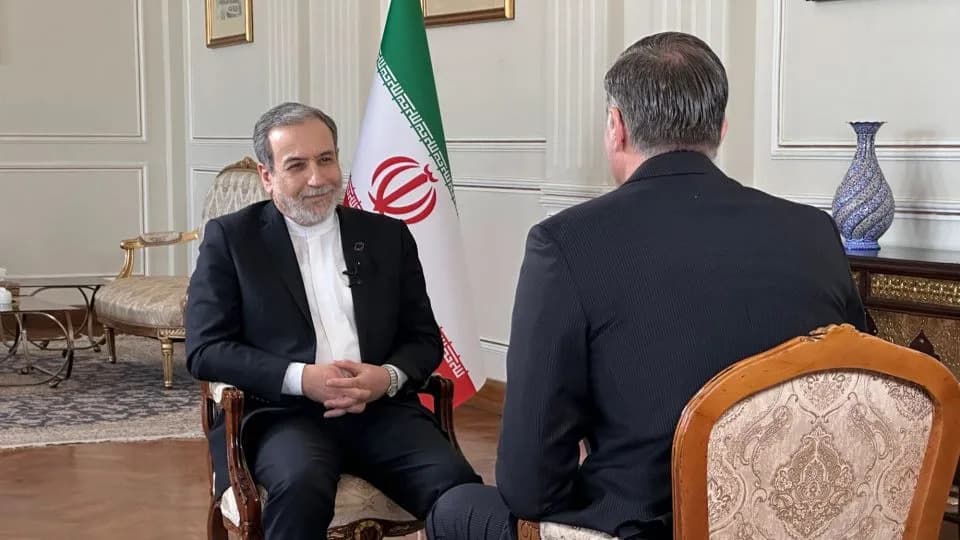
Foreign Minister Abbas Araghchi sits down for an interview with CNN's Fred Pleitgen on Sunday. - CNN
Iran’s Foreign Minister, Abbas Araghchi, told CNN on Sunday that he remained “confident that we can achieve a deal” with the United States on Tehran’s nuclear programme, even as U.S. forces were positioned in the region amid rising tensions.
Araghchi acknowledged a deep mistrust of the United States as a negotiating partner but said indirect communications through friendly regional states had produced what he described as “fruitful” exchanges with Washington. On Saturday, President Donald Trump told reporters aboard Air Force One that Iran was “talking to us, seriously talking to us.”
While Araghchi declined to commit to direct, bilateral talks, he insisted the focus must be on the substance of any negotiations rather than their format.
Hardline Rhetoric From Tehran
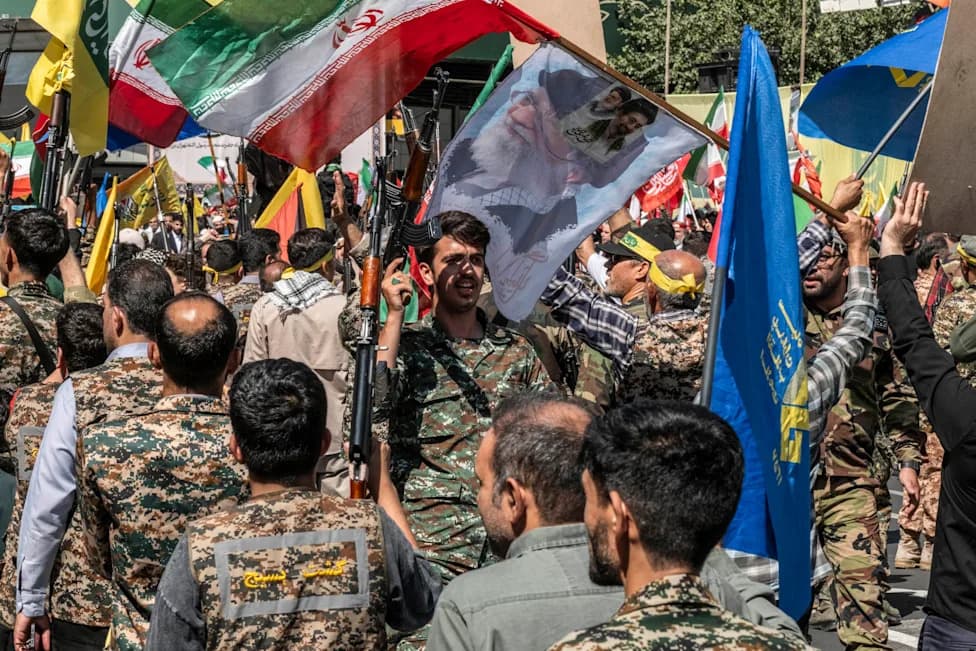
That conciliatory diplomatic signal sat alongside a far more defiant posture from Iran’s supreme leader, Ayatollah Ali Khamenei. Speaking at the Imam Khomeini mosque in Tehran, Khamenei warned that a U.S. strike would trigger a regional war, saying Iran does not “intend to attack any country, but the Iranian nation will deliver a firm blow to anyone who attacks and harasses it,” according to state media. He posted similar comments on X.
“The Americans should know that if they initiate a war, this time it will be a regional war.” — Ayatollah Ali Khamenei
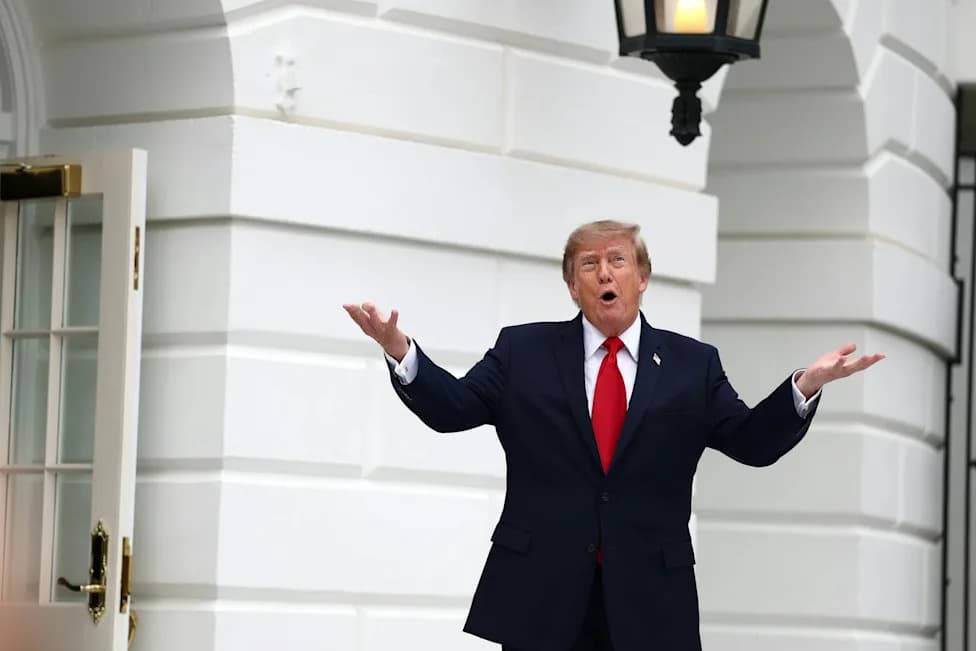
President Trump responded by saying the world would soon see whether Khamenei’s warning proved correct. “We have the biggest, most powerful ships in the world, over there, very close,” he told reporters, while expressing hope that a deal could be negotiated.
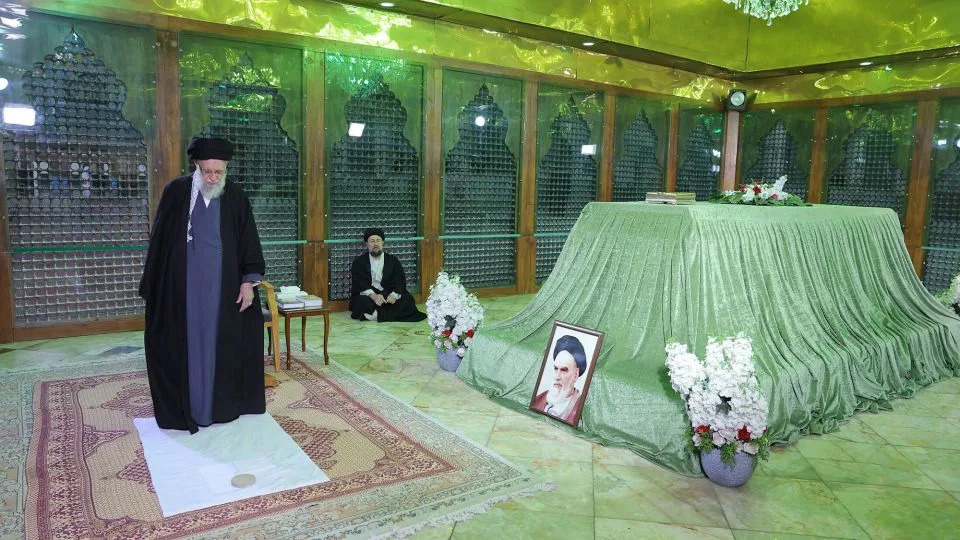
In this photo released by the official website of the office of the Iranian supreme leader, Supreme Leader Ayatollah Ali Khamenei prays at the grave of the late revolutionary founder Ayatollah Khomeini, shown in the photo at right, commemorating 47th anniversary of his return from exile during 1979 Islamic Revolution, as Ayatollah Khomeini's grandson Hassan sits at rear, just outside Tehran, Iran, Saturday, Jan. 31, 2026. (Office of the Iranian Supreme Leader via AP) - Office of the Iranian Supreme Leader/AP
Sticking Points
Diplomatic progress appears to be stalled by core disagreements. Tehran wants talks narrowly focused on nuclear matters; Washington insists negotiations must also address Iran’s wider military posture in the region. Araghchi urged negotiators not to pursue what he called “impossible things” and to use the opportunity to secure a fair agreement that ensures Iran will not develop nuclear weapons.
In exchange for concessions on nuclear limits, Iran expects U.S. sanctions relief and respect for its right to enrich uranium for peaceful purposes. Araghchi warned that if diplomacy failed, Iran was prepared for war, though he acknowledged any conflict would likely spill beyond Iran’s borders and called war “a disaster for everybody.” He also said U.S. bases across the region would be potential targets.
Security And Human Rights Context
CNN and other analysts note Iran likely rebuilt much of its missile arsenal after last year’s 12-day war with Israel, and Tehran’s support for regional proxies — including Yemen’s Houthis — remains a concern for Washington and regional maritime security.
Human rights organisations estimate several thousand people were killed in street protests across Iran last month, heightening international concern and prompting President Trump to warn Tehran about potential strikes. When asked about the government response, Araghchi blamed what he called “terrorist elements” acting on orders from abroad and denied claims that the state planned executions of protesters, saying detainees’ rights would be observed.
Regional Diplomacy
Regional actors have been active in trying to defuse tensions. Qatar’s prime minister visited Tehran to review de-escalation efforts, and Iranian President Masoud Pezeshkian spoke with Egyptian President Abdel Fattah El-Sisi, who urged renewed U.S.–Iran dialogue. Tehran maintained it does not seek war and argued that conflict would harm all parties in the region.
This report draws on interviews and statements reported by CNN. Riane Lumer contributed to the original report.
Help us improve.