Summary: Iran says structural steps toward negotiations with the United States are advancing even as military leaders warn against U.S. strikes. Washington has deployed a carrier-led task force offshore while regional mediators, including Qatar, seek to ease tensions. Iran plans naval exercises in the Strait of Hormuz, and domestic unrest continues with sharply divergent casualty figures reported.
Iran Says Negotiation Steps Underway With U.S. as Military Tensions Persist
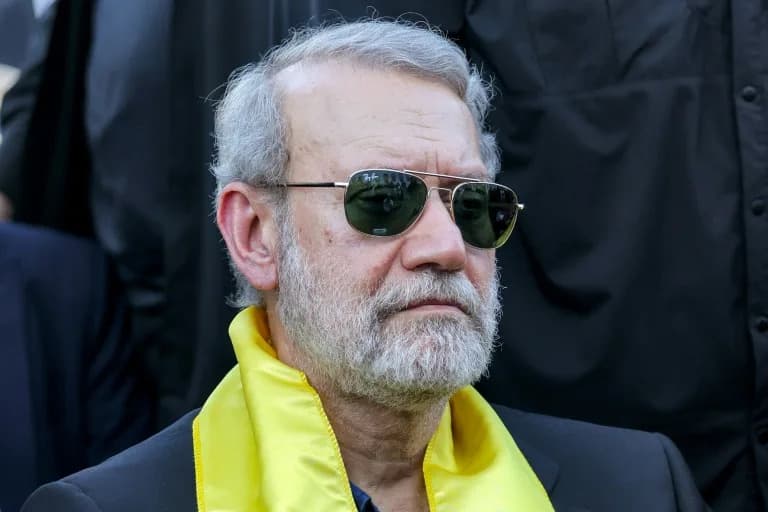
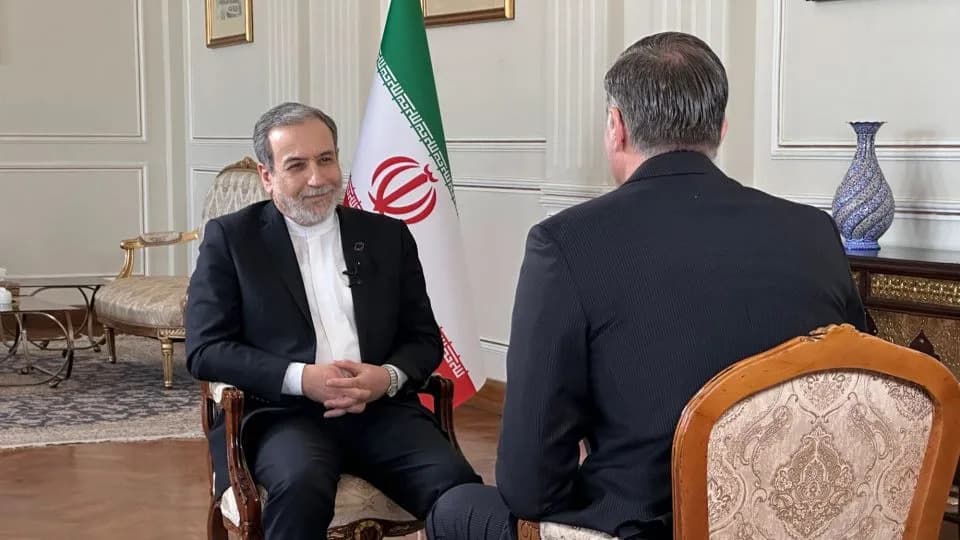
Iran's security chief Ali Larijani said progress has been made on talks with the United States (Anwar AMRO)(Anwar AMRO/AFP/AFP)
Iran's top security official said Saturday that structural steps toward negotiations with the United States are progressing, even as senior military leaders warned Washington against any strike. The comments come amid a high-stakes standoff that has left the region on edge.
Diplomatic Signals
Ali Larijani, head of Iran's Supreme National Security Council, told reporters that "contrary to the hype of the contrived media war, structural arrangements for negotiations are progressing." His remarks followed reports that he met with Russian President Vladimir Putin in Moscow.
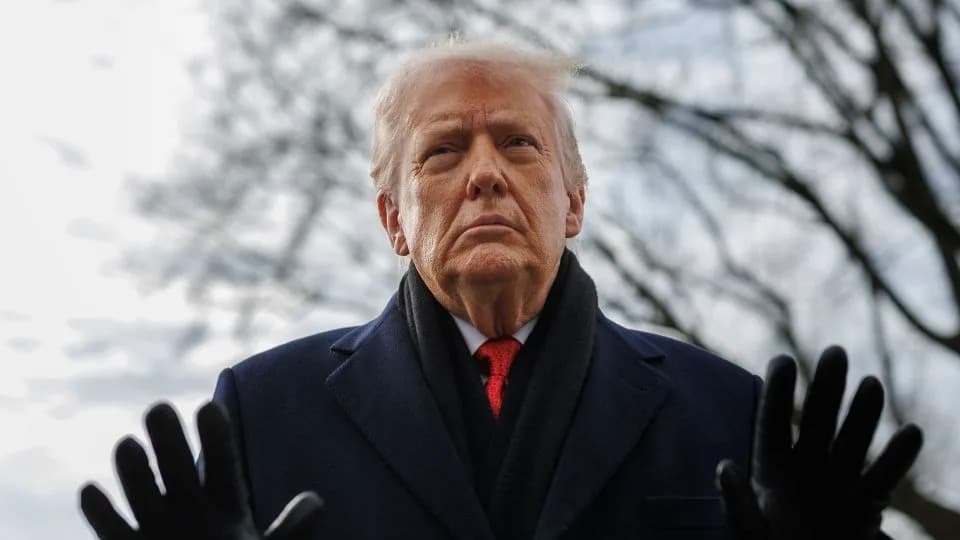
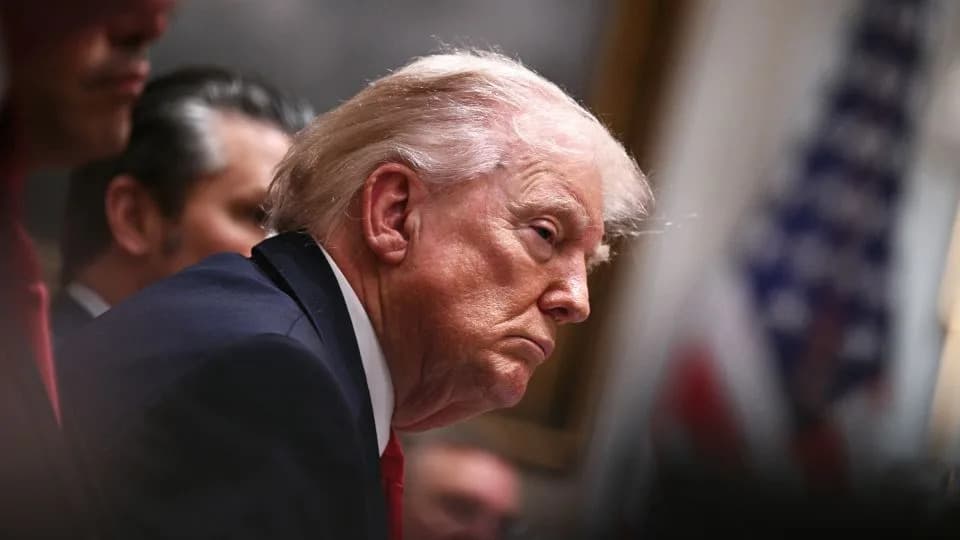
Qatar said its prime minister and foreign minister, Sheikh Mohammed bin Abdulrahman Al Thani, traveled to Tehran to hold talks with Larijani aimed at de-escalation. U.S. President Donald Trump confirmed there was communication between Washington and Tehran while stressing that a military option remained on the table.
Military Posturing
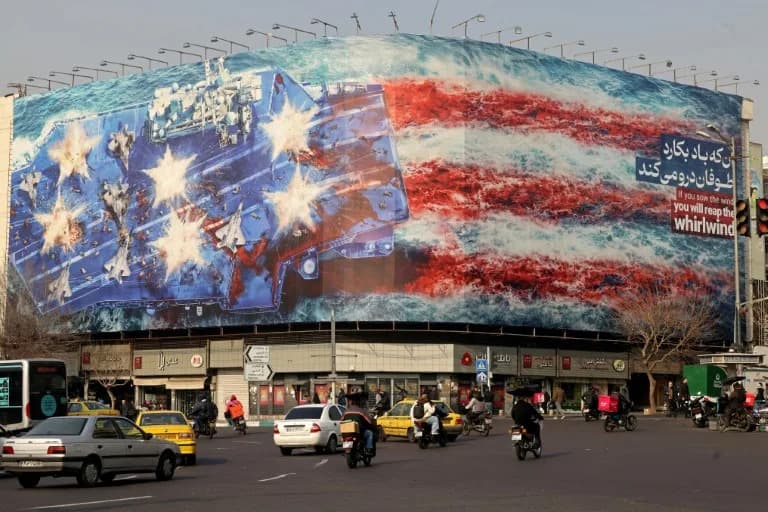
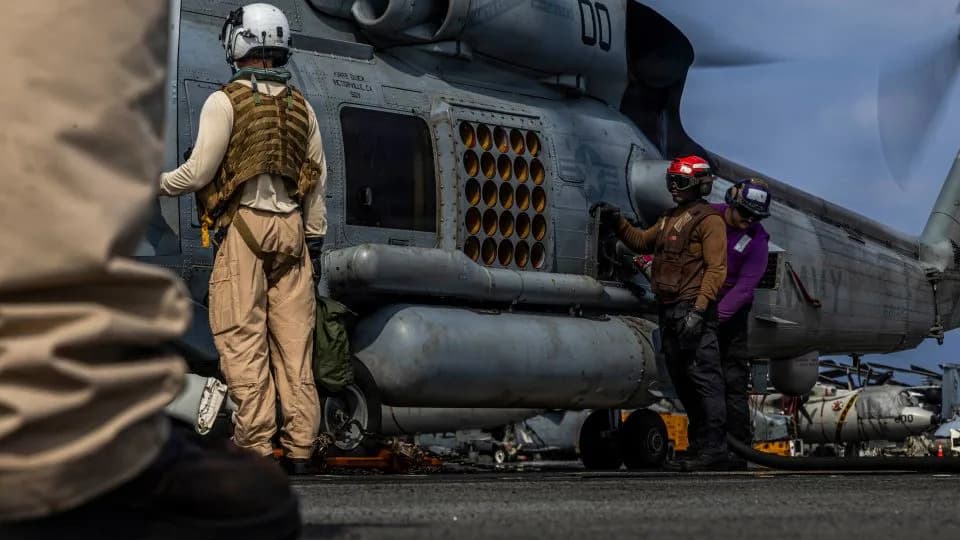
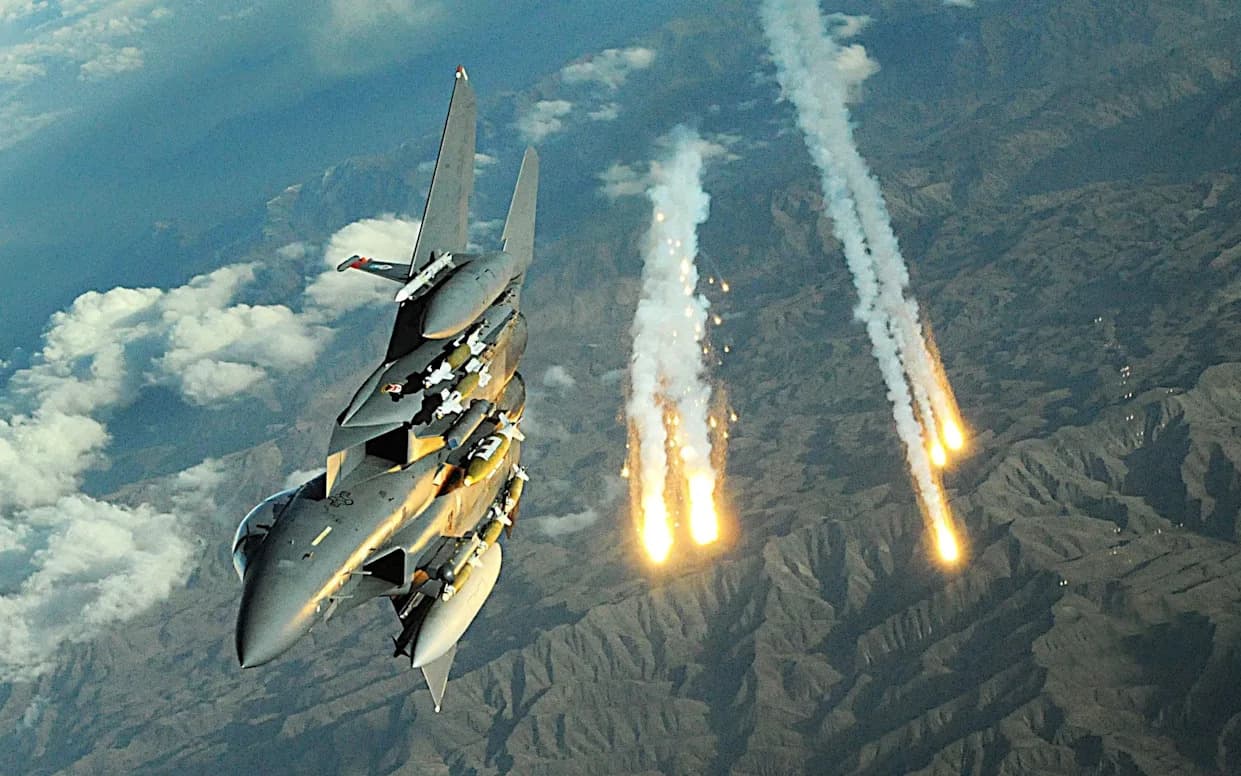
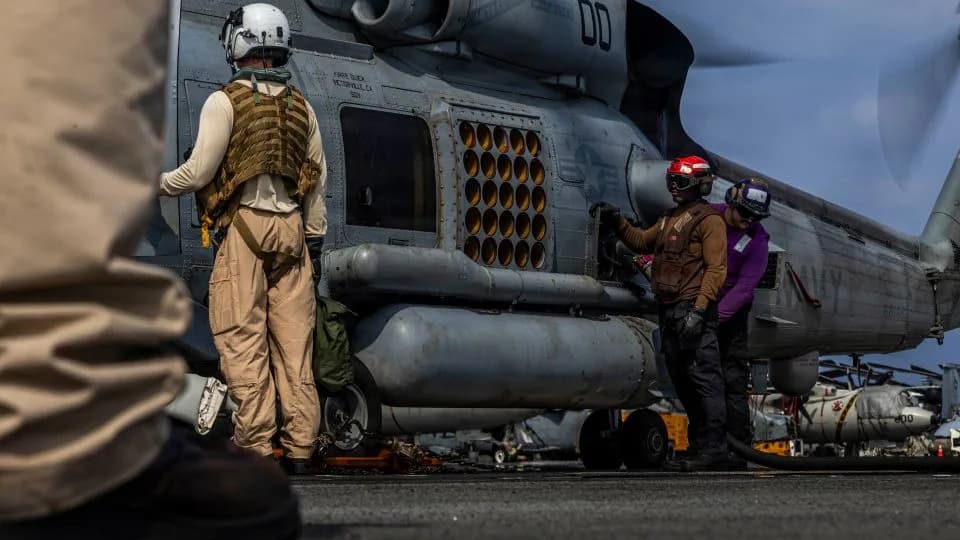
Washington has deployed a naval task force led by the USS Abraham Lincoln off Iran's coast. Iran's army chief, Amir Hatami, warned the United States and Israel against any attack and said Iran's forces were "at full defensive and military readiness." He added that Iran's nuclear technology and expertise "cannot be eliminated," according to state media.
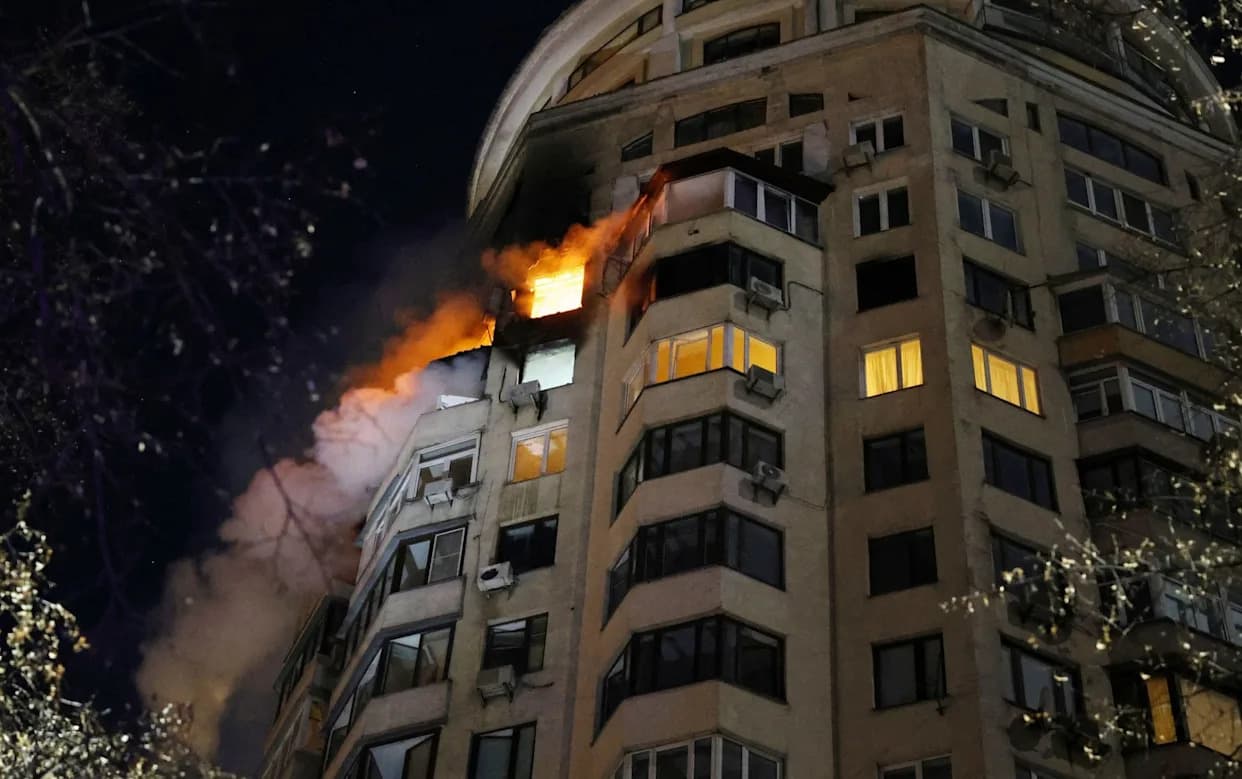
With tensions high, Iranian authorities denied that several Saturday incidents were linked to hostile action, including an explosion in the southern port city of Bandar Abbas that local firefighters attributed to a gas leak.
Exercises and Warnings
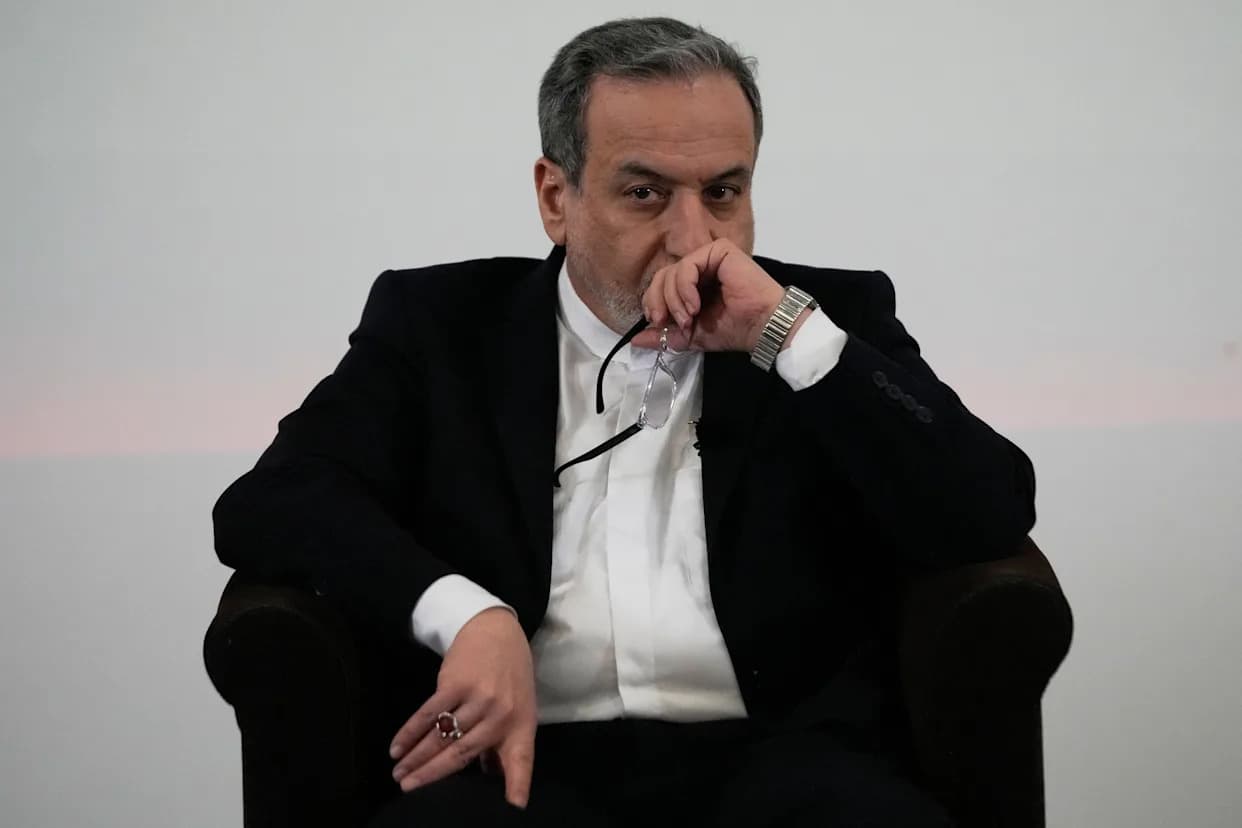
U.S. Central Command (CENTCOM) said Iran's Islamic Revolutionary Guard Corps (IRGC) planned a two-day live-fire naval exercise in the Strait of Hormuz, a strategic shipping lane for global energy supplies. CENTCOM urged the IRGC to avoid "unsafe and unprofessional behaviour" near U.S. forces; Iran's foreign minister, Abbas Araghchi, pushed back on social media, saying Iran would not accept being dictated to about how it trains its armed forces.
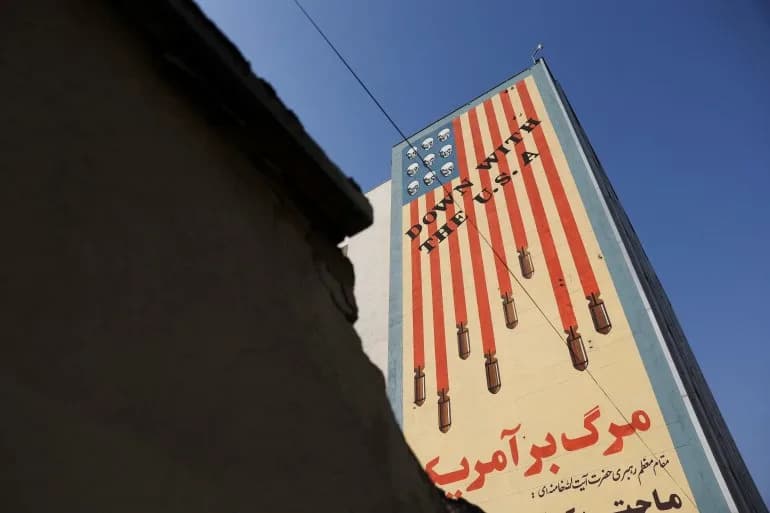
The United States designated the IRGC a terrorist organization in 2019. The European Union recently followed suit, a move that prompted angry reactions from Tehran.
Domestic Unrest
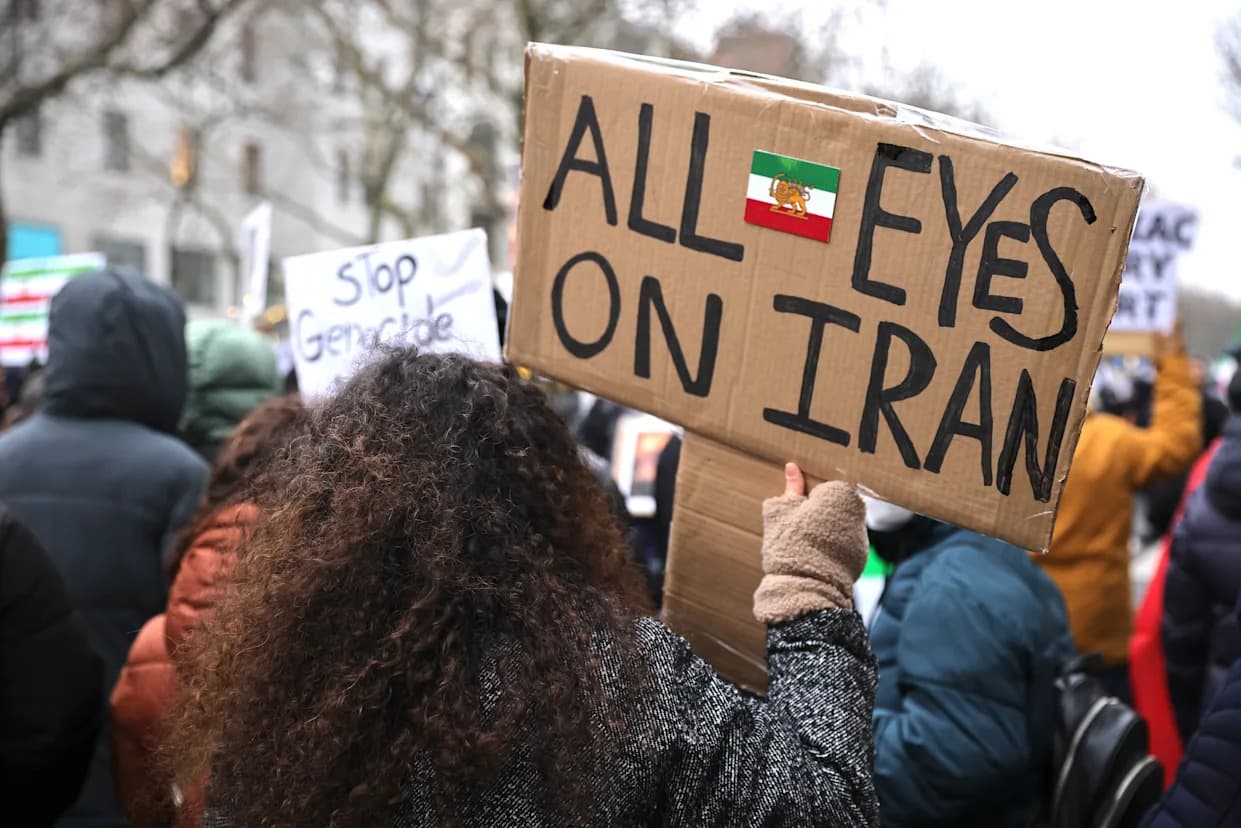
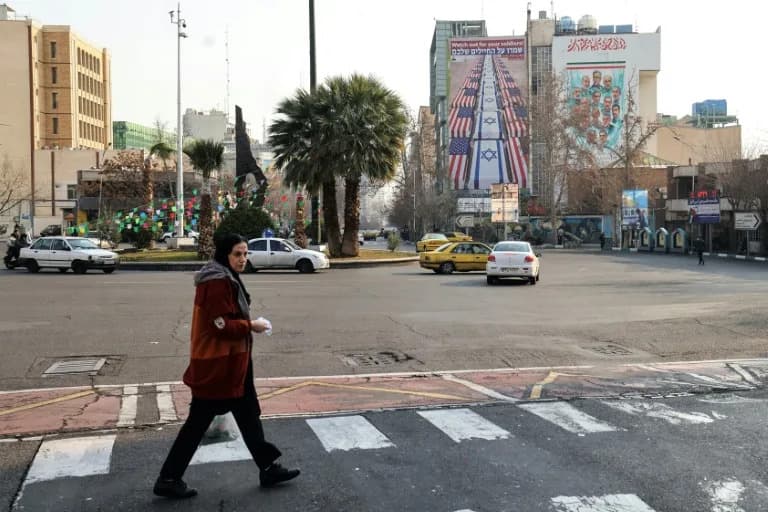
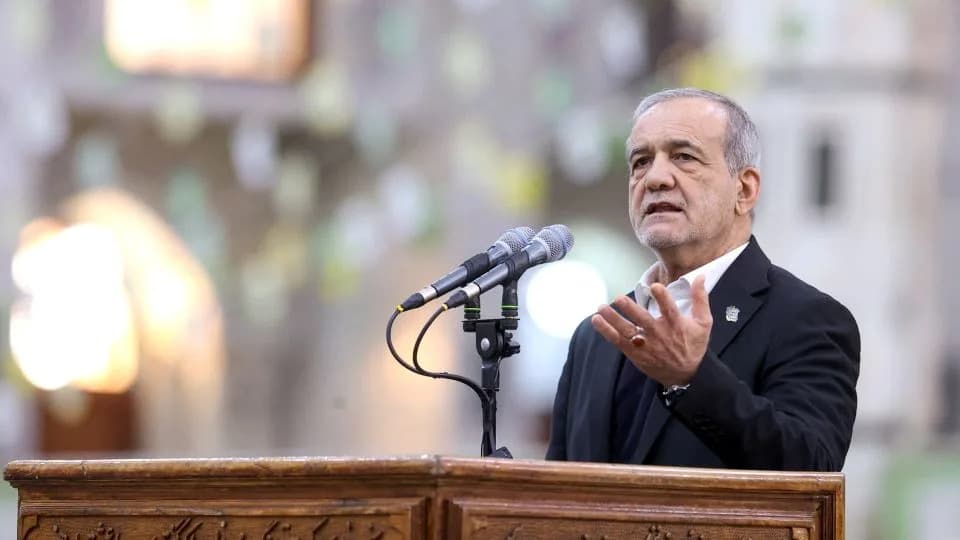
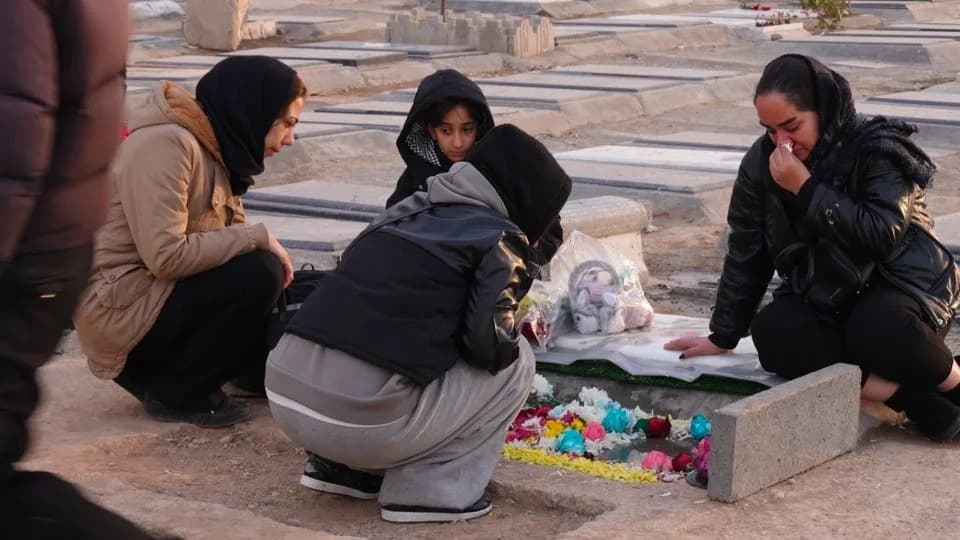
Domestic tensions remain acute after nationwide protests over rising living costs began on December 28 and escalated into broader anti-government demonstrations. Iranian authorities report an official death toll of 3,117; the U.S.-based Human Rights Activists News Agency (HRANA) has published a higher figure of 6,713 deaths, including 137 children. Iranian President Masoud Pezeshkian urged his government to heed public grievances and "serve the people."
Outlook
Regional mediators are pushing for de-escalation even as both diplomacy and deterrence play out in public statements. Observers say the next days will be critical in determining whether talks can proceed or whether confrontational moves will raise the risk of direct conflict.
Help us improve.