Iran refuses to give up uranium enrichment as formal talks with the United States resume in Oman, with Tehran consulting China and Russia and dismissing US military deployments in the region. Washington seeks sanctions relief while pushing for wider talks that would include Iran's missile programme and regional activities; Iran rejects expanding the agenda. The diplomatic effort unfolds amid new US sanctions and a domestic crackdown whose death toll is disputed between official figures and rights monitors.
Iran Stands Firm On Uranium Enrichment As Talks With US Resume Amid Naval Buildup
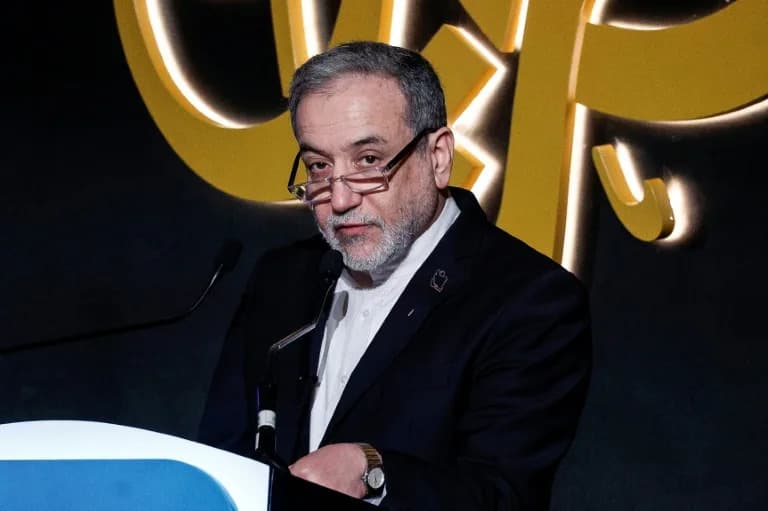
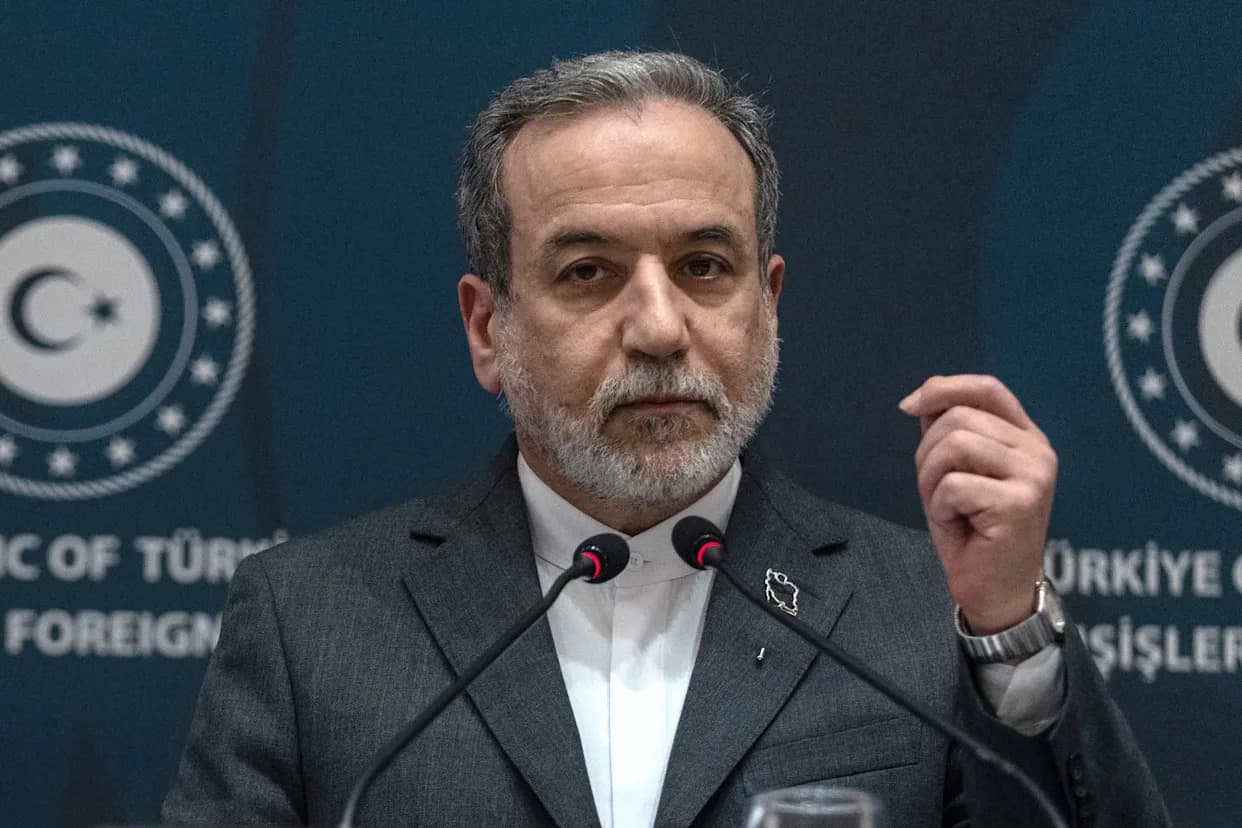
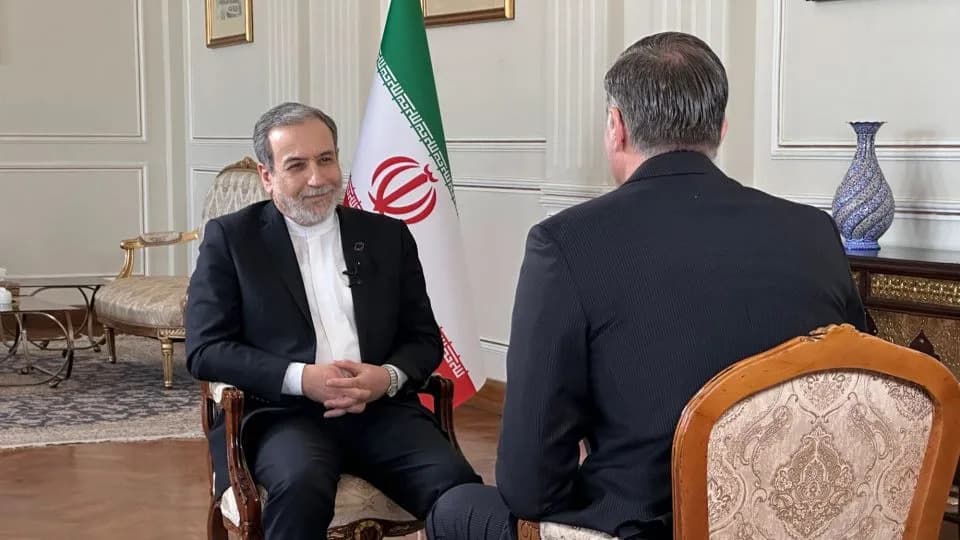
Foreign Minister Abbas Araghchi said Iranhas doubts about how seriously the United States is taking renewed negotiations (Karim JAAFAR)(Karim JAAFAR/AFP/AFP)
Iranian Foreign Minister Abbas Araghchi reiterated on Sunday that Tehran will not abandon its uranium enrichment programme in negotiations with Washington, saying the country will not be intimidated by threats of military action.
Diplomacy Resumes, Trust Remains Low
Araghchi spoke at a Tehran forum attended by AFP, where he said Iran has little trust in the United States and questioned whether US negotiators were approaching the renewed talks in Oman in good faith. He added that Iran was consulting with its "strategic partners" China and Russia as the discussions continue.
"Why do we insist so strongly on enrichment and refuse to give it up, even if war is imposed on us? Because no one has the right to dictate our behaviour," Araghchi said.
Military Posturing And Negotiation Stakes
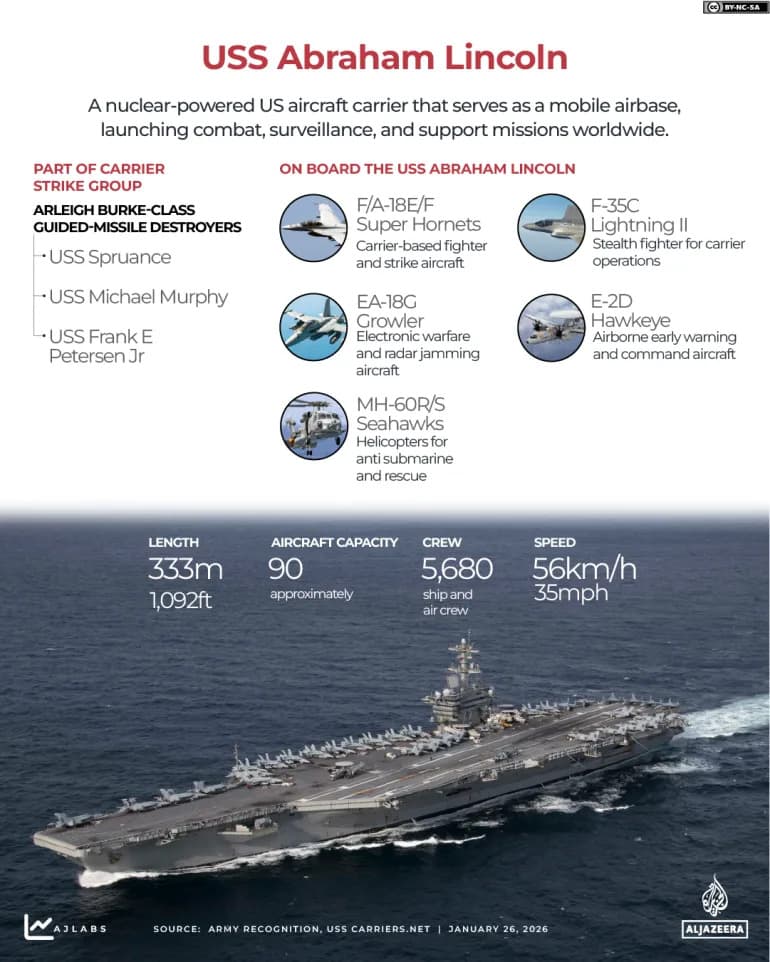
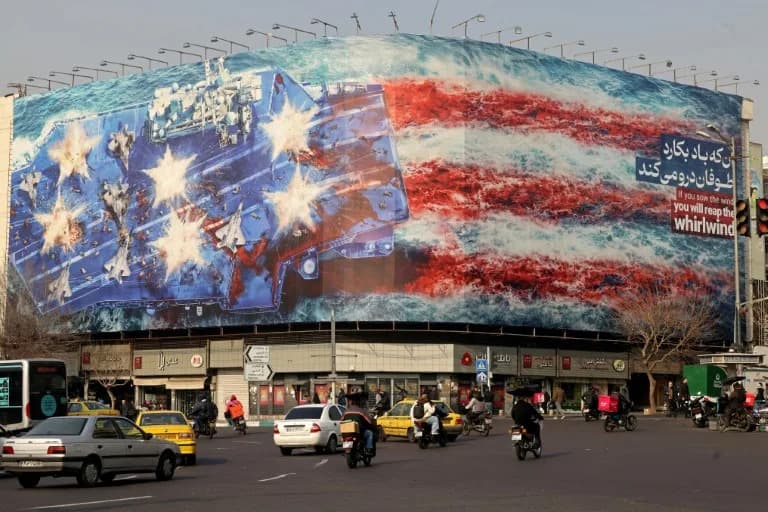
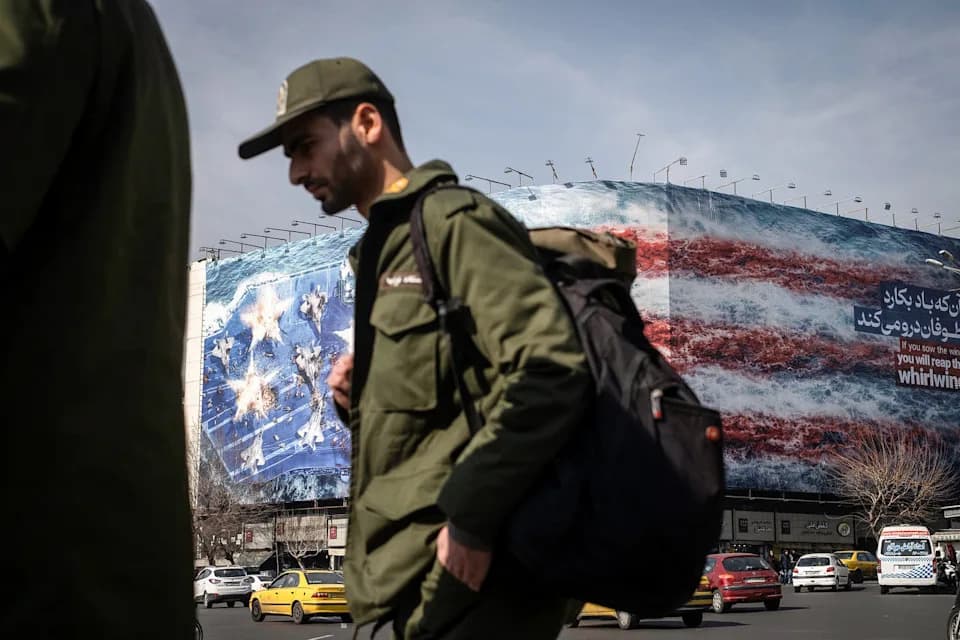
Araghchi dismissed recent US military moves in the region — including the deployment of the aircraft carrier USS Abraham Lincoln to the Arabian Sea — as not intimidating Iran. The United States and Iran reopened talks in Oman on Friday, the first formal negotiations since last June's 12-day conflict involving Israel and the Islamic Republic.
Tehran is seeking the lifting of US economic sanctions in return for what Araghchi described as "a series of confidence-building measures concerning the nuclear programme." Washington and its allies, including Israel, want the talks to cover Iran's ballistic missiles and its support for armed groups across the region — issues Iran refuses to include.
Regional Reactions And US Measures
Israel condemned Iran's nuclear ambitions. Israeli Foreign Minister Gideon Saar called the effort "a clear danger to peace," and Prime Minister Benjamin Netanyahu has urged that missile and proxy issues be part of any negotiation; he was due to meet US President Donald Trump in Washington this week.
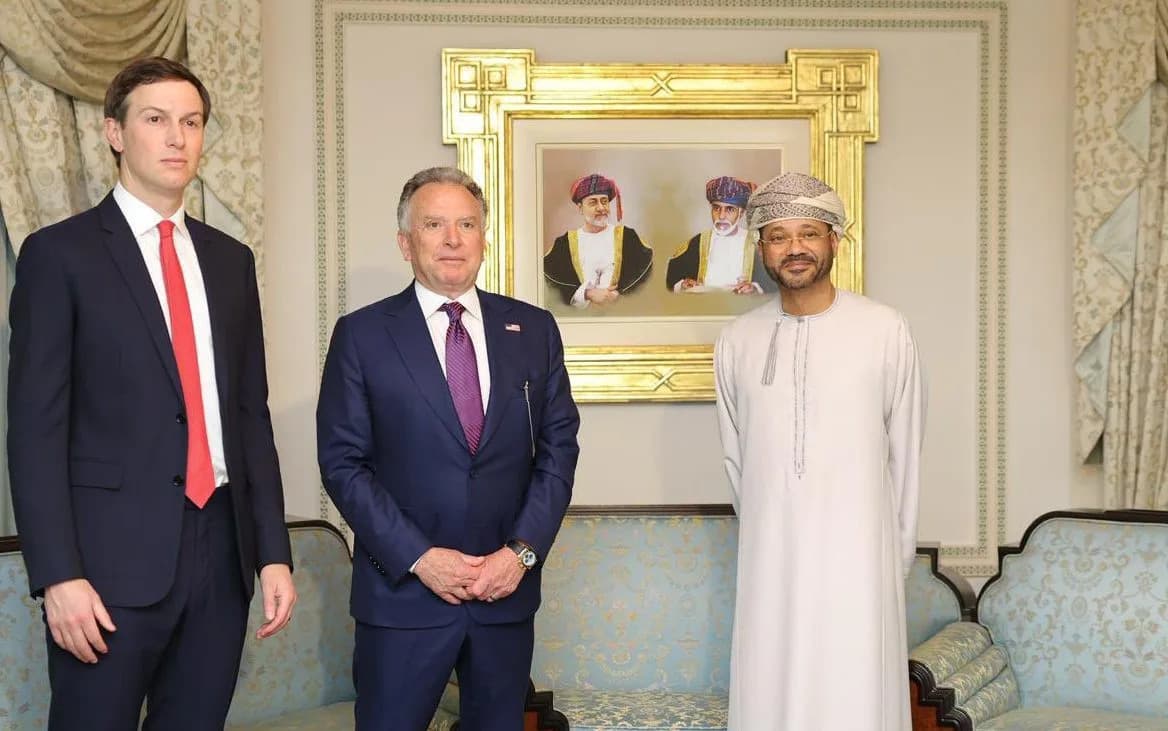
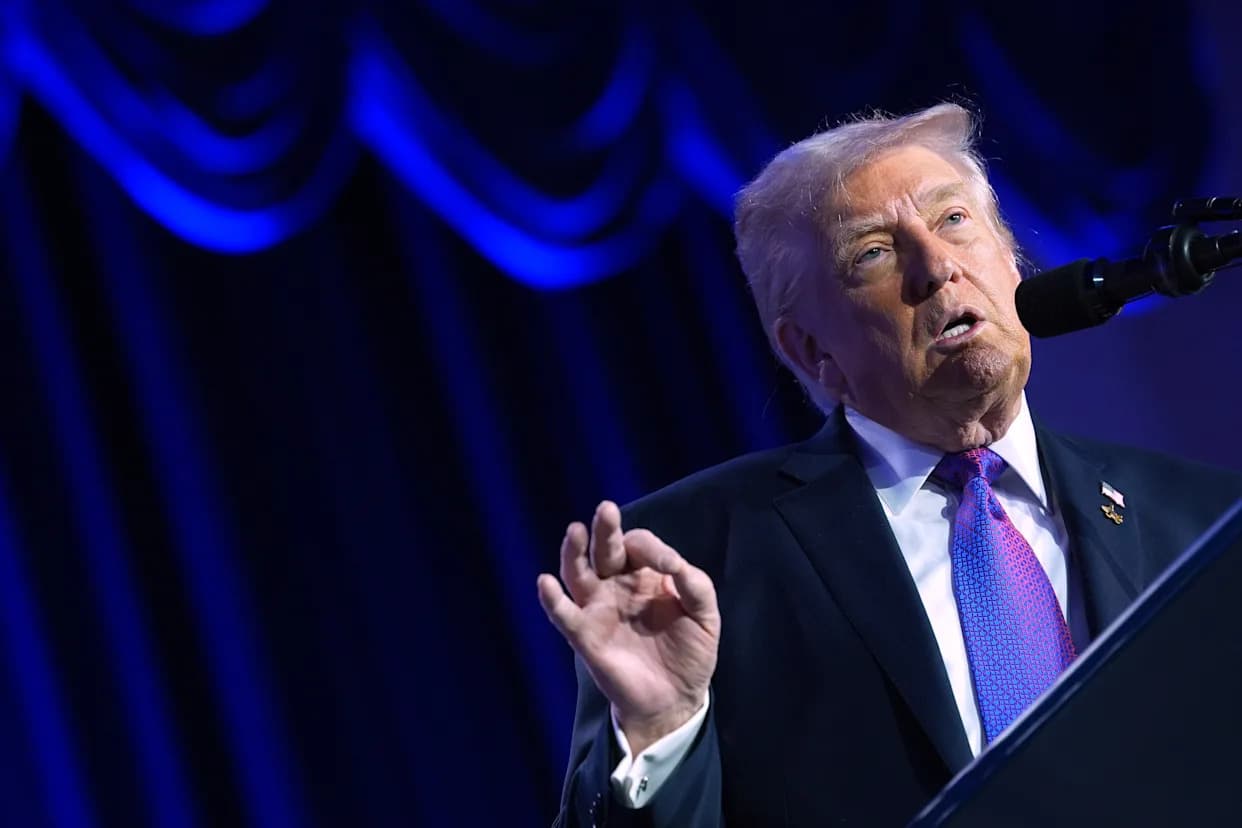
US lead negotiators Steve Witkoff and Jared Kushner visited the USS Abraham Lincoln ahead of the talks; Witkoff described the carrier strike group as "keeping us safe and upholding President Trump's message of peace through strength." Following the first round, President Trump signed an executive order calling for tariffs on countries that continue business with Iran and announced new sanctions targeting shipping entities and vessels to curb Iranian oil exports.
Domestic Context: Protests And Casualties
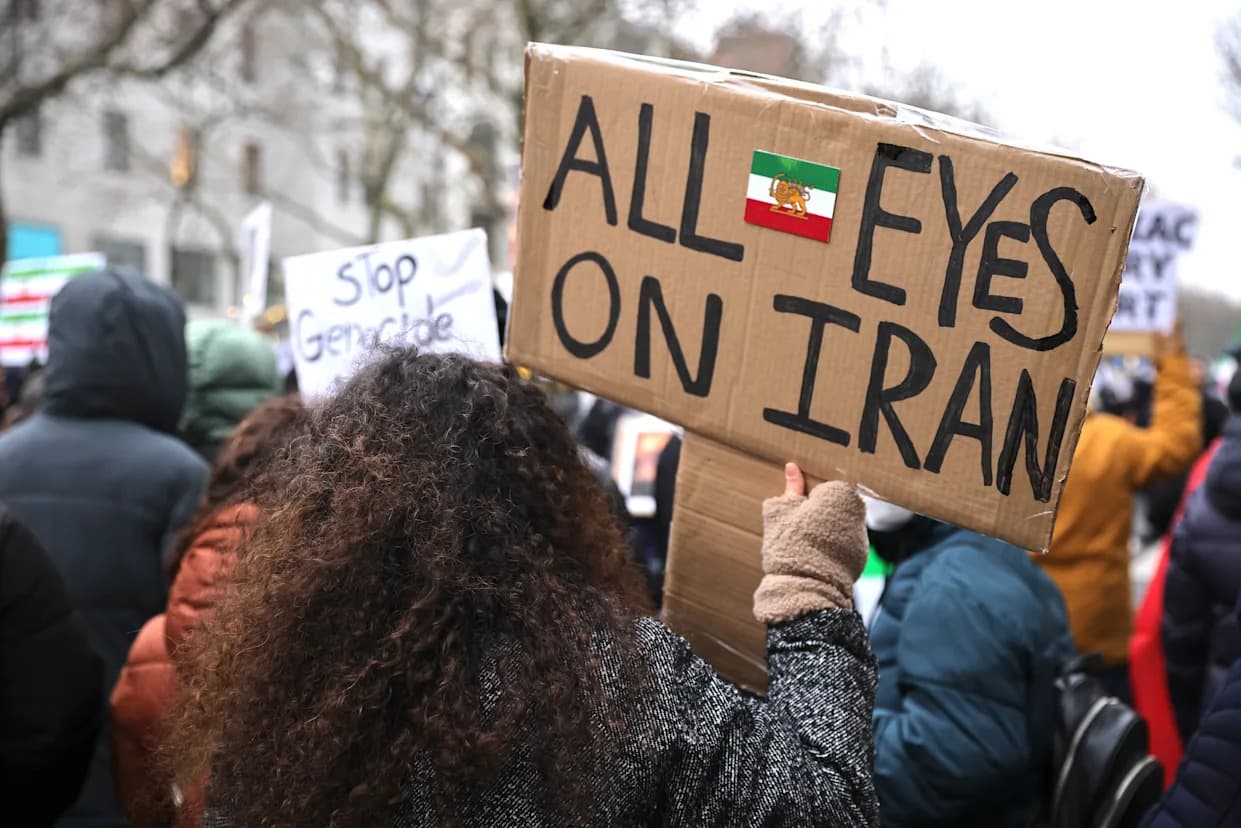
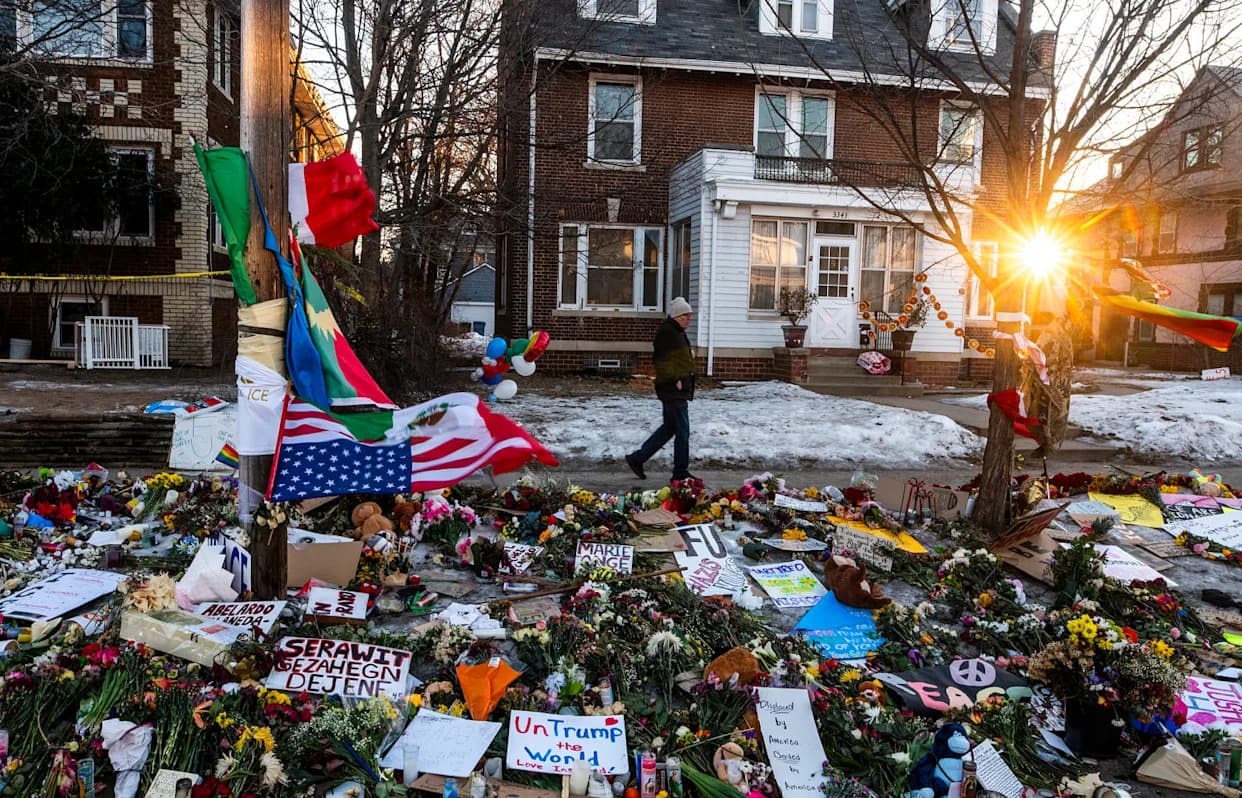
These diplomatic moves and military deployments come against the backdrop of a harsh crackdown on anti-government protests in Iran that began in late December amid economic grievances. Iranian authorities acknowledge 3,117 deaths in the unrest and published a list of 2,986 names, saying most were security personnel or innocent bystanders. Independent monitors report significantly higher figures: the US-based Human Rights Activists News Agency (HRANA) says it has verified 6,961 deaths, has 11,630 additional cases under investigation, and has recorded over 51,000 arrests.
Araghchi warned that the continuation of sanctions and military steps by the United States cast doubt on Washington's commitment to genuine diplomacy. "We are monitoring the situation closely, assessing all the signals and will decide on the continuation of the negotiations," he said.
Help us improve.