The US issued an urgent advisory for Americans to leave Iran as diplomatic talks on Tehran’s nuclear programme convened in Muscat. Steve Witkoff met Iran’s Abbas Araghchi in the first in-person US–Iran talks since last summer’s 12-day conflict. Washington is pushing Iran to curb enrichment and surrender enriched uranium stocks, while also pressing on missiles and support for regional armed groups. The talks take place amid heightened military activity and recent unrest inside Iran.
US Urges Citizens To Leave Iran As High-Stakes Nuclear Talks Begin In Muscat
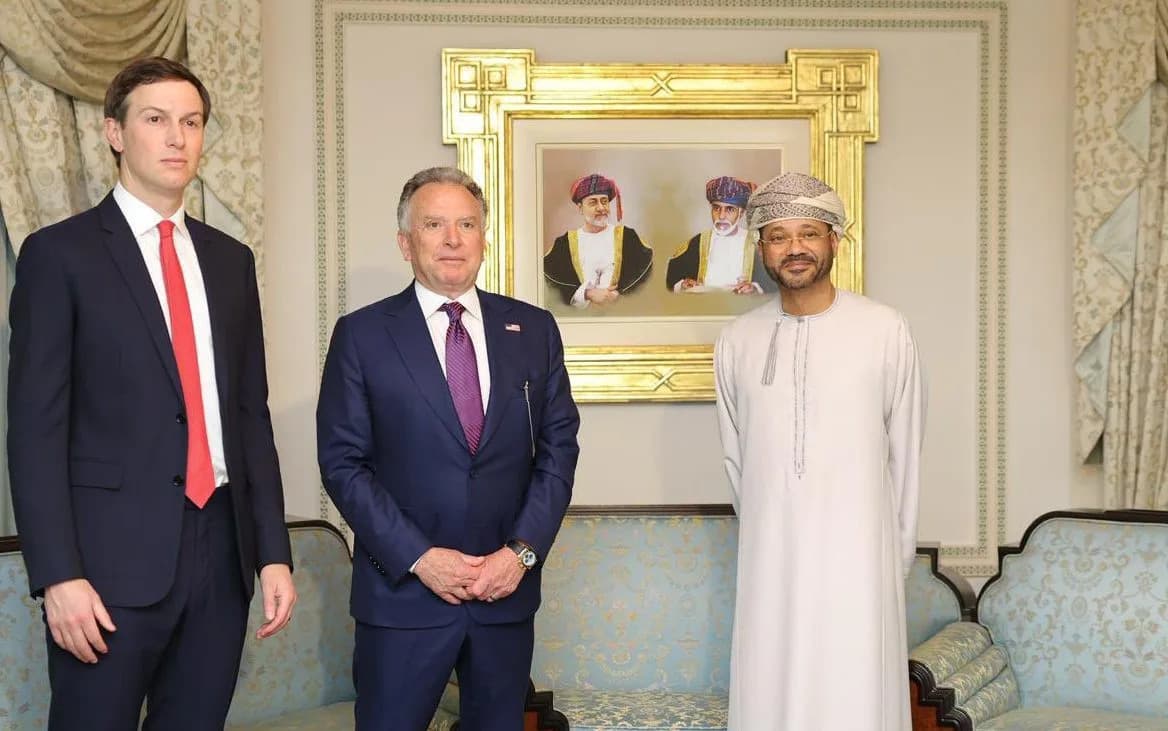
Badr bin Hamad al-Busaidi, Oman’s foreign minister, plays host for the Iran talks with Steve Witkoff, Donald Trump’s special envoy for peace, and Jared Kushner, the US president’s son-in-law - Omani Foreign Ministry/AFP
The United States has issued an urgent security advisory telling American citizens to leave Iran immediately as diplomats met in Muscat, Oman, to discuss the future of Tehran’s nuclear programme.
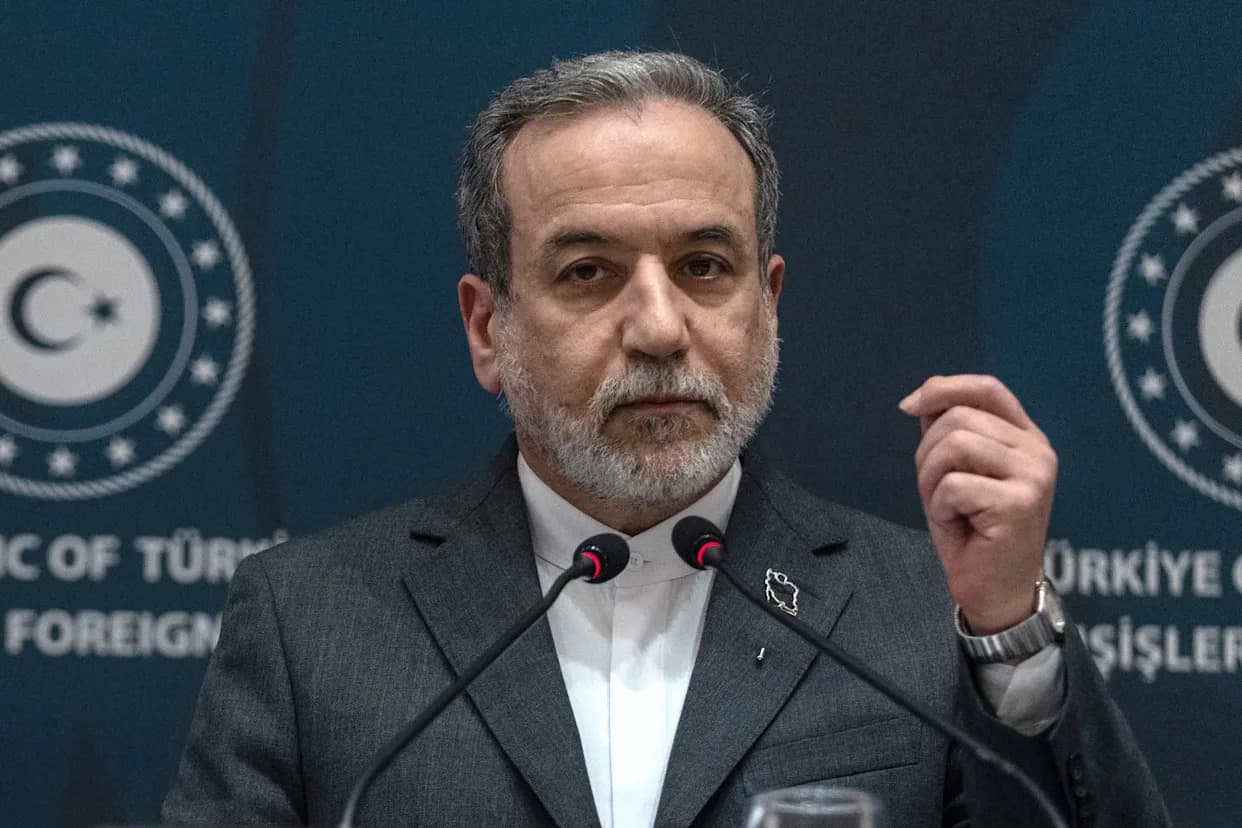
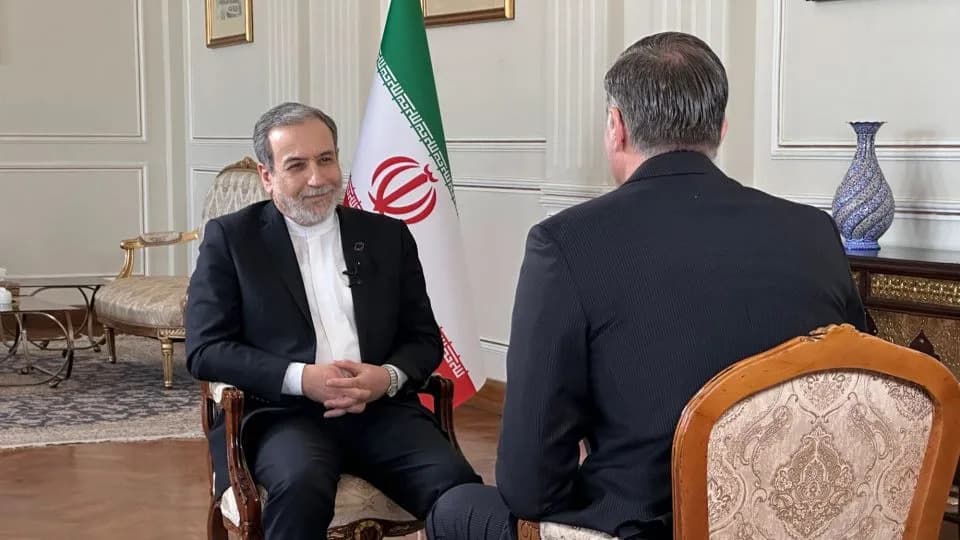
Steve Witkoff, described by officials as President Donald Trump’s special envoy for peace, held face-to-face talks with Iran’s deputy foreign minister Abbas Araghchi early on Friday at the Muscat summit — the first in-person U.S.–Iran meeting since last summer’s 12-day conflict.
Military Tensions and Diplomatic Pressure
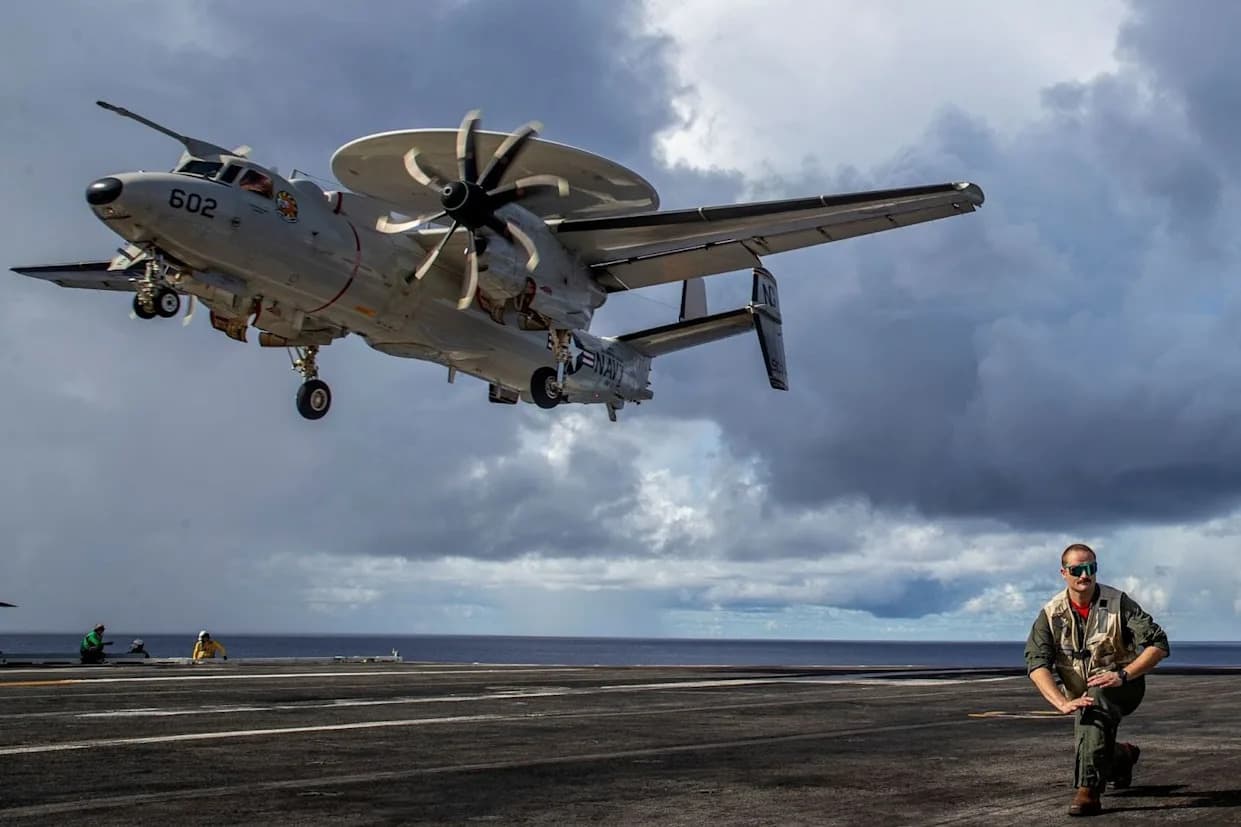
In recent weeks Washington has increased its naval and military presence near Iran, a deployment President Trump has repeatedly characterised as an “armada.” The administration has warned that it will not rule out military action if diplomacy fails to secure a new nuclear agreement.
Shortly before the talks began, the U.S. virtual embassy in Iran issued a security alert advising American citizens to “leave Iran now.” Iran’s delegation responded that Tehran is prepared to defend itself against what it called “excessive demands or adventurism” by the United States.
Negotiating Agenda
Washington’s central objective in Muscat is to persuade Iran to halt parts of its nuclear programme and relinquish stocks of enriched uranium. Delegates also expected to press Tehran on its ballistic missile development and its support for regional armed groups, including Hamas and Hezbollah.
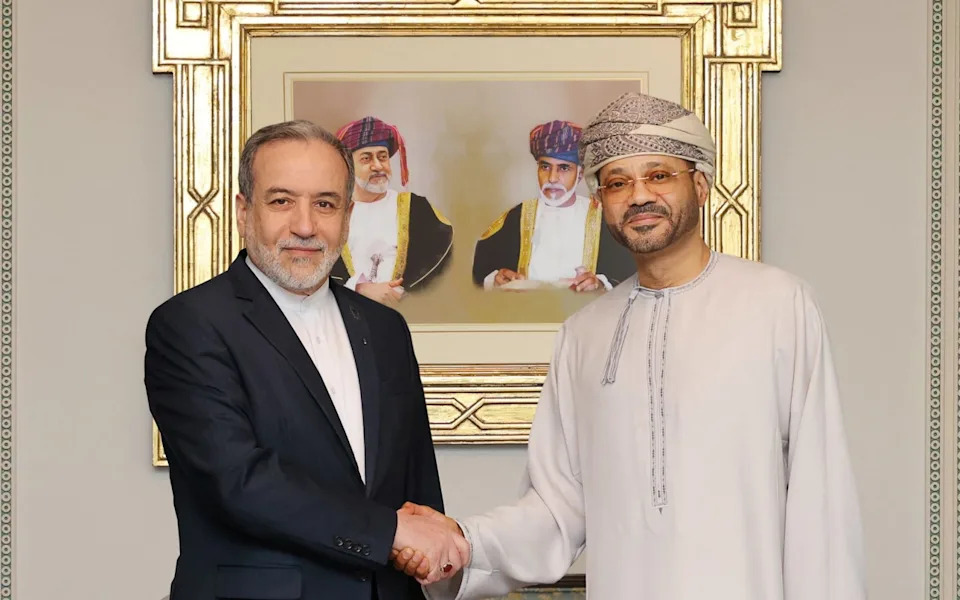
Abbas Araghchi, Iran’s foreign minister shakes hands with Badr bin Hamad al-Busaidi, Oman’s foreign minister, at the talks in Muscat on Friday - Omani Foreign Ministry/AFP
White House press secretary Karoline Leavitt said the U.S. delegation would press for what she termed “zero nuclear capacity” for Iran and reiterated that the president retains “many options at his disposal ... as commander in chief.”
Regional and International Reactions
China, an important partner to Iran, publicly backed Tehran’s right to defend its interests and criticised what it described as unilateral pressure from Washington. There was also debate ahead of the summit over whether regional states would participate; the New York Times reported that U.S. and Iranian officials agreed to exclude regional actors from the initial talks, which would nonetheless aim to discuss missiles and militant groups as part of a possible framework for a broader deal.
Domestic Context In Iran
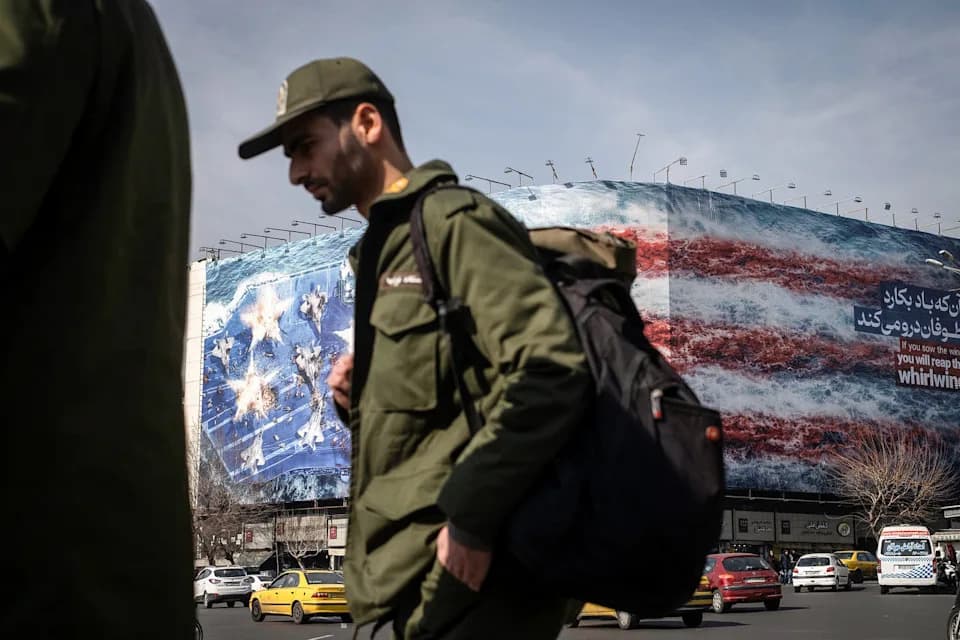
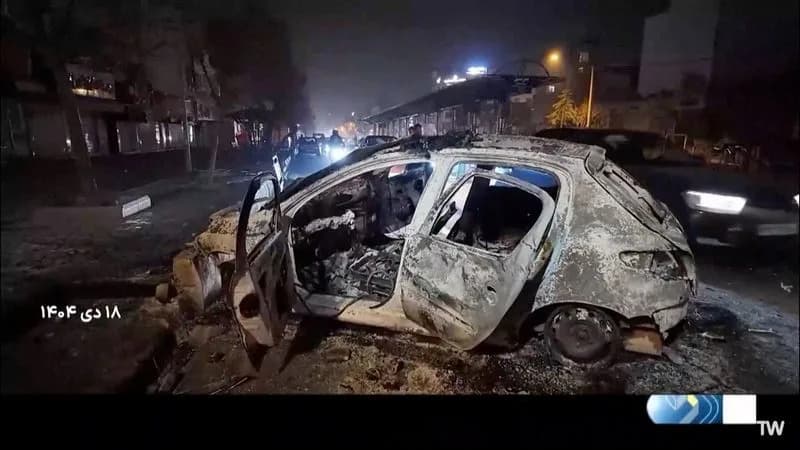
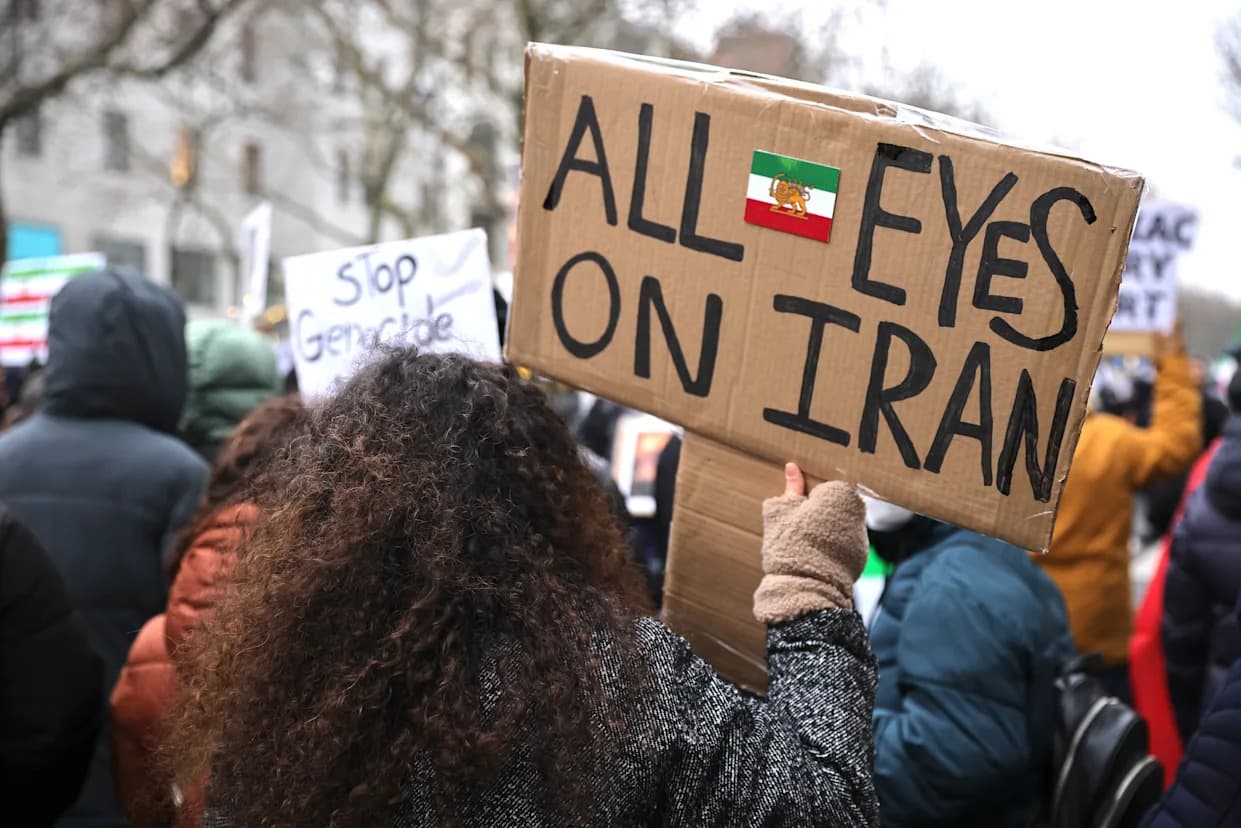
The Muscat meeting comes less than a month after the peak of nationwide protests in Iran. Human rights groups say the demonstrations were met with a violent crackdown that left thousands dead — a claim Iran disputes — and the events remain a sensitive backdrop to any diplomatic engagement.
Voices From Washington
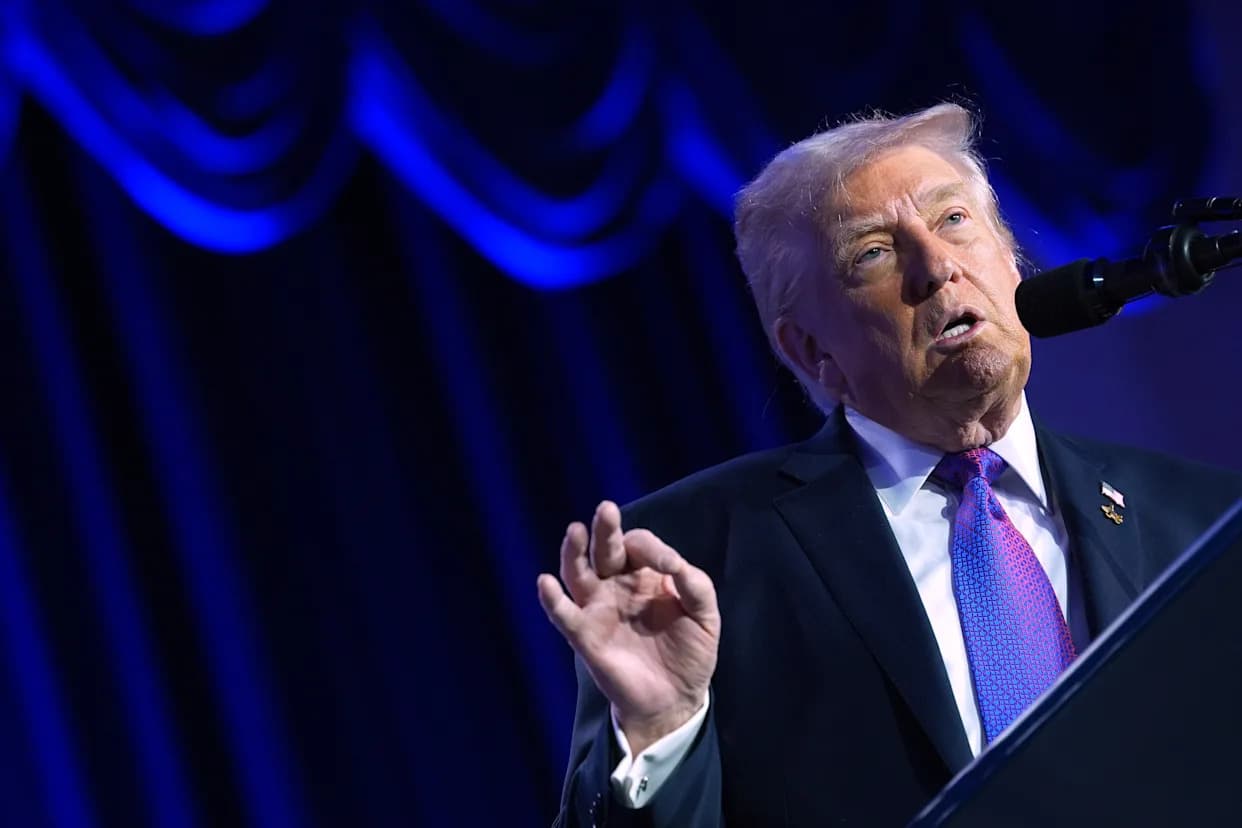
President Trump briefly commented that the two sides were “negotiating” and again referenced the naval force he has described as an “armada.” A Trump ally, senator JD Vance, was quoted urging the administration to keep all options open, saying negotiations would be pursued but that military action remained a possible measure if talks failed.
Damage To Iran’s Nuclear Infrastructure
Iran maintains that its uranium enrichment programme was interrupted following attacks last June that the country attributes to both the U.S. and Israel. Observers have reported significant damage to Iranian nuclear facilities, which Tehran says set back its timetable by several years.
Outlook: The Muscat talks are an early, cautious step toward addressing some of the most sensitive security issues between the two countries. Success would require bridging deep disagreements on nuclear limits, missile capabilities and regional influence — and would be fragile against the backdrop of high military tensions and domestic unrest in Iran.
Help us improve.