The Kennedy Center, opened in 1971 as a bipartisan national cultural institution, has undergone a dramatic transformation during Donald Trump’s second term. After a Truth Social post on 7 February 2025, trustees were removed, president Deborah Rutter was dismissed, and Ric Grenell was installed. The Center dissolved its social impact initiative, saw artists and audiences withdraw, and lost the Washington National Opera. Trump later announced an approximately two‑year closure for renovations, a move critics say risks eroding donor support and irreplaceable institutional expertise.
Seized, Subverted, Shuttered: How One Year Upended the Kennedy Center
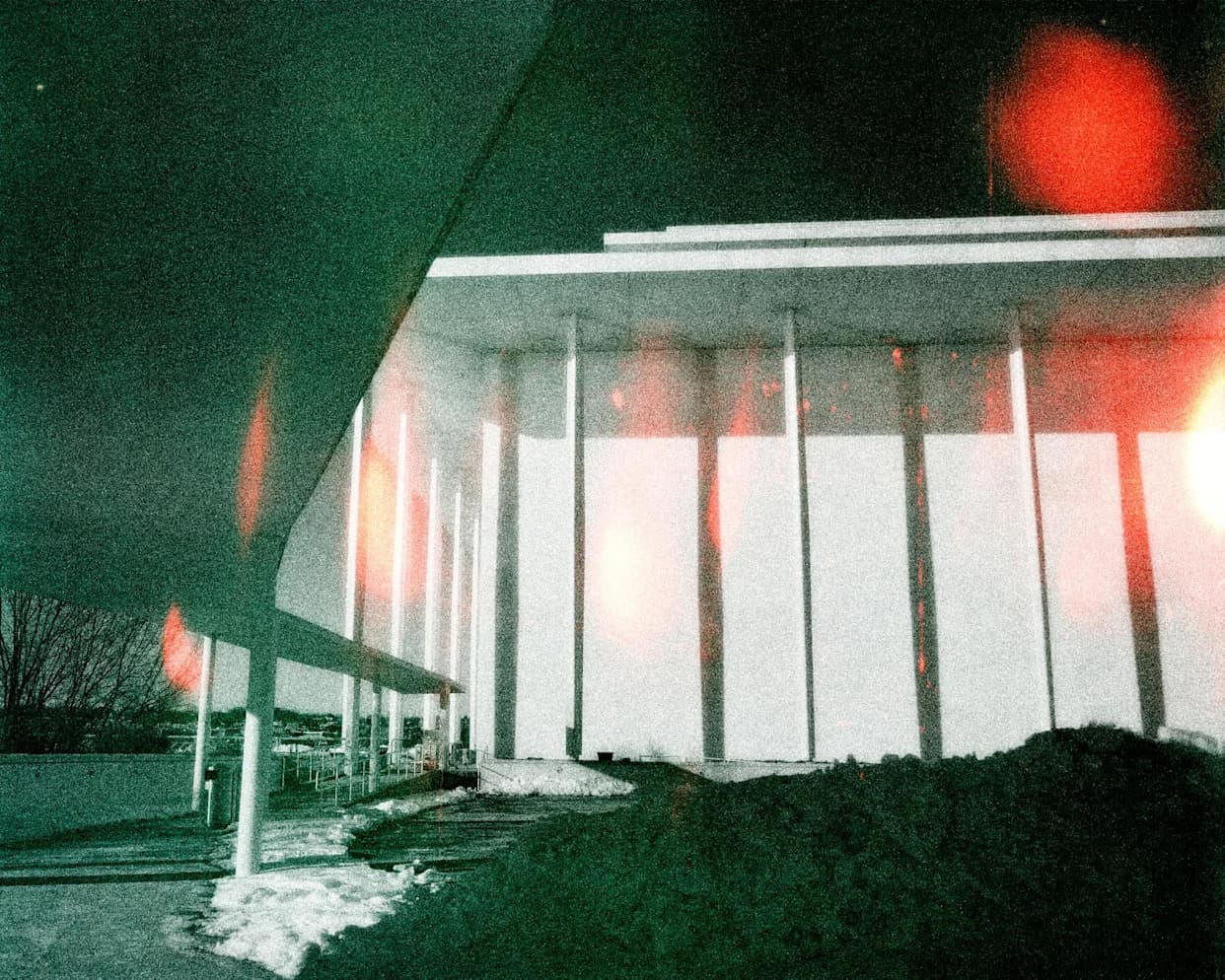
The John F Kennedy Center for the Performing Arts in Washington DC, now facing an uncertain future.Composite: The Guardian/Getty Images(Composite: The Guardian/Getty Images)
The Brentano String Quartet had just finished a set when a surprise backstage visitor appeared: US Supreme Court Justice Ruth Bader Ginsburg. “We thanked her for everything she had done for our country,” violinist Mark Steinberg remembers. “It was a nice moment.”
That scene from 2016 at the John F. Kennedy Center for the Performing Arts in Washington now feels like a memory from another era. A decade later, the constellation of civic rituals and bipartisan stewardship that sustained the Center has been shaken: Ginsburg is gone, Donald Trump is president, and the institution has been transformed in ways that many staff, artists and patrons describe as deeply damaging.
From Bipartisan Landmark to Political Flashpoint
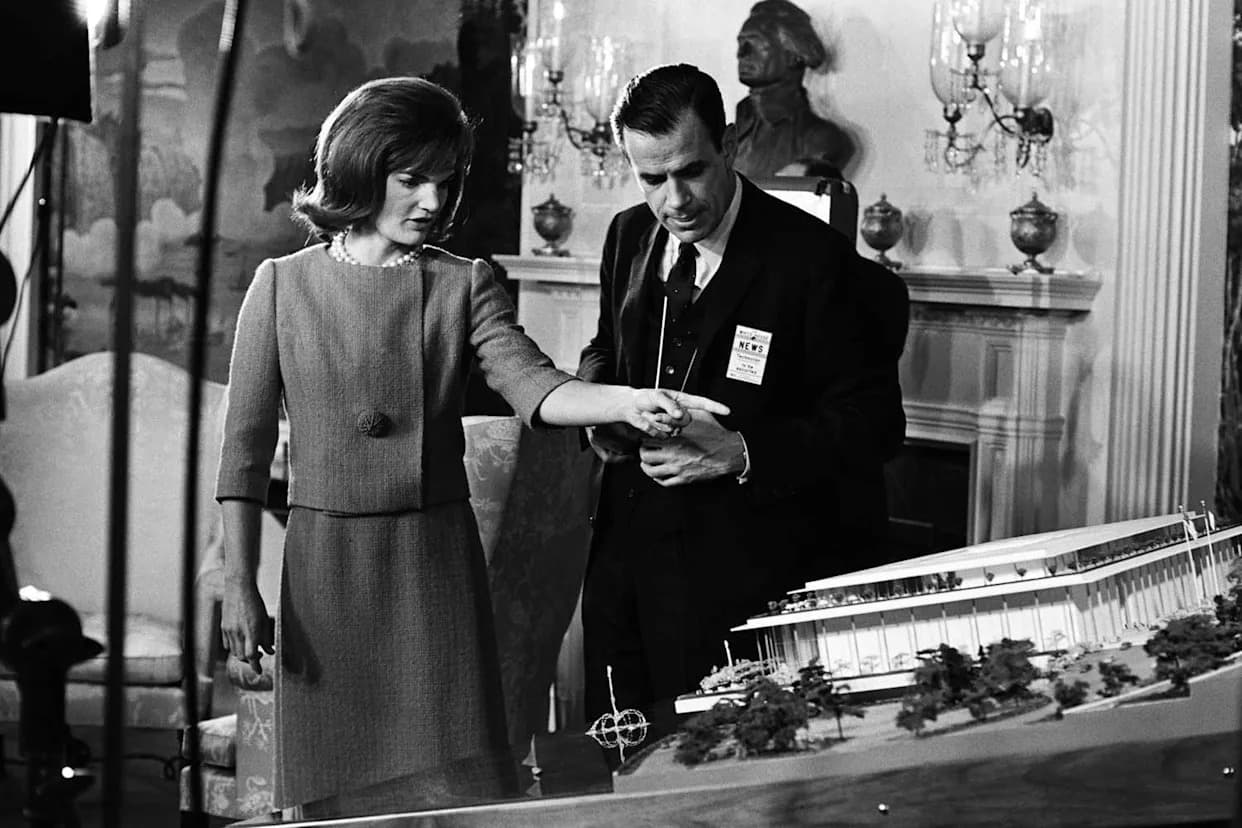
Built as a bipartisan national cultural centre and opened in 1971 with the premiere of Leonard Bernstein’s Mass, the Kennedy Center has long hosted opera, ballet, theatre, jazz, contemporary dance, educational programmes and festivals. Its origins—backed by President Dwight Eisenhower and later dedicated as a living memorial to John F. Kennedy—gave it a cross‑partisan identity that many regarded as sacrosanct.
The Takeover
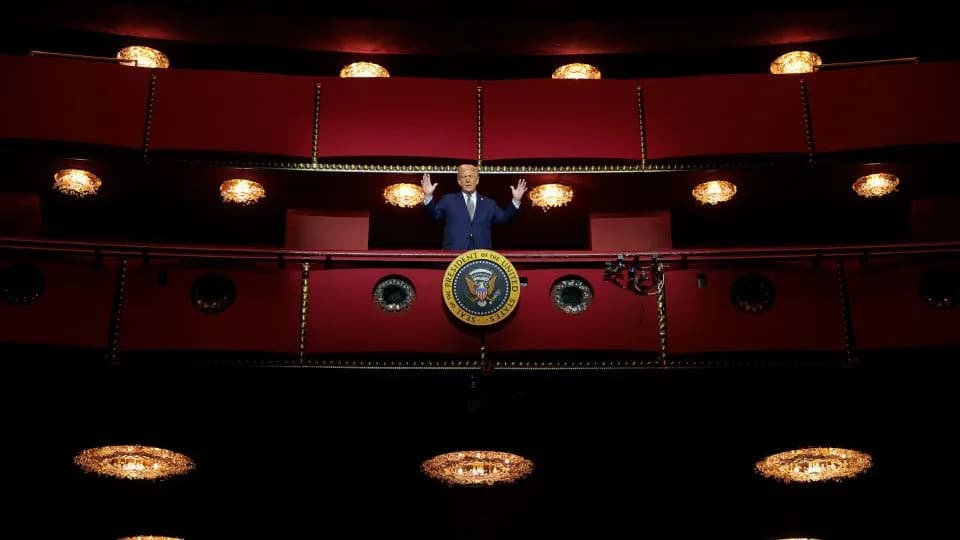
The turning point came with a Truth Social post on 7 February 2025, when President Trump announced he was “immediately terminating” multiple trustees and promised to install a new board “with an amazing Chairman, DONALD J. TRUMP!” He publicly criticized programming he deemed objectionable and framed the changes as a restoration of an imagined cultural ideal.
“I would have felt ashamed to walk out on stage there. I can’t quite bring myself to go into the building at this point,” said Mark Steinberg after the Brentano Quartet cancelled a recent engagement, citing what musicians and staff described as a hostile takeover.
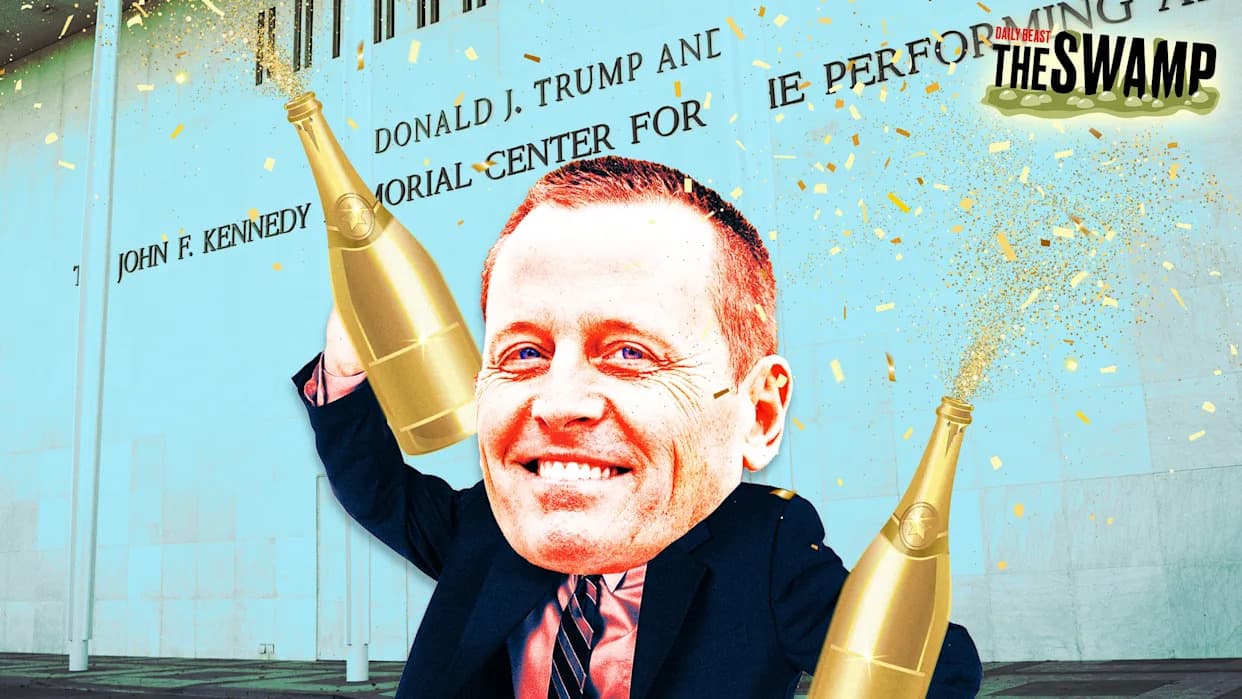
Soon after the announcement, President Deborah Rutter was dismissed and Ric Grenell — a former US ambassador without arts‑administration experience — was installed in a leadership role. Management disputed claims that the Center was financially imperiled, but the rapid leadership turnover and public rhetoric sent shock waves through the staff.
Immediate Fallout
The Center dissolved its social impact initiative, created in 2020 to advance anti‑racism and community outreach, eliminating about 10 positions. High‑profile artists — from actor Issa Rae to composer Philip Glass — cancelled performances, and pictures of empty rows quickly circulated on social media as audiences voted with their feet.
Longtime supporters and subscribers pulled back. One patron who had held a membership for decades described the changes as an imposition of a single personality’s taste and will, and called the transformation “megalomania.” Staff morale, former employees say, plummeted; some report a “depression” in the building after the new leadership declined to engage broadly with the workforce.
Renaming, Renovation And The Opera’s Exit
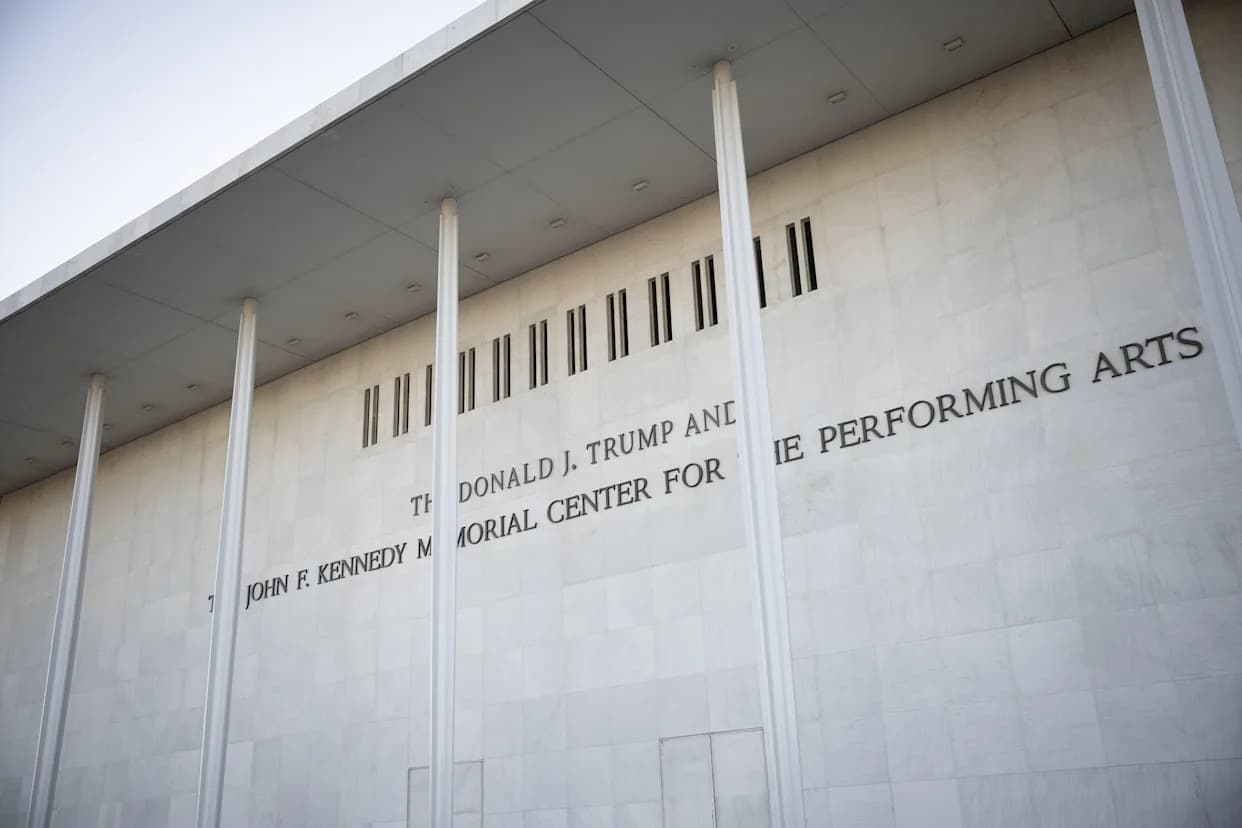
Under the new board, the building was announced to be renamed the “Trump Kennedy Center,” and the president’s name was added to the exterior. On 29 January the Center hosted the premiere of Melania, a documentary attended by the Trumps; three days later President Trump used Truth Social to announce an approximately two‑year shutdown for renovations, estimating costs at roughly $200 million but offering no clear funding plan. Critics argue the closure could be a cover for falling audiences and diminished programming.
Last month the Washington National Opera, resident at the Center since 1971, announced it would leave and present productions at multiple venues next season. Timothy O’Leary, the WNO’s general director, framed the move as an act of resilience — producing across the Washington region — but acknowledged the disruption and the loss of a long‑standing home.
Longer‑Term Risks
Arts leaders warn that a prolonged closure and politicized leadership threaten donor relationships, subscriber bases and the deep institutional expertise that underpins technical and artistic excellence: the backstage crews, costume and scene shops, and administrators whose accumulated knowledge took decades to build.
Michael Kaiser, who led the Center from 2001 to 2014, said the institution’s non‑partisan standing had been eroded and warned that once a circle of supporters disperses during a long shutdown, rebuilding it can take years — if it happens at all.
Where Things Stand
Within a year, many observers say, the Kennedy Center has been transformed from a broadly respected national institution into a politicized symbol whose future is uncertain. For artists, staff and longtime patrons, the crisis is both professional and personal — a space where people once sought refuge from partisan division now feels irrevocably altered.
“It’s always easy to destroy something. That can be done in seconds. It is very difficult to build something good that works, that serves,” said Charlotte Canning, a drama professor. “The Kennedy Center is going to be a case in point.”
Help us improve.