Iran’s foreign minister, Abbas Araghchi, said Tehran’s strength lies in its readiness to “say no to the great powers,” signaling a hard line after indirect nuclear talks with U.S. representatives in Oman. He reaffirmed Iran’s insistence on the right to enrich uranium while President Masoud Pezeshkian called the meetings “a step forward.” The U.S. has bolstered its regional military presence, including the USS Abraham Lincoln, and both sides face major hurdles before follow-up talks can be scheduled.
Iran's Foreign Minister Says Tehran's Power Is Its Ability To 'Say No' After US Nuclear Talks
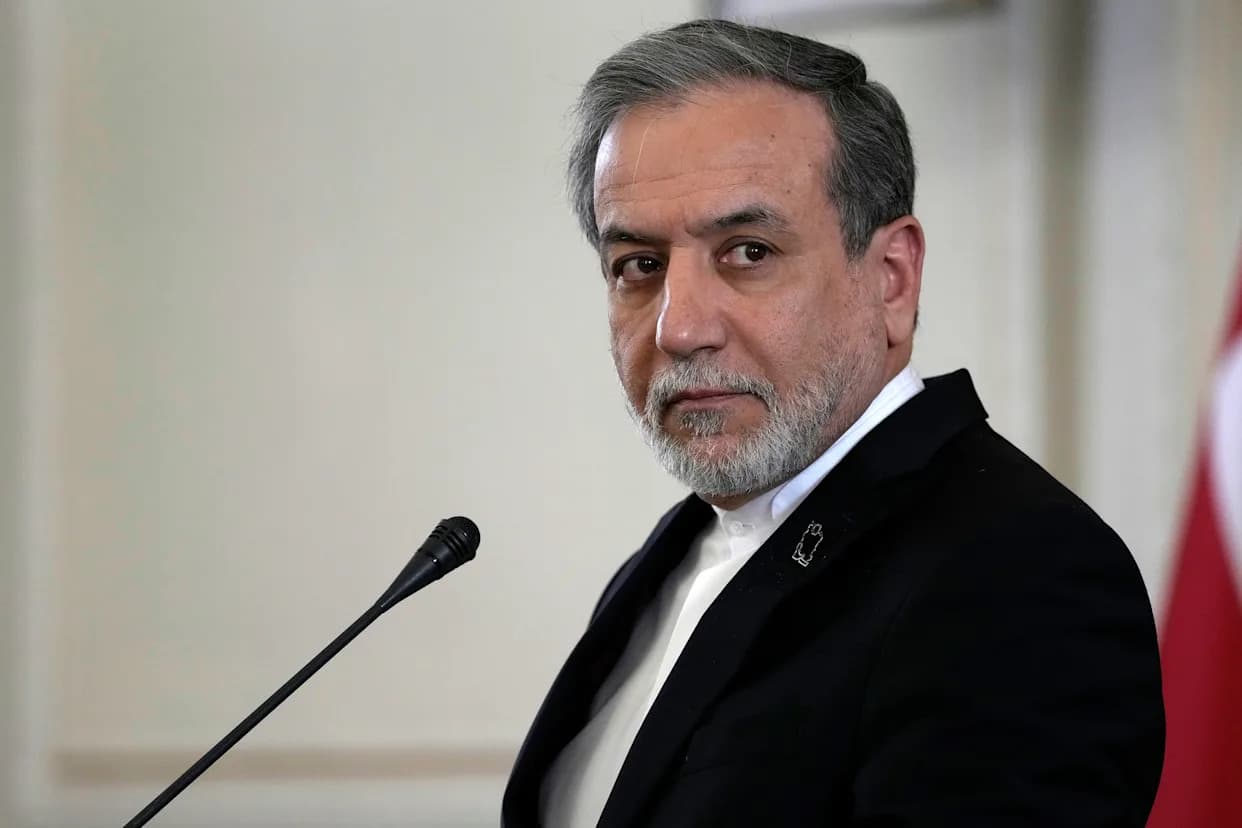
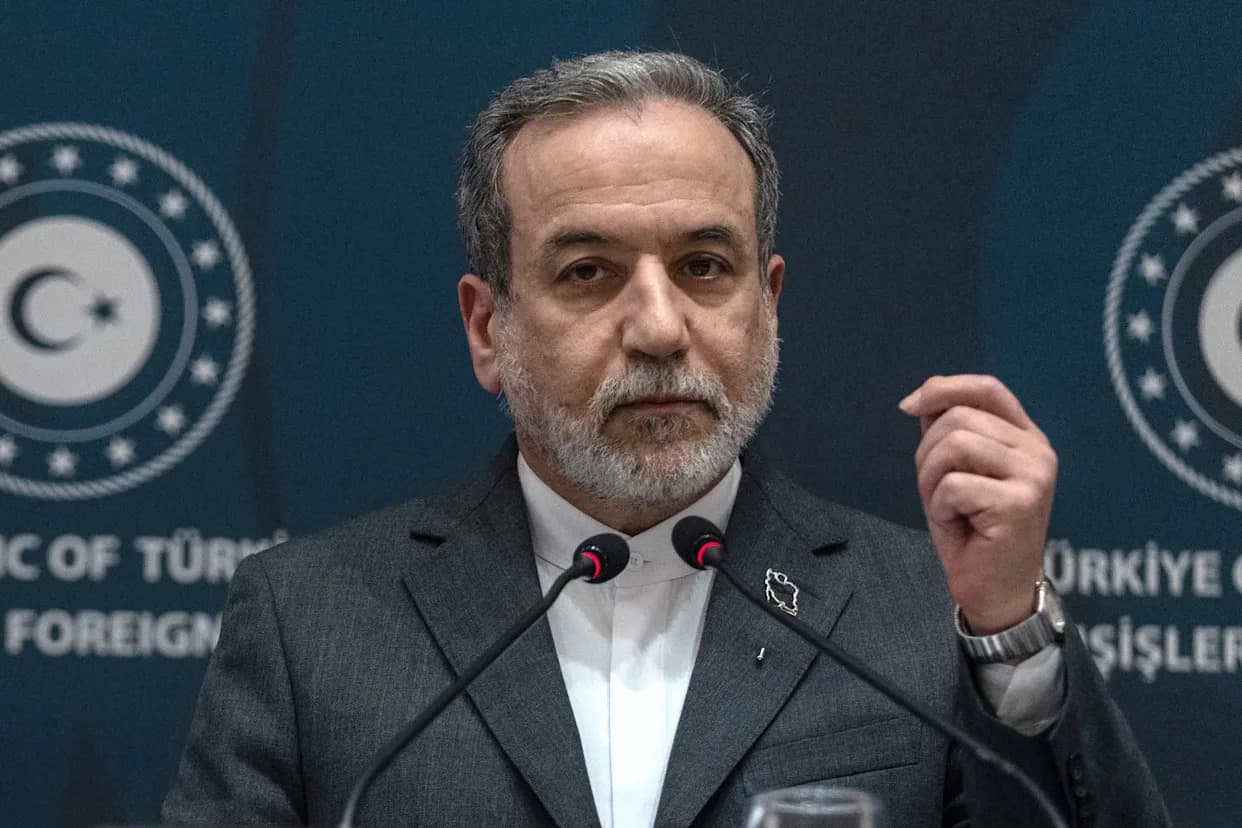
FILE - Iranian Foreign Minister Abbas Araghchi listens to a question in a joint press briefing with his Omani counterpart Sayyid Badr Albusaidi after their meeting in Tehran, Iran, Monday, Dec. 30, 2024. (AP Photo/Vahid Salemi,File)(ASSOCIATED PRESS)
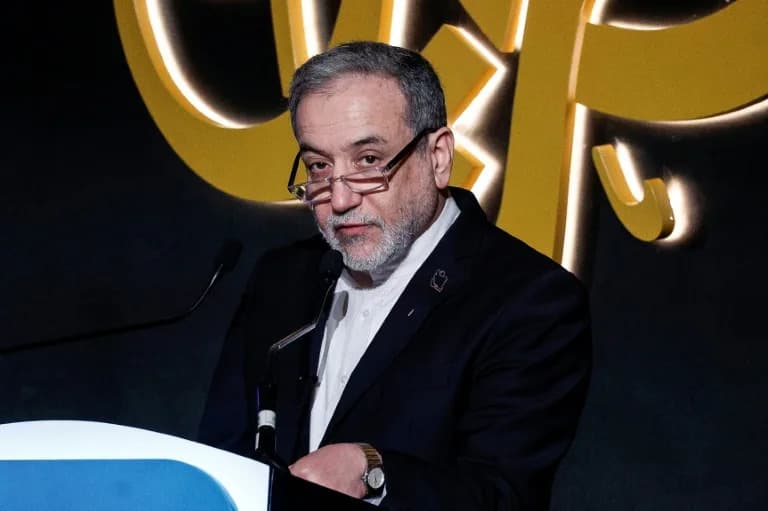
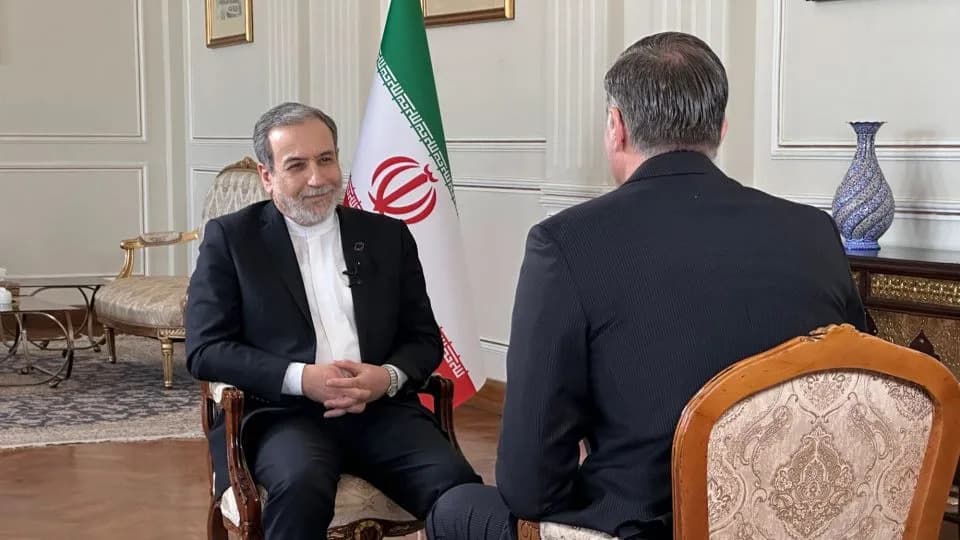
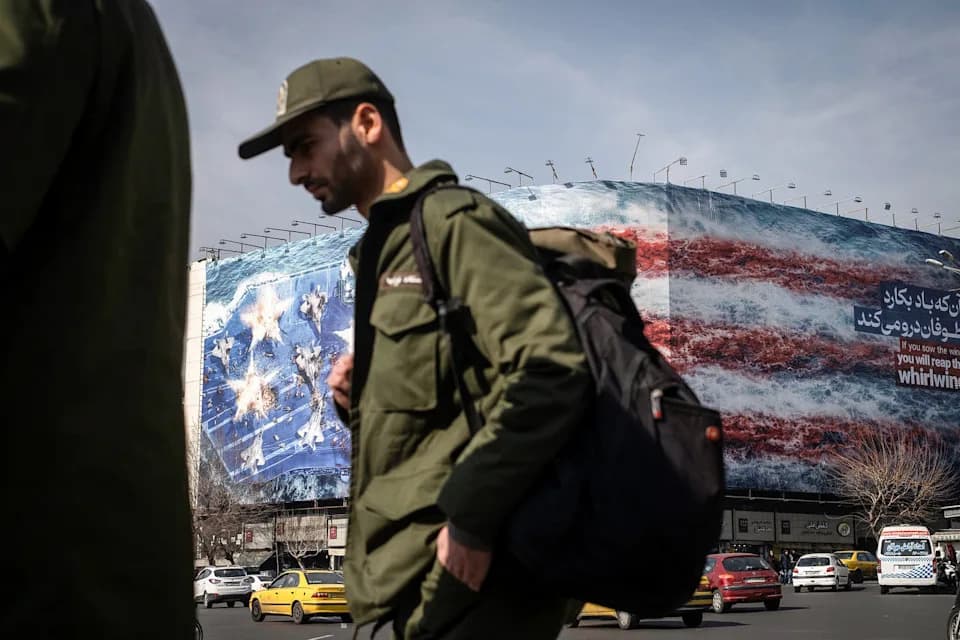
DUBAI, United Arab Emirates — Iran’s foreign minister, Abbas Araghchi, told diplomats Sunday that the Islamic Republic’s strength stems from its willingness to “say no to the great powers,” a firm stance voiced shortly after indirect talks with U.S. representatives over Tehran’s nuclear program and amid ongoing domestic protests.
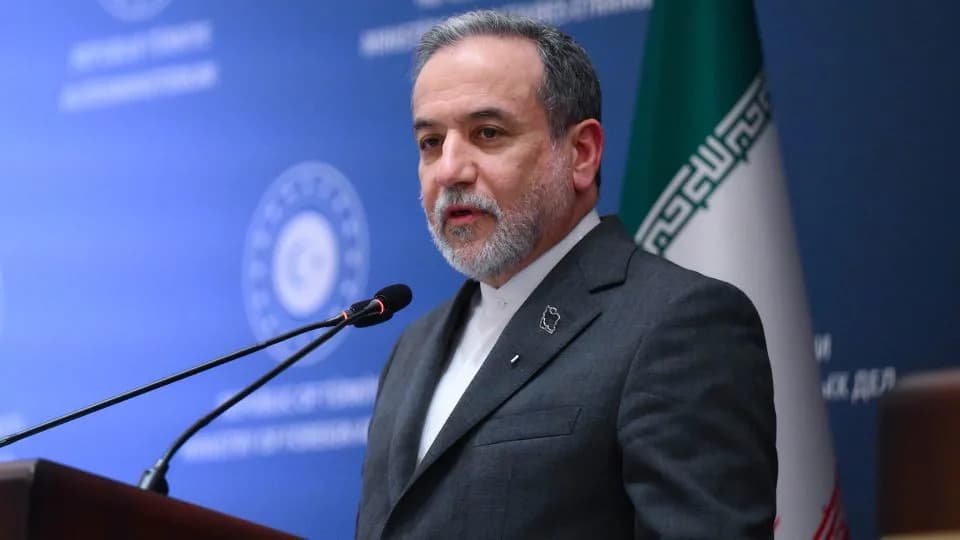
Addressing a summit in Tehran, Araghchi reiterated that Iran will defend its right to enrich uranium — a central point of contention with Washington. President Masoud Pezeshkian described the meetings in Oman as “a step forward,” but Araghchi’s remarks underscore how difficult any agreement will be.
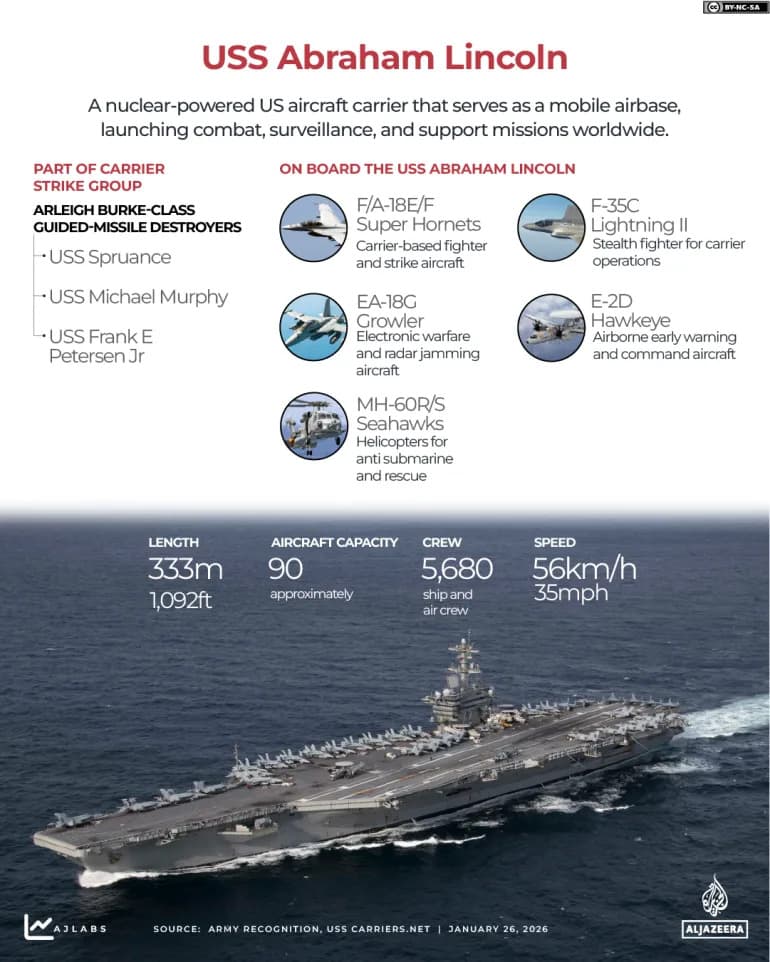
The United States has boosted its military presence in the region, including the deployment of the aircraft carrier USS Abraham Lincoln and supporting vessels and aircraft, a move officials say is intended to increase pressure on Iran and retain the option of military action if diplomacy fails.
“I believe the secret of the Islamic Republic of Iran’s power lies in its ability to stand against bullying, domination and pressures from others,” Araghchi said. “They fear our atomic bomb, while we are not pursuing an atomic bomb. Our atomic bomb is the power to say no to the great powers.”
‘Atomic Bomb’ Used As Rhetorical Device
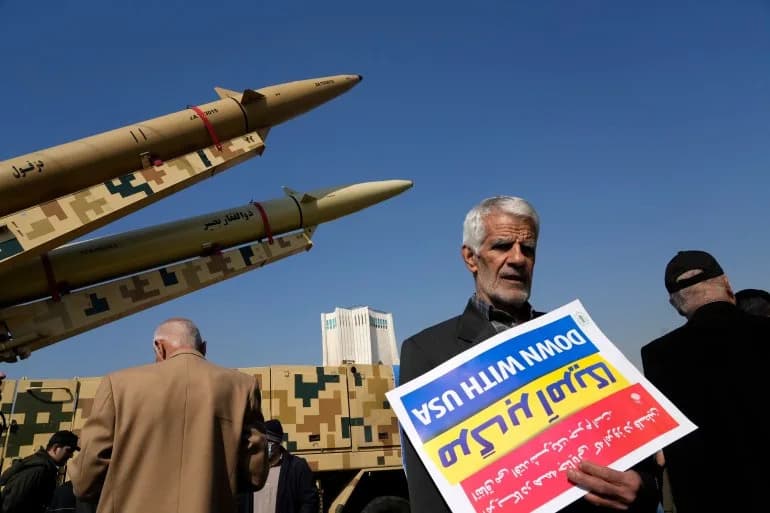
Araghchi’s invocation of an “atomic bomb” appears intended as rhetoric rather than a factual claim. Iran maintains its nuclear program is for peaceful purposes, while Western governments and the International Atomic Energy Agency (IAEA) have previously assessed that Tehran sustained an organized nuclear weapons program through the early 2000s.
In recent months Iran enriched uranium to about 60% purity — a technical threshold closer to weapons-grade levels — prompting international concern. Iranian officials have at times warned they might push further, even as diplomats point to Supreme Leader Ayatollah Ali Khamenei’s statements described by Tehran as a religious ban on building nuclear weapons.
Diplomacy And Military Posturing
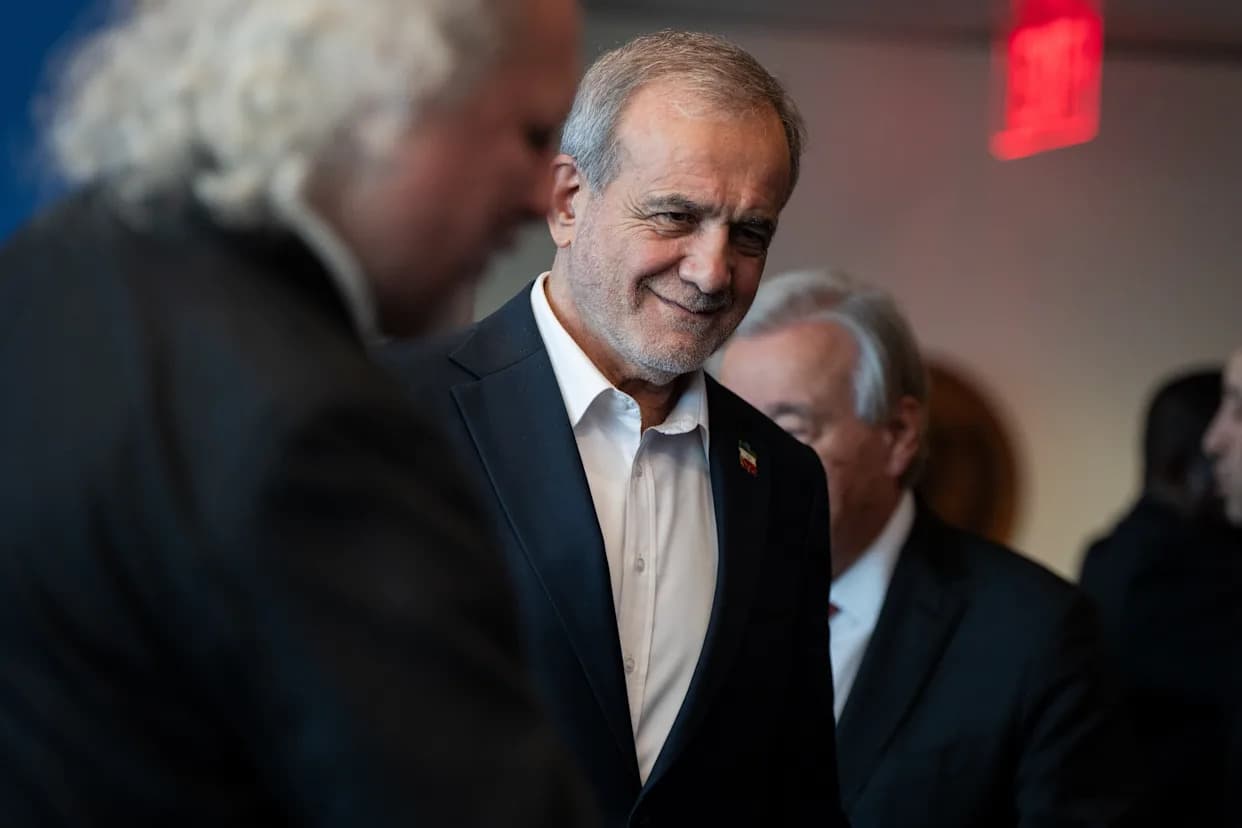
President Pezeshkian, who ordered the diplomatic outreach to the United States, posted on X that the Oman meetings were “a step forward” and reiterated that dialogue remains Iran’s preferred path for peaceful resolution. It remains unclear whether or when a second round of talks will take place.
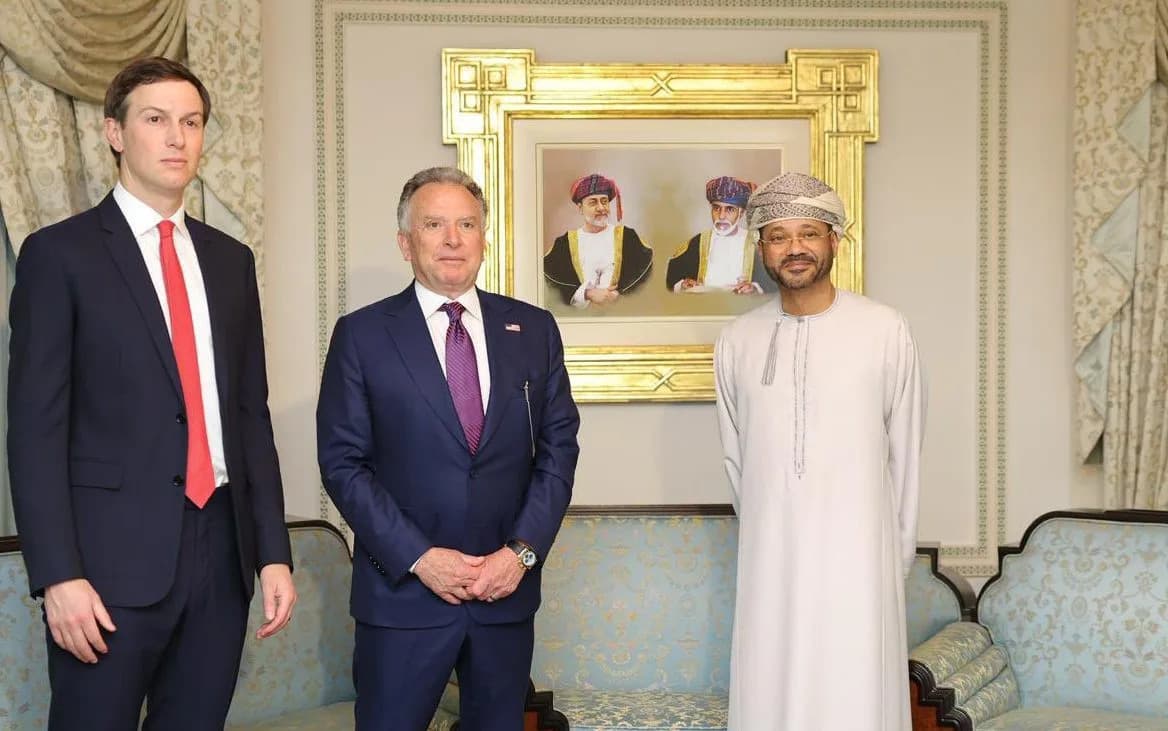
During the Oman meetings, U.S. Central Command leadership was present in the region. U.S. Navy Adm. Brad Cooper’s visit to Oman and subsequent escorting of American envoys to the USS Abraham Lincoln in the Arabian Sea was widely interpreted as a reminder of U.S. military capability in the region.
Araghchi acknowledged Iranian concerns about the possibility of military action, noting past incidents that have increased distrust in negotiations. He warned that concessions made without adequate guarantees could have unpredictable consequences.
As diplomatic efforts continue amid heightened tensions and domestic unrest in Iran, both sides face significant political and technical obstacles before any comprehensive deal could be reached.
Help us improve.