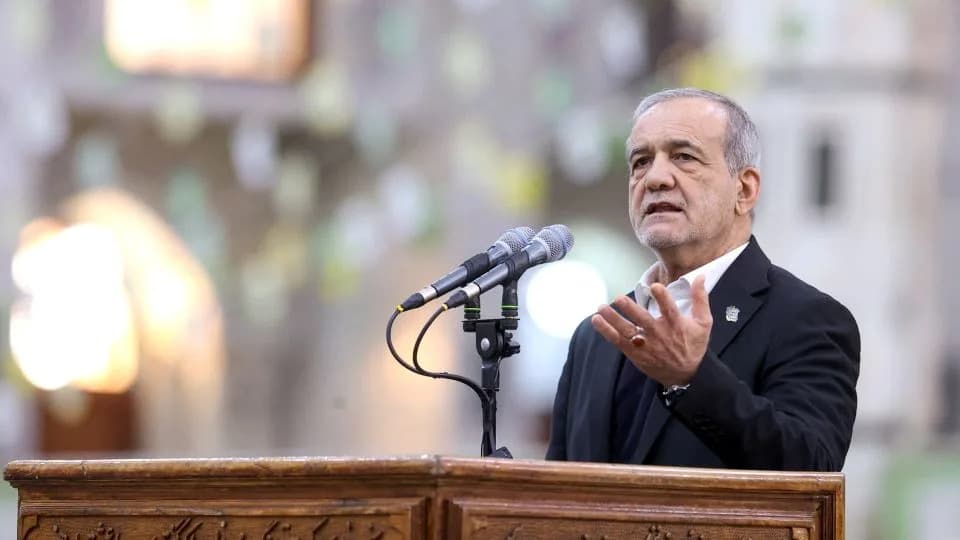
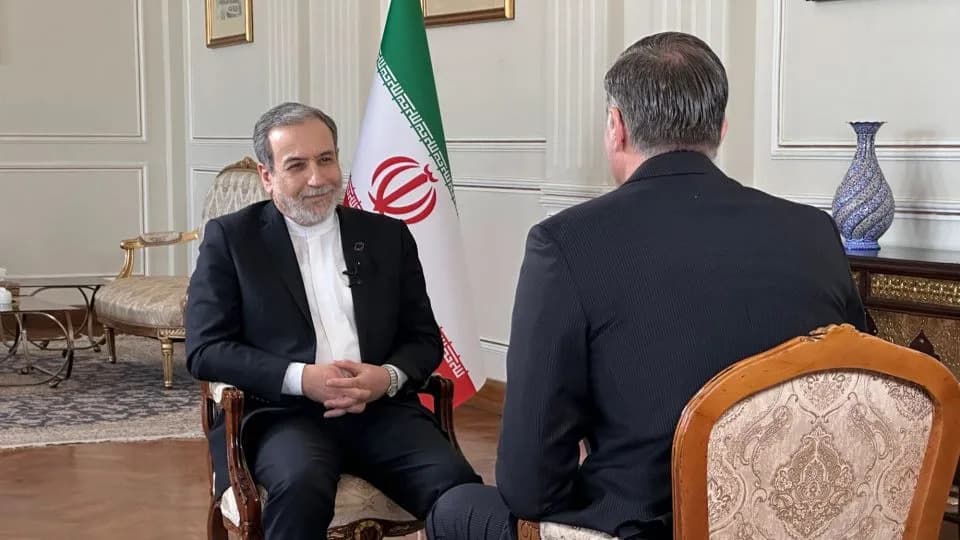
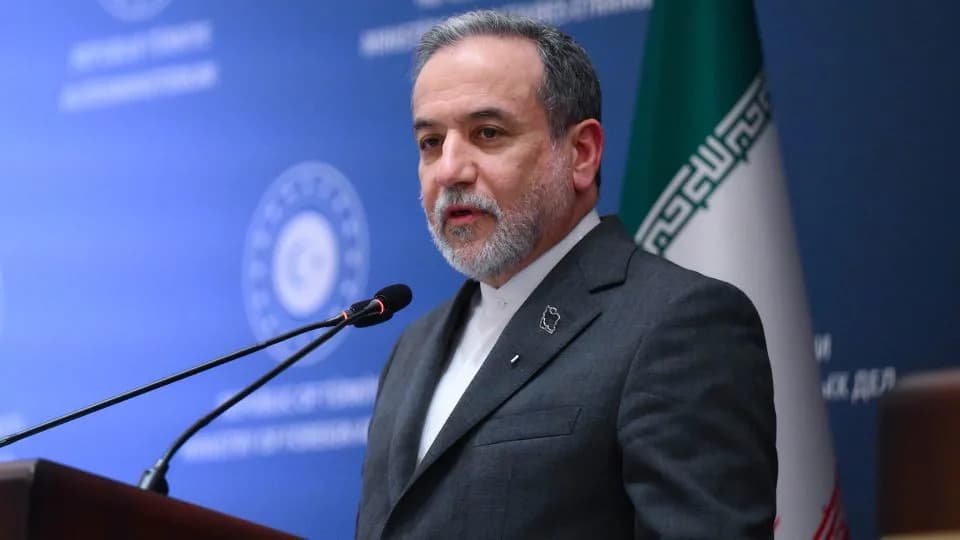
Iranian President Masoud Pezeshkian has directed his foreign minister to pursue "fair and equitable" negotiations with the United States, a notable policy shift that appears to have the Supreme Leader's tacit support. Regional actors, including Turkey, have been facilitating potential talks while U.S. envoy Steve Witkoff travels the region. Officials say any negotiations would likely begin indirectly and focus on nuclear issues, but disagreements over enrichment, inspections and regional security pose major obstacles.
Iran Signals Willingness To Negotiate With U.S.; President Orders Foreign Minister To Pursue 'Fair And Equitable' Talks
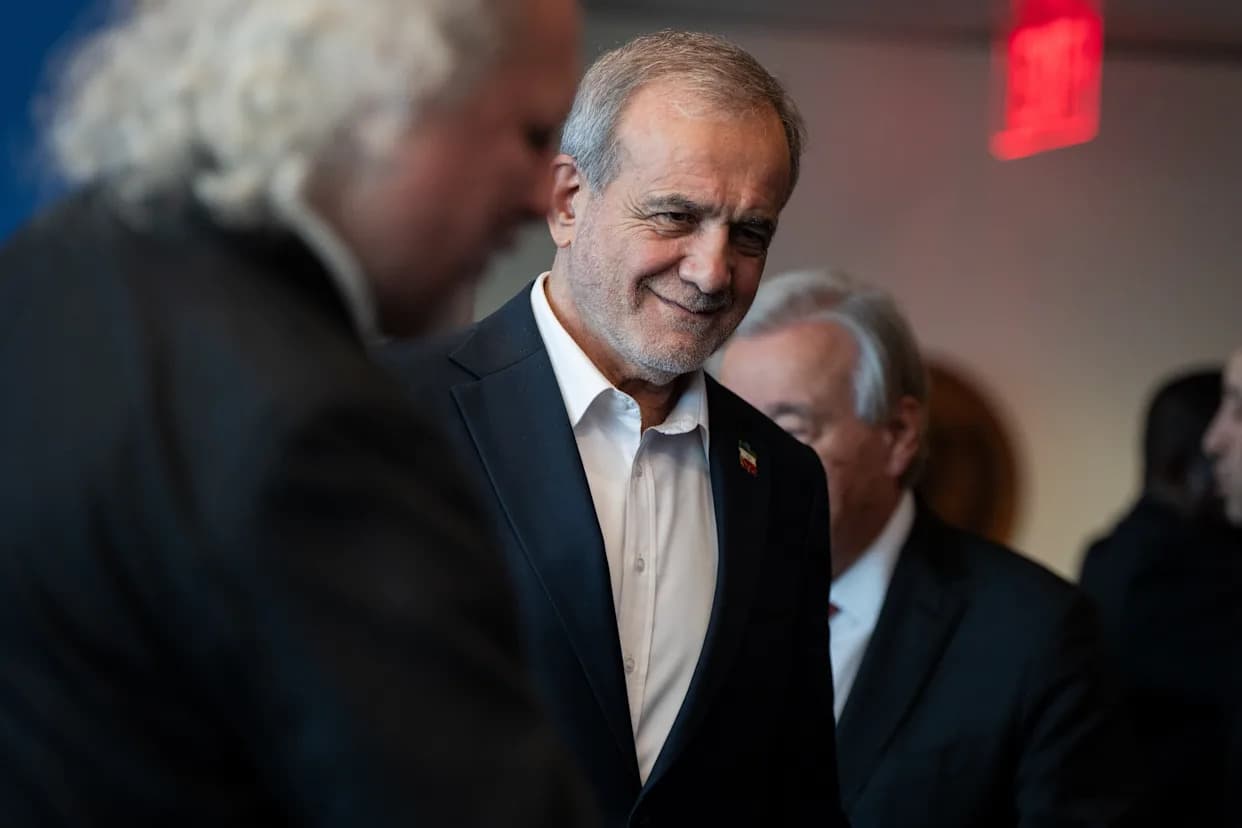
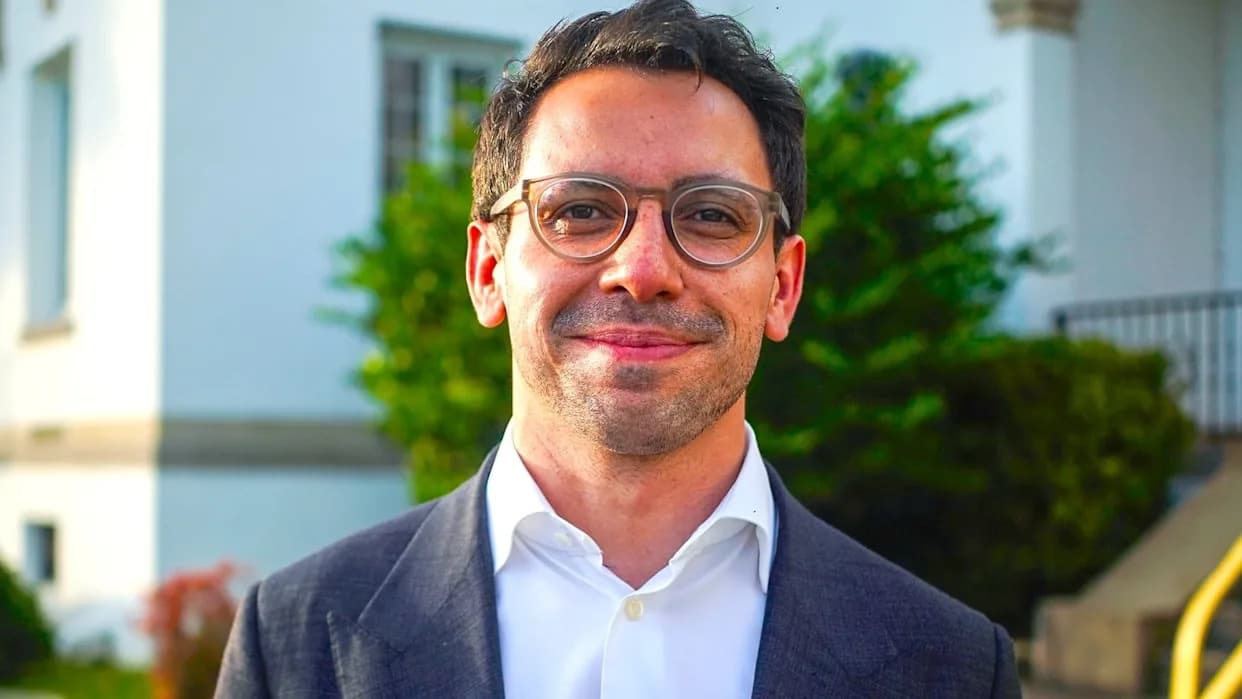
FILE - Masoud Pezeshkian, the President of Iran, attends the United Nations General Assembly at United Nations headquarters, on Sept. 25, 2025. (AP Photo/Angelina Katsanis, File)(ASSOCIATED PRESS)
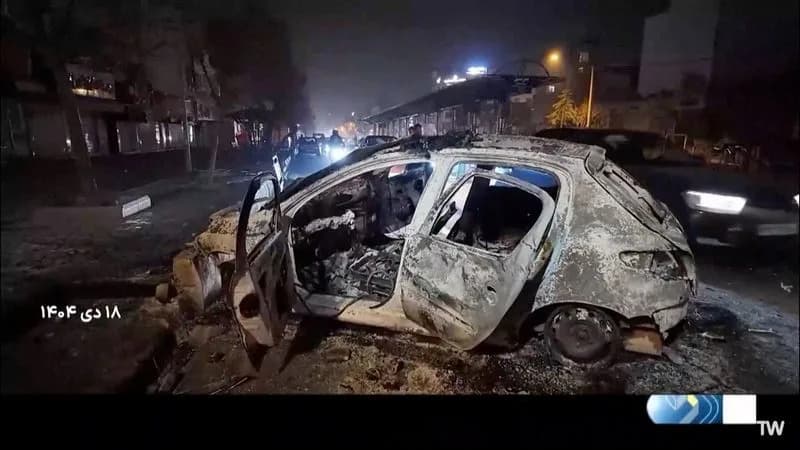
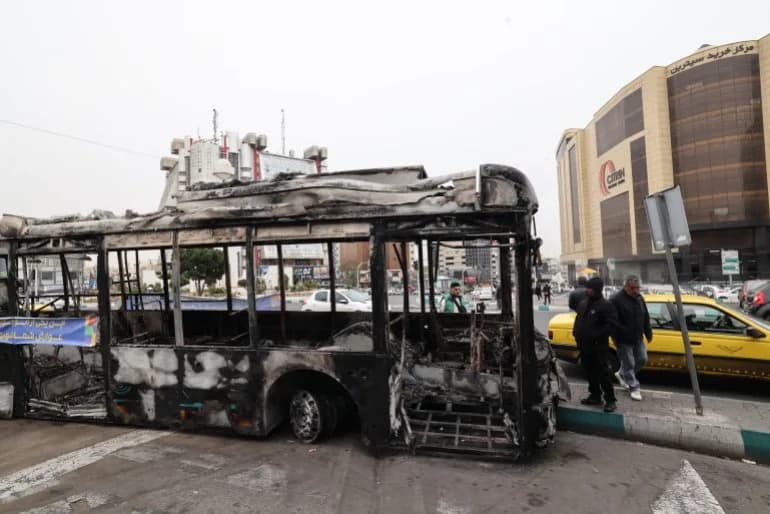
Iran’s president said Tuesday he has instructed the country’s foreign minister to "pursue fair and equitable negotiations" with the United States — the clearest sign yet from Tehran that it is willing to explore talks amid high tensions following violent domestic unrest and recent regional hostilities.
President's Announcement
"I have instructed my Minister of Foreign Affairs, provided that a suitable environment exists — one free from threats and unreasonable expectations — to pursue fair and equitable negotiations, guided by the principles of dignity, prudence, and expediency," President Masoud Pezeshkian wrote on X in both English and Farsi.
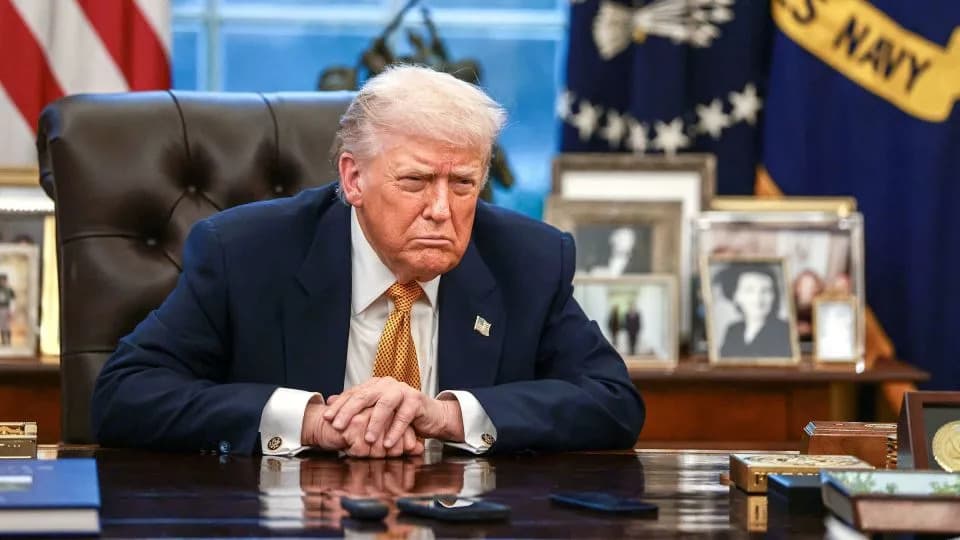
Pezeshkian said the decision followed "requests from friendly governments in the region to respond to the proposal by the President of the United States for negotiations." The move represents a notable shift by the reformist president and was widely interpreted as having at least tacit backing from Iran's Supreme Leader, Ayatollah Ali Khamenei.
Diplomatic Back Channels and Regional Role
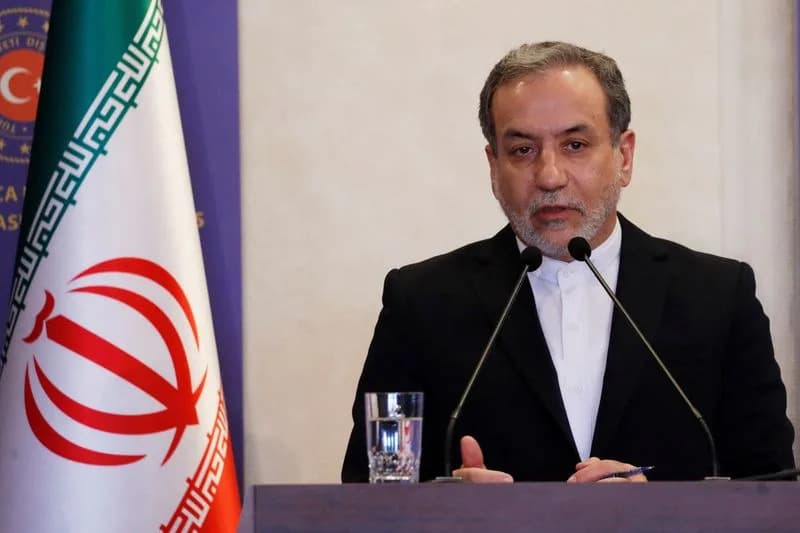
Turkish officials have reportedly been working behind the scenes to host or facilitate talks while U.S. Middle East envoy Steve Witkoff travels in the region. Iran’s semiofficial media briefly reported that Pezeshkian had issued a direct order to Foreign Minister Abbas Araghchi but later deleted the item without explanation. Araghchi previously held multiple rounds of talks with U.S. envoys before the June clashes.
How Talks Might Proceed
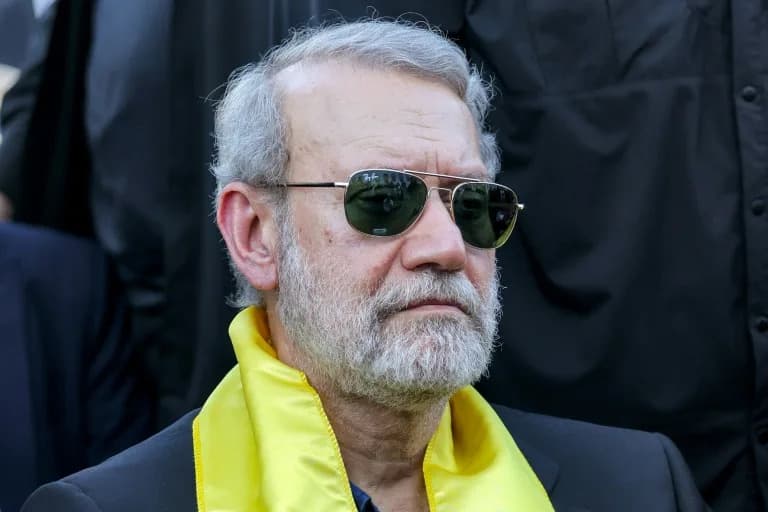
Ali Shamkhani, a senior adviser to Khamenei and a member of Iran's Supreme National Security Council, said in a televised interview that initial contacts would likely be indirect and could move to direct talks if an agreement seemed attainable. He emphasized that any negotiations would focus narrowly on nuclear issues.
Nuclear Questions and Inspections
Iran has enriched uranium to levels reported at about 60% purity — a technical step short of weapons-grade — a development the International Atomic Energy Agency (IAEA) has highlighted. Iranian officials have said some facilities were damaged during recent fighting and have so far resisted some IAEA inspection requests for the sites they say were struck, citing safety and security concerns. Shamkhani said the exact quantity of enriched uranium at damaged sites is uncertain because some material remains under rubble and extraction is hazardous.
Kremlin officials previously floated the possibility of assisting with removal or storage of sensitive material — an option Shamkhani downplayed in his comments — while Israel and other U.S. partners have pushed for concrete measures such as removal of enriched uranium and limits on enrichment and ballistic missile development.
U.S., Israel And Regional Responses
The U.S. government has not formally confirmed that negotiations will proceed. Witkoff was expected to meet Israeli leaders, including Prime Minister Benjamin Netanyahu, and senior security officials while in the region. Israel is reported to want any agreement to include verifiable restrictions on enrichment, limits on missiles, and an end to support for Tehran’s regional proxies.
Back in Washington and at international forums, some former U.S. officials expressed skepticism about a long-term diplomatic breakthrough while Iran’s current leadership remains in place.
What Comes Next
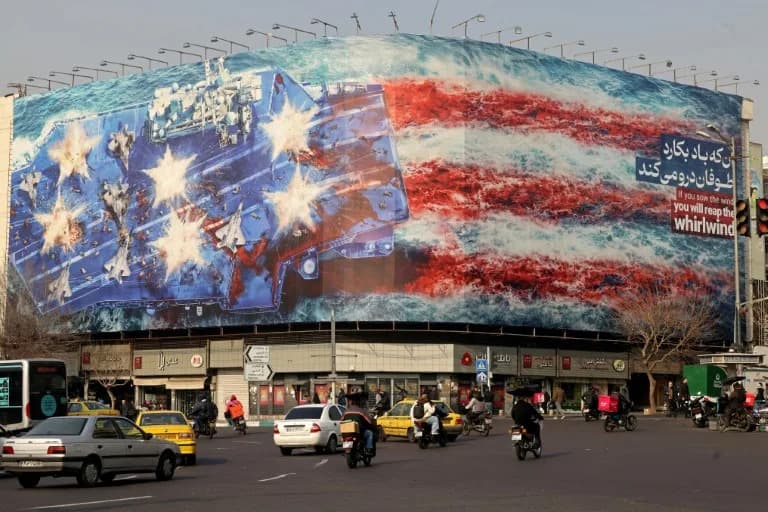
Diplomatic channels appear active, but major obstacles remain: disagreement over the scope of negotiations, verification and inspection of Iran’s nuclear activities, regional security concerns, and mutual distrust after months of confrontation. Whether the parties can translate these initial signals into verifiable, enforceable agreements remains uncertain.
Associated Press writers Melanie Lidman in Jerusalem and Aamer Madhani, Matthew Lee and Konstantin Toropin in Washington contributed to this report.
Help us improve.