Iran has tentatively agreed to resume nuclear negotiations with the United States, conditional on a threat-free, respectful negotiating environment that protects Tehran's national interests. Abbas Araghchi is expected to meet U.S. envoys in Istanbul while regional mediators — including Turkey, Qatar and Egypt — help arrange talks. The development follows last summer's U.S. strikes on Iranian nuclear sites, heightened military deployments, and renewed warnings from hardliners that any reduction in enrichment must be matched by concrete concessions.
Iran Conditionally Agrees To Resume Nuclear Talks With U.S.; Istanbul Meeting Proposed Amid High Tensions
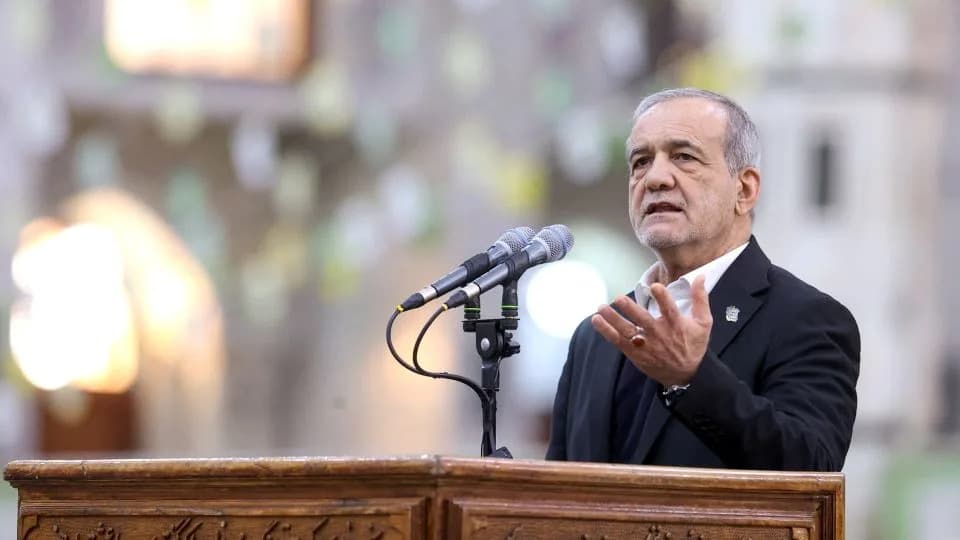
Iranian President Masoud Pezeshkian speaks during a visit to the shrine of the leader of Iran's 1979 Islamic Revolution, Ayatollah Ruhollah Khomeini, in southern Tehran, Iran, on January 31, 2026. - Aboutaleb Nadri/Reuters
Iran has provisionally agreed to reopen nuclear negotiations with the United States, provided a threat-free and respectful negotiating environment can be guaranteed. The move would be the first direct resumption of talks since U.S. strikes on three Iranian nuclear facilities last summer.
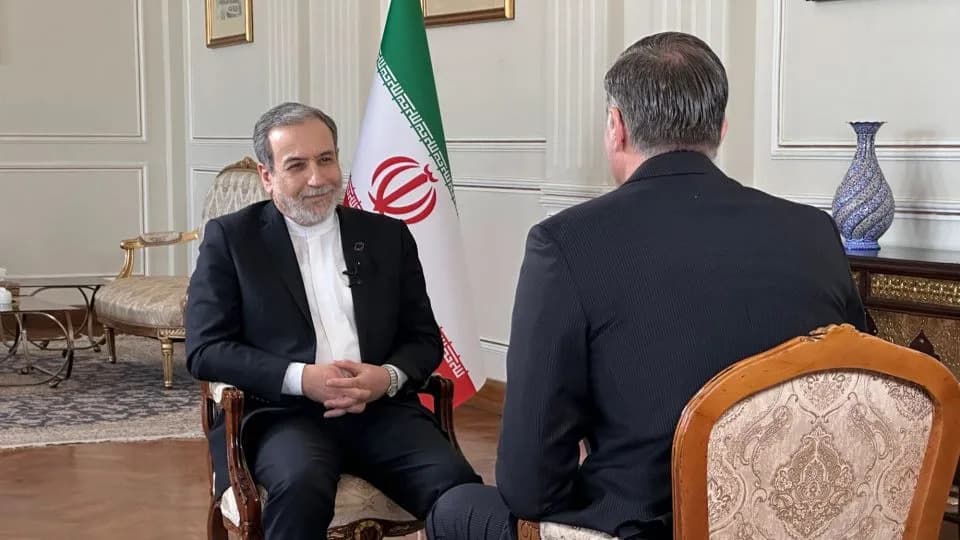
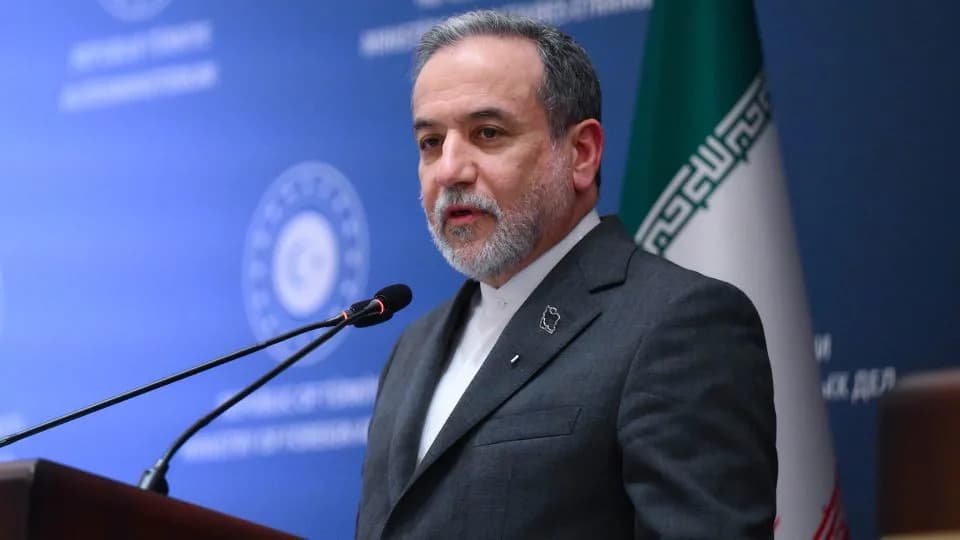
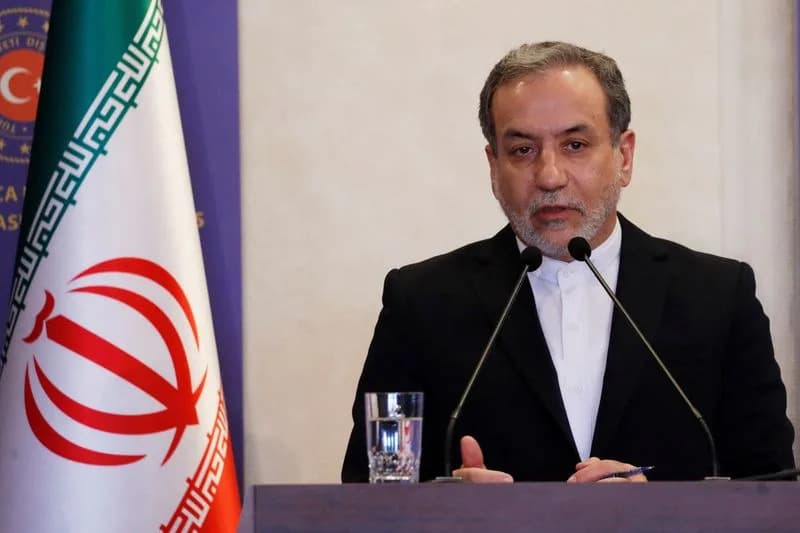
Iran’s senior diplomat, Abbas Araghchi, is expected to meet U.S. Special Representative Steve Witkoff and Jared Kushner in Istanbul on Friday, three sources told CNN. Regional foreign ministers from Egypt, Oman, Pakistan, Qatar, Saudi Arabia and the UAE are also reported to be expected at the talks as mediators and observers.
Conditions and Official Statements
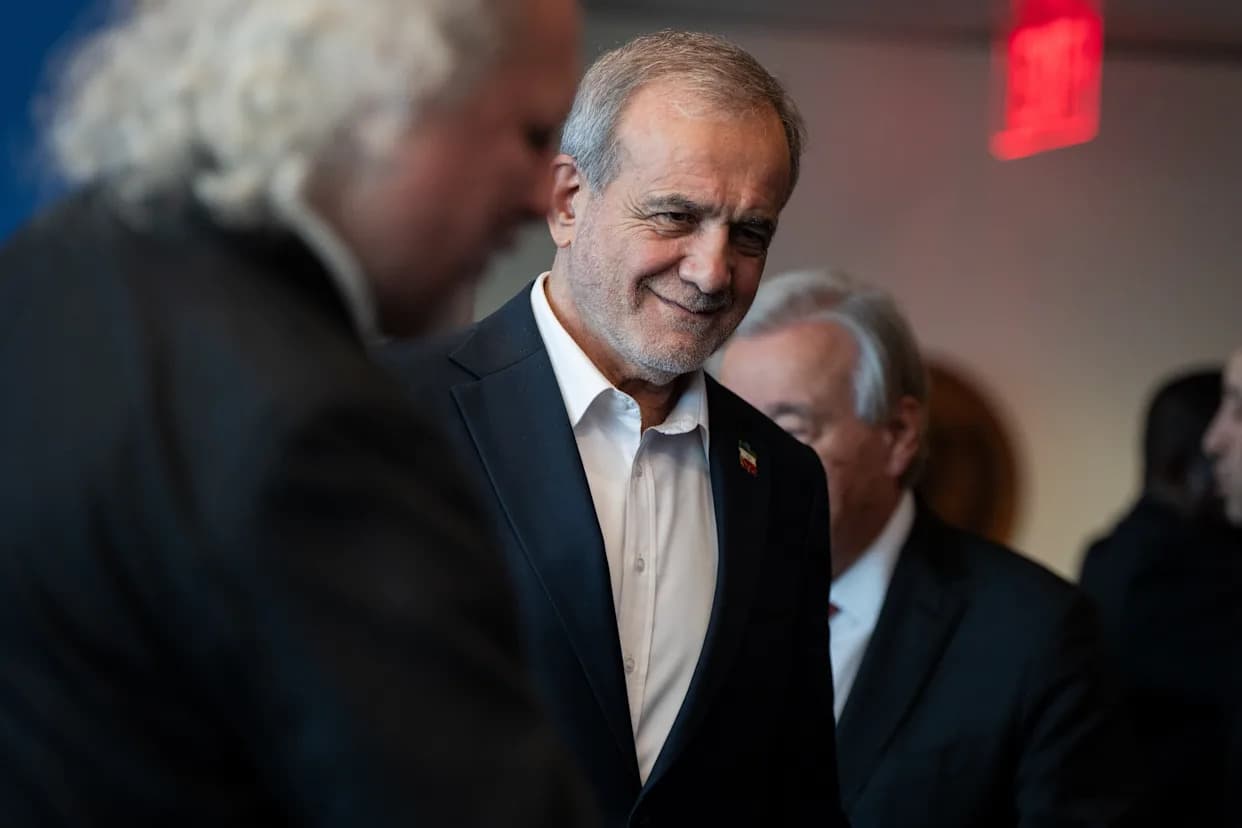
President Masoud Pezeshkian confirmed the decision to pursue talks but stressed they would proceed only under conditions. "I have instructed my Minister of Foreign Affairs, provided that a suitable environment exists — one free from threats and unreasonable expectations — to pursue fair and equitable negotiations, guided by the principles of dignity, prudence, and expediency," Pezeshkian wrote on X.
These negotiations shall be conducted within the framework of our national interests.
Although Pezeshkian has approved the move, ultimate authority in Iran rests with Supreme Leader Ayatollah Ali Khamenei, who warned in Tehran that any U.S. strike on Iran would provoke a regional war.
Escalation And Military Posture
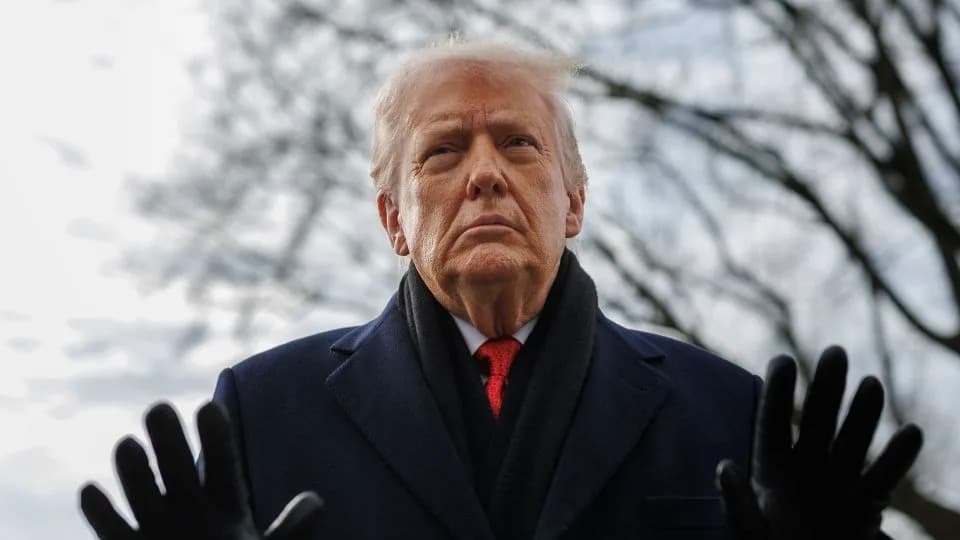
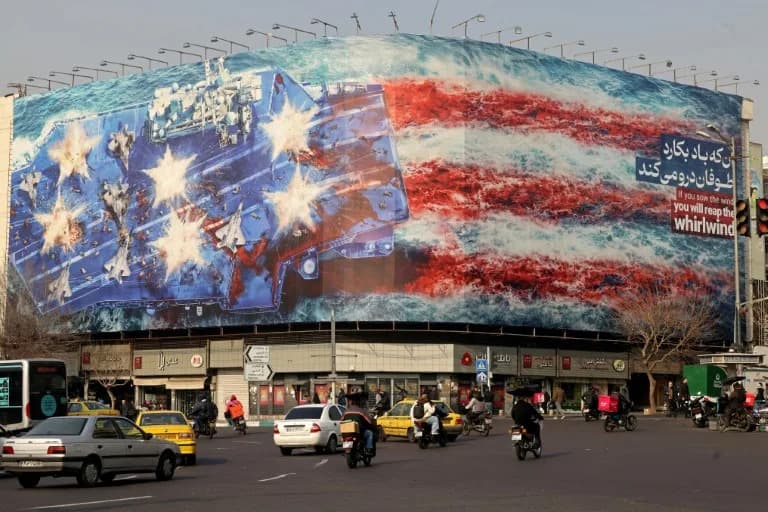
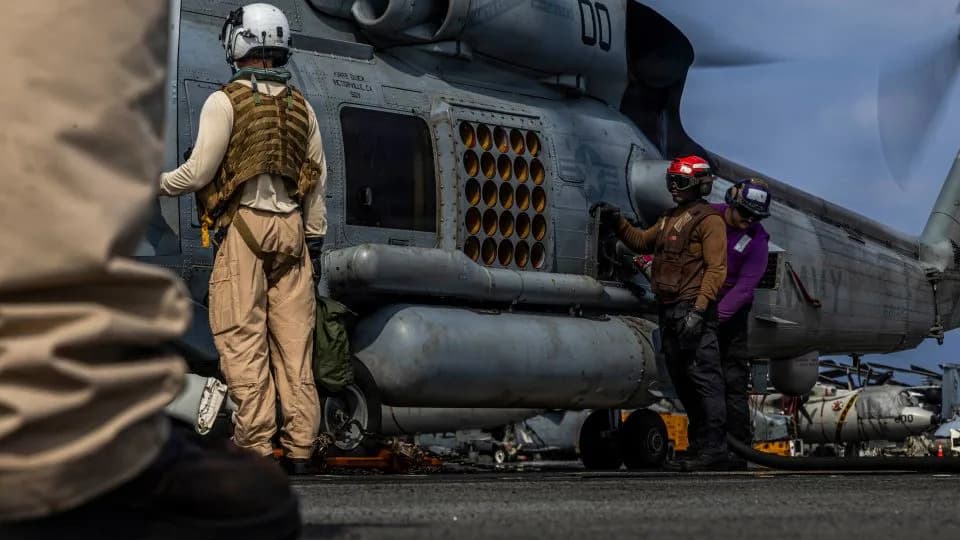
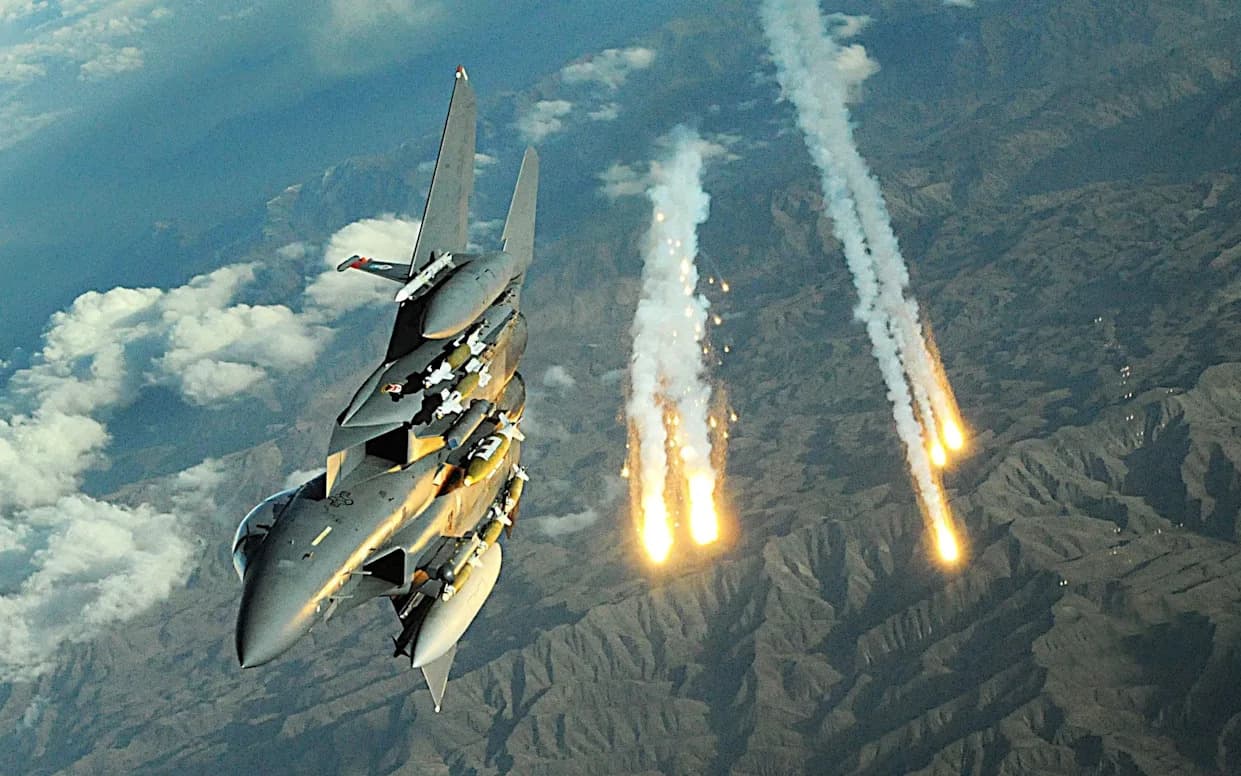
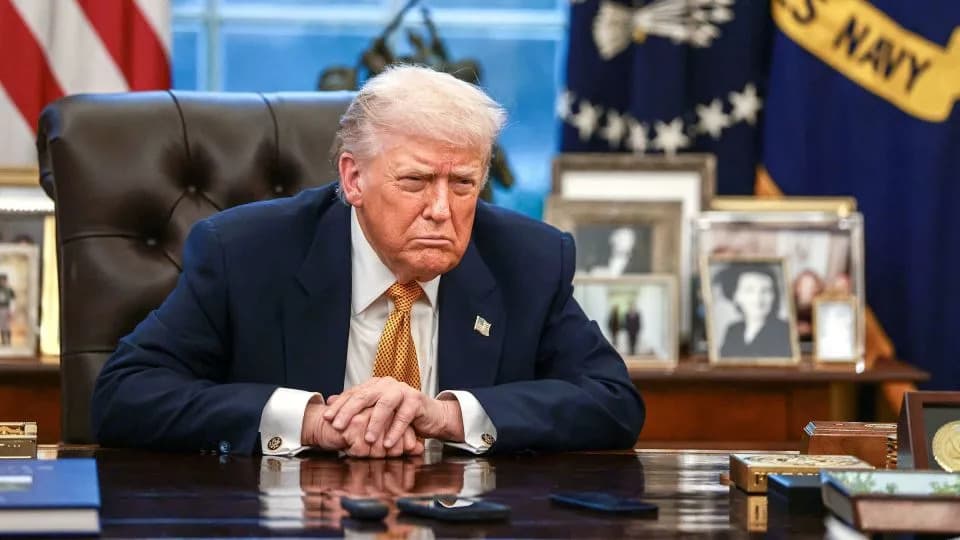
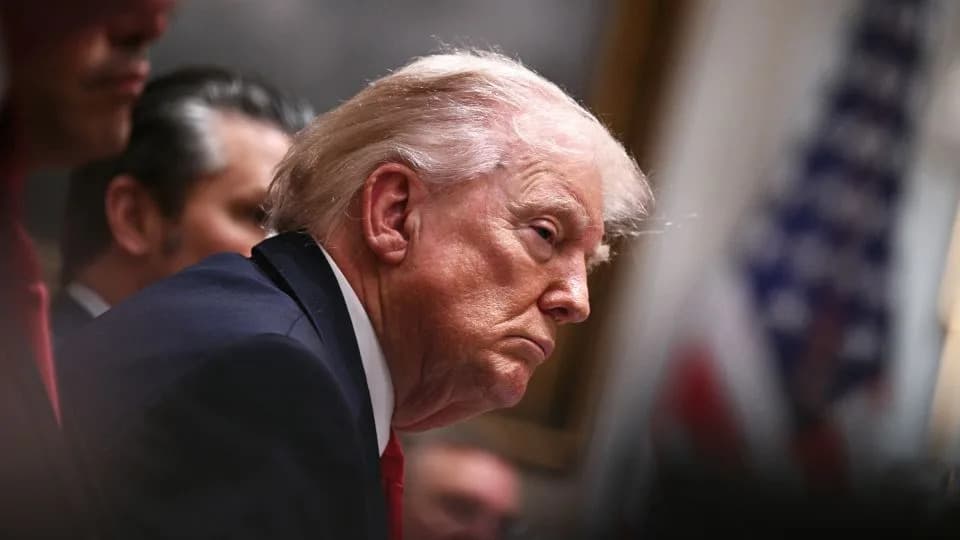
Tensions have surged in recent weeks after U.S. President Donald Trump deployed what he described as a U.S. "armada" to the region and renewed threats to strike Iran if it refuses to negotiate a new nuclear deal. Sources told CNN that Trump had considered a range of military options, including airstrikes targeting leadership, nuclear sites and government installations. A U.S. carrier strike group is now in the region and could be positioned to support potential operations.
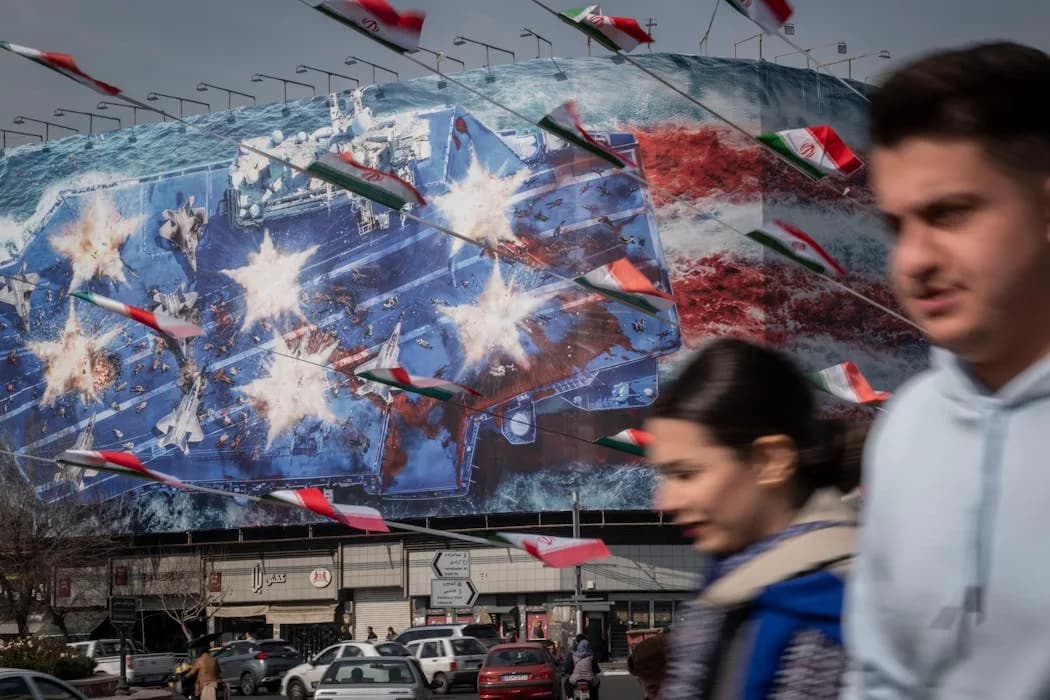
Iran is widely believed to possess thousands of missiles and drones within range of U.S. forces stationed across the Middle East and has threatened to strike U.S. troops and Israel in retaliation.
Diplomatic Push And Regional Mediation
A flurry of diplomatic activity in the past days reflects urgent regional efforts to avert direct confrontation. Qatar, Turkey and Egypt have been prominent mediators; Turkey has offered to host in-person U.S.–Iran talks in Istanbul. Pakistani officials confirmed they received an invitation to participate.
Anwar Gargash, diplomatic adviser to the UAE president, said the region did not need an Iran–U.S. war and stressed that Iran must "reach a deal." President Trump expressed cautious optimism, telling reporters that Iran was "talking to us, seriously talking to us." Araghchi told CNN he was "confident that we can achieve a deal."
Hardliners And Nuclear Red Lines
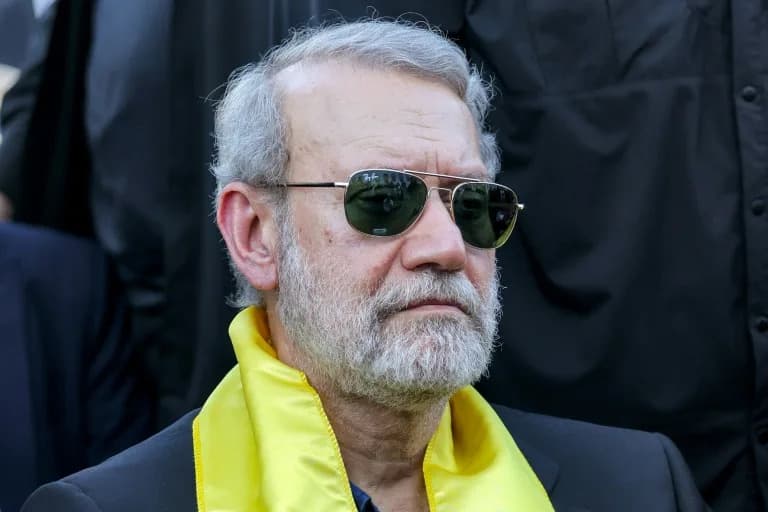
Hardline Iranian officials have signaled limits. Ali Bagheri, head of foreign policy at Iran’s Supreme National Security Council, said Iran has "no intention" of negotiating away its enriched uranium stockpiles, according to state media. Ali Shamkhani, a senior adviser to Khamenei, told Lebanese media that the U.S. "must offer something in return" if Tehran reduces enrichment levels.
Just weeks before last summer’s strikes, the International Atomic Energy Agency (IAEA) warned that Iran had been enriching uranium to 60%, a level of concern because no non-nuclear-weapon state had done so. U.S. intelligence sources say Iran has since moved to rebuild and harden some nuclear facilities deeper underground and has restricted IAEA inspections at certain sites.
Recent Negotiation History
Iran and the U.S. conducted several rounds of indirect nuclear talks in April and May 2025, but a surprise Israeli strike in mid-June led to the cancellation of subsequent rounds and was followed days later by a U.S. strike that effectively ended the process. Until now, Tehran had previously ruled out direct talks with Washington.
What Comes Next?
Diplomacy in the coming days will test whether regional mediation can produce the "suitable environment" Iran demands. Key questions remain: will Washington offer credible security or diplomatic concessions, can the IAEA regain inspection access, and will Iranian hardliners accept any rollback of enrichment without tangible reciprocal steps?
Reporting for this story includes contributions from CNN journalists Sophia Saifi and Azaz Syed.
Help us improve.