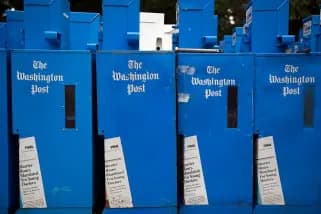
The Washington Post cut more than 300 newsroom jobs in a sweeping round of layoffs that eliminated entire desks and foreign correspondents, provoking sharp criticism from former editors and staff. Critics link the cuts to earlier owner interventions — including a withdrawn 2024 endorsement and new editorial constraints — and argue billionaire ownership and profit pressures have weakened independent journalism. Observers warn the contraction of the Post, alongside the wider collapse of local news, leaves U.S. democratic institutions more exposed to misinformation and political attacks.
As The Washington Post Shrinks, U.S. Democracy Faces New Risks Under Trump
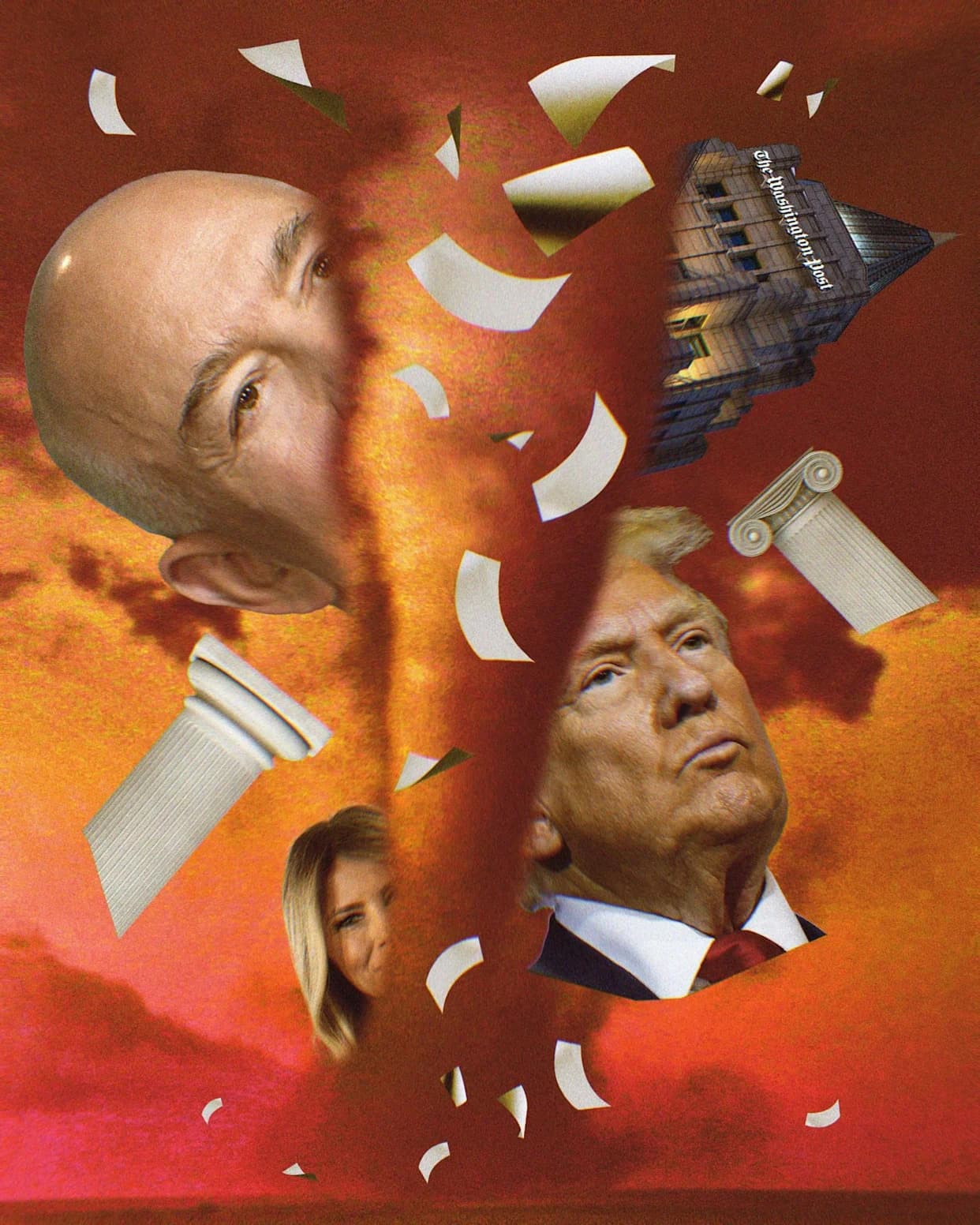
‘These are historic times, given the cyclone bearing down on the world order and American system of government. This is when journalism matters most.’Illustration: Guardian Design/Getty Images(Illustration: Guardian Design/Getty Images)
The message arrived in Lizzie Johnson’s inbox in Ukraine just before 4 p.m. local time. It came at a fraught moment: Russia had repeatedly struck Ukraine’s power grid, and days earlier Johnson had been filing stories from her car without heat, electricity or running water, resorting to a pencil because pen ink freezes. The subject line read simply, “Difficult news.” The body informed her: “Your position is eliminated as part of today’s organizational changes.”
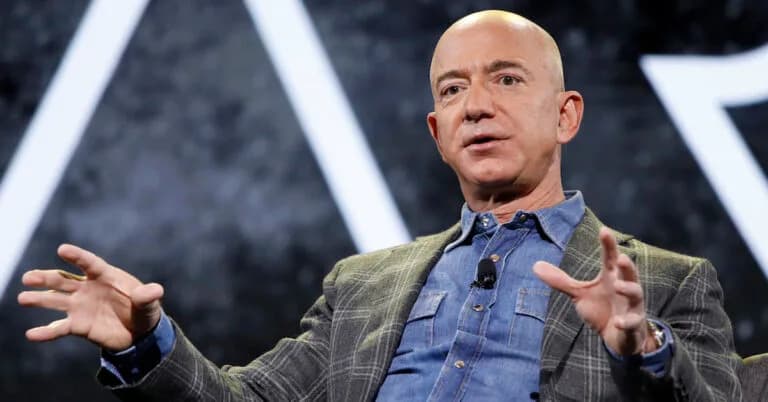
Johnson’s reaction — “I was just laid off by The Washington Post in the middle of a war zone. I have no words.” — captured the shock felt across the newsroom after Jeff Bezos, the paper’s owner, announced cuts that eliminated more than 300 newsroom jobs. The round of layoffs wiped out the entire sports desk, large swaths of culture and local coverage, and reporting teams stationed in high-intensity foreign news theatres such as Ukraine and the Middle East.
Veteran Outcry and Public Protests
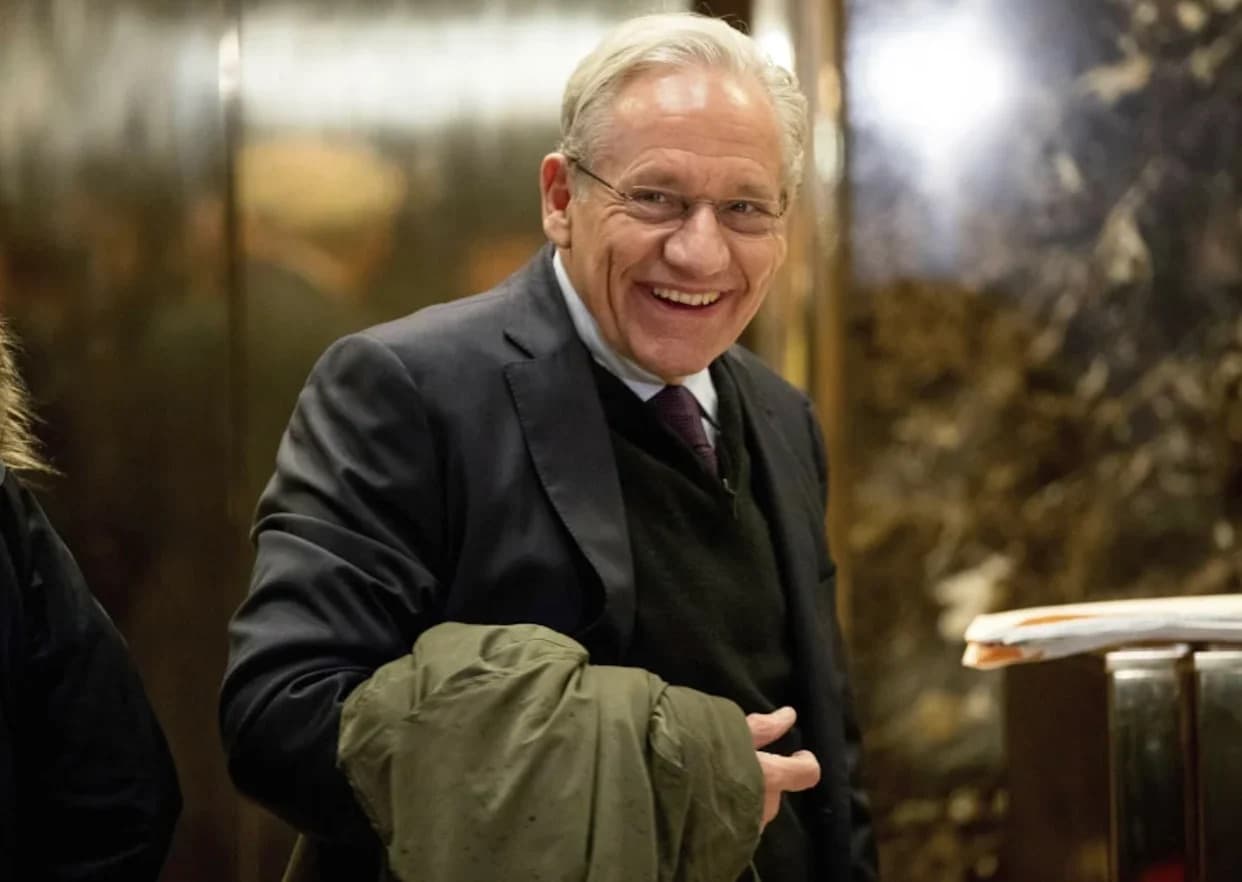
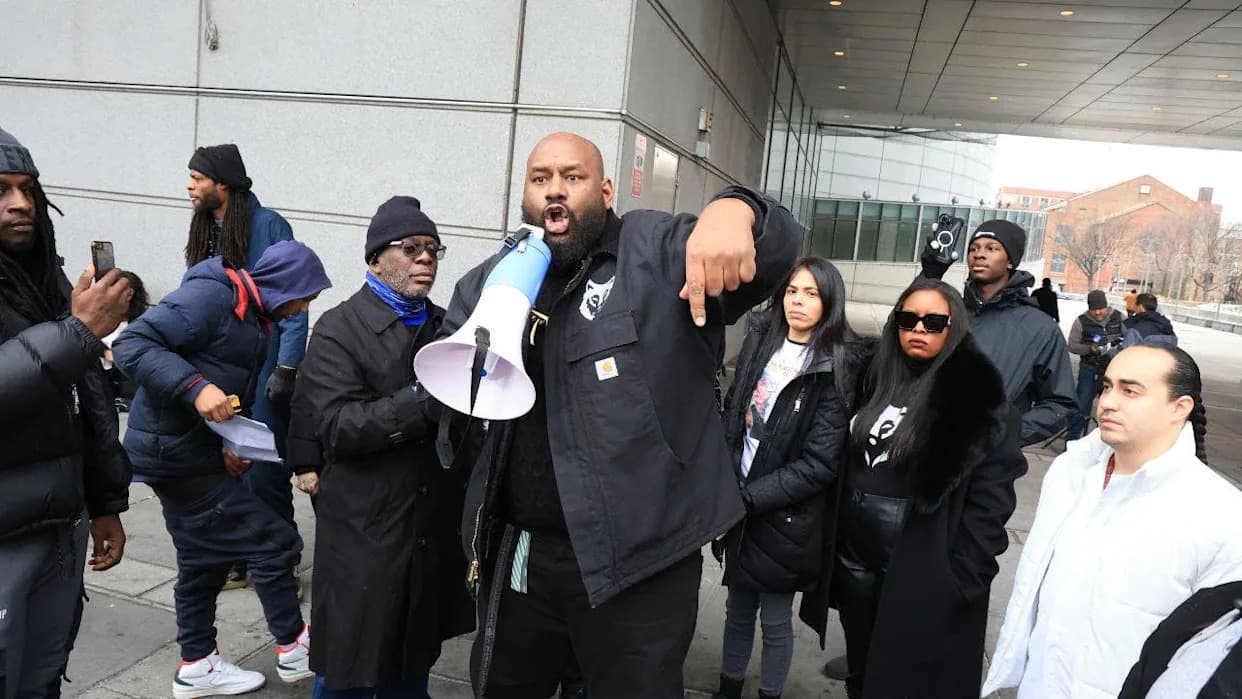
The response from former editors and veteran reporters was immediate and scathing. Don Graham, son of Watergate-era publisher Katharine Graham, called it “a bad day.” Bob Woodward said he was “crushed.” Marty Baron, the Post’s celebrated former executive editor, described the cuts as “among the darkest days in the history of one of the world’s greatest news organizations,” accusing Bezos of making “sickening efforts to curry favor with President Trump.” Hundreds rallied outside the Post’s headquarters in solidarity with laid-off colleagues.
Business Logic, Political Context
Executives and critics point to both economic pressures and political calculations. The newspaper business has faced steep decline, but Bezos’s vast personal wealth — Forbes lists him among the world’s richest people with a reported fortune in the hundreds of billions — has raised questions about whether the scale of cuts could be driven purely by profit motives. As New York Times correspondent Peter Baker observed, Bezos could likely absorb several years of the Post’s reported losses with a fraction of his weekly earnings.
“These are historic times... This is when journalism matters most. I mean, laying off reporters in Ukraine, now.” — Marcus Brauchli, former Post executive editor
Critics note a pattern of editorial intervention and accommodation that predates the layoffs. In October 2024 Bezos ordered the Post to withdraw a planned endorsement of Kamala Harris just days before the election, a move that prompted a strong public backlash and the cancellation of many subscriptions. He later imposed editorial guidelines described as “two pillars” — personal liberties and free markets — a shift several columnists said narrowed the paper’s intellectual latitude and prompted departures.
Symbolic Contrasts
Observers pointed to striking contrasts in Bezos’s priorities. The cuts came days after the release of a high-profile documentary about a former first lady that Amazon MGM financed; Bezos reportedly invested heavily in that project while shrinking the newsroom. Will Lewis, the Post’s publisher and Bezos confidant, was seen at public entertainment events shortly after overseeing the cuts and resigned days later, praising Bezos while acknowledging the difficulty of the decisions.
Broader Media Erosion And Political Consequences
The Post’s contraction is unfolding against a wider collapse of local journalism: since 2000 some 3,500 U.S. newspapers have closed, creating news deserts and eroding local accountability. Historic titles have been sold to wealthy owners who sometimes treat outlets as assets rather than public-interest institutions. This consolidation and erosion, critics warn, create a fertile environment for misinformation and political actors who benefit from a weakened press.
Donald Trump has consistently attacked mainstream media — cutting public funding for public broadcasters, pursuing litigation against news organizations, and pressuring corporate owners — actions that observers say have chilling effects across newsrooms. Examples include pressure on corporate owners during merger negotiations and editorial shifts at major outlets that followed such deals.
What’s At Stake
Media observers and former Post staff worry that a diminished Washington Post weakens a key guardian of public accountability at a moment of intense political risk. Many of the norms and institutions that curbed abuses in the past were reinforced after Watergate — the very scandal exposed by Post reporters Bob Woodward and Carl Bernstein. Now, with the paper scaled back and wealthy owners exerting greater influence over coverage and opinion, democracy’s information defenses look thinner at a time when they are most needed.
Key facts: Over 300 newsroom jobs were cut; the sports desk and foreign bureaus were heavily affected; the move followed prior editorial interventions by the owner; critics warn the changes weaken the press at a critical moment for U.S. democracy.
Help us improve.