Overview: On Dec. 23, 2023, 17-year-old Connor Hilton shot two friends in Friendswood, Texas; Ethan Riley died and Benjamin Bliek survived with severe brain injuries. Hilton gave conflicting accounts before admitting he had planned the shooting and experienced suicidal and homicidal thoughts. His defense argued isotretinoin (Accutane) caused a medication-induced psychosis; prosecutors rejected that theory and emphasized evidence of planning and intent. In Sept. 2025 Hilton accepted a 50-year plea deal and will be eligible for parole in Aug. 2050.
Did Accutane Drive a Texas Teen to Shoot His Friends? The Friendswood Case and the Contested Defense
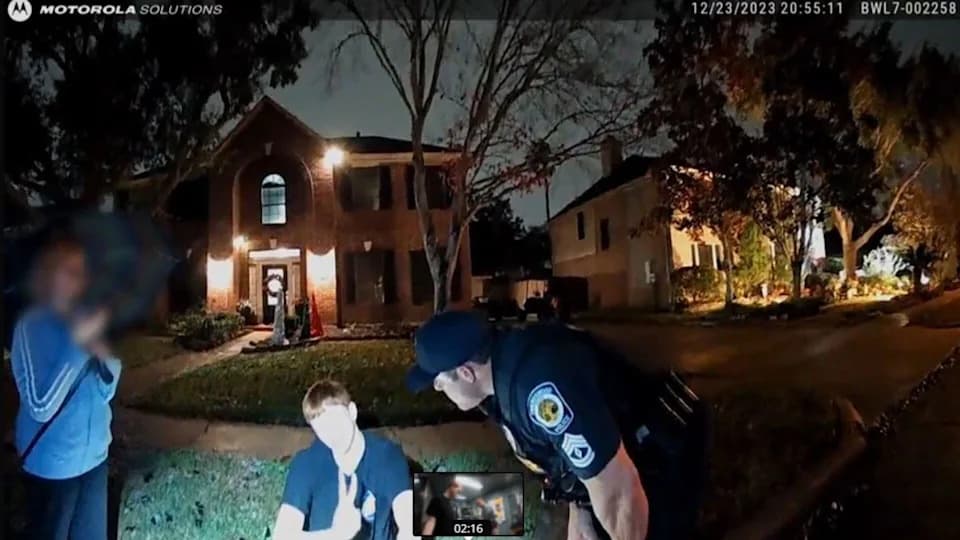
Bodycam video shows Connor Hilton, 17, center, sitting on the curb outside his Friendswood, Texas, home, on Dec. 23, 2023. He is holding up two fingers in response to the officer's question
Shortly before 9 p.m. on Dec. 23, 2023, Friendswood, Texas, police responded to a 911 call and found two young men shot in the head inside a home. The suspect, 17-year-old Connor Hilton, told officers, "I screwed up so bad," and held up two fingers when asked whether anyone was hurt.
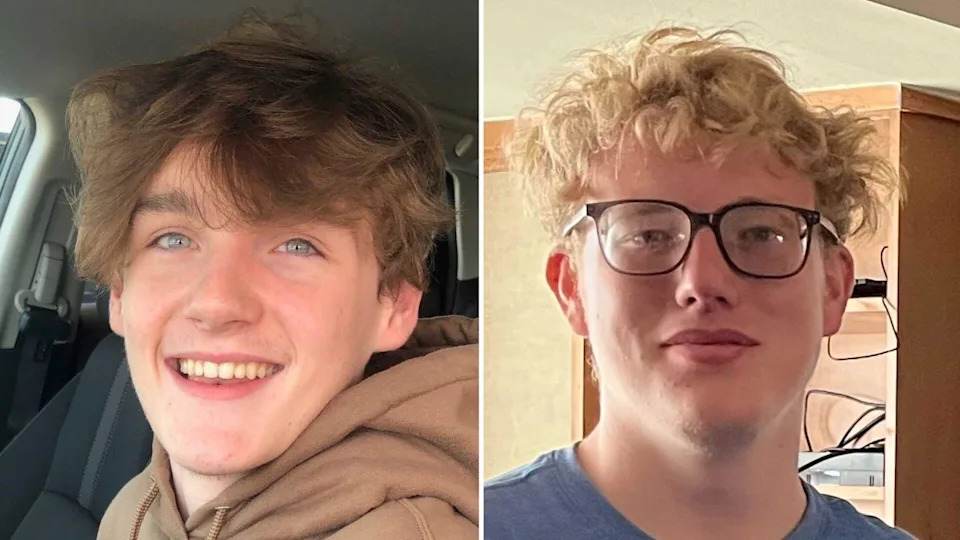
When police arrived, Ethan Riley, 18, and Benjamin Bliek, 19, were found lying on the floor of Connor Hilton's Friendswood, Texas, home, each with a gunshot wound to the head.
The Night Of The Shooting
Inside the house officers discovered 18-year-old Ethan Riley and 19-year-old Benjamin "Ben" Bliek on the floor with gunshot wounds to the head. A 15-year-old friend who called 911 said the group had just arrived, heard two loud shots and then silence. Paramedics transported Ethan and Ben to area hospitals; Ethan later died from his injuries, while Ben survived after extensive surgery and rehabilitation.
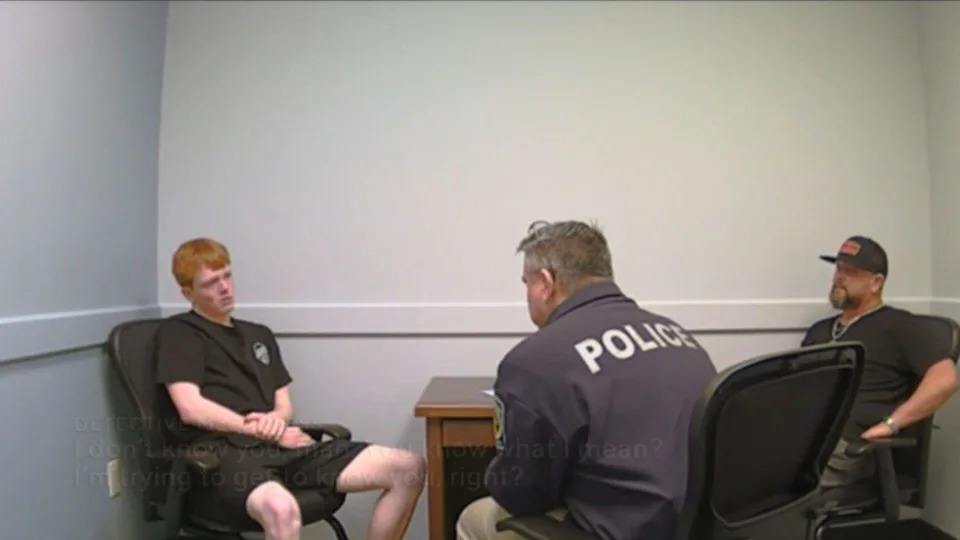
Connor Hilton, left, with detectives Seago, center, and McCanless of the Friendswood Police Department.
Conflicting Statements And A Confession
Initially, Hilton told officers the shooting was self-defense. In later interviews at the Friendswood Police Department, his accounts shifted: he described the weapon firing accidentally, then admitted planning the shooting and said he had long struggled with suicidal and homicidal thoughts. At one point he told detectives, "I convinced my mom to buy that gun for me so I could either shoot myself or shoot somebody," and repeatedly asked for mental-health help.
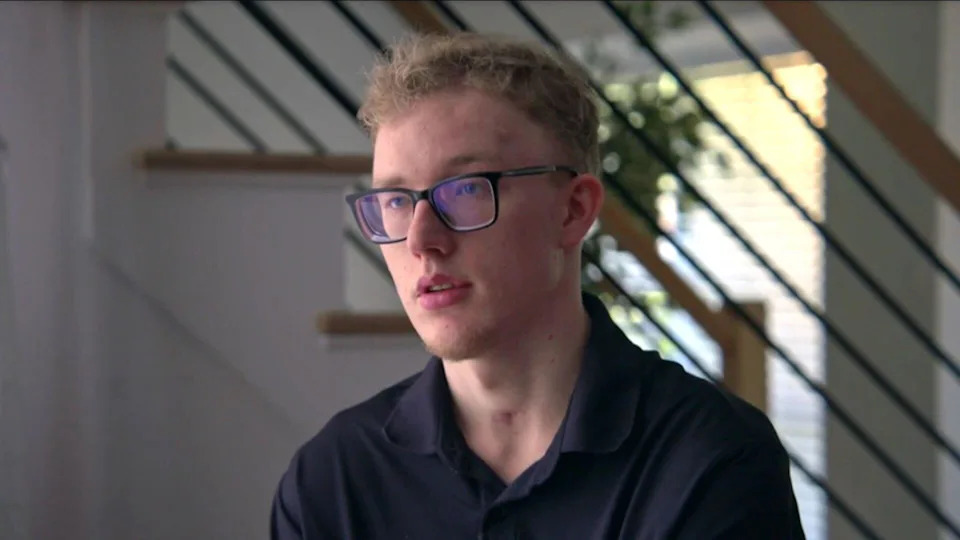
Survivor Ben Bliek / Credit: CBS News
Detective Nick McCanless: "It was one of the most honest interviews I've ever had—he poured everything out on the table."
The Victims' Recovery
Ben Bliek survived but suffered catastrophic brain and neurological injuries: surgeons removed bone flaps from his skull, performed a tracheotomy and placed a feeding tube. He spent weeks in acute care and over a month in inpatient rehab relearning functions such as swallowing and walking. Ben does not remember the night of the shooting and learned later from news reports that his friend Connor was the shooter and that Ethan had died.
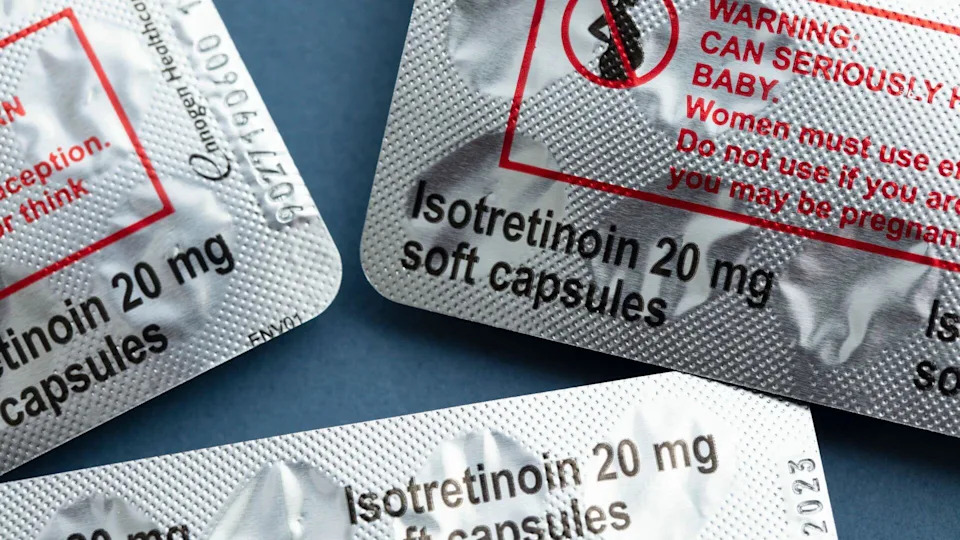
Isotretinoin is the generic version of Accutane, a medication prescribed for acne. / Credit: Alamy
The Accutane Defense
Connor's defense team assembled an expert, Dr. Douglas Bremner, a professor of psychiatry and radiology at Emory University, who testified that isotretinoin (the generic form of Accutane) can cause severe psychiatric side effects in rare cases. Bremner told investigators and the court that Connor reported homicidal ideation after starting isotretinoin, that those thoughts subsided while off the drug, and returned when he restarted it. Connor also told Bremner he had taken double his prescribed dose on the day of the shooting.
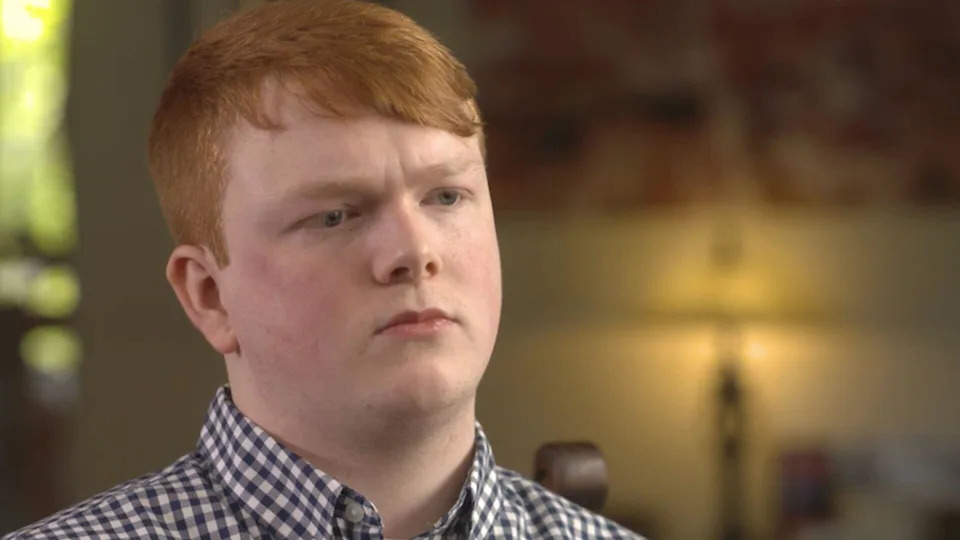
Connor Hilton and his parents talked exclusively with
Bremner pointed to brain-imaging research and his own studies suggesting isotretinoin may reduce activity in areas that regulate mood and impulse control, and concluded Connor likely experienced a medication-induced psychosis that impaired his ability to control violent impulses.
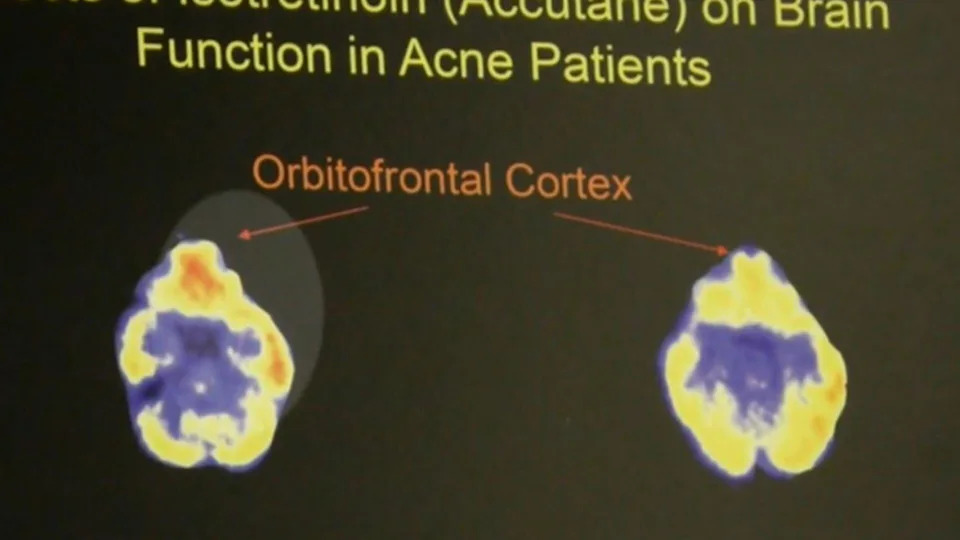
See the reddish area on the left? It's not on the right. Dr. Bremner says that illustrates the brain on Accutane has less activity. / Credit: Dr. Douglas Bremner
Prosecution Response And Pretrial Rulings
Prosecutors strongly disputed the Accutane theory. Lead prosecutor Kayla Allen argued evidence showed planning and awareness of right and wrong: Connor's initial self-defense claim, later admissions of planning, online searches about murder, and social-media posts referencing violence. Prosecutors also cited studies finding no clear link between isotretinoin and increased psychiatric risk.
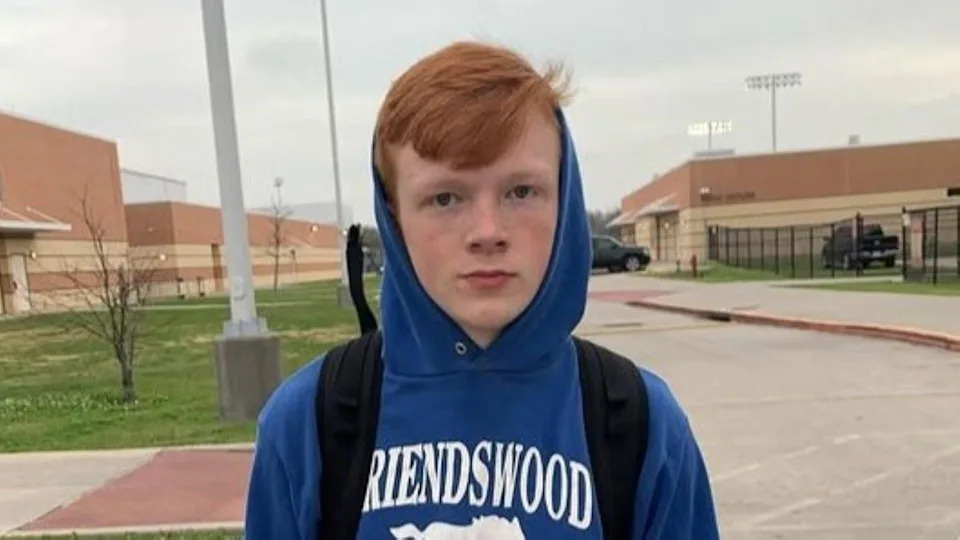
Connor Hilton / Credit: Neal Hilton
In August 2025, a judge limited Dr. Bremner's testimony: he would be barred from testifying during the guilt-innocence phase but possibly allowed during sentencing if Connor were convicted. The court found the expert's opinion insufficiently reliable to present to the jury on the question of criminal responsibility at trial.
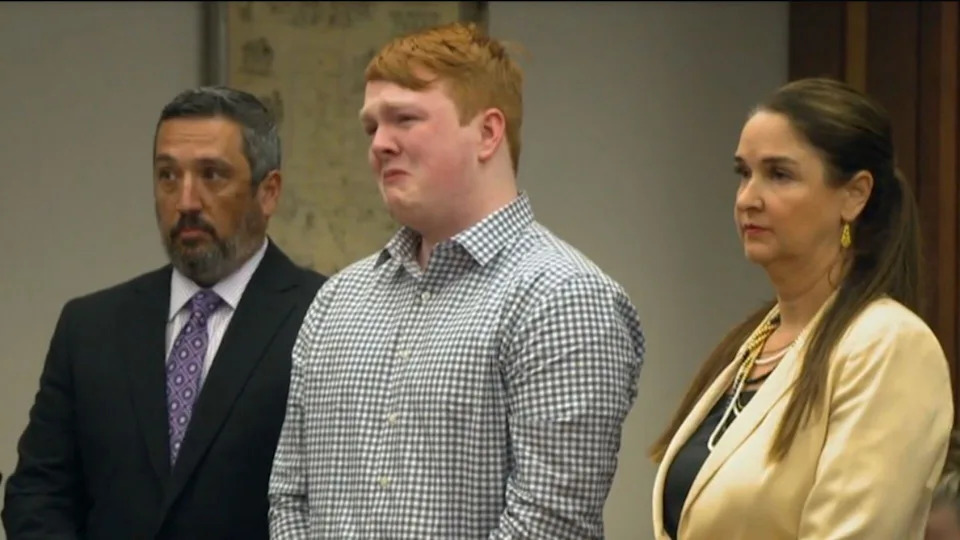
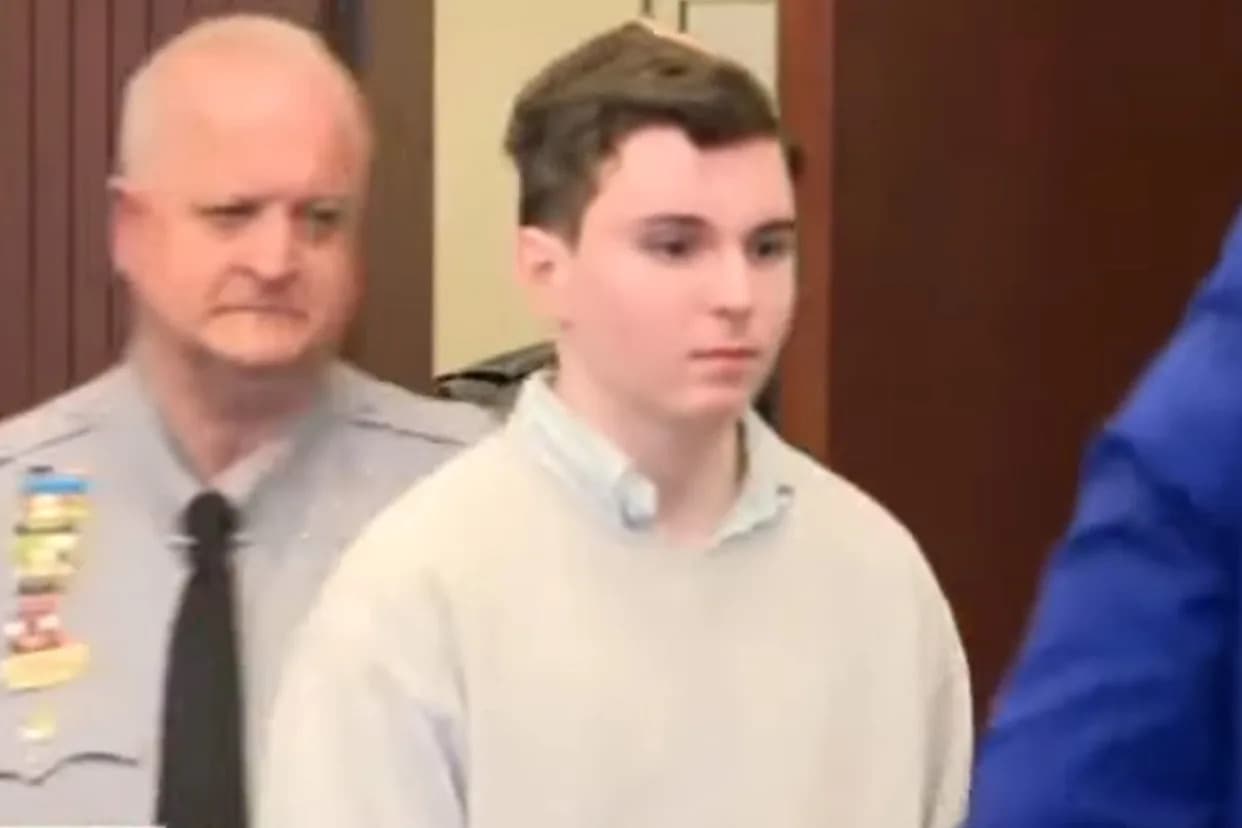
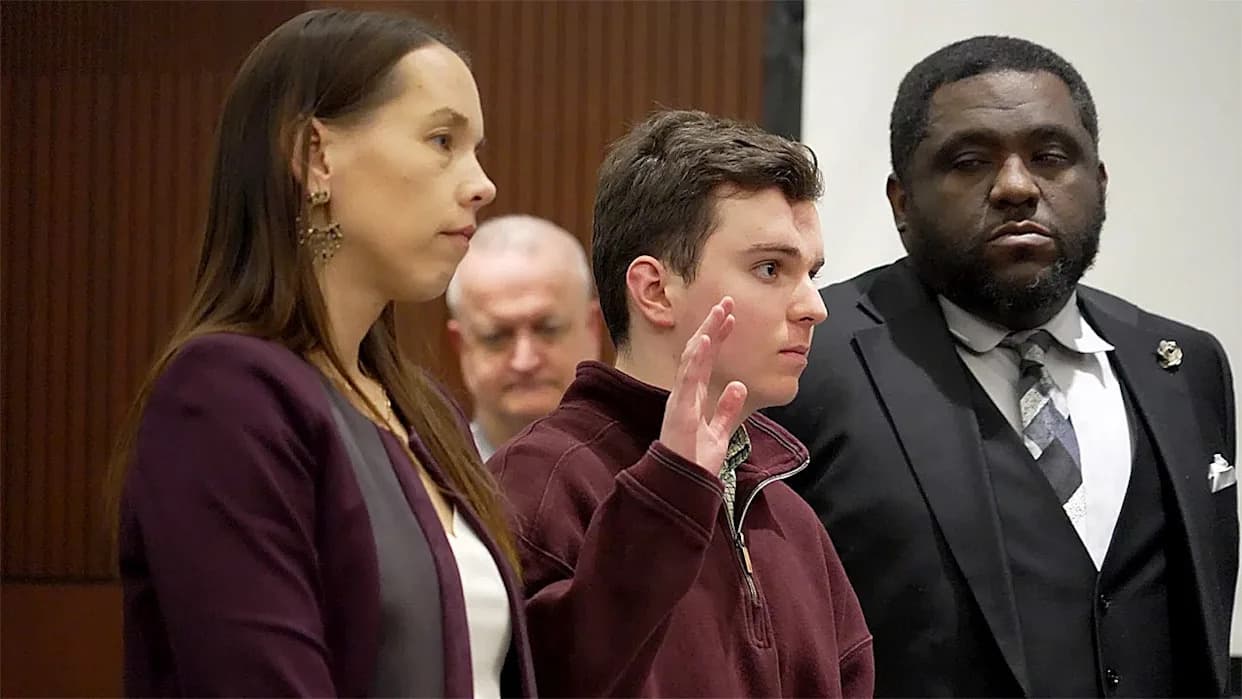
Connor Hilton, with his attorneys, pleads guilty to murder and aggravated assault with a deadly weapon in exchange for 50 years in prison. He also waived his right to appeal. / Credit: CBS News
Plea Deal And Sentencing Outcome
Facing the prospect of a life sentence if convicted at trial, Connor accepted a plea offer two weeks before trial: 50 years in prison after pleading guilty to murder and aggravated assault with a deadly weapon, with a waiver of appeal. The plea was entered on Sept. 2, 2025. Under the terms, Connor will be eligible for parole in August 2050, at age 43.
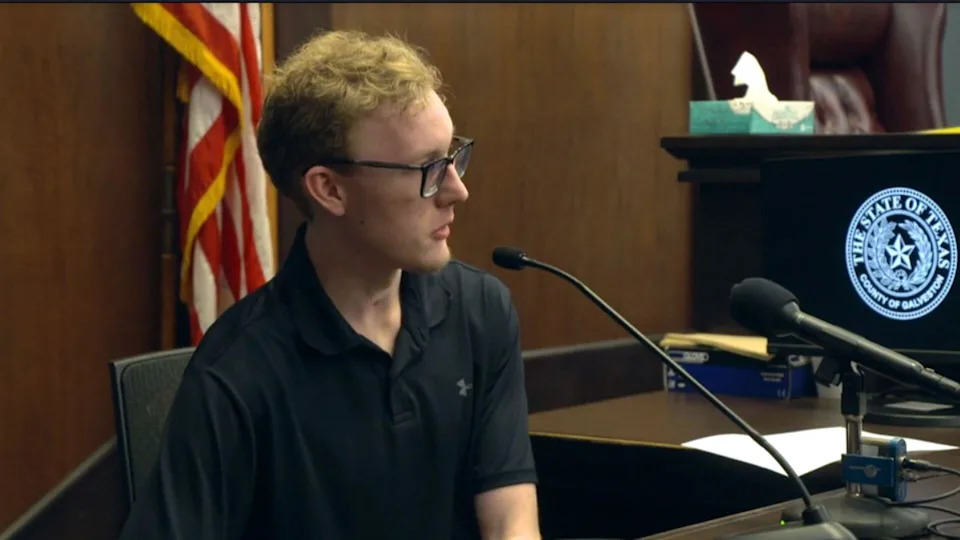
Ben Bliek addresses Connor Hilton in court:
Aftermath And Unresolved Questions
Victims' families delivered powerful statements in court. Ben Bliek and his mother continue a difficult recovery and rehabilitation journey. The Hilton family maintains that isotretinoin played a central role in changing their son's behavior, while prosecutors and victims' families reject that explanation, calling the shooting a deliberate act.
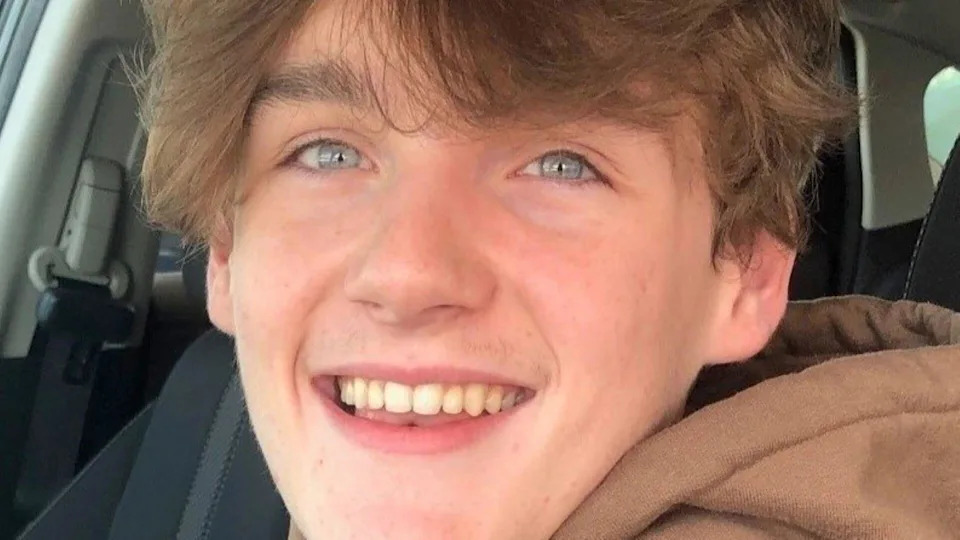
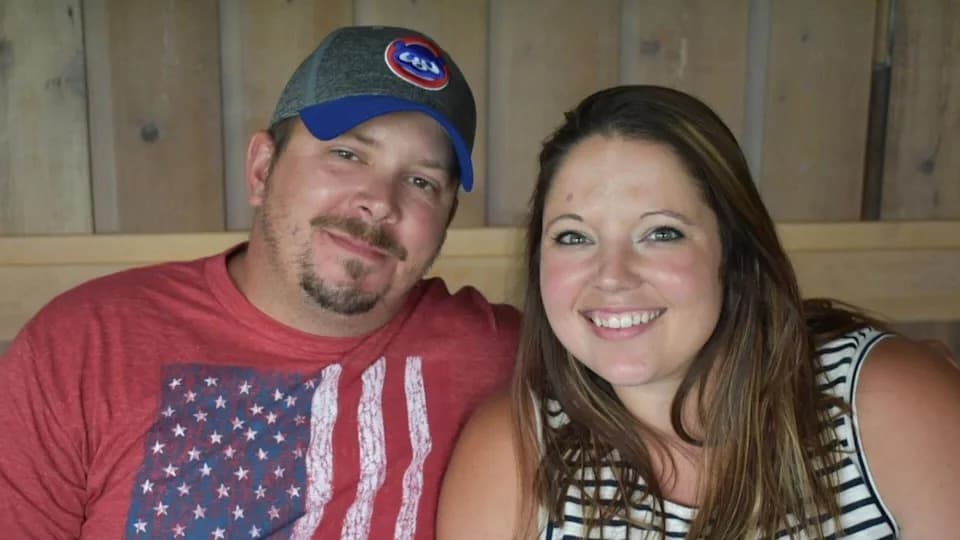
Ethan Riley / Credit: Ethan Riley obituary
The case raises broader, unresolved questions about rare but serious psychiatric side effects of isotretinoin and how courts should weigh medical causation in violent crimes. Medical experts, legal teams and researchers remain divided about whether—and in what circumstances—medication-induced symptoms may excuse or mitigate criminal responsibility.
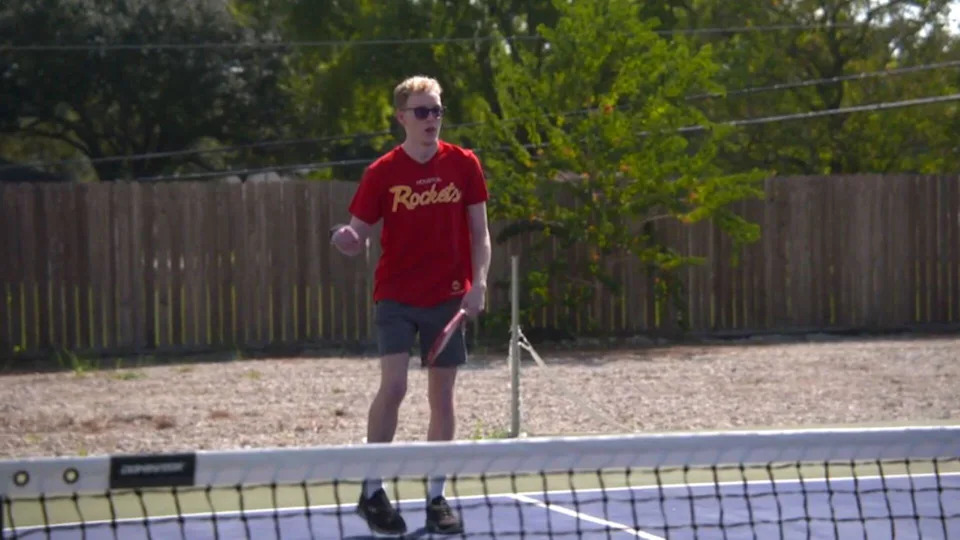
Ben Bliek playing pickleball with
Key Dates: Shooting: Dec. 23, 2023. Ethan Riley died on Christmas Eve 2023. Pretrial hearing limiting expert testimony: Aug. 2025. Plea hearing and guilty plea: Sept. 2, 2025. Parole eligibility: Aug. 2050.
Help us improve.