Researchers used biomolecular archaeology to detect microscopic chemical fingerprints on artifacts and reconstruct plausible scents linked to Egyptian mummification. A new paper in Frontiers in Environmental Archaeology shows how those molecular clues were turned into portable scent cards and fixed diffusion stations for museum exhibits. Installations in Hanover and Aarhus aim to add emotional and contextual depth to displays while following safety and interpretive guidelines.
Museums Recreate How Ancient Egyptian Mummies Smelled — Science Brings the Past to the Nose
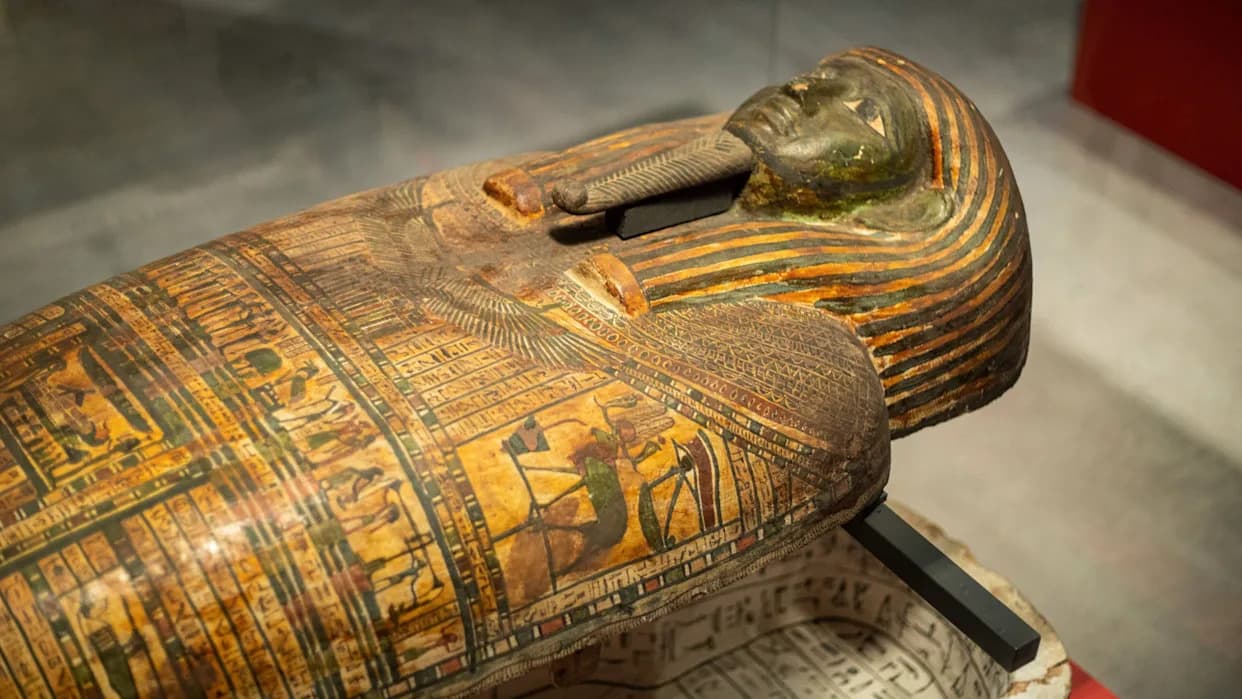
Sarcophagi of the exhibition “Mummies of Egypt. Rediscovering Six Lives” in Spain on May 4, 2023.
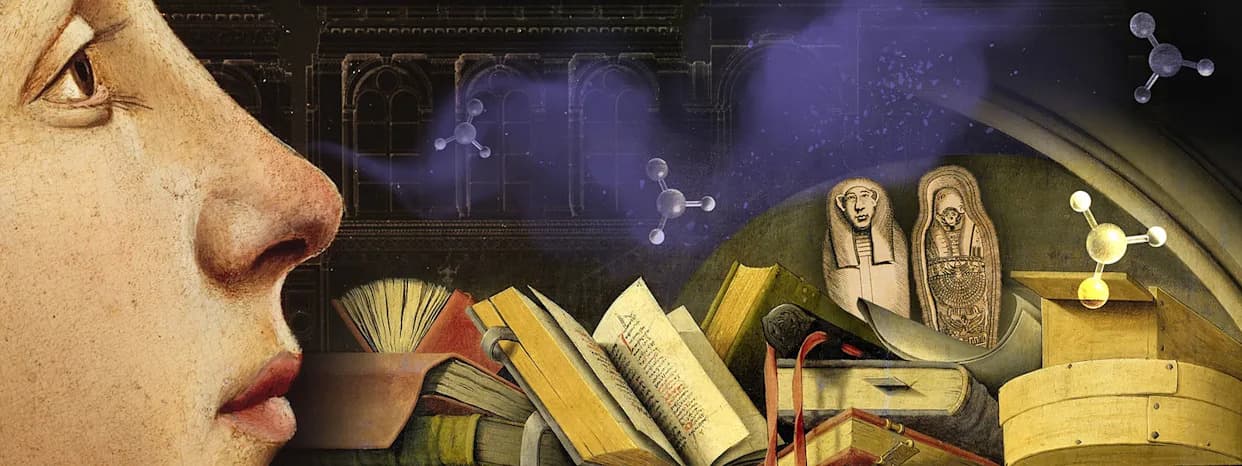
Visiting a museum may soon engage more than your eyes and ears — it could engage your sense of smell. Advances in biomolecular archaeology allow scientists to detect microscopic chemical traces on ancient objects and use those molecular fingerprints to infer plausible historical aromas. A new paper in Frontiers in Environmental Archaeology describes how researchers translated those chemical clues into scents for public display, using portable scent cards and fixed diffusion stations to accompany exhibits on Egyptian mummification.
From Molecules to Memories
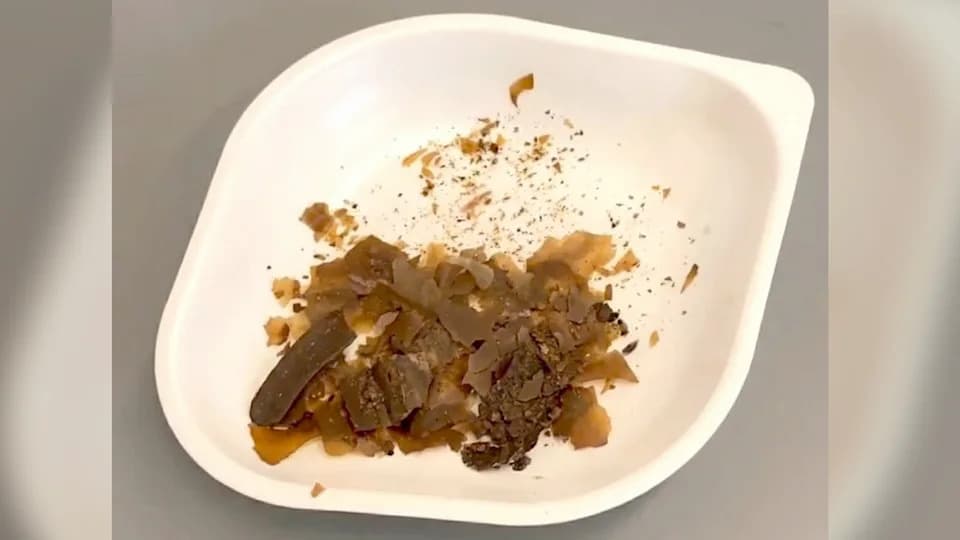
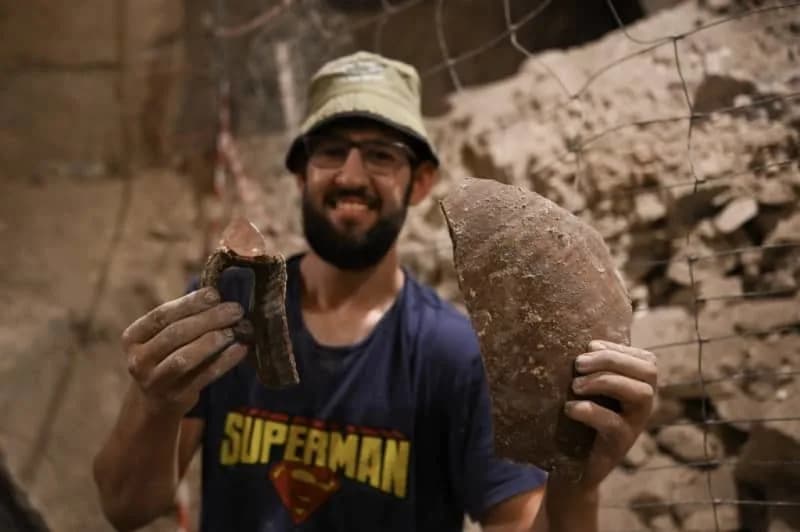
Archaeo-chemist Barbara Huber (Max Planck Institute of Geoanthropology and the University of Tübingen) and collaborators combined molecular analysis with scent-based storytelling to reconnect visitors with the sensory world of the past. Huber’s team identified chemical signatures from embalming materials and other archaeological residues; perfumer and pharmacist Carole Calvez then used those signatures as the starting point for composing evocative, museum-safe fragrances.
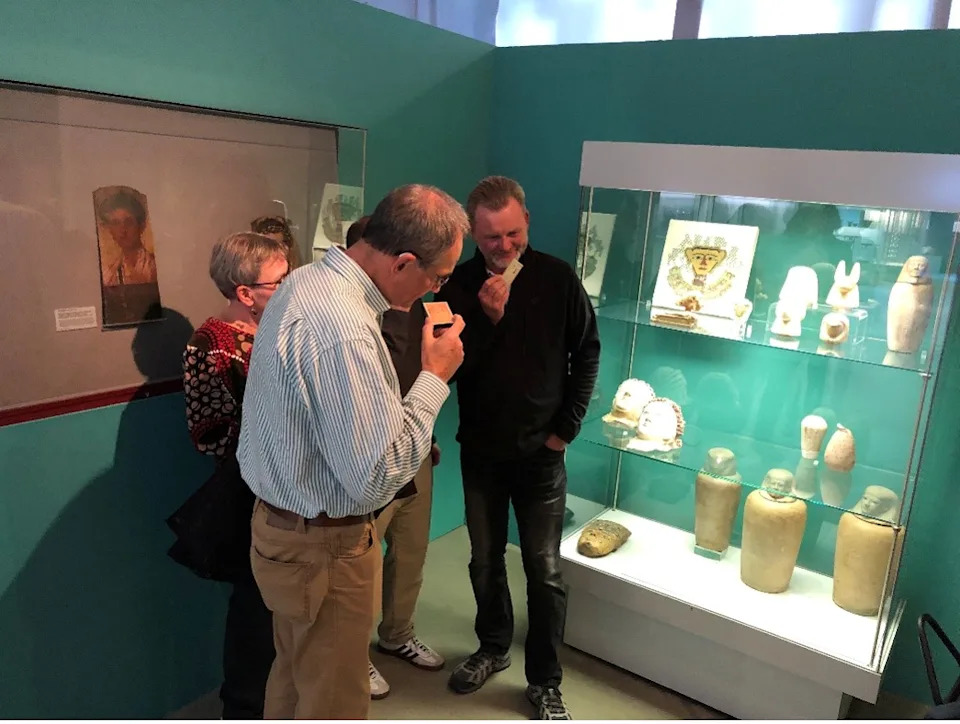
Visitors sniffing the Scent of the Afterlife card during a guided tour at the Museum August Kestner, in Hannover, Germany.Image: Photo by Ulrike Dubiel, Museum August Kestner. Copyright: Ehrich SC, Calvez C, Loeben CE, Dubiel U, Terp Laursen S and Huber B (QRQS) From biomolecular traces to multisensory experiences: bringing scent reproductions to museums and cultural heritage. Front. Environ. Archaeol. V:WXYSZX[. doi:WR.YYZ\/fearc.QRQ[.WXYSZX[
“The real challenge lies in imagining the scent as a whole,” Calvez explained. “Biomolecular data provide essential clues, but the perfumer must translate chemical information into a complete and coherent olfactory experience that evokes the complexity of the original material, rather than just its individual components.”
Exhibitions and Interpretation
The researchers developed two presentation formats: a portable scented card and a fixed scent diffusion station. Both formats were integrated into an exhibition at the Museum August Kestner in Hanover, Germany, and the fixed station was also installed at the Moesgaard Museum in Aarhus, Denmark. Curators report that adding scent helped shift visitor responses away from sensationalized “horror” images toward a more nuanced appreciation of ancient embalming practices and the intentions behind them.
Curator Steffen Terp Laursen said, “The scent station transformed how visitors understood embalming. Smell added an emotional and sensory depth that text labels alone could never provide.” The team stresses that these aromas are informed reconstructions — interpretive composites designed to convey context, not exact, uncontaminated replicas of a millennia-old scent.
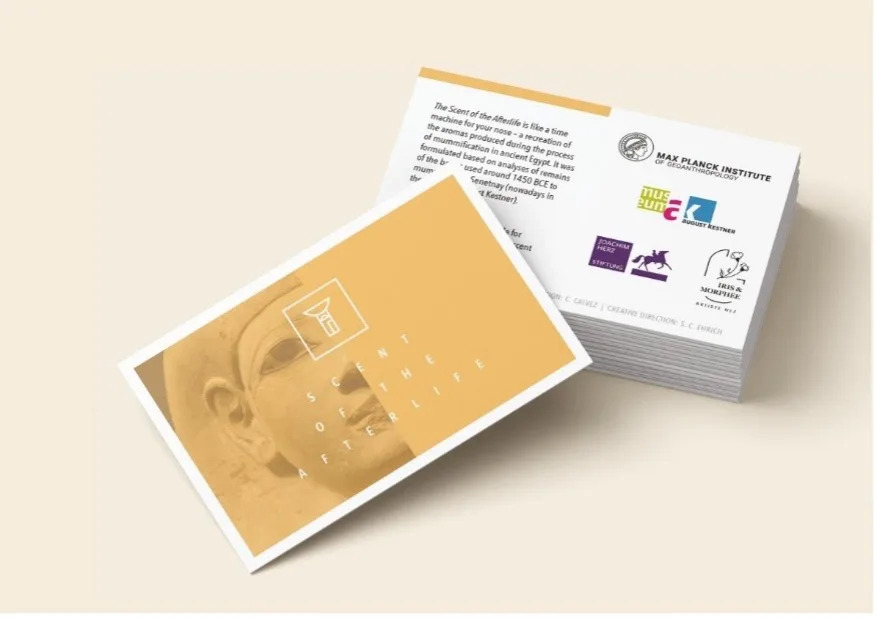
The Scent of the Afterlife scented card. The essence of the reproduced scent is inserted into the paper via scent printing.Image: Ehrich SC, Calvez C, Loeben CE, Dubiel U, Terp Laursen S and Huber B (2026) From biomolecular traces to multisensory experiences: bringing scent reproductions to museums and cultural heritage. Front. Environ. Archaeol. 4:1736875. doi: 10.3389/fearc.2025.1736875.
Significance And Considerations
Beyond novelty, the project demonstrates a way to translate molecular archaeological findings into inclusive, multisensory museum interpretation that can deepen learning and empathy. The researchers also note practical considerations: safety, allergen management, and curatorial ethics guide which materials and intensities are used in public displays. The paper and associated installations provide a model for how museums can responsibly use olfactory interpretation to bring ancient environments and practices to life.
Study authors and contributors: Barbara Huber, Sofia Collette Ehrich, Carole Calvez, Christian E. Loeben, Ulrike Dubiel, Steffen Terp Laursen, and colleagues. Published in Frontiers in Environmental Archaeology.
Help us improve.