Archaeologists excavating near Via Pietralata in northeast Rome have revealed two elite chamber tombs and a nearby shrine likely dedicated to Hercules. Coins indicate activity at the shrine from the 5th/4th centuries B.C. through the 1st century A.D. The site also produced two massive stone basins and an ancient road leading to a sacellum; further scientific study is required to determine their exact functions.
2,400-Year-Old Hercules Shrine and Elite Tombs Unearthed Near Rome's Ancient Walls
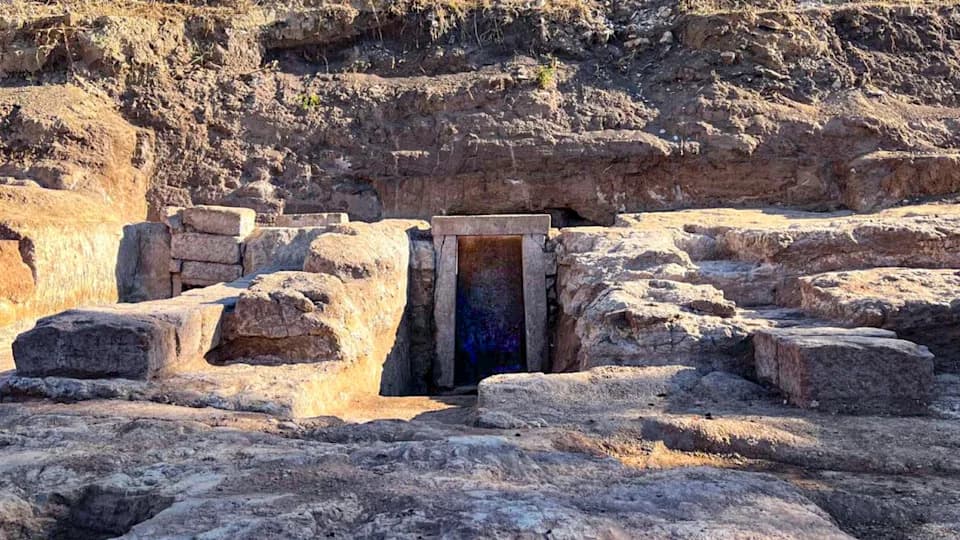
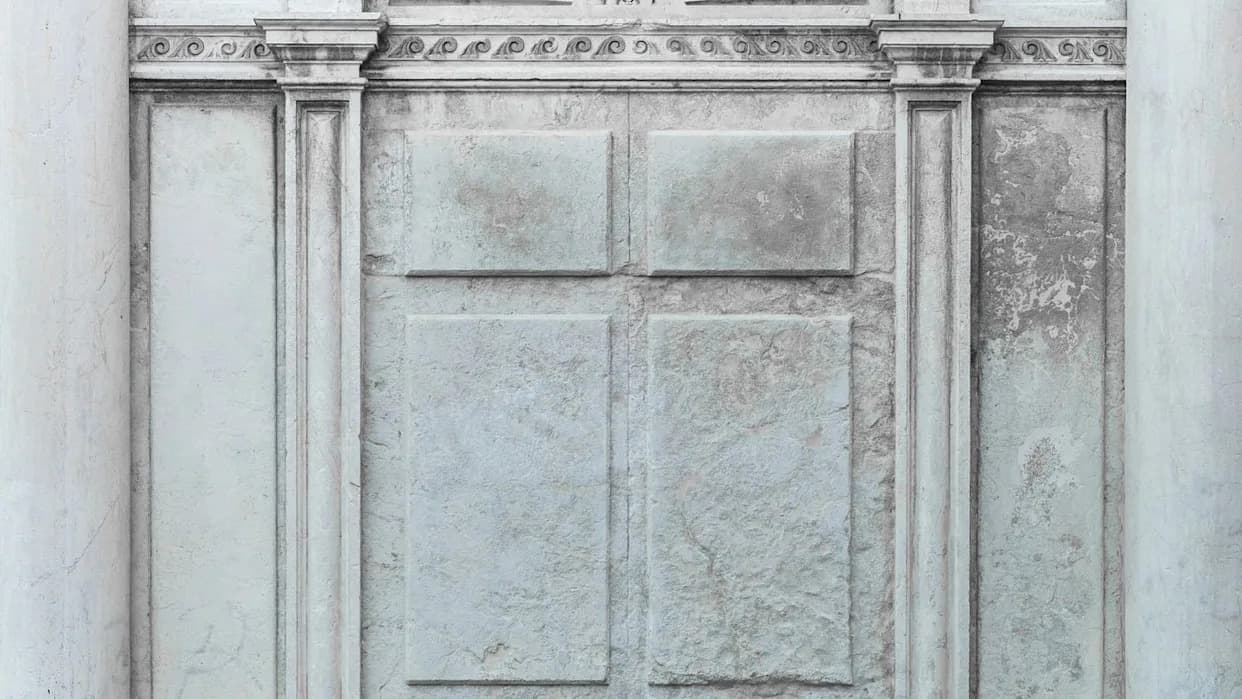
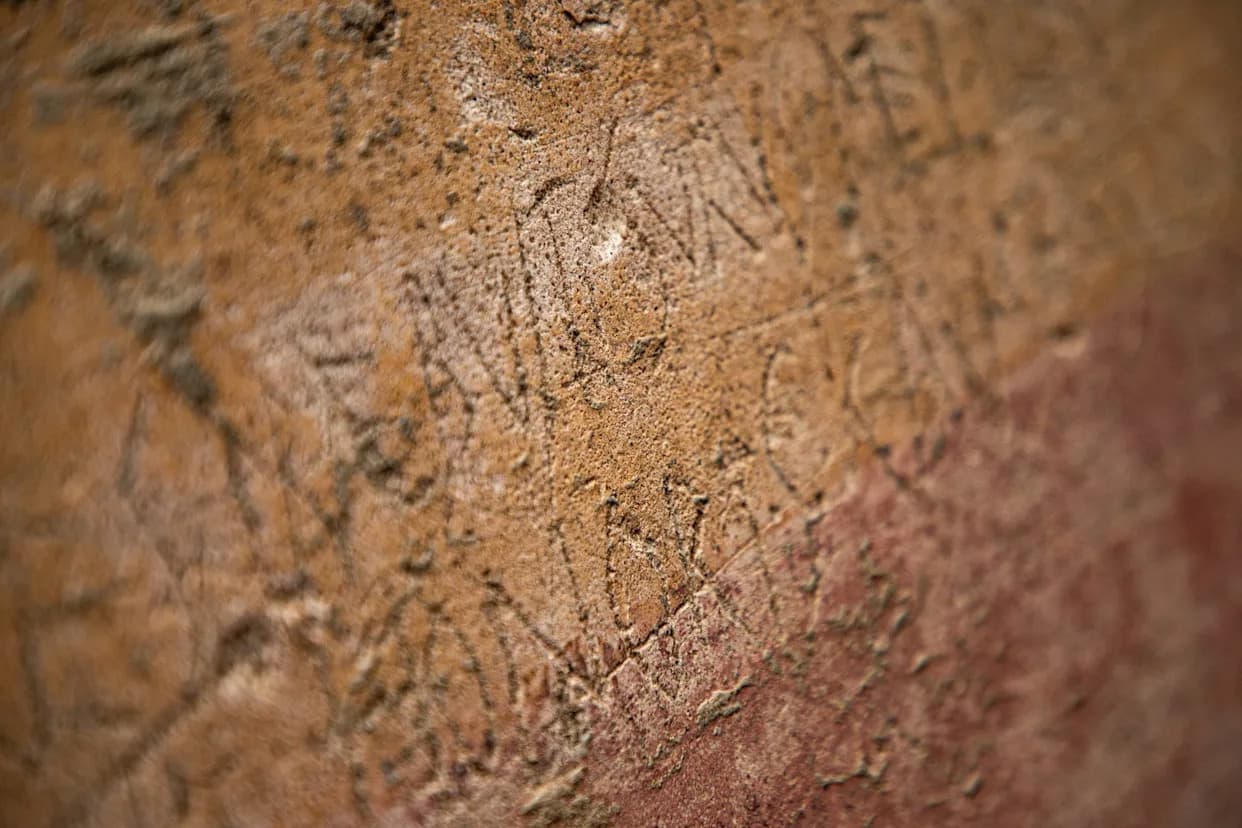
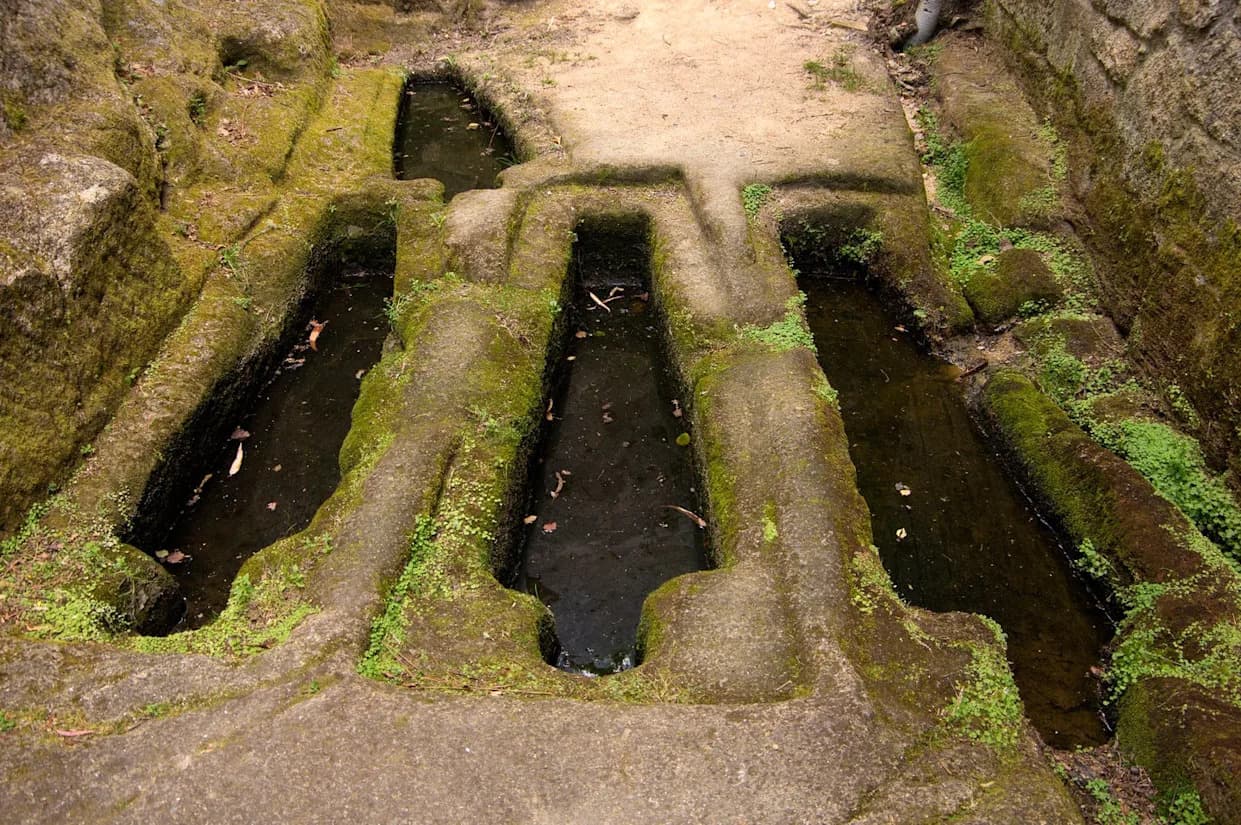
The two tombs date from the time of Rome's Republic and were found near that city's northeast Via Pietralata. | Credit: Italian Culture Ministry
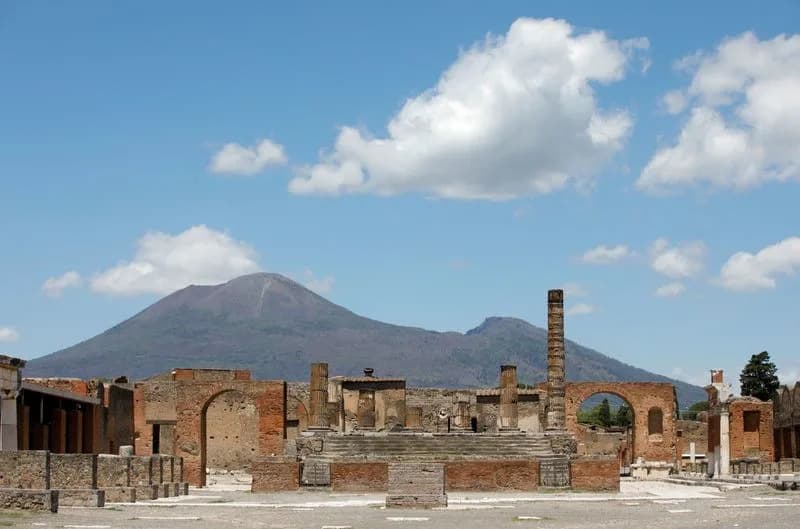
Archaeologists have uncovered two high-status chamber tombs and a nearby shrine likely dedicated to Hercules in the northeast suburbs of modern Rome, close to ancient Via Pietralata. The discovery includes a stretch of ancient roadway and two very large stone basins that may have been linked to ritual activity.
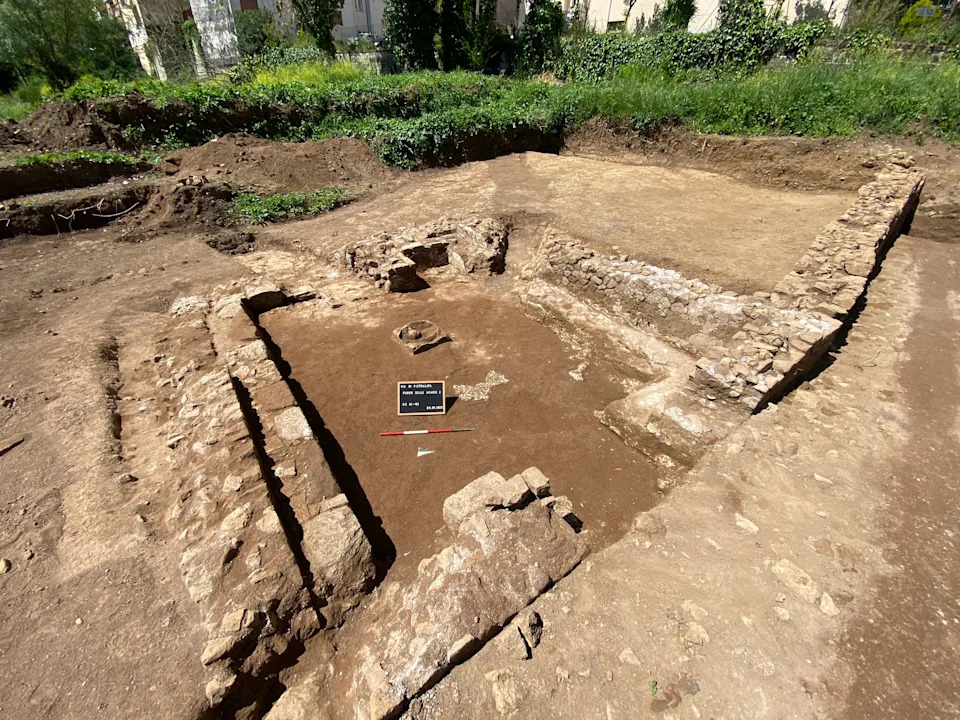
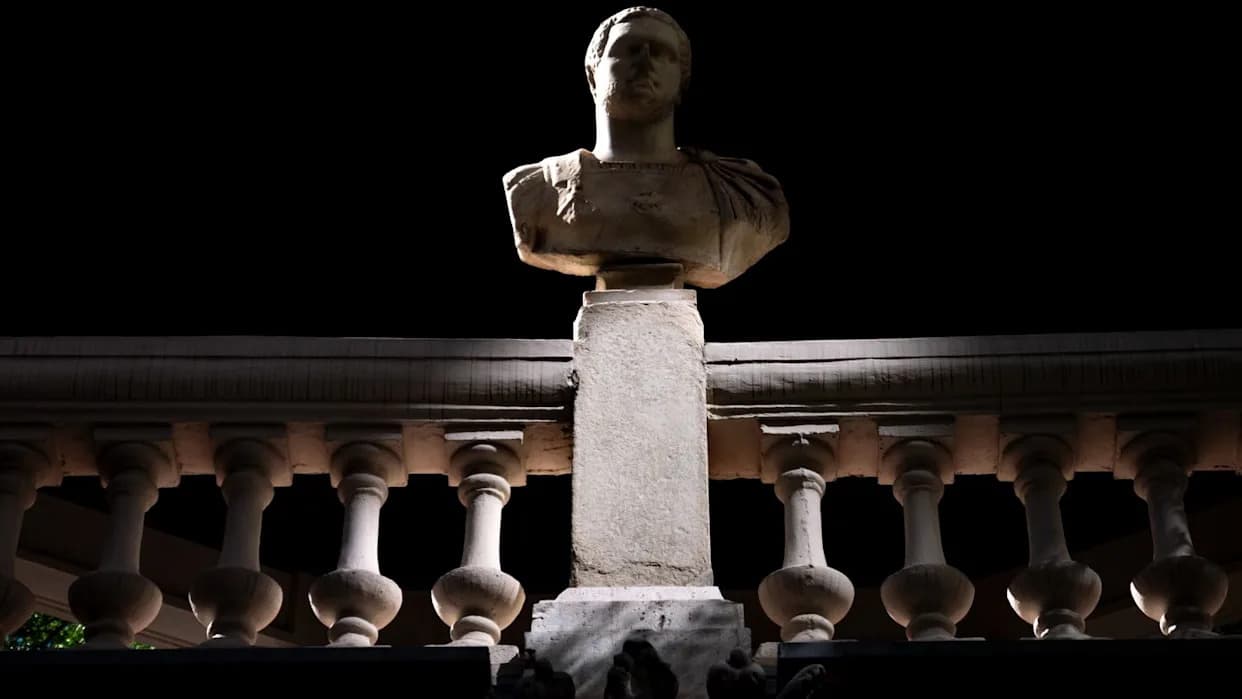
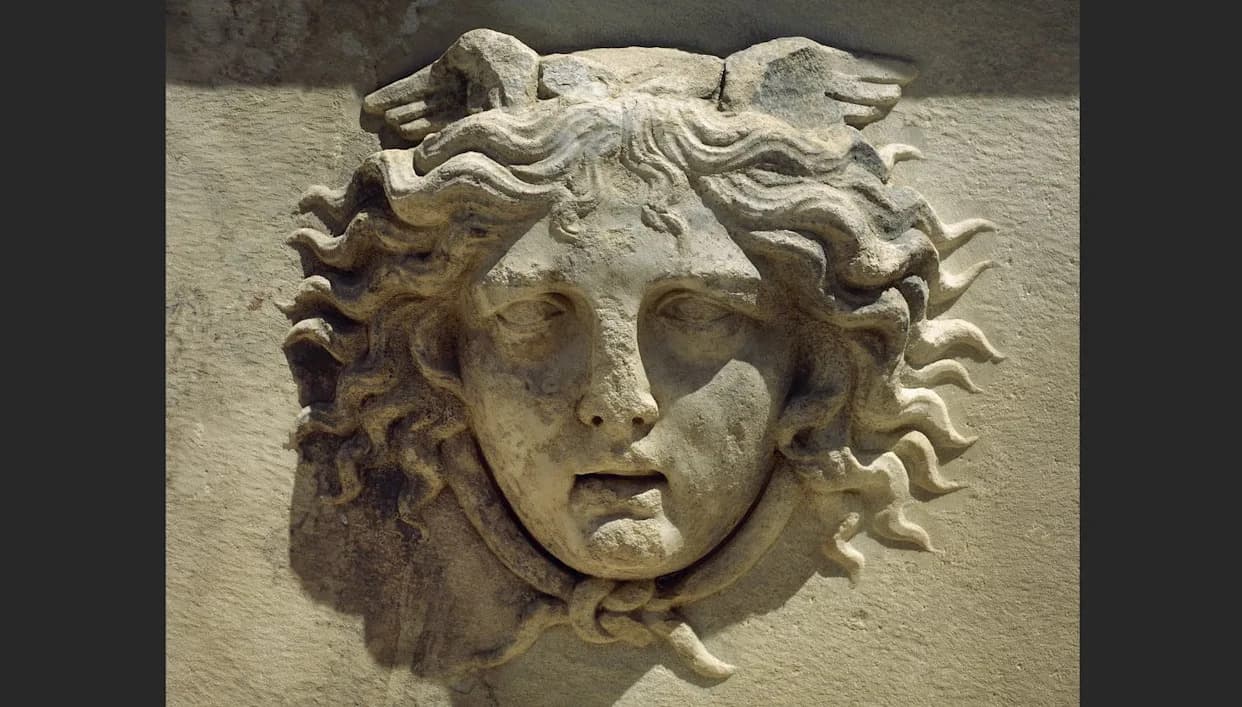
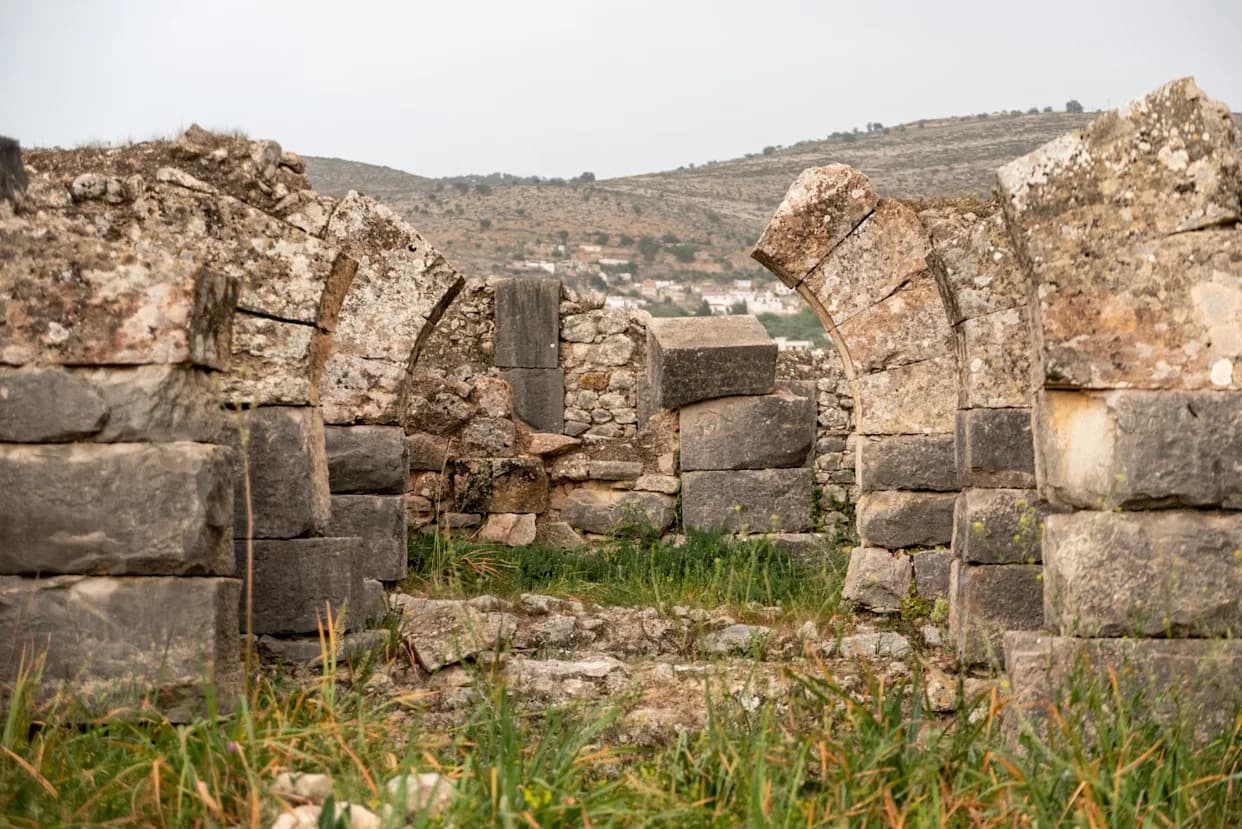
The tombs are near a shrine that archaeologists think was devoted to the deified Greek hero Hercules. | Credit: Italian Culture Ministry
Discovery and Context
Focused excavations of the site began in 2022 under government archaeologist Fabrizio Santi, although archaeological evidence for occupation around Via Pietralata was first recorded in the 1990s. The site sits outside the line of Rome's ancient walls but is now within a modern residential area.
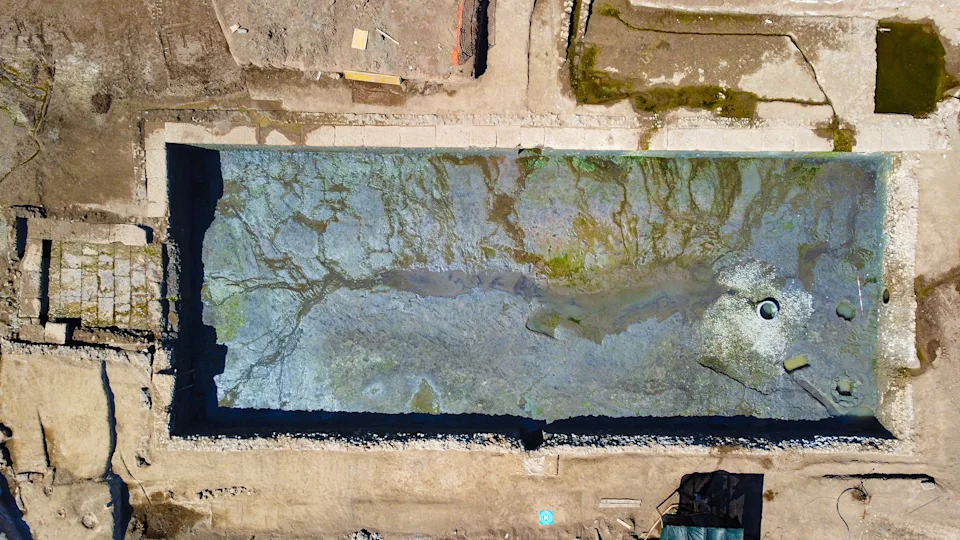
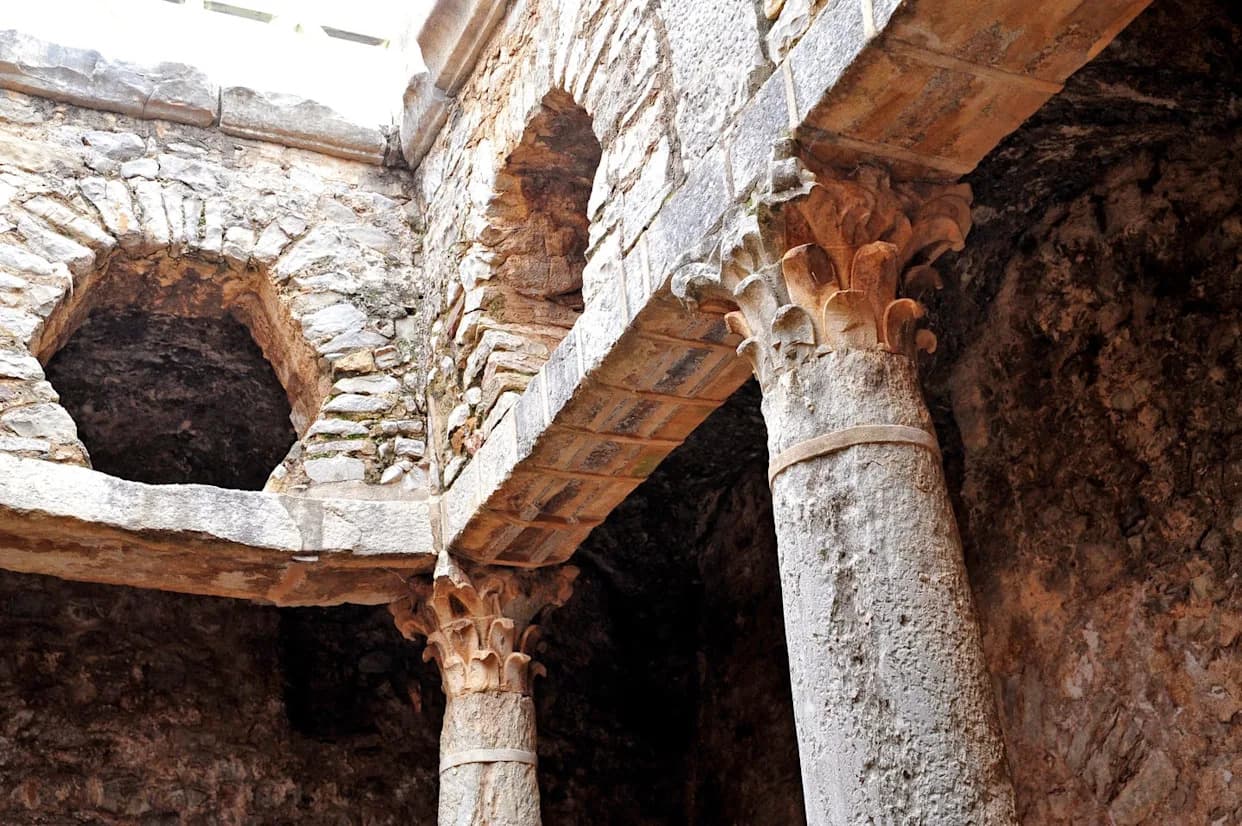
Two large water tanks found during the excavations may have had a sacred use. | Credit: Italian Culture Ministry
The Tombs
The two chamber tombs formed part of a funerary complex adjacent to the shrine. One tomb contained a stone sarcophagus accompanied by three cremation urns; the other held the articulated skeleton of an adult male. Santi has suggested the burials may reflect occupation by a wealthy extended family or Roman gens.
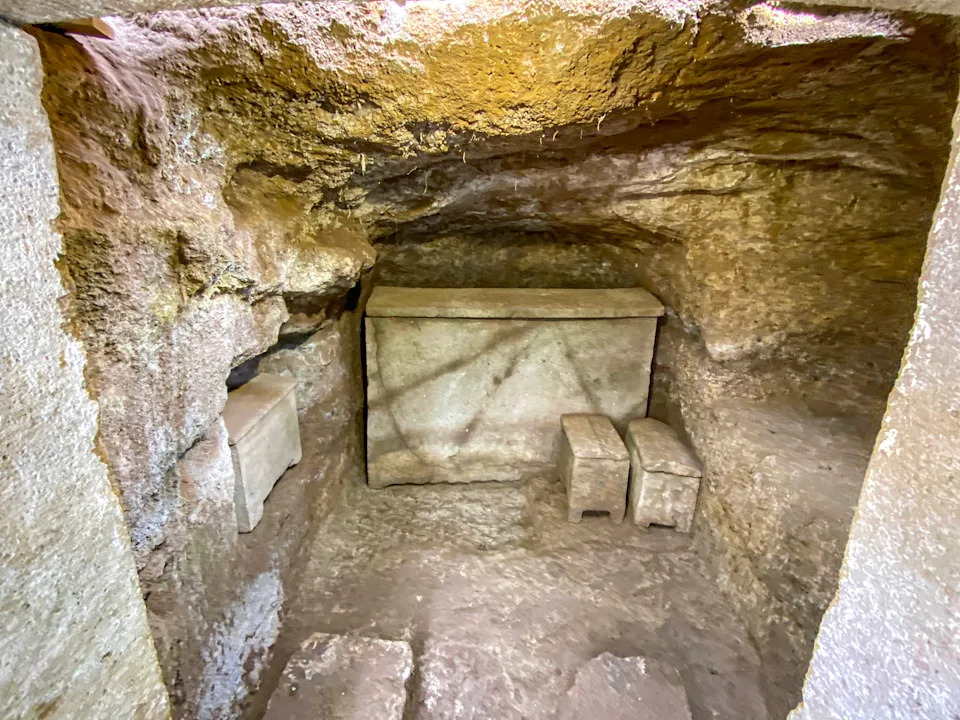
One of the newfound tombs contains a stone sarcophagus and three cremation urns, and the other contains an adult male skeleton. | Credit: Italian Culture Ministry
The Shrine and Missing Statue
Finds of bronze coins indicate the shrine was in use from as early as the 5th or 4th centuries B.C. — a period traditionally associated with the Roman Republic — through into the 1st century A.D., when Rome was an empire. Media reports claiming six small bronze figurines of Hercules appear to be incorrect: the Italian Ministry of Culture's statement makes no mention of such figurines. The ministry does note the shrine once held a central statue that is now missing.
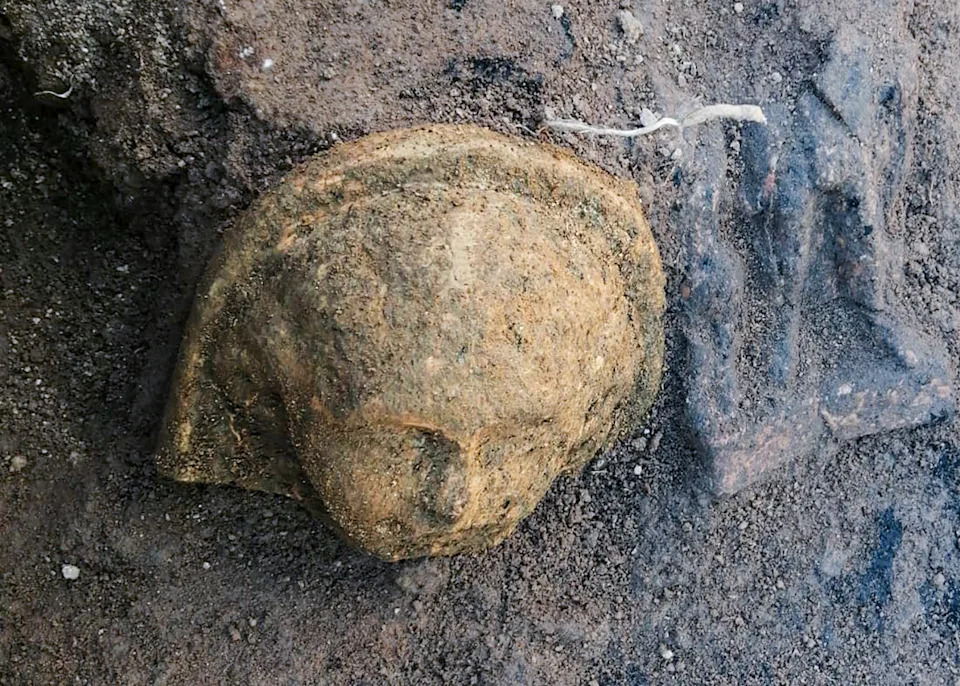
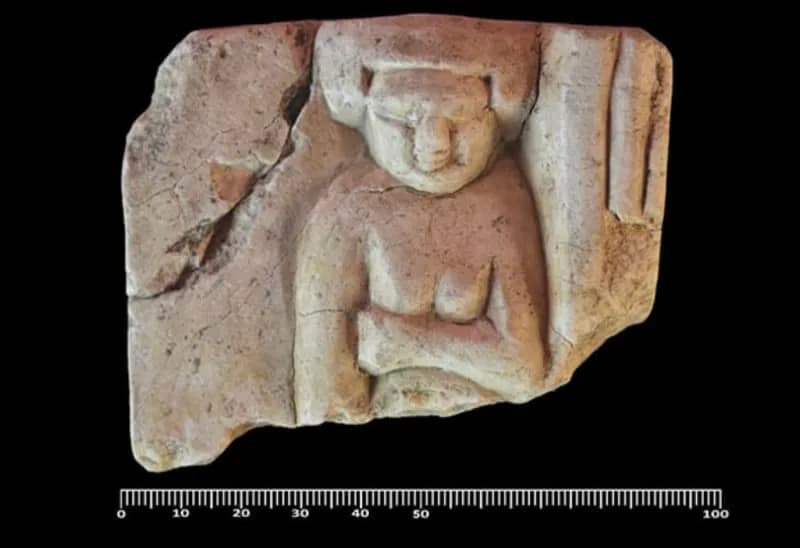
The shrine was built above an even earlier votive site where many pieces of pottery figurines were found. | Credit: Italian Culture Ministry
“With these finds, Rome's suburbs reveal themselves to be repositories of deep memories, still to be explored,” said Daniela Porro, head government archaeologist for Rome (translated).
Basins, Road and Possible Functions
Two large stone basins or tanks were found nearby, constructed more than a century after the burials. The largest measures over 28 meters (about 90 feet) long, roughly 10 meters (33 feet) wide and about 2.1 meters (7 feet) deep; the second is smaller in footprint but nearly twice as deep. Archaeologists suggest these could have been connected with ritual activity, water collection, or—less likely—productive uses, pending further analysis.
An ancient roadway at the site appears to have led directly to a small cult building, or sacellum (Latin for "shrine"), likely devoted to Hercules. Hercules (the Roman counterpart of the Greek Herakles) was widely venerated in early Rome as a protective and moral figure.
Next Steps
Researchers emphasize that thorough scientific analysis—laboratory study of artifacts, stratigraphy, and dating—will be needed to clarify the chronology and function of the basins, tombs and shrine, and to place the discoveries in their broader landscape and social context.
Help us improve.