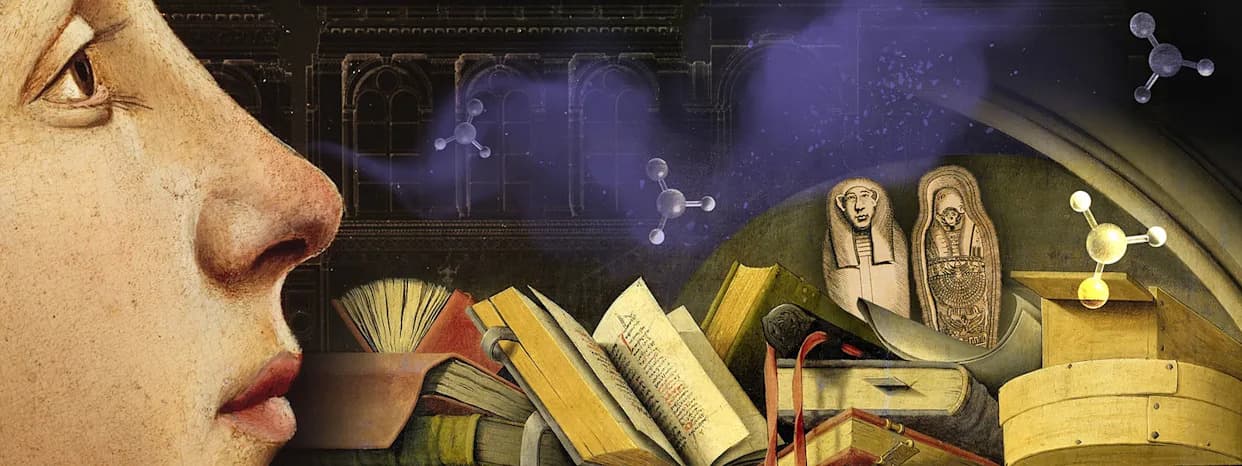
Researchers are documenting and reconstructing historic scents to deepen museum interpretation and preserve olfactory heritage. Using gas chromatography–mass spectrometry, sensory panels and archival research, teams have profiled scents from St. Paul’s Cathedral library and nine ancient Egyptian mummies. Projects such as Odeuropa use AI and archival mining to rebuild vanished smellscapes, while museums report that scent installations boost visitor engagement and spark conversation.
Recreating the Scents of History: How Scientists Capture and Rebuild Lost Smellscapes
We usually experience the past with our eyes — through paintings, faded photographs, buildings and objects behind glass. Smell, our most ancient and instinctive sense, is rarely used to bridge us to that distant past. A small but growing group of researchers is changing that, documenting and reconstructing historic scents to enrich museum experiences and preserve olfactory heritage.
Why Smell Matters
Matija Strlič, lead scientist at the Heritage Science Laboratory at the University of Ljubljana, argues that scent adds intimacy to our encounter with historical objects. Olfaction is tightly linked to memory and emotion through brain regions such as the amygdala and hippocampus, so smells can produce vivid reactions and open conversational, personal entry points into exhibits.
“Without access to odor, you lose that intimacy that smell brings to the interaction between us and objects.” — Matija Strlič
Profiling St. Paul’s Cathedral Library
When London’s St. Paul’s Cathedral library faced renovation, Strlič and UCL colleague Cecilia Bembibre set out to document its distinctive aroma. The historians and chemists sampled air from the library — which houses books and bindings dating back to the 12th century and furnishings largely unchanged since 1709 — and analyzed the volatile organic compounds using gas chromatography–mass spectrometry (GC–MS).
To connect chemical findings with human perception, the team invited seven untrained sniffers to describe the library’s smell from a prepared list of 21 descriptive adjectives (and to add their own). Common descriptors included woody, smoky, earthy and vanilla. The researchers then matched these sensory labels to the identified molecules — for example, hexanal (often described as green or fatty) and benzaldehyde (almond) — producing a chemical “recipe” for the library’s scent, published and archived so it can be reproduced in the future.
Recreating Mummy Fragrances
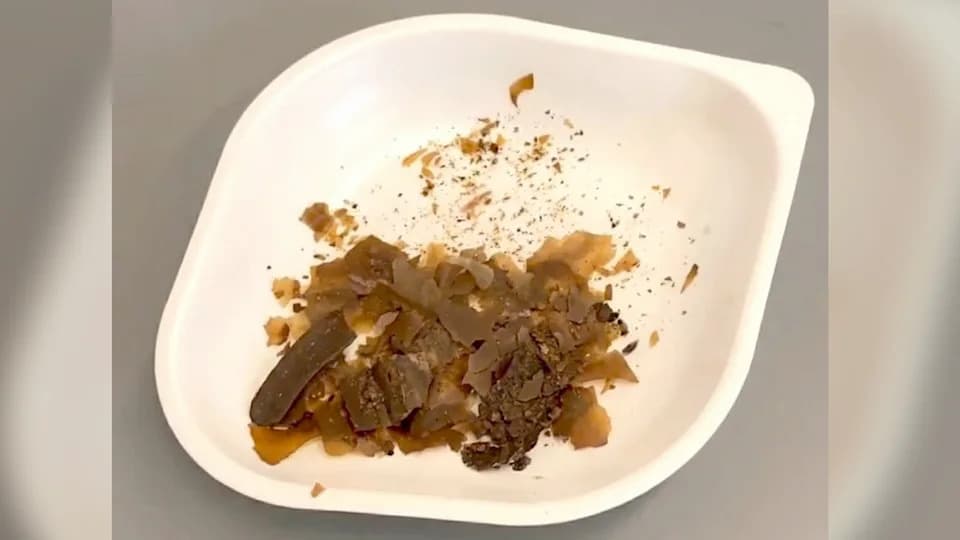
Building on that work, Strlič and an international team (Egypt, Slovenia, Poland and the U.K.) analyzed air from nine ancient Egyptian mummies in a study published in 2025. Air samples taken from inside sarcophagi were separated by gas chromatography and identified by mass spectrometry. A panel of eight trained scientists judged the samples for quality, intensity and pleasantness and agreed on recurring descriptors: woody, spicy and sweet.
The team identified traditional embalming materials such as conifer oils, frankincense, myrrh and cinnamon — alongside later additions including synthetic pesticides and plant-based pest oils applied by museums. These scent profiles are useful both for public interpretation (the Egyptian Museum in Cairo plans to introduce a reconstructed scent to visitors in 2026) and for noninvasive conservation: volatile profiles can indicate degradation or undocumented treatments without removing samples from artifacts.
Reconstructing Lost Smellscapes: Odeuropa
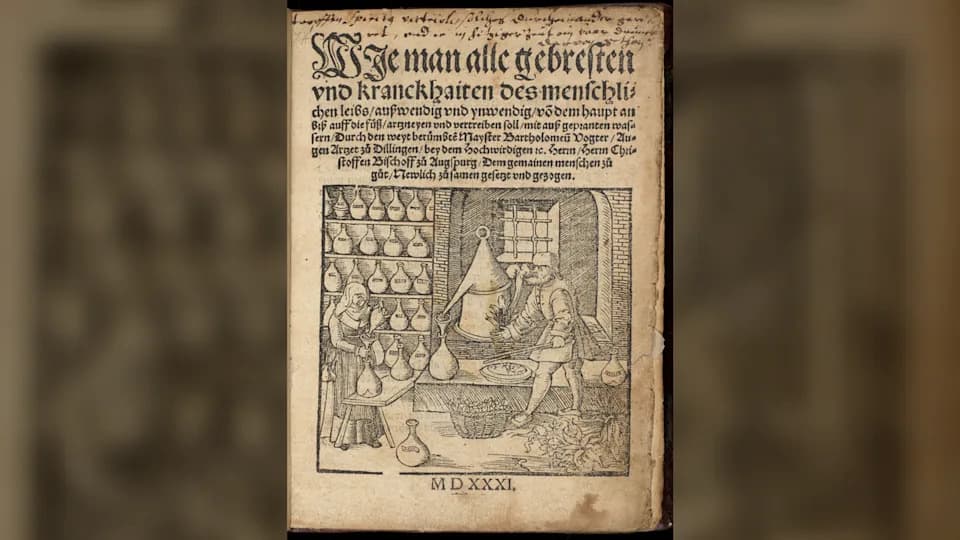
Not all historic odors survive physically. The European project Odeuropa reconstructs vanished “smellscapes” from archival documents, images and cultural records. The team built an AI-driven database of more than 2.5 million historical smell references extracted from 43,000 images and 167,000 texts across seven European languages. Examples include reimaginings of 17th-century Amsterdam canals, the Battle of Waterloo, and literary depictions of Hell from 16th-century sermons.
Odeuropa compiles briefs describing the components and cultural context of a target scent, then works with perfumers to produce iterations that are assessed by blind panels, contextualized sessions, and expert peer review.
How Scents Are Recreated and Used
Typical reconstruction combines analytical chemistry (GC–MS), sensory evaluation (trained or untrained sniffers), historical research and iterative formulation. Usually up to 10–15 key volatile compounds are selected and blended, with panels comparing recreated scents to originals until differences are no longer perceptible. These scent reconstructions are used to enrich exhibitions, create accessible interpretations for diverse audiences, and act as research tools in conservation science.
Engagement and Scientific Value
Museums report that scent installations increase visitor engagement and encourage conversation. For example, when the Prado Museum added 10 scents to accompany Jan Bruegel the Elder’s The Sense of Smell in 2022, visitors lingered significantly longer — an average of 13 minutes versus a typical 32 seconds. Olfactory displays help draw in new and casual visitors and spark personal exchanges about memory and cultural experience.
Challenges and Subjectivity
Smell perception is highly subjective. Neuroscientist Gülce Nazlı Dikeçligil (University of Pennsylvania) notes that olfaction is shaped by biology, culture and personal experience; our brains interpret odor not as exact molecular signatures but as meaningful cues within personal history. That variability requires careful experimental design: using panels, blind testing, and cross-disciplinary review helps ensure reconstructions are robust and culturally informed.
Looking Forward
Olfactory heritage is emerging as a valuable complement to visual and tactile approaches in museums and research. By combining chemistry, archival scholarship, sensory science and creative interpretation, researchers can preserve smells that would otherwise vanish and provide visitors with richer, more emotional encounters with the past.
Help us improve.