The chemical analysis of a 1,900‑year‑old Roman glass unguentarium found dark‑brown residue made of human feces mixed with thyme. GC‑MS identified fecal biomarkers (coprostanol and 24‑ethylcoprostanol) and carvacrol, an aromatic compound linked to thyme. The sealed vial, recovered from a Pergamon tomb, aligns with medicinal recipes described by Galen and provides the first direct chemical evidence for fecal preparations in Greco‑Roman medicine.
1,900‑Year‑Old Roman Vial Shows Human Feces Used as Medicine — Thyme Added to Mask Odor
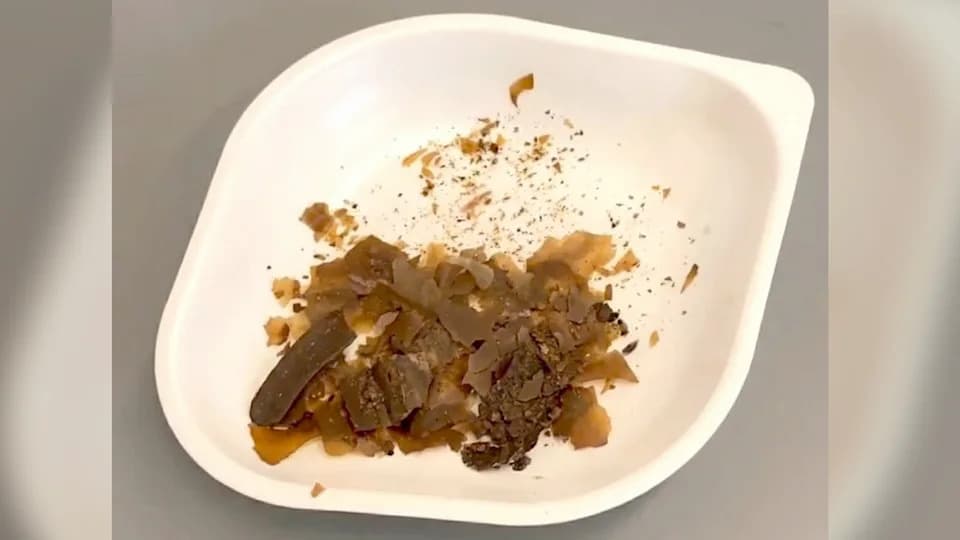
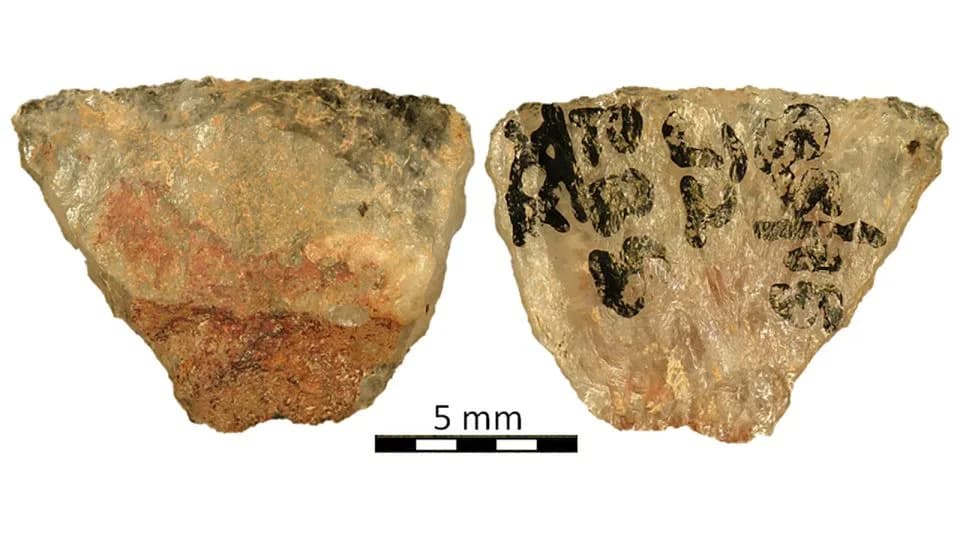
Researchers sampled the brownish flakes from inside the Roman glass vial. | Credit: Cenker Atila
Dark-brown flakes inside a 1,900‑year‑old Roman glass unguentarium provide the first direct chemical evidence that human fecal material was prepared and stored as a medicinal remedy in Greco‑Roman antiquity. Chemical analysis indicates the residue contained fecal biomarkers and aromatic compounds from thyme, suggesting practitioners deliberately combined offensive but therapeutic substances with odor‑masking herbs.
Discovery and Context
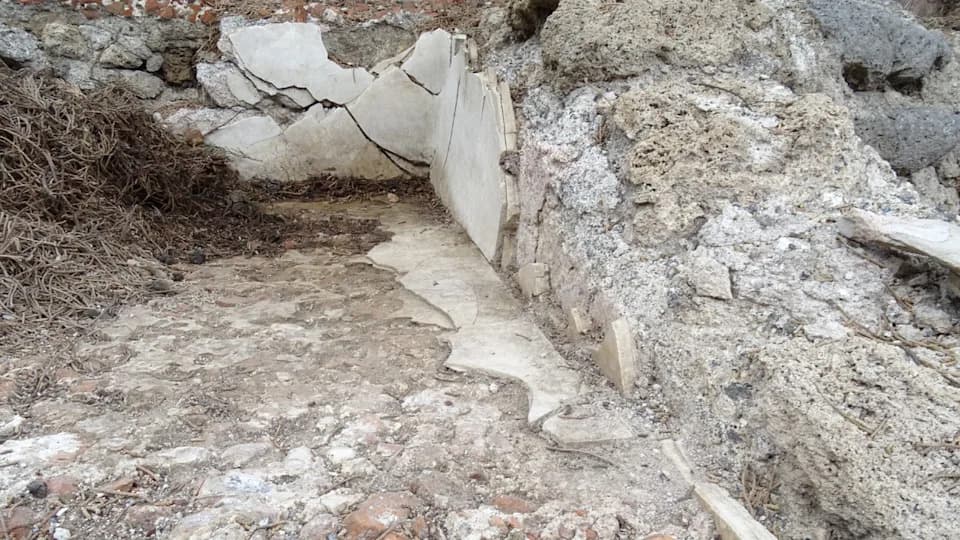
The small glass vial, sealed with clay in antiquity, was recovered from a tomb in the ancient city of Pergamon in western Turkey. Archaeologist Cenker Atila of Sivas Cumhuriyet University found residues in seven vessels during museum storage work, but only one sample produced conclusive results.
"While working in the storage rooms of the Bergama Museum, I noticed that some glass vessels contained residues... I noticed it and immediately initiated the analysis process," Atila said.
Chemical Analysis
Researchers used gas chromatography–mass spectrometry (GC‑MS) to identify organic molecules in the dark residue scraped from the vessel. They detected coprostanol and 24‑ethylcoprostanol — stanol biomarkers produced when cholesterol is metabolized — whose relative proportions point toward a human origin. The team also discovered carvacrol, an aromatic compound common in thyme and related herbs.
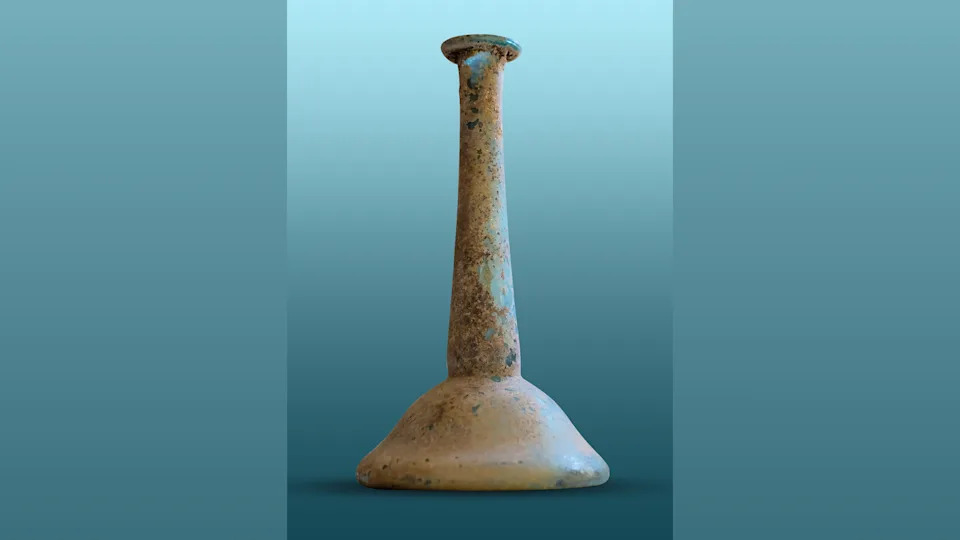
Researchers studied the contents of a second-century glass vial discovered in ancient Pergamon, Turkey. | Credit: Cenker Atila
Interpretation and Medical Context
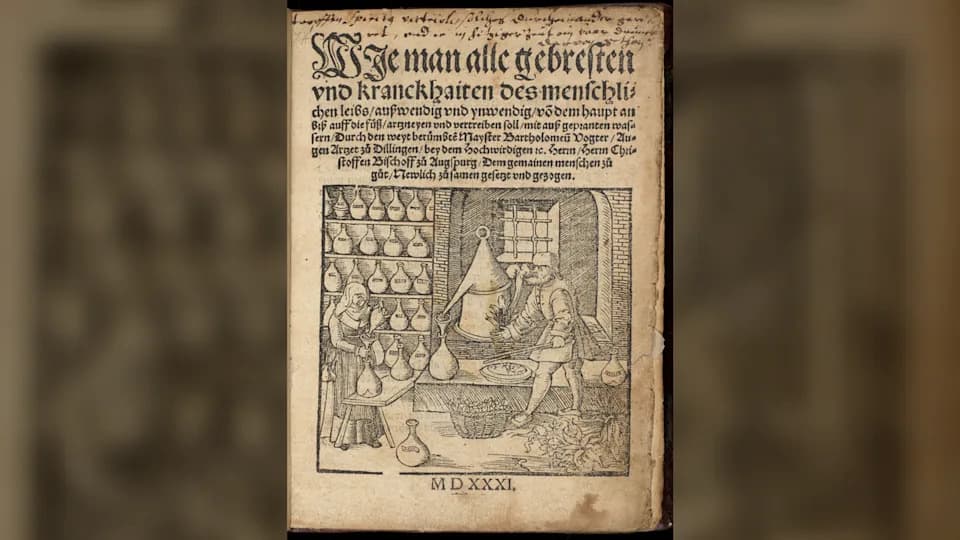
The combination of human fecal stanols with carvacrol supports historical accounts that Greco‑Roman physicians prepared fecal-based remedies and intentionally masked their odor with strong-smelling agents such as thyme, wine or vinegar. Classical medical writers, including Galen of Pergamon (second–third centuries CE), recorded recipes that incorporated fecal material to treat inflammation, infection and other disorders; this find shows those recipes were likely enacted in practice, not only described in texts.
Significance
The study, published Jan. 19 in the Journal of Archaeological Science: Reports, provides the first direct chemical evidence that fecal preparations were used medicinally in the Roman world and that aromatic herbs were employed to conceal unpleasant odors. While the precise therapeutic intent and application of the vial's contents cannot be confirmed, the chemical signature closely matches formulations described by ancient medical authors.
Limitations: Only one of seven residues returned conclusive chemical results, and while biomarker ratios strongly suggest a human source, absolute proof of origin and the exact recipe remain interpretive.
Why it matters: This discovery bridges textual medicine and material practice in antiquity, shedding light on how ancient clinicians managed efficacy and acceptability when using biologically potent — but malodorous — substances.
Help us improve.