Researchers have deciphered impressions in wooden frames of Roman wax tablets from Atuatuca Tungrorum (modern Tongeren, Belgium). Examining 85 fragments recovered in the 1930s and 2013, they read traces of official records, school exercises, and a draft inscription for Caracalla dated 207 C.E. Using paleography, philology, material analysis and multi-light reflectance imaging, the team identified references to provincial offices, lictores, and Rhine-fleet veterans — shedding new light on Roman administration and local Romanization.
‘Unreadable’ Roman Wax Tablets Deciphered — Officials’ Records, School Exercises and a Draft for Caracalla Revealed
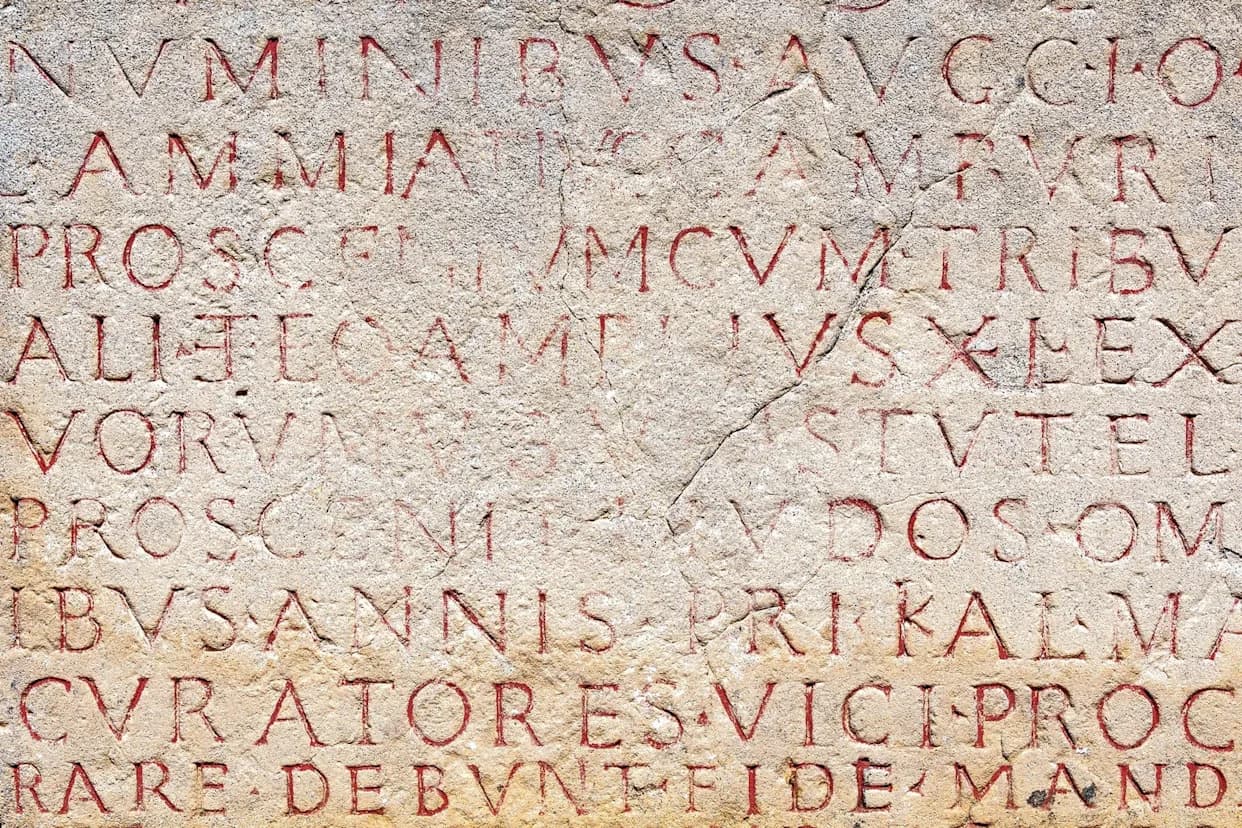
Scholars Deciphered Supposedly Illegible TabletsMo-Jo-Lo - Getty Images
Scholars have recovered readable texts from wooden frames of Roman wax writing tablets that were long thought to be unreadable. The millimetre-thin wax layer that once carried handwriting has vanished, but impressions left in the wood preserved enough detail for researchers to reconstruct the original inscriptions.
Archaeological and palaeographic evidence ties the tablets to Atuatuca Tungrorum — the Roman town now called Tongeren in modern Belgium. The research team examined 85 fragments: some were excavated from a well near the town forum in the 1930s (apparently discarded deliberately), while a separate group was found in 2013 in a muddy pit.
What the Tablets Contain
The texts include traces of official documents, classroom exercises likely written by pupils, and a draft inscription for a statue honoring the future emperor Caracalla dated to 207 C.E. About half of the 85 fragments preserved identifiable script. Recovered mentions include high provincial offices (including a senior magistrate called a decemvir), references to lictores (attendants or bodyguards of senior officials), and names of people with Celtic, Roman, and Germanic origins — some of which are not attested elsewhere.
Why These Finds Matter
These inscriptions provide concrete, local detail about religious, judicial, and administrative practices in the northwestern provinces of the Roman Empire. They also shed new light on Romanization and Latinization processes in provincial towns and reveal the presence of former Roman servicemen, including veterans of the Rhine fleet.
How Researchers Read the 'Unreadable'
The deciphering work was painstaking. Markus Scholz, a specialist in provincial Roman archaeology and ancient inscriptions who led the project, explained that the wood was dry and cracked, making it difficult to separate letter grooves from damage. The team combined traditional humanities approaches — paleography, philology, and onomastics — with scientific and imaging methods such as wax residue analysis, wood species identification, and multi-light reflectance imaging to visualise faint impressions and distinguish overlapping layers of text.
“Distinguishing between grooves that formed part of a letter and those caused by cracks, damage, or the drying process itself was extremely challenging,” Scholz said in a translated statement.
From Ancient Shredder to Modern Discovery
The tablets were apparently discarded intentionally — thrown into a well as a way to destroy sensitive documents. Because the wooden frames were designed for reuse, multiple layers of overlapping text added to the difficulty of reading them. Nevertheless, centuries after their deliberate destruction, messages intended to be lost have resurfaced, offering a vivid glimpse into provincial Roman administration, education, and local identity.
Bottom line: Advanced imaging and multidisciplinary analysis made it possible to read impressions left on wood long after the wax vanished, turning fragments into fresh historical evidence from Roman northwestern Europe.
Help us improve.