Studies starting in the late 1990s and a foundational October 2000 paper found that rats emit a 50-kHz ultrasonic chirp during play and when gently tickled, a sound interpreted as a rodent analogue of laughter. Tickled rats that chirped later showed an optimistic bias in ambiguous-cue tests. The tendency to enjoy tickling is a stable, heritable trait (selectable within four generations) and is associated with increased hippocampal neurogenesis in responsive individuals. These findings inform research on animal emotions and raise welfare and methodological questions.
Why Rats ‘Giggle’: The Science Behind Tickling and Ultrasonic Chirps
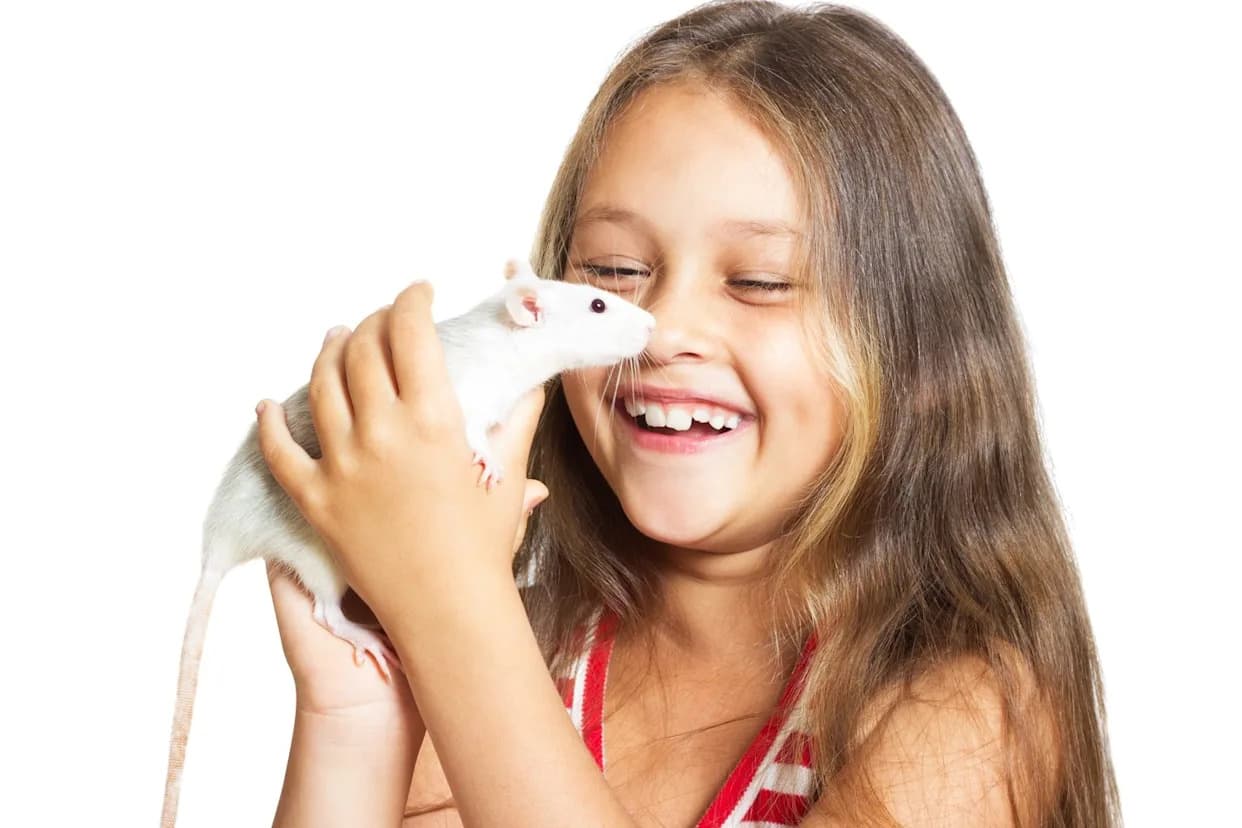
laughing little girl holding a pet rat© Happy monkey/Shutterstock.com
If you think laughter is uniquely human, research on rodents may surprise you. Beginning in the late 1990s and highlighted by a key October 2000 paper in Behavioural Brain Research, scientists observed that rats emit a distinctive 50-kHz ultrasonic chirp during play and when gently tickled — a vocalization many researchers interpret as a rodent analogue of laughter.
Research Background
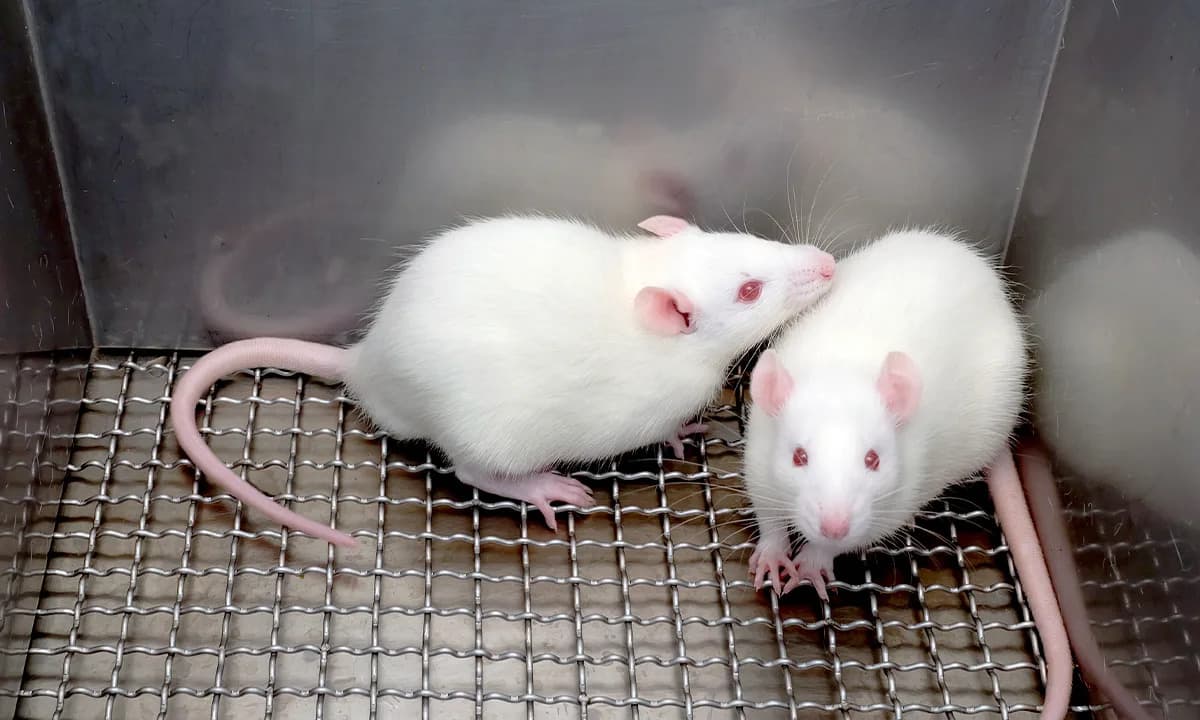
Neuroscientist Jaak Panksepp and colleagues reported that rats produce high-frequency 50-kHz chirps in social play and in anticipation of play. Those chirps were far more frequent during manual somatosensory stimulation (tickling) than during many other handled interactions, suggesting a positive affective response rather than stress.
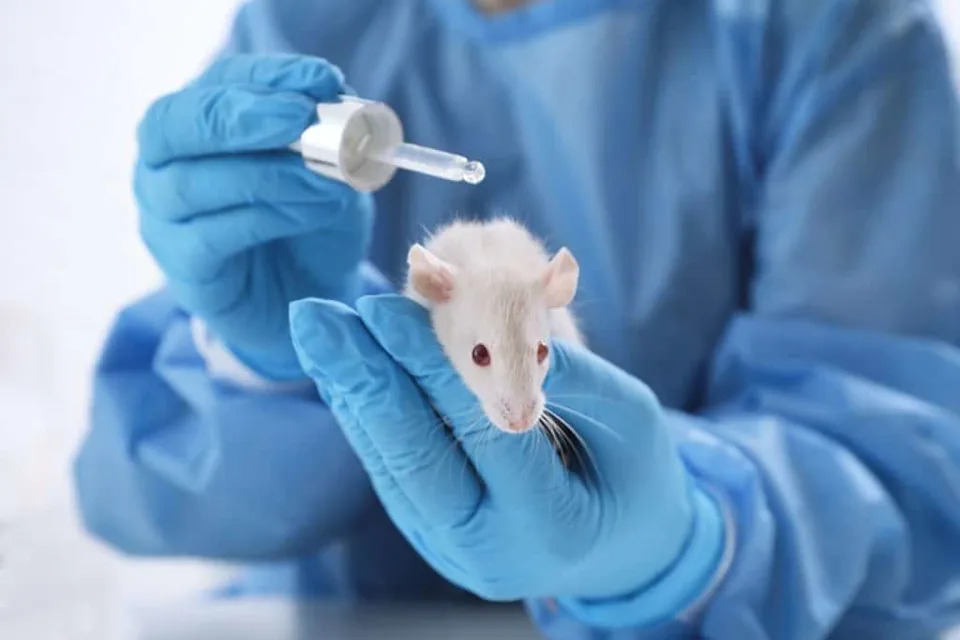
Rats appear to emit ultrasonic 50-kHz chirp sounds when reacting positively to stimuli, akin to laughter.©New Africa/Shutterstock.com(New Africa/Shutterstock.com)
How Tickling Was Performed
The tickling protocol used in these studies was deliberate and practiced: quick fingertip strokes across the back, attention to the neck, then a brief flip onto the rat’s back to stimulate the ventral surface for a few seconds before release. Although brisk, researchers took care to avoid frightening the animals and repeated these movements in a structured session.
Behavioral Tests And Findings
Beyond measuring vocalizations, researchers tested whether tickling affected rats’ expectations. In a two-tone discrimination task, one tone signaled a lever press for food while another tone signaled a lever press to avoid a mild shock. After exposure to repeated tickling (versus standard handling), tickled rats — specifically those that emitted many 50-kHz chirps — interpreted an ambiguous tone more optimistically and pressed the food-associated lever more often. Rats that did not chirp during tickling showed no such optimistic bias.
Rats with a penchant for laughing can be selected for breeding that shows results in just four generations.©Volodymyr TVERDOKHLIB/Shutterstock.com(Volodymyr TVERDOKHLIB/Shutterstock.com)
Individual Differences, Heritability And Brain Effects
Subsequent research found that enjoyment of tickling is a fairly stable individual trait: some rats reliably respond to tickling with abundant chirps while others do not. This predisposition correlates with lower measures of anxiety-like behavior and greater stress resilience. Remarkably, selective breeding amplified the trait: within four generations researchers produced a strain of rats that consistently enjoy being tickled and chirp prolifically during play.
Neurobiological studies link these behavioral differences to brain plasticity. Repeated tickling increased hippocampal neurogenesis only in rats that responded positively (those that chirped), indicating an interaction between the tactile stimulus and the animal’s disposition. While reduced hippocampal neurogenesis is associated with depression in humans, causal relationships remain under investigation.
Why This Matters
Although some in the scientific community initially met the idea of "rat laughter" with skepticism, quantitative analyses and replication studies have strengthened the evidence for play-related ultrasonic vocalizations as indicators of positive affect. These findings deepen understanding of animal emotions, reveal stable personality-like traits in rodents, and raise practical and ethical questions about animal welfare and experimental design.
Takeaway: Studying 50-kHz chirps and play behaviors in rats offers a measurable window into positive affective states and brain plasticity — and shows that even small animals can exhibit complex, heritable individual differences in how they experience joy.
Help us improve.