The study found that mice housed in outdoor, wild-like enclosures show far less anxiety on the elevated plus maze than standard lab-caged mice. Mice moved from cages to outdoor enclosures for one week also substantially reduced their maze-driven fear. Researchers warn that uniform laboratory housing can alter immune and behavioral responses and may undermine the predictive value of preclinical drug tests. The team plans to catalog which traits are consistent across lab and field settings and which diverge, to improve translation to humans.
Lab Mice That 'Touch Grass' Are Less Anxious — And That Could Change How We Test Drugs
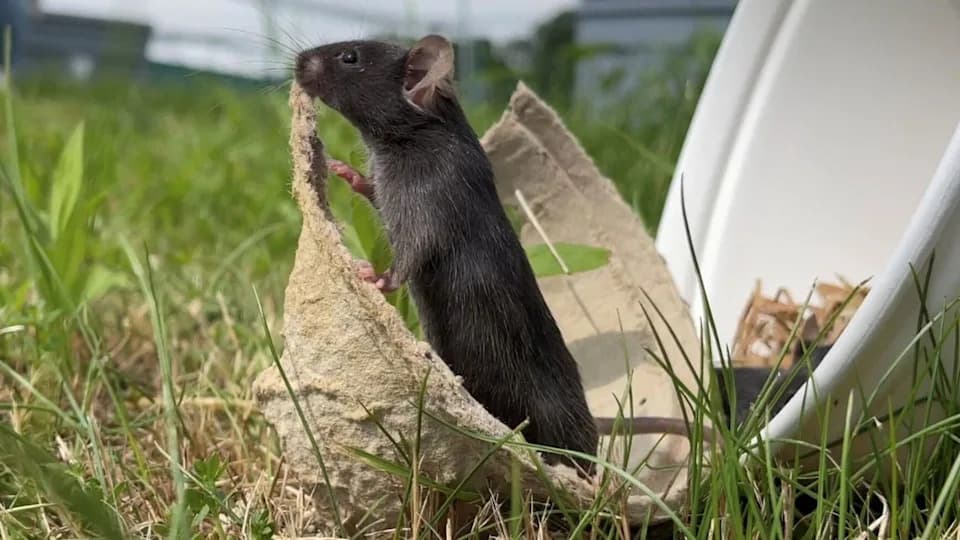
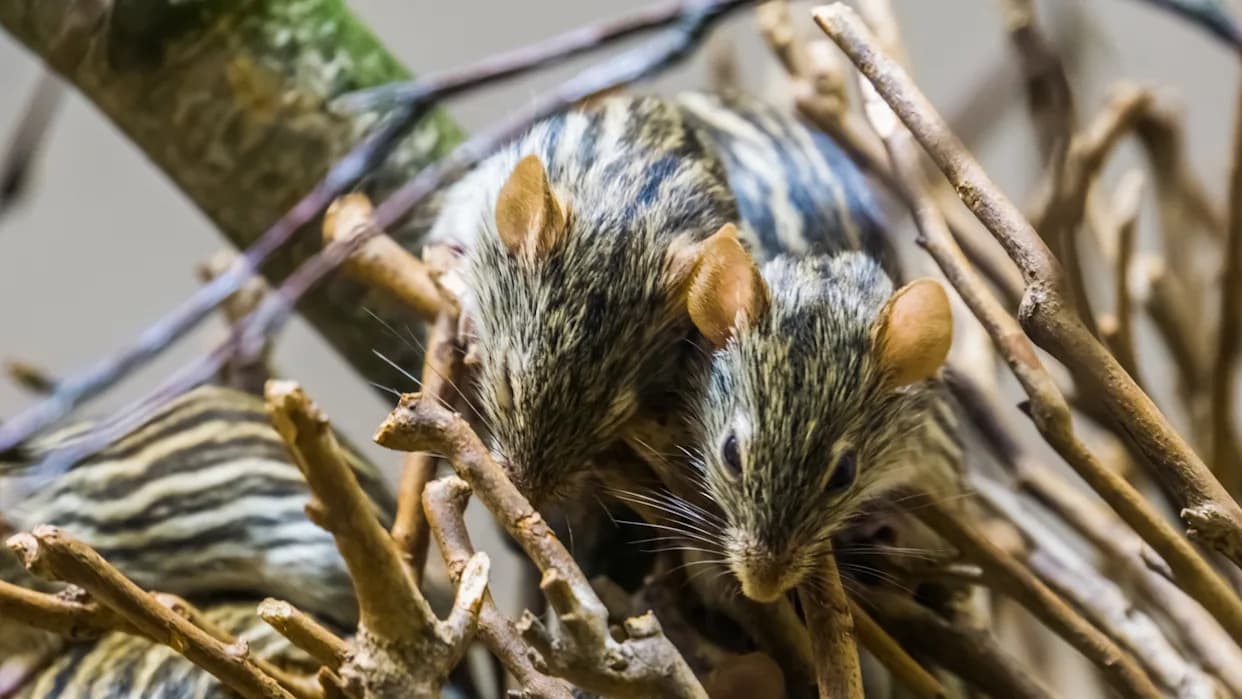
In a recent study, mice that were allowed to live in a wild-type environment displayed different behaviors than did lab mice confined to cages. | Credit: Matthew Zipple
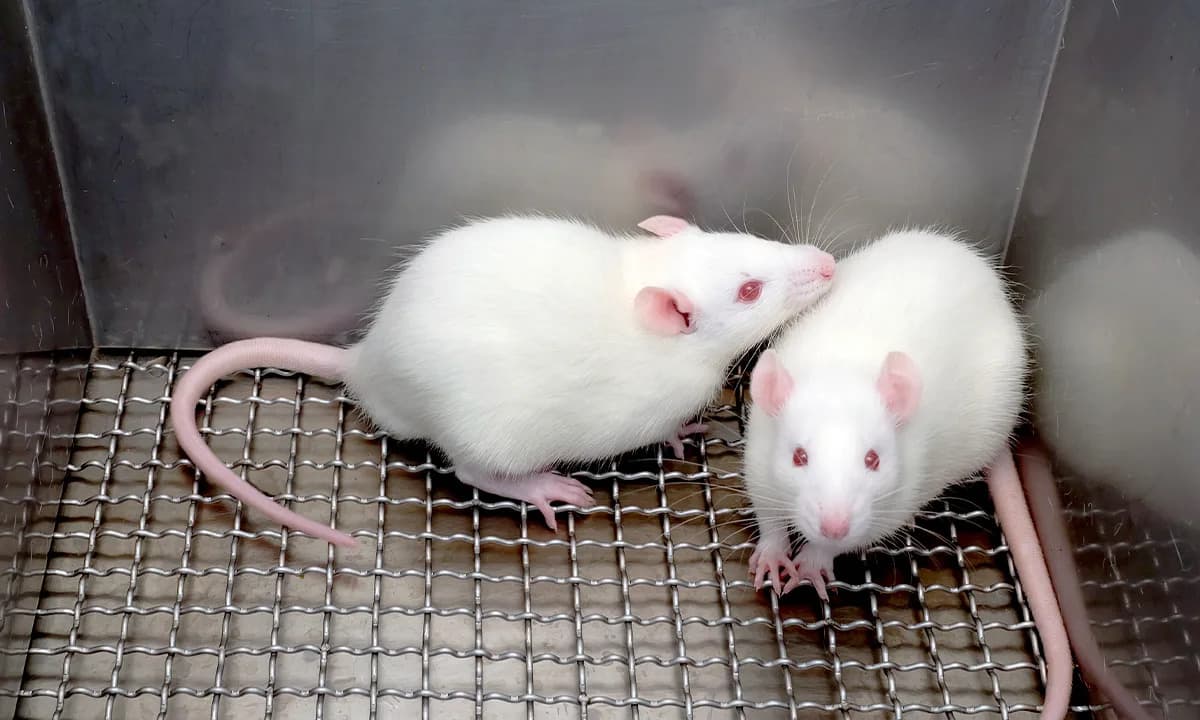
The online advice to "touch grass" as a mood boost may have scientific backing — at least for laboratory mice. A study published in Current Biology finds that mice housed in outdoor, wild-like enclosures show much lower anxiety than their counterparts kept in standard, shoebox-style lab cages. The difference raises important questions about how well laboratory animal models predict human responses to drugs and other interventions.
What the Study Did
Researchers led by postdoctoral scientist Matthew Zipple at Cornell University compared the behavior of laboratory-housed mice with mice living in outdoor, naturalistic enclosures that included grass, soil and exposure to the sky. To measure anxiety-like behavior, the team used the well-established elevated plus maze: two enclosed arms and two exposed arms arranged in a plus shape. Under bright light, cage-kept mice typically avoid the open arms after an initial exposure; that avoidance is a standard measure of anxiety.
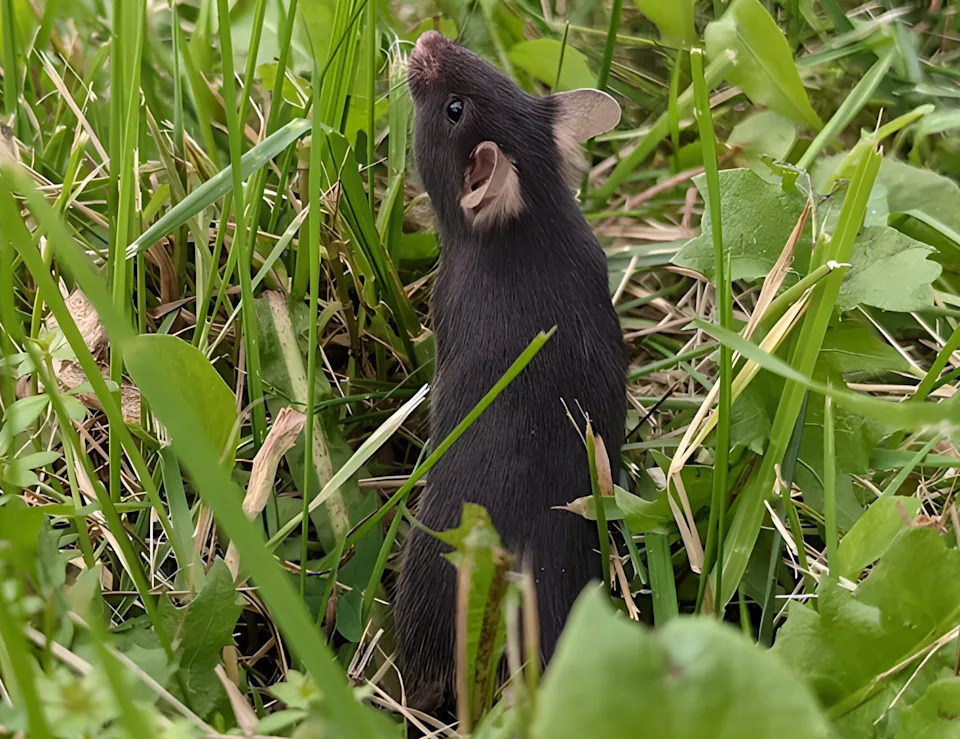
The mice that were allowed to roam outside spent more time exploring the "open" arms of the maze. | Credit: Matthew Zipple
Key Findings
Wild-enclosure mice repeatedly explored the exposed arms and did not show the same learned avoidance seen in lab-caged animals. Remarkably, mice that had lived in cages but were moved outdoors for one week also lost much of their maze-induced fear: these animals spent roughly twice as much time on the open arms as caged mice that remained confined.
"We think much of this effect may be explained by this really artificial, standardized environment in which lab animals are kept," Zipple said, describing how uniform housing conditions may produce behavior that doesn't reflect animals living in richer environments.
Why It Matters
The housing differences go beyond behavior: other work has shown that lab-housed mice have different immune profiles than mice exposed to environmental microbes, varied diets and larger social groups. Those differences can alter how drugs affect animals. For example, the 2006 TGN1412 trial infamously caused a near-fatal immune overreaction in human volunteers despite appearing safe in conventional lab mice — later work suggested immune responses can differ dramatically in animals with more natural immune and environmental histories.
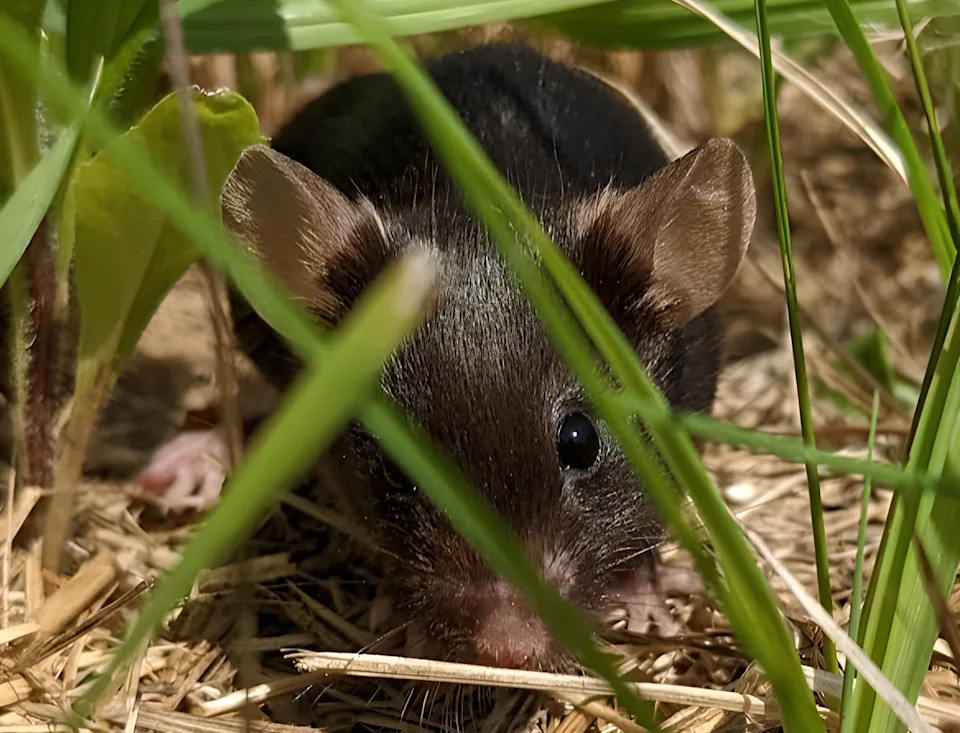
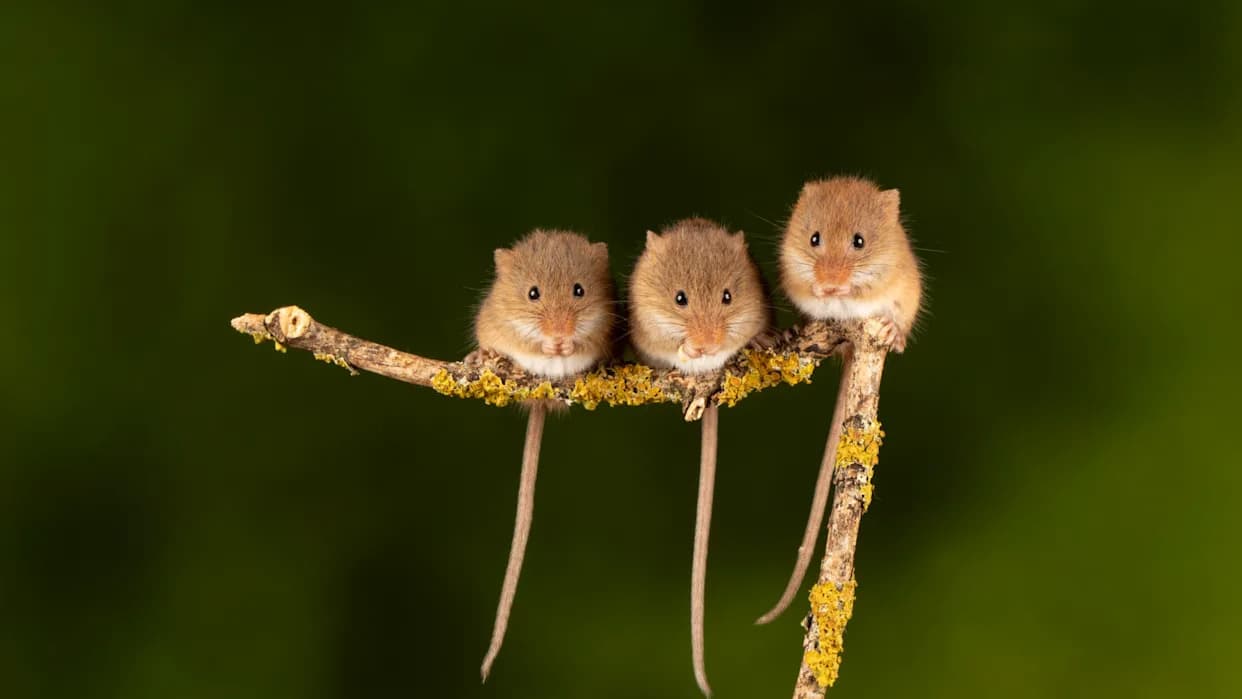
Mice in wild-type environments not only behave differently, but also have different immunological profiles than mice who live inside in cages. | Credit: Matthew Zipple
Andrea Graham, an evolutionary ecologist at Princeton who was not involved in the study, called the experiment a "powerful way to show the limits of business as usual." The authors argue that including tests with more naturalistic, less-confined mice could improve the predictive value of preclinical research and reduce costly failures in human trials.
Trade-Offs and Next Steps
Moving experiments into wild-style enclosures adds cost, logistical complexity and less rigid experimental control, which may deter some researchers. Still, Zipple and his colleagues are compiling lists of traits that do — and do not — match between lab and field mice and are investigating how housing affects aging. Their goal is pragmatic: identify which animal-model results are likely to translate to people and which require testing in more realistic settings.
Bottom line: Standardized, sterile lab housing simplifies experiments but may produce animals whose behavior and immune responses are atypical. Adding naturalistic housing as a complementary approach could help researchers better predict human outcomes.
Help us improve.