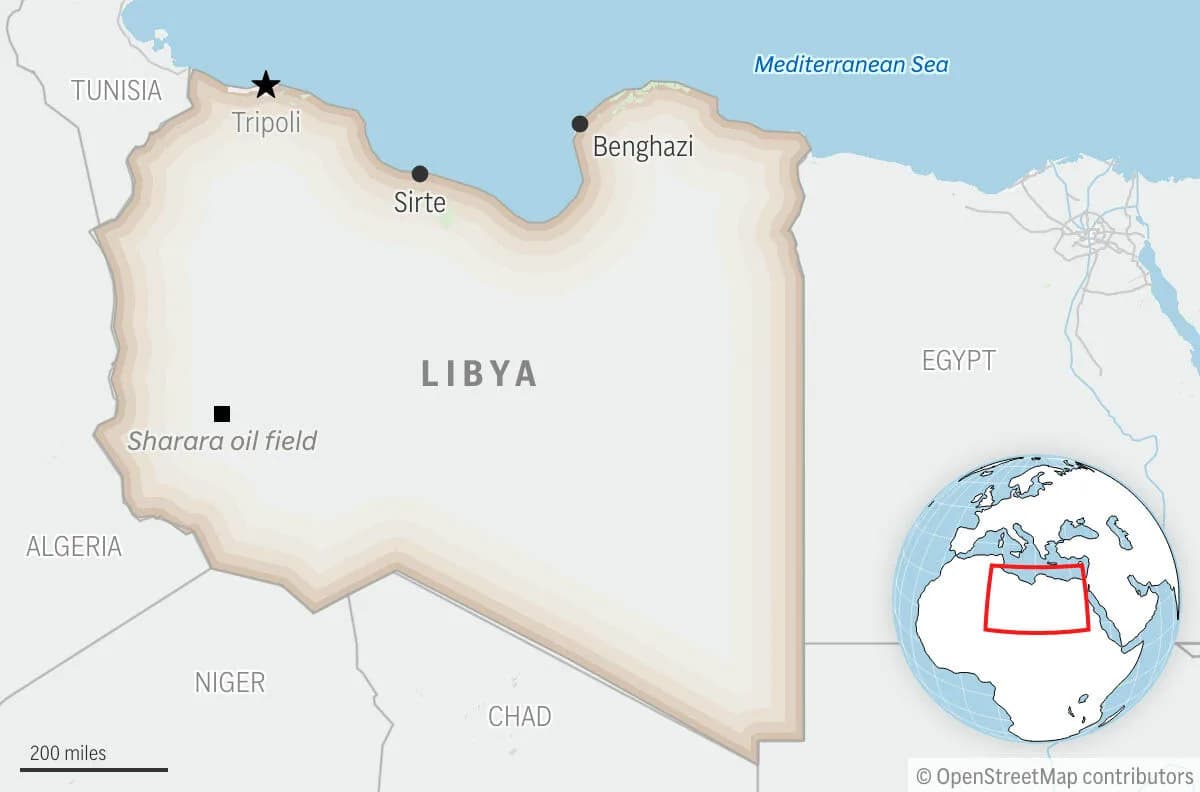
Saif al-Islam Gaddafi, son of former Libyan leader Muammar Gaddafi, has reportedly been shot dead in Zintan at age 53, according to local reporters and his political adviser. The attackers and exact circumstances are unclear and Libyan authorities have not yet commented. Saif al-Islam, who earned a PhD from the London School of Economics in 2008, was captured in 2011 and released under a 2017 pardon; he had faced UN sanctions and allegations of abuses related to his father's regime.
Saif al-Islam Gaddafi Reportedly Killed In Zintan; Attackers Unclear
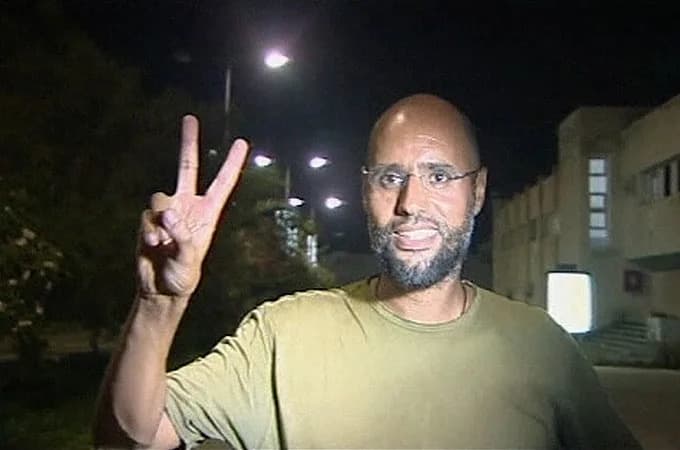
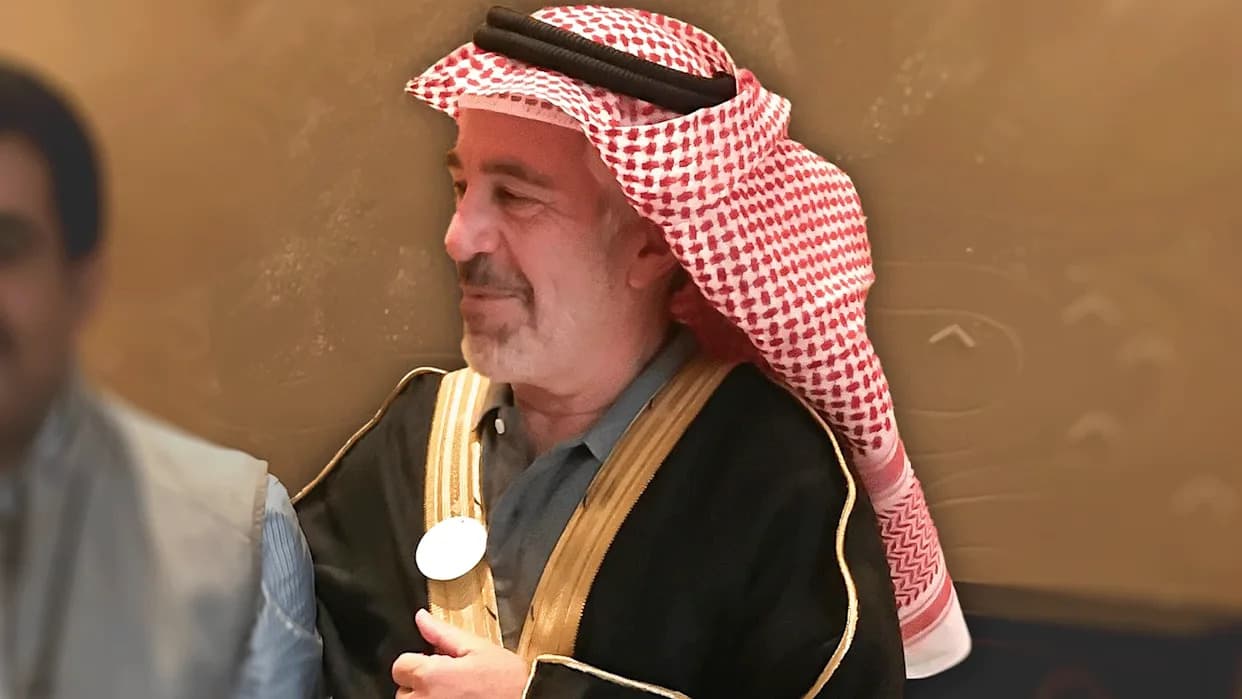
Saif al-Islam, son of former Libyan leader Muammar Gaddafi, gestures in Tripoli on August 23, 2011 [File: Reuters]
Saif al-Islam Gaddafi, the son of Libya's longtime ruler Muammar Gaddafi, has reportedly been shot and killed in the western Libyan city of Zintan, local reporters say. Initial accounts say he was 53 at the time of his death.
Confirmed By Adviser, Details Still Unclear
His death was confirmed by his political adviser, Abdullah Othman, but the identity of the attackers and the exact circumstances remain unclear. Al Jazeera Arabic correspondent Ahmed Khalifa reported that Gaddafi was believed to have been shot in Zintan, where he had lived for about a decade. Libyan authorities have not issued an official statement.
Background And Political Role
Although Saif al-Islam never held an official government post, he was widely regarded as his father's second-in-command from around 2000 until the 2011 uprising that toppled Muammar Gaddafi. After Tripoli fell to opposition forces in 2011, Saif al-Islam was captured in Zintan while attempting to flee and was imprisoned there.
He was released in 2017 under a general pardon and spent subsequent years largely out of the public eye in Zintan, reportedly to reduce the risk of assassination attempts. From 2016 onward, he was reported to have been allowed to communicate with people inside and outside Libya.
Education And Controversy
Seen as Western-educated and articulate, Saif al-Islam earned a PhD from the London School of Economics in 2008; his dissertation examined the role of civil society in reforming global governance. He was long associated with efforts to normalise relations between Libya and Western countries in the early 2000s.
However, he also faced serious allegations. By February 2011 he had been placed on a United Nations sanctions list and barred from international travel amid accusations of involvement in torture and other abuses linked to his father's regime.
Remarks During The 2011 Uprising
"We fight here in Libya, we die here in Libya," Saif al-Islam said at the height of the 2011 uprising, warning that the conflict could unleash "rivers of blood" and long-term division across the country.
What Happens Next
Reports of his killing remain unverified by Libyan authorities, and details are limited. International and local media will likely seek confirmation from security sources, family members and Libyan officials as the situation develops.
Help us improve.