DOJ documents show Jeffrey Epstein privately arranged a December 2018 meeting between former Qatari PM Hamad bin Jassim (HBJ) and former Israeli PM Ehud Barak amid the fallout from the 2017 Gulf blockade. Epstein used business ties—most notably his partnership with Barak on the Carbyne startup—and personal contacts to open informal diplomatic channels. The emails also record Epstein reaching out to U.S. figures such as Steve Bannon and denying alleged intelligence links while his legal troubles mounted.
How Jeffrey Epstein Quietly Brought Qatari and Israeli Leaders Together in 2018
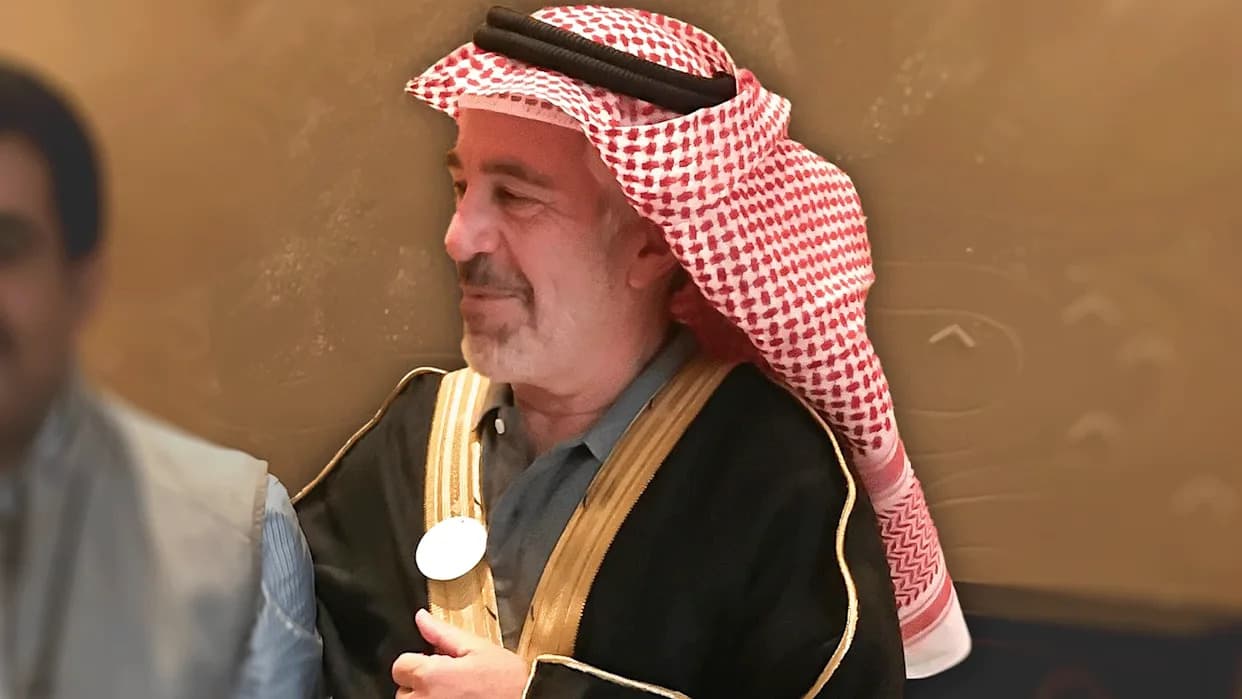
Jeffrey Epstein Brokered Secret Meeting Between Qatari and Israeli Leaders
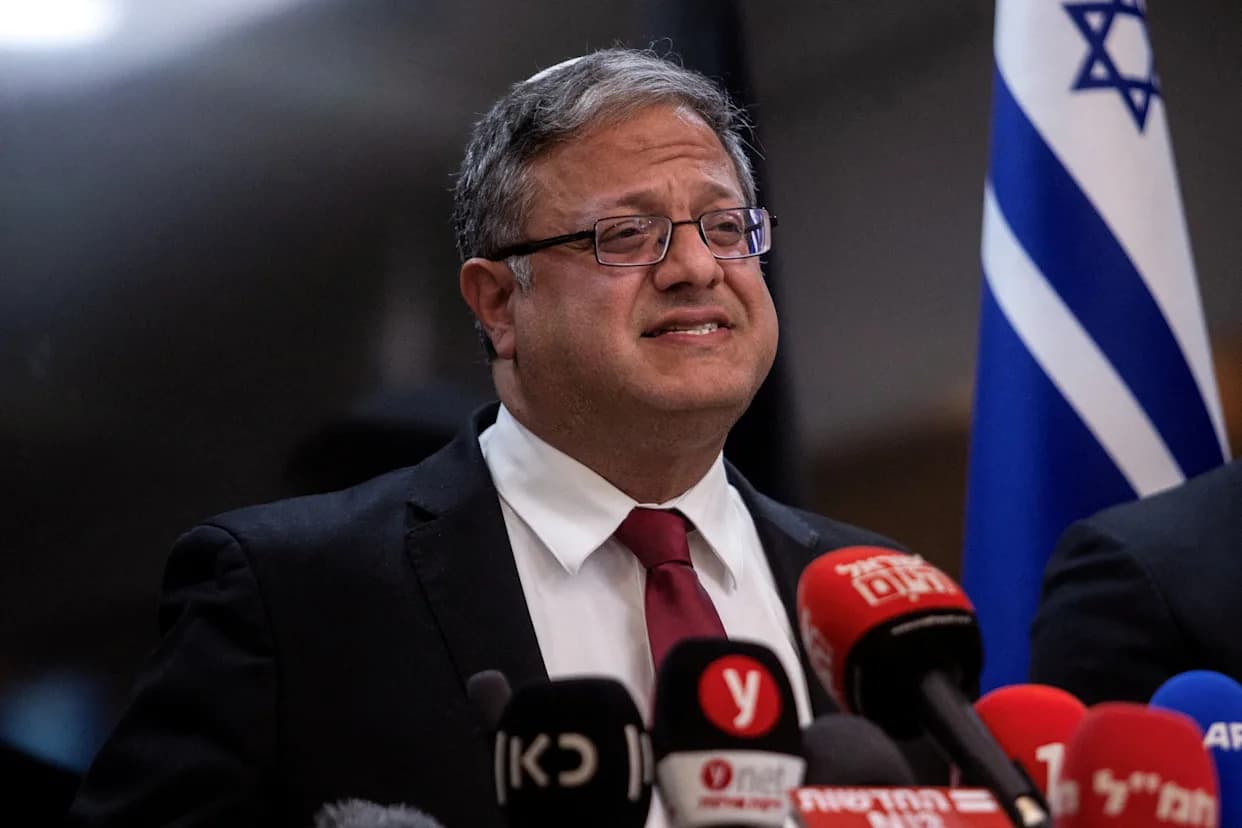
Documents released by the U.S. Department of Justice reveal that Jeffrey Epstein, the late financier and convicted sex offender, quietly arranged a private 2018 meeting between former Qatari prime minister Hamad bin Jassim bin Jaber Al Thani (HBJ) and former Israeli prime minister Ehud Barak. The exchange took place amid fallout from the 2017 Gulf crisis, and the emails show Epstein using business ties and personal contacts to open informal diplomatic channels across the region.
U.S. Department of Justice(U.S. Department of Justice)
Background: The Gulf Rift
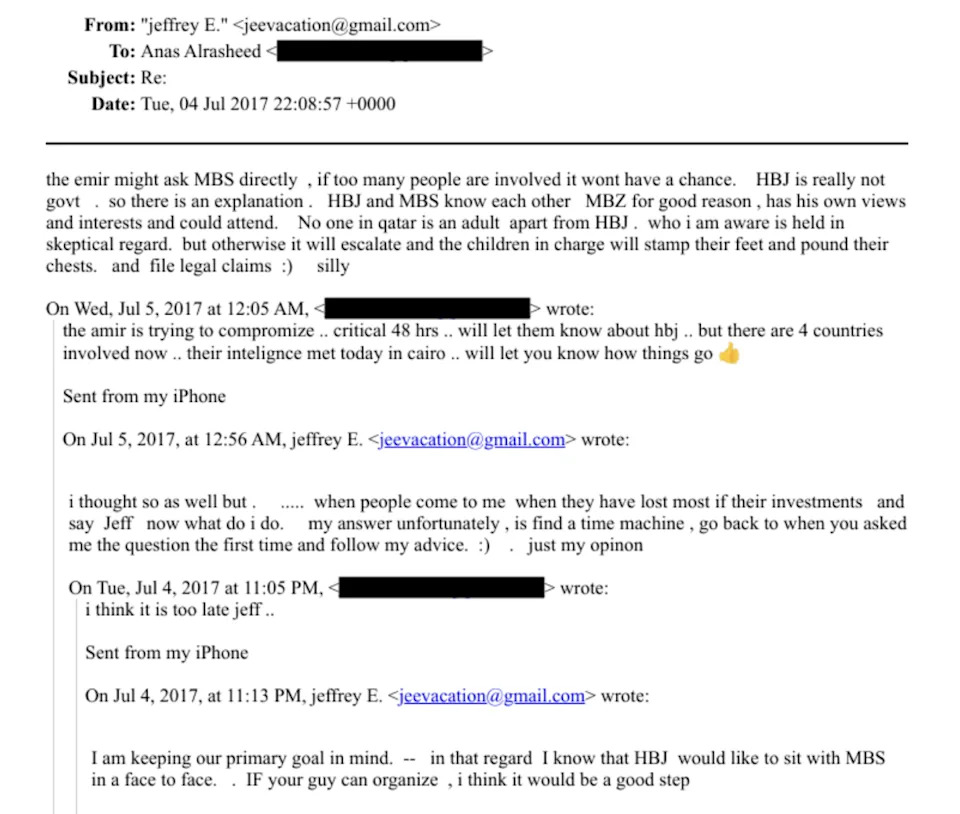
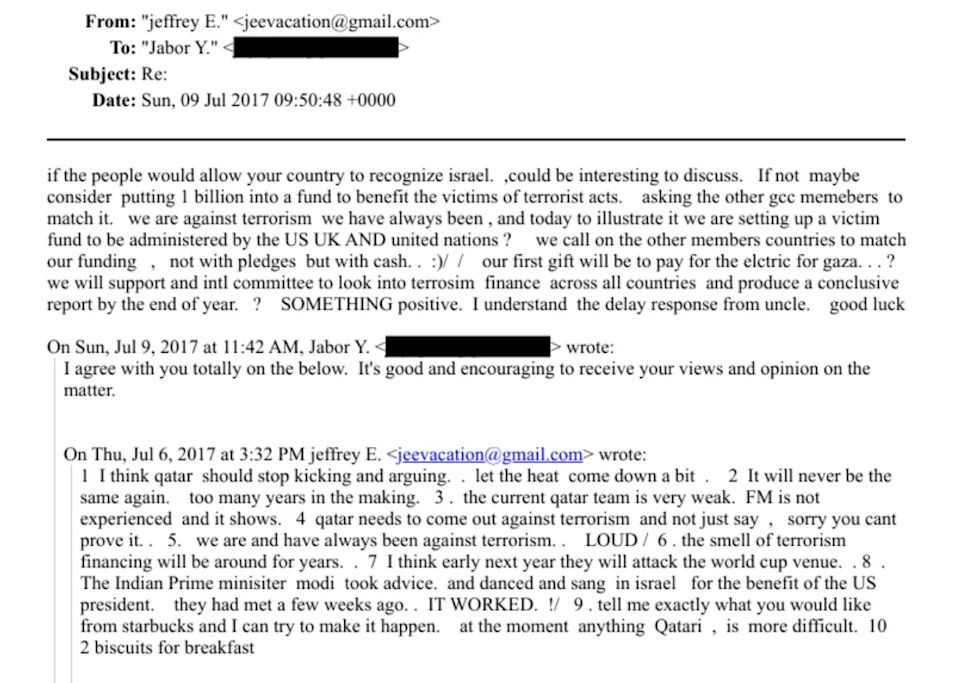
In June 2017, Saudi Arabia and the United Arab Emirates imposed a diplomatic and economic blockade on Qatar over Doha’s ties to Islamist groups and its relations with Turkey. That rift drew in regional and international actors and prompted a series of back-channel efforts to defuse the crisis. Epstein—who cultivated relationships with influential royals, businessmen and former officials across the Middle East—sought to position himself as a broker in those informal negotiations.
U.S. Department of Justice(U.S. Department of Justice)
What The Messages Show
The newly released correspondence documents multiple strands of Epstein’s outreach. In July 2017 he urged Kuwaiti academic Anas al-Rasheed to arrange a face-to-face meeting between HBJ and Saudi Crown Prince Mohammed bin Salman as part of a broader effort to end the Gulf split. Epstein also messaged Jabor Yousef Jassim Al Thani (referred to in some emails as Jabor Y.), who had previously facilitated Epstein’s contact with HBJ and arranged logistics such as private-jet permits.
U.S. Department of Justice(U.S. Department of Justice)
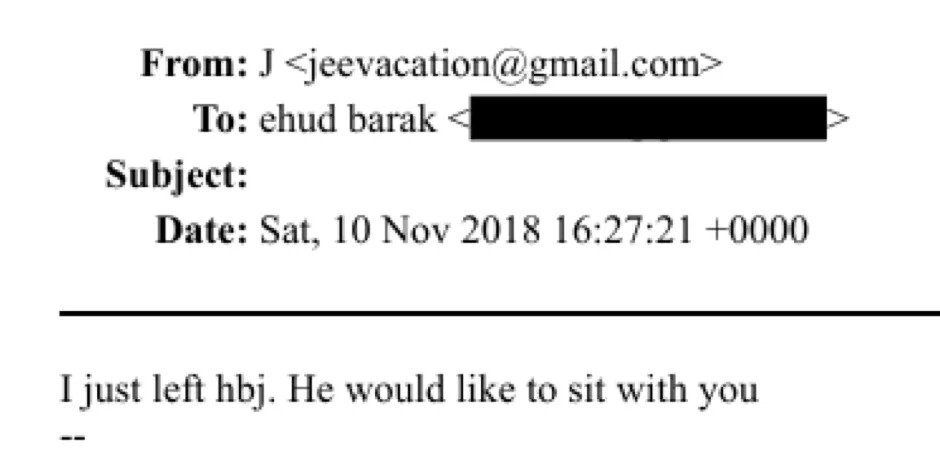
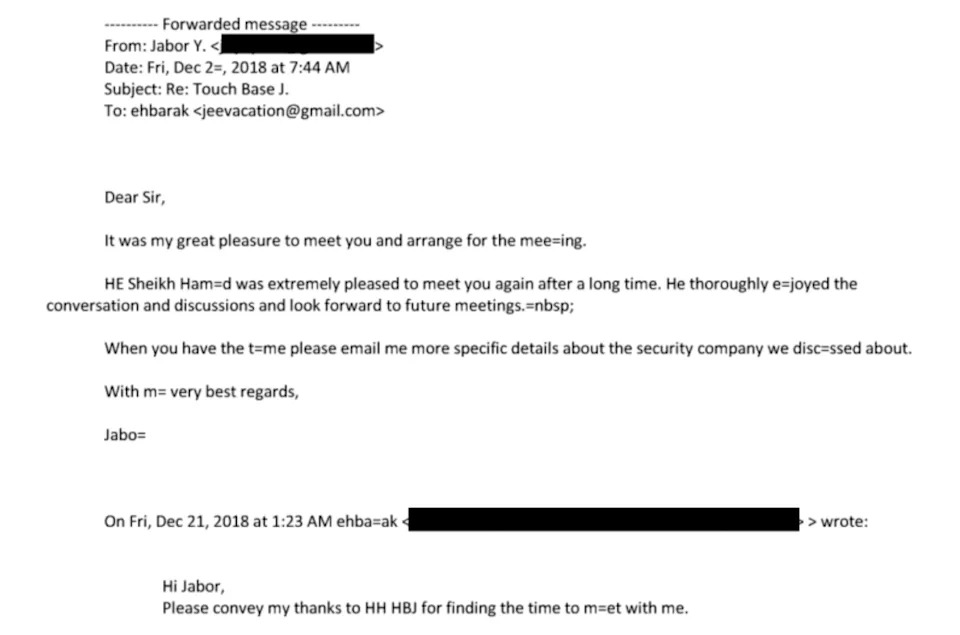
In November 2018 Epstein wrote to Ehud Barak that he had "just left HBJ. He would like to sit with you," and soon after introduced Barak to Jabor Al Thani. Barak met HBJ on December 20, 2018 at One Hyde Park, a luxury London building part-owned by HBJ; Epstein did not attend that meeting. The email trail contains only limited clues about the conversation, one being a follow-up question from Jabor Al Thani asking for "more specific details about the security company" they had discussed.
U.S. Department of Justice(U.S. Department of Justice)
Business, Back Channels, and Carbyne
At the time Barak and Epstein were partners in a security-technology startup called Carbyne, which proposed integrating emergency dispatch centers with real-time location and video feeds sourced from mobile devices. The correspondence indicates Epstein discussed expanding Carbyne into Dubai and courting Emirati investor Sultan Ahmed bin Sulayem. Those commercial ties overlapped with Epstein’s diplomatic maneuvering, illustrating how he frequently mixed business projects with political access.
U.S. Department of Justice(U.S. Department of Justice)
Other Notable Threads
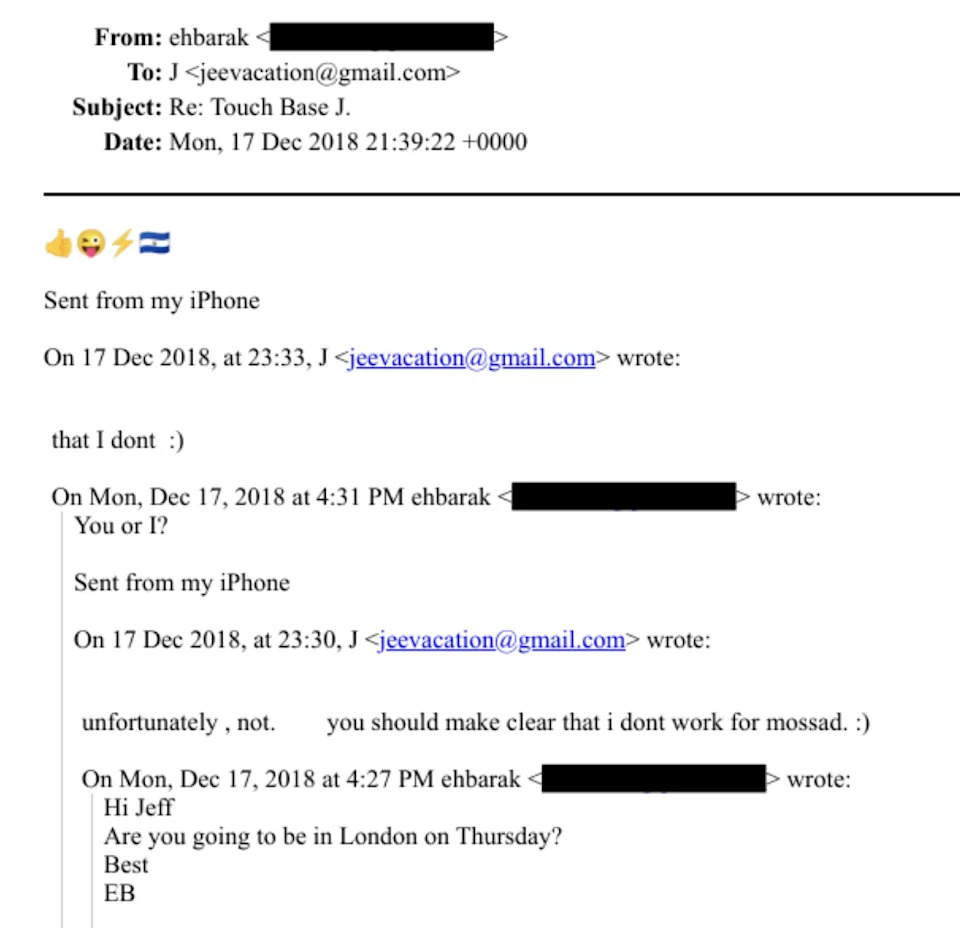
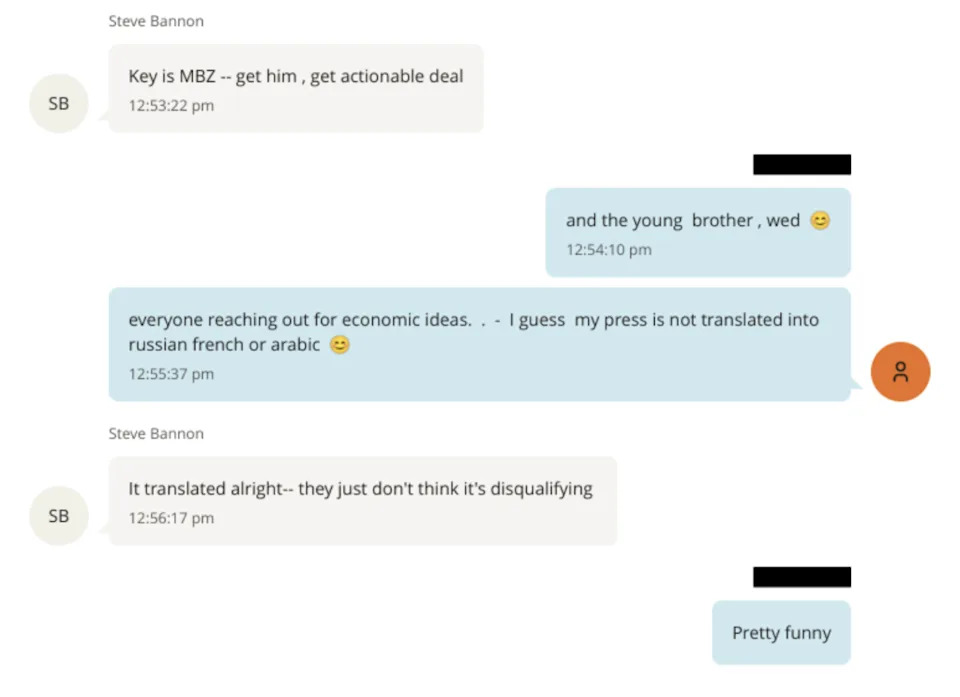
The emails also show Epstein interacting with U.S. political figures. He messaged Steve Bannon—former White House chief strategist—asking him to vouch for HBJ and Barak and to press for lifting the Qatar blockade. Epstein even addressed persistent rumors about intelligence ties, asking Barak to "make clear" to the Qataris "that I don't work for Mossad." Barak replied informally with emojis.
U.S. Department of Justice(U.S. Department of Justice)
Epstein’s Pattern: The released files underscore Epstein’s long habit of leveraging friendships, business ventures and personal introductions to create informal influence channels across governments and private sectors while his legal problems mounted.
Aftermath
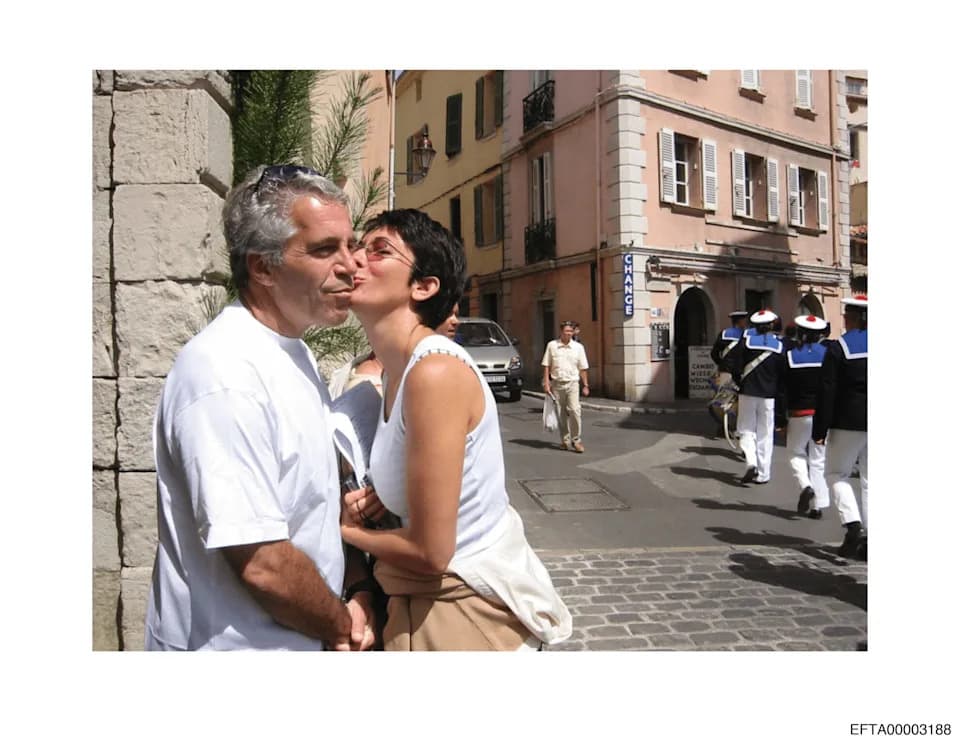
The emails, permits and photos in the DOJ release depict Epstein as an active behind-the-scenes interlocutor in Gulf diplomacy and regional business deals. Epstein died in 2019 while awaiting trial on sex-trafficking charges. The documents provide a clearer picture of how he used both commercial and personal networks to broker meetings among high-profile figures from Qatar, Israel and other states.
Note: Where original reporting contained ambiguous or inconsistent dates, this account avoids speculative assertions and sticks to the factual record revealed in the released correspondence.
Help us improve.