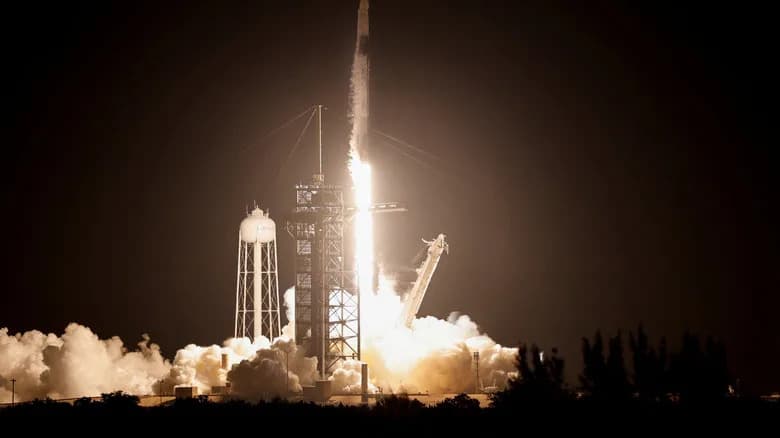
SpaceX has paused Falcon 9 flights after the rocket's second stage encountered an off-nominal condition while preparing to deorbit following a mission that delivered 25 Starlink satellites. The company says the upper stage emptied its remaining fuel as designed and teams are reviewing telemetry to determine the root cause before returning to flight. Falcon 9 has flown 165 missions in 2025; an FAA spokesman did not respond to requests for comment due to furloughs.
SpaceX Grounds Falcon 9 Flights After Upper-Stage Anomaly Following Starlink Launch

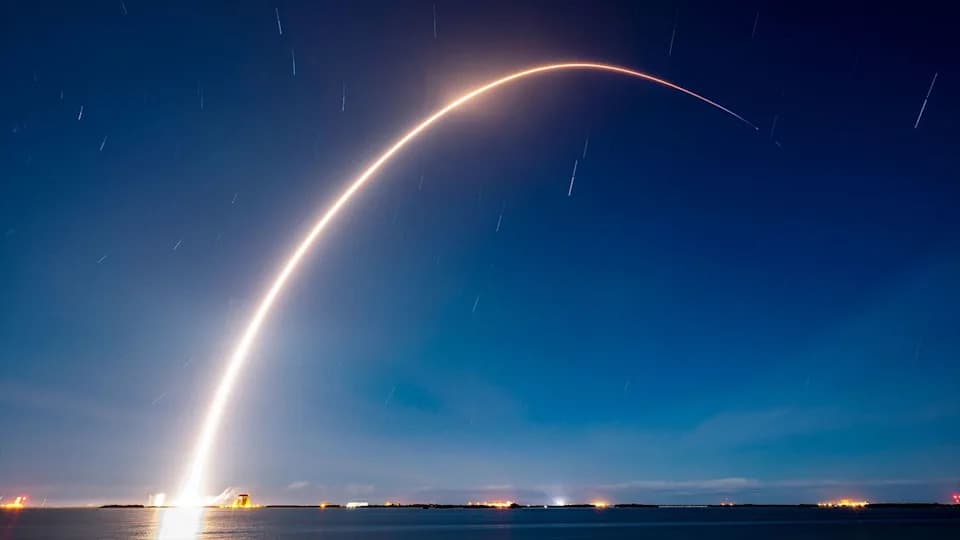
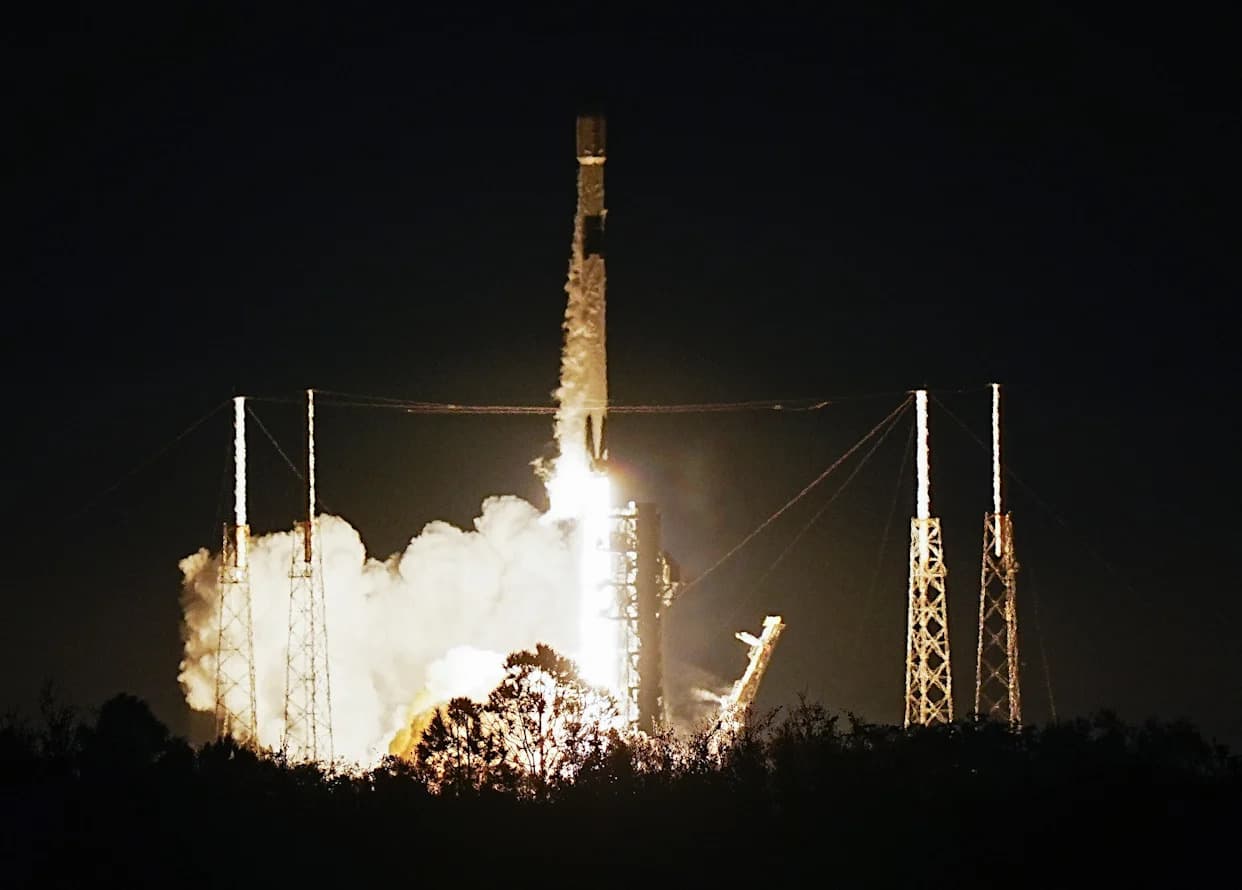
FILE PHOTO: The SpaceX Falcon 9 rocket carrying Starlink satellites is seen over Sebastian Inlet after launching from Cape Canaveral, Florida, U.S., February 26, 2025. REUTERS/Sam Wolfe/File Photo
Feb. 3 — SpaceX has paused Falcon 9 launches after the rocket's second stage experienced an unspecified anomaly while preparing to deorbit following a successful Starlink mission, the company said.
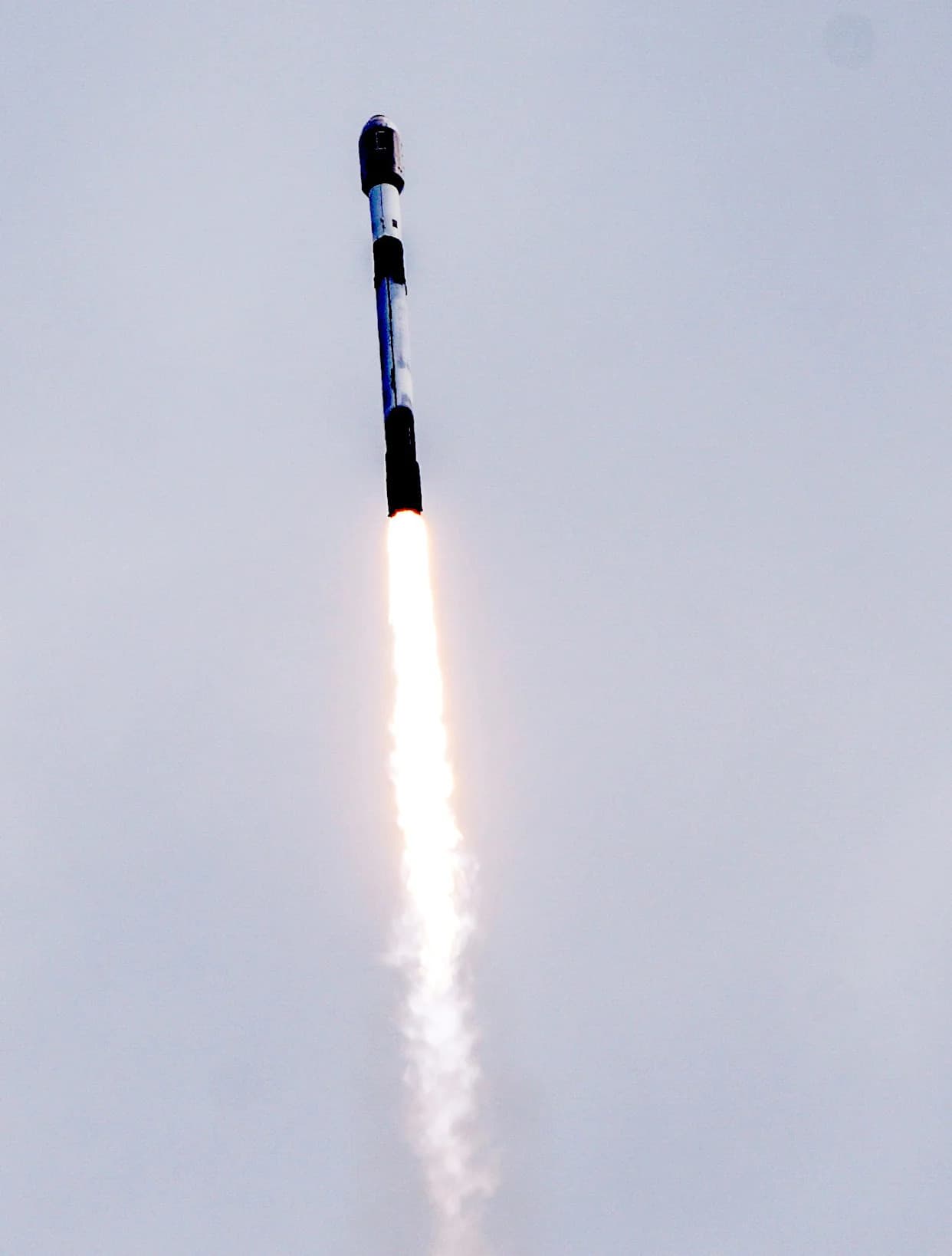
The two-stage Falcon 9 completed a routine launch from southern California that placed 25 Starlink satellites into orbit, but the vehicle's upper stage "experienced an off-nominal condition" as it readied for a planned deorbit burn, SpaceX said on X. The company added the stage emptied its remaining fuel as designed after the mishap.
Investigation and Safety Review
SpaceX said teams are reviewing telemetry and other flight data to determine the root cause and any corrective actions before returning the Falcon 9 to service. The company did not provide a timeline for the investigation.
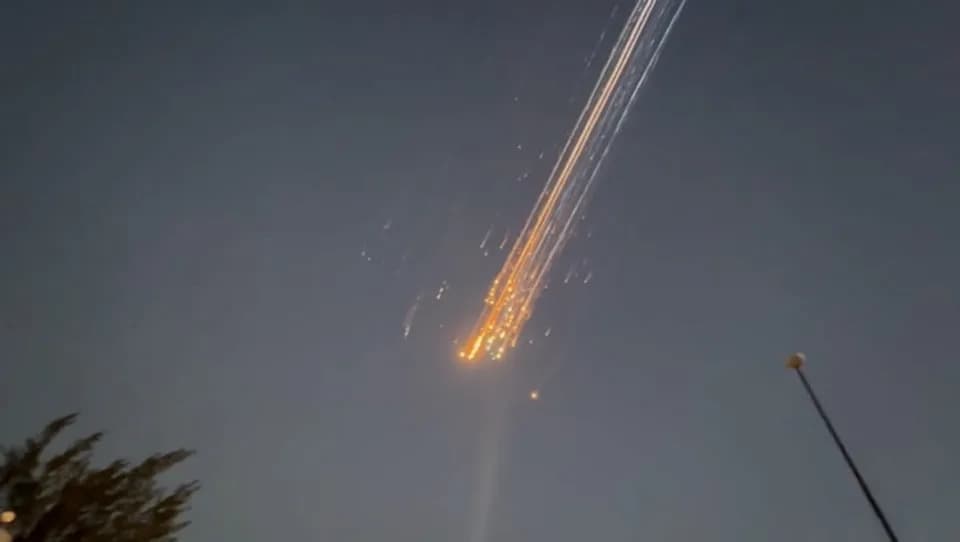
Falcon 9's upper stage is designed to reenter Earth's atmosphere after delivering payloads, using its engine to target reentry corridors away from populated areas so any surviving components fall in remote regions or the ocean. If a deorbit burn does not proceed as planned, there is a risk to future satellite deliveries and, in rare circumstances, to people or property on the ground.
Context
Falcon 9 is the world's busiest rocket: it launched 165 times in 2025, most missions supporting the expansion of SpaceX's Starlink broadband constellation. In 2024, SpaceX suffered a Falcon 9 mission failure that destroyed a batch of Starlink satellites — its first such loss since 2016 — but Monday's flight was not classified as a mission failure.
A spokesman for the Federal Aviation Administration, which regulates commercial launches and oversees public safety, was furloughed amid a U.S. government shutdown and did not respond to a request for comment.
Reporting by Joey Roulette; Editing by Andrea Ricci.
Help us improve.