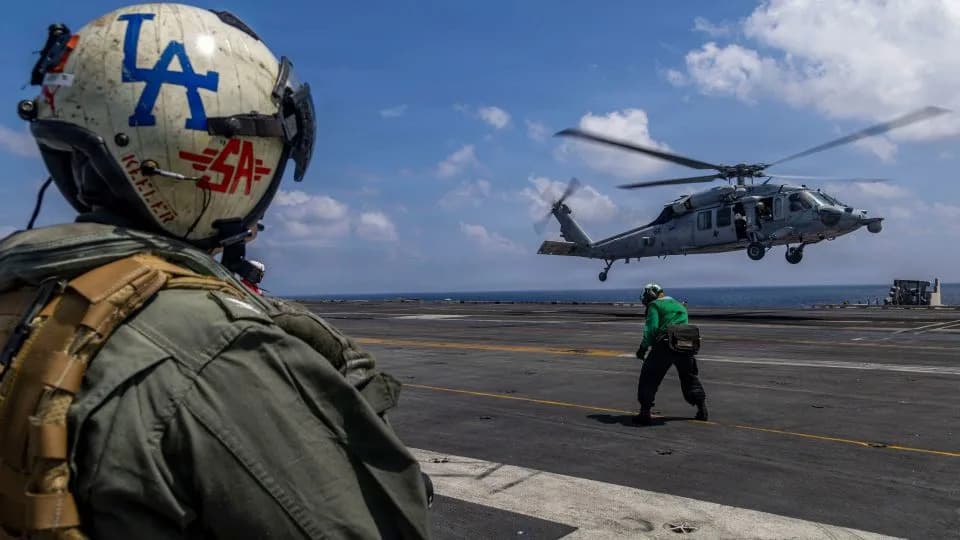
The US says an F-35C from USS Abraham Lincoln shot down an Iranian drone after it approached the carrier, the second maritime confrontation that day when Iranian boats and a drone reportedly challenged the M/V Stena Imperative in the Strait of Hormuz. Despite the incidents, US envoy Steve Witkoff is expected to meet Iranian officials later this week, though Tehran insists talks take place without threats and the US has not ruled out force. The episodes unfold amid deadly domestic unrest in Iran and heightened regional naval deployments.
US F-35C Shoots Down Iranian Drone Near USS Abraham Lincoln as Nuclear Talks Proceed
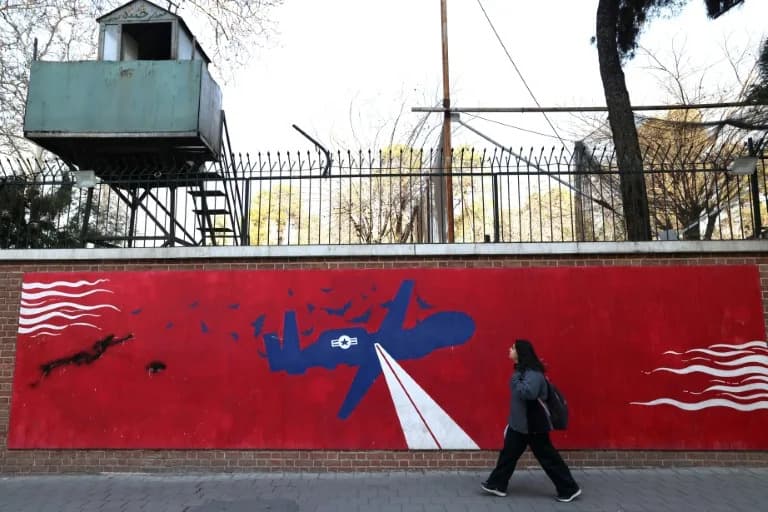
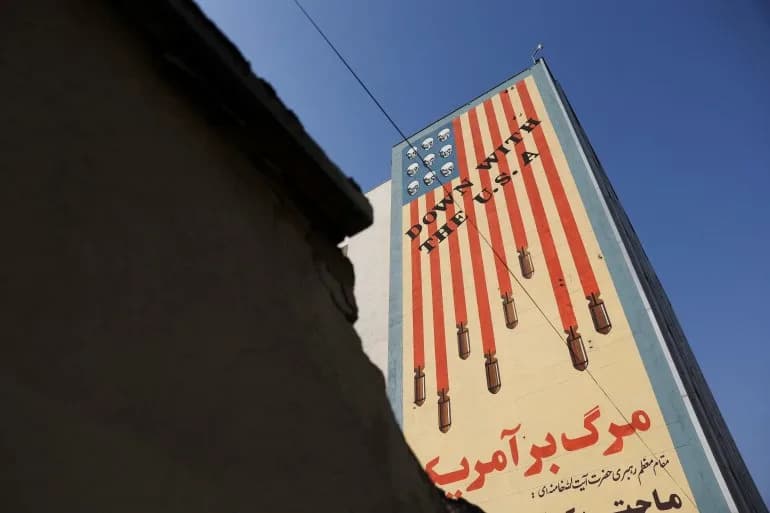
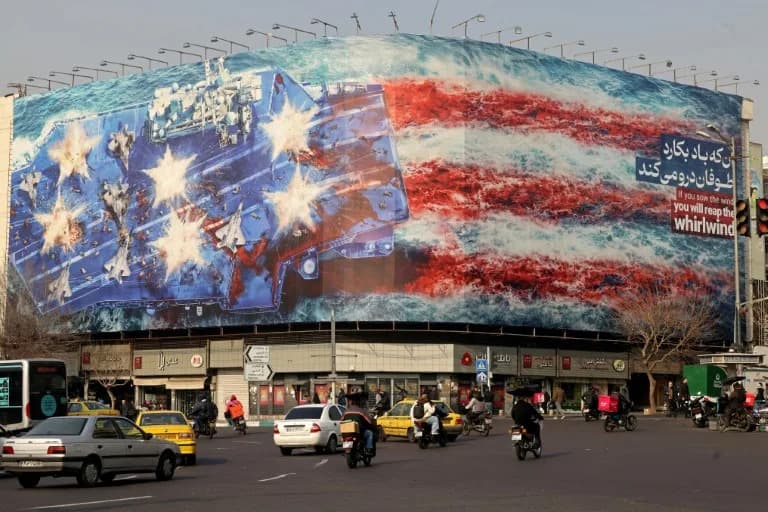
A woman walks past a mural depicting a US drone painted on the outer walls of the former US embassy in Tehran (ATTA KENARE)(ATTA KENARE/AFP/AFP)
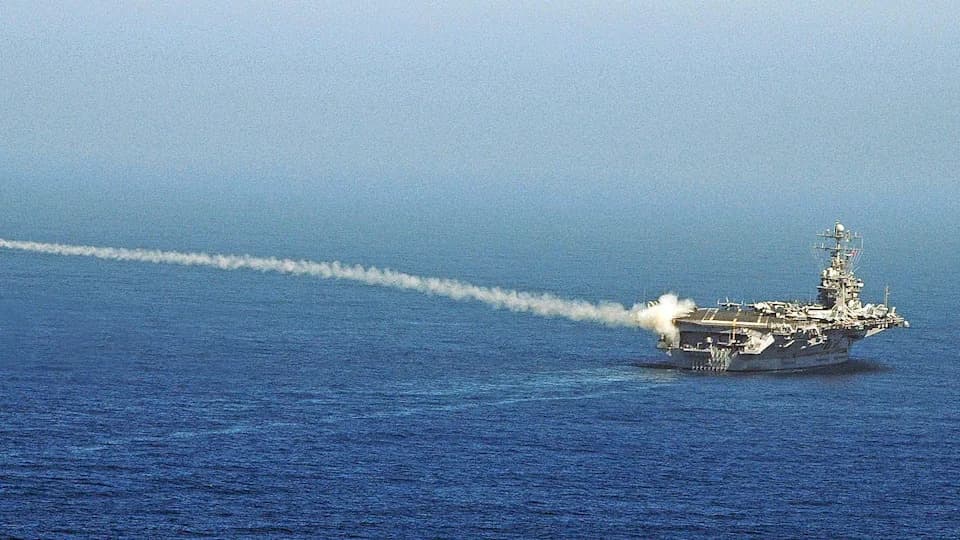
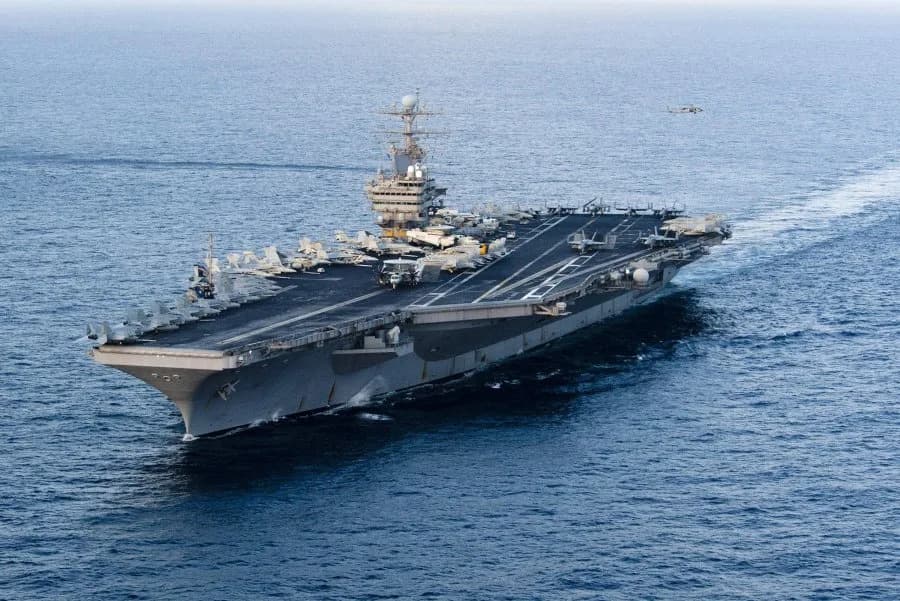
A US F-35C fighter from the aircraft carrier USS Abraham Lincoln shot down an Iranian drone that approached the carrier in Middle Eastern waters on Tuesday, US Central Command said. The incident came on the same day Iranian forces allegedly attempted to detain a US-flagged tanker in the Strait of Hormuz, increasing tensions even as diplomatic talks between Washington and Tehran were being arranged.
Drone Shoot-Down and Maritime Confrontation
Central Command spokesman Captain Tim Hawkins said the jet acted in self-defence when it struck the drone. The carrier had been deployed to the Arabian Sea last month as part of an expanded US naval posture in the region.
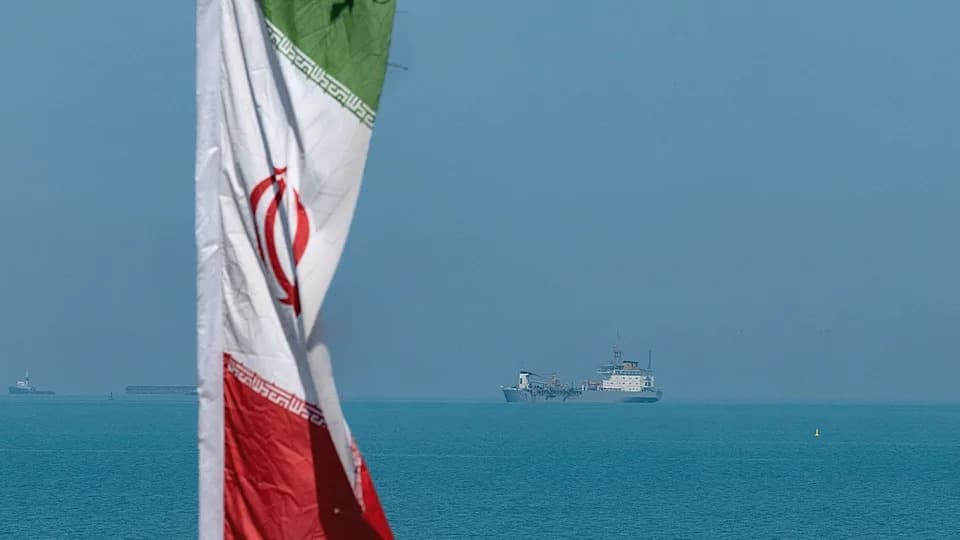
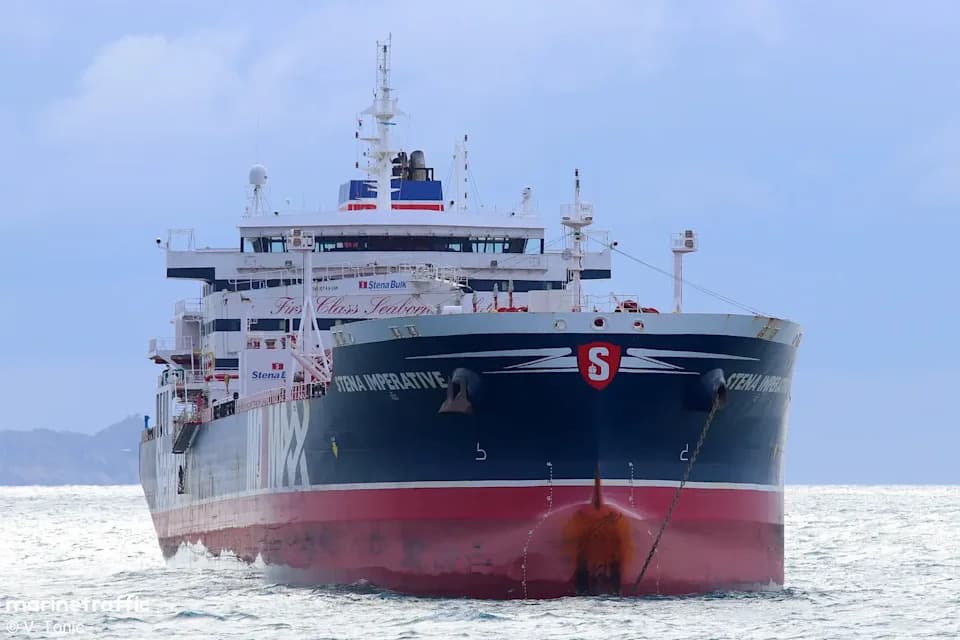
Earlier the same day, two Iranian boats and a drone reportedly approached the M/V Stena Imperative, a US-flagged tanker, and threatened to board and seize the vessel, US Central Command said. An American destroyer responded with air support and escorted the tanker onward. British maritime security firm Vanguard Tech said the encounter occurred roughly 16 nautical miles (30 kilometres) north of Oman and that the tanker did not enter Iranian waters.
Iran's Fars news agency offered a different account, saying an unnamed vessel entered Iranian territorial waters in the Strait of Hormuz, was warned, and subsequently left. Reporting on events at sea therefore differs between sources.
Diplomatic Track Remains Open
Despite the clashes, White House spokeswoman Karoline Leavitt told Fox News that US envoy Steve Witkoff is still expected to hold discussions with Iranian representatives later this week. Formal negotiations are scheduled for Friday, according to US and Iranian statements.
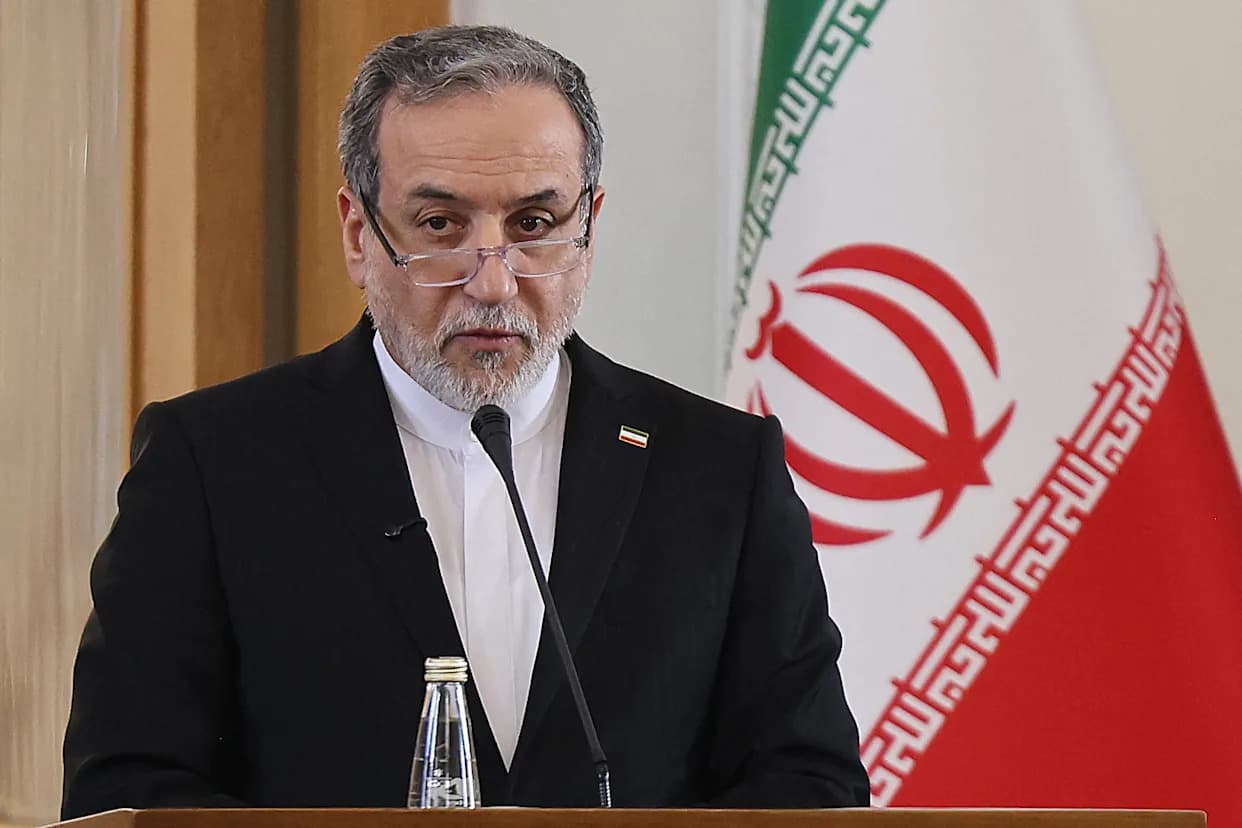
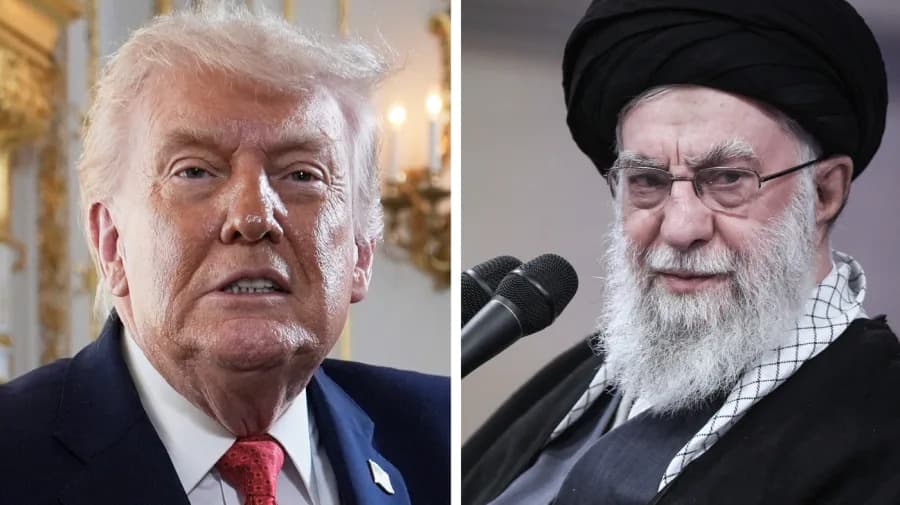
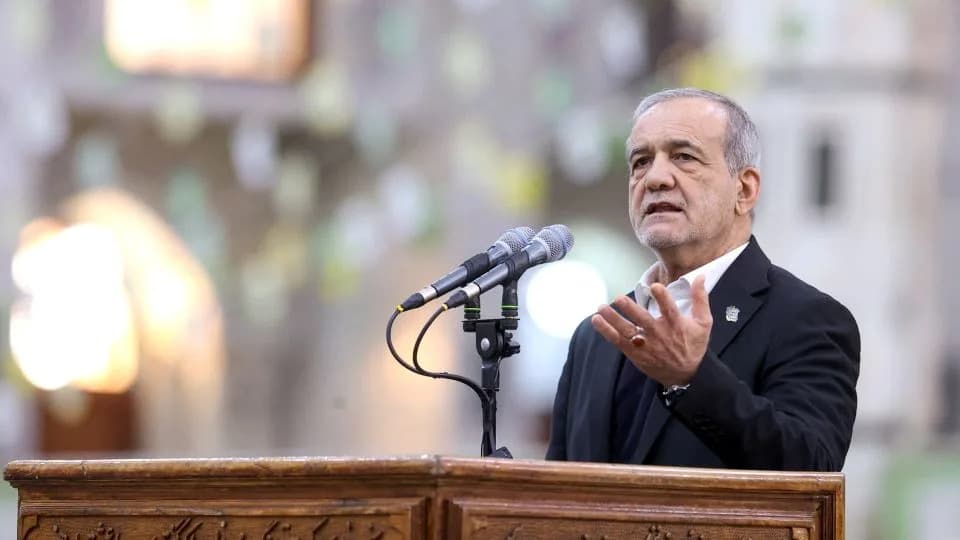
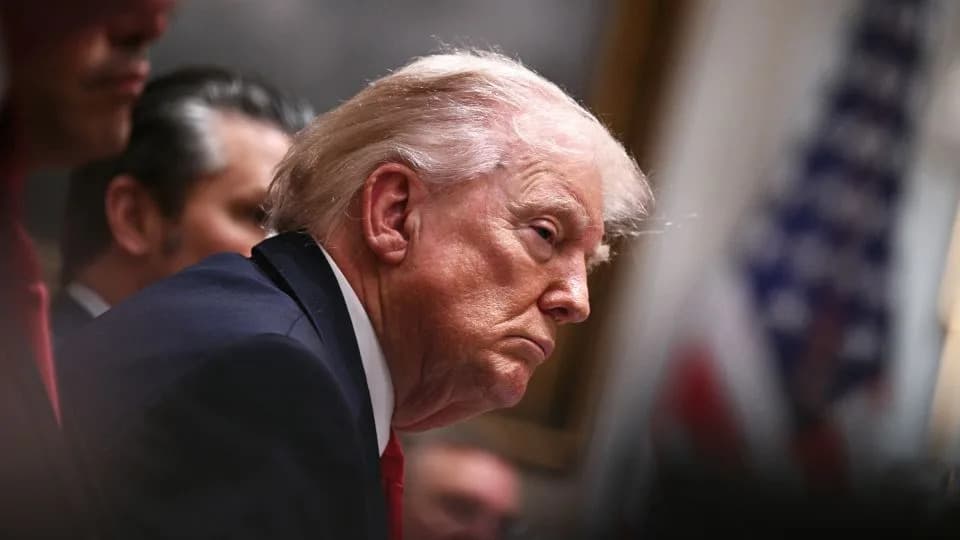
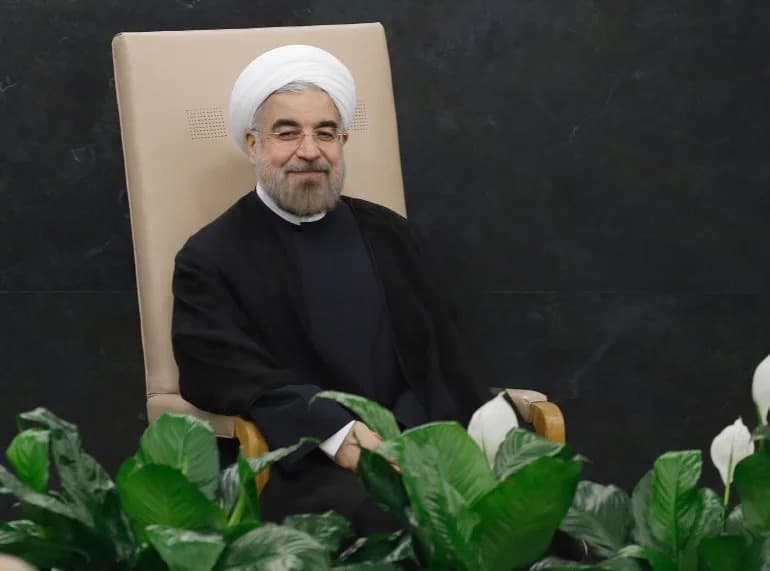
Iranian President Masoud Pezeshkian has said talks will proceed only in an environment free of threats and unreasonable expectations. President Donald Trump has repeatedly warned Iran about potential military action and has not ruled out the use of force, language that Iranian officials say must not overshadow diplomacy.
There is no official confirmation of the talks' venue; an Arab official told AFP that Turkey was a likely location, while US media reported Iran preferred Oman.
Context: Domestic Unrest and Regional Concerns
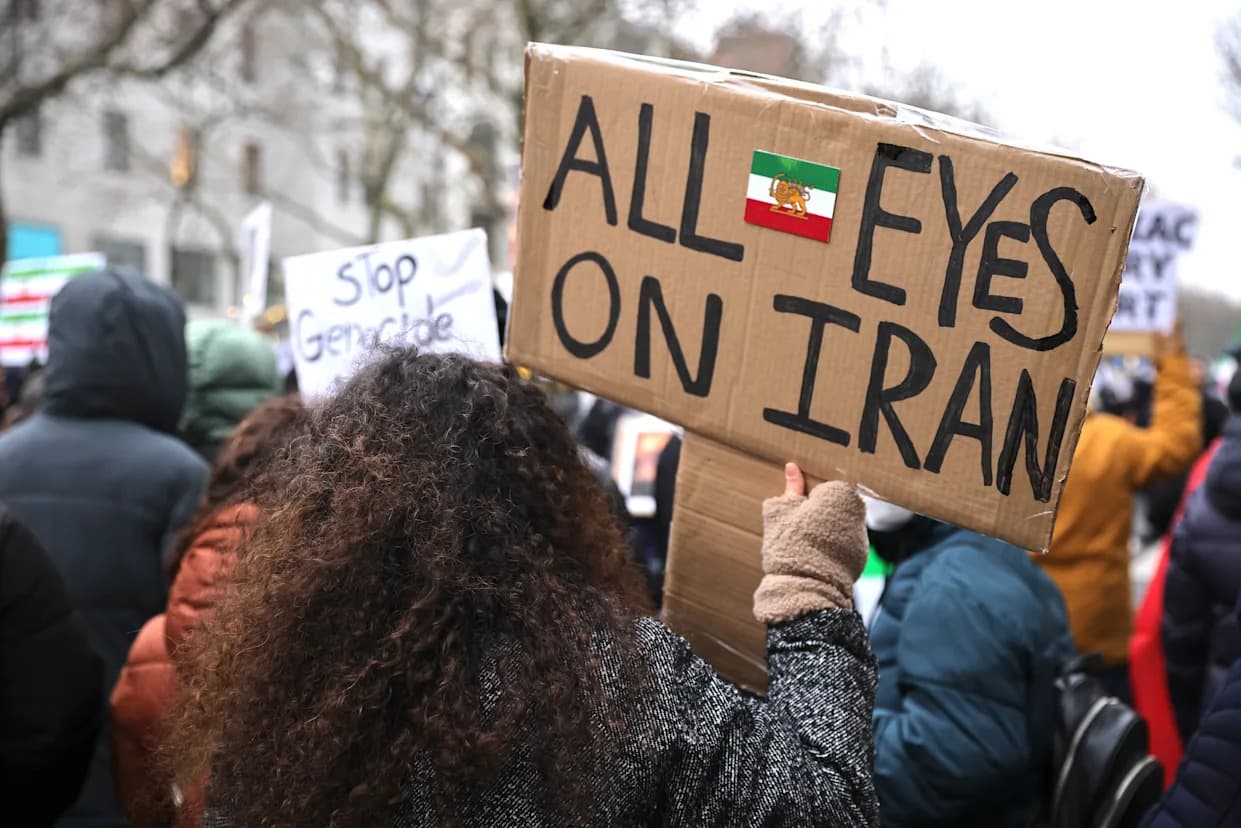
The incidents occur against the backdrop of deadly domestic unrest in Iran. Tehran acknowledges more than 3,000 deaths in connection with recent protests, while the Human Rights Activists News Agency (HRANA) — a US-based NGO — reports 6,854 confirmed deaths and at least 50,235 arrests linked to the unrest. Iranian authorities have blamed foreign interference and labelled much of the unrest as driven by 'terrorist acts.'
Washington has also publicly expressed concern about Iran's nuclear programme, its ballistic missile capabilities, and its support for regional proxy forces — all topics that shape both military deployments and diplomatic objectives in the region.
Bottom Line: Skirmishes at sea and sharp rhetoric have not yet halted diplomacy: envoys remain scheduled to meet, but both sides say the conditions for productive talks differ sharply.
Help us improve.