President Trump suggested Republicans should "take over" voting in multiple places, a proposal legal experts say conflicts with Article I, Section 4 of the Constitution. Critics argue the comment fits a broader pattern of rhetoric and actions that risk eroding trust in U.S. elections, citing the Fulton County search, DOJ requests for voter rolls, and executive actions challenged in court. While courts, election officials and many local administrators continue to defend state-run processes, experts warn that continued federal pressure and politicized narratives could undermine voter confidence.
Trump Urges Republicans To 'Take Over' Voting — Legal Experts Say It Threatens Democracy
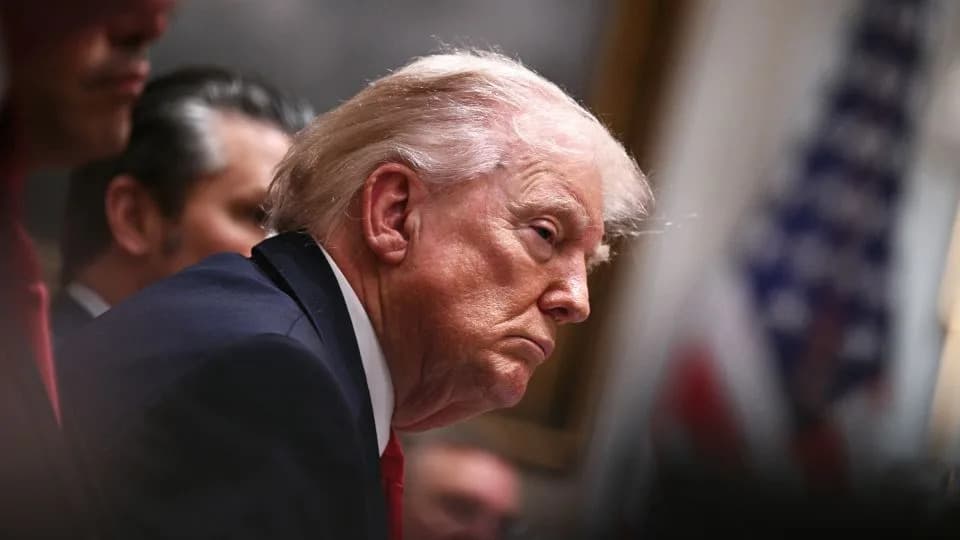
President Donald Trump listens during a cabinet meeting in the Cabinet Room of the White House in Washington, DC, on January 29. - Brendan Smialowski/AFP/Getty Images
When President Donald Trump suggested Republicans should "take over the voting" in multiple places, constitutional experts and election officials warned the remarks are both legally baseless and politically dangerous. Coming as Democrats show renewed energy in special elections, the comments add to a pattern of rhetoric and actions that critics say undermine public confidence in U.S. elections.
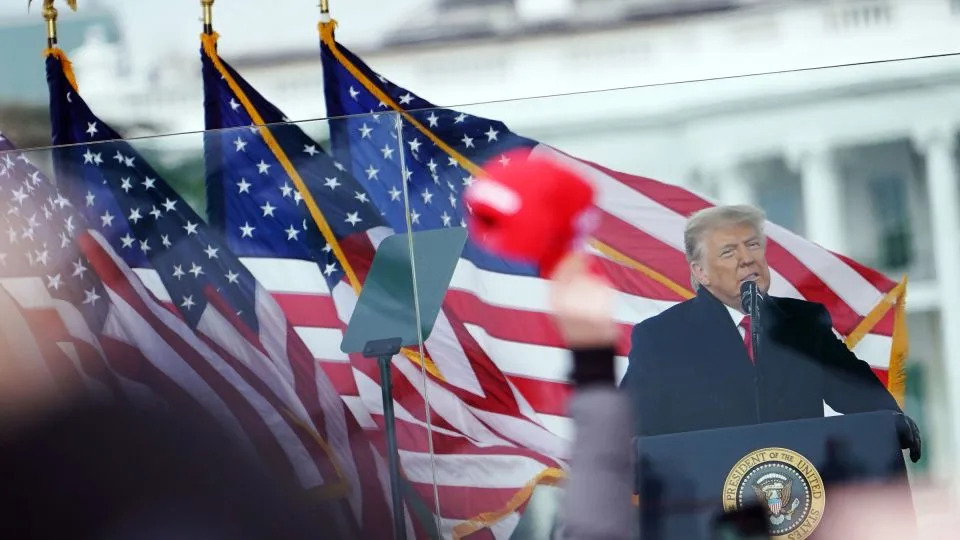
President Donald Trump speaks to supporters near the White House on January 6, 2021, in Washington, DC. - Mandel Ngan/AFP/Getty Images
What He Said
In an interview with Dan Bongino, Trump said:
"The Republicans should say, 'We want to take over, we should take over the voting, the voting in at least many, 15 places.' The Republicans ought to nationalize the voting."His suggestion implies federal or partisan control over processes that the Constitution assigns to the states.
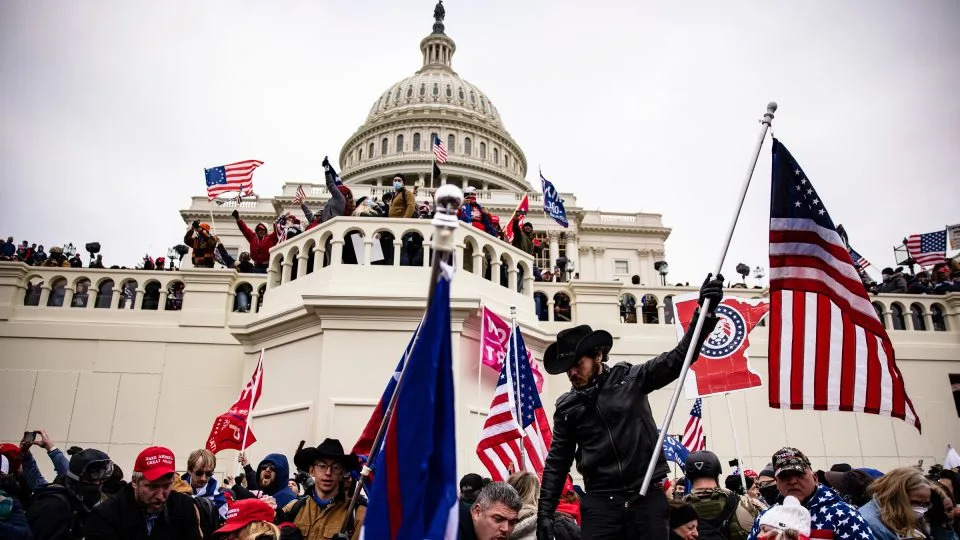
Trump supporters storm the US Capitol following a rally with President Donald Trump on January 6, 2021 in Washington, DC. - Samuel Corum/Getty Images
Constitutional Reality
Article I, Section 4 of the Constitution makes the division of election authority clear:
"The Times, Places and Manner of holding Elections for Senators and Representatives, shall be prescribed in each State by the Legislature thereof; but the Congress may at any time by Law make or alter such Regulations, except as to the Places of chusing Senators."The text does not grant the president a role in administering state-run elections, and courts have repeatedly upheld that principle — including in litigation tied to the president’s own 2020 fraud claims.
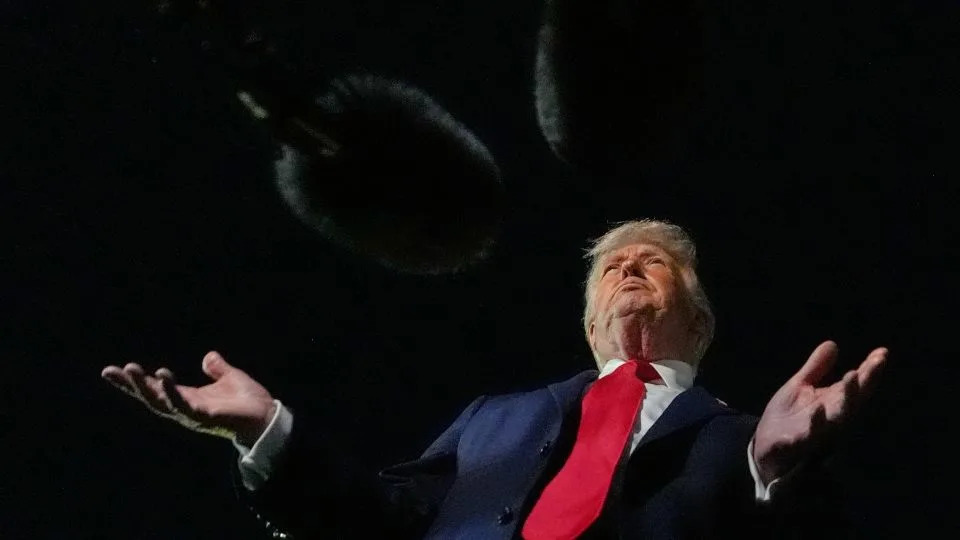
President Donald Trump speaks to reporters before boarding Air Force One at Palm Beach International Airport, Florida, on January 19. - Julia Demaree Nikhinson/AP
Legal And Expert Reaction
Election experts say the remarks reflect a misunderstanding — or disregard — of essential constitutional safeguards. David Becker, executive director of the Center for Election Innovation & Research, called the proposal evidence of an "incredible lack of understanding" about the founders' protections against an unscrupulous executive seizing electoral machinery. Former U.S. district judge John Jones told CNN the plan would be plainly unconstitutional, adding that "the president of the United States needs to read the Constitution."
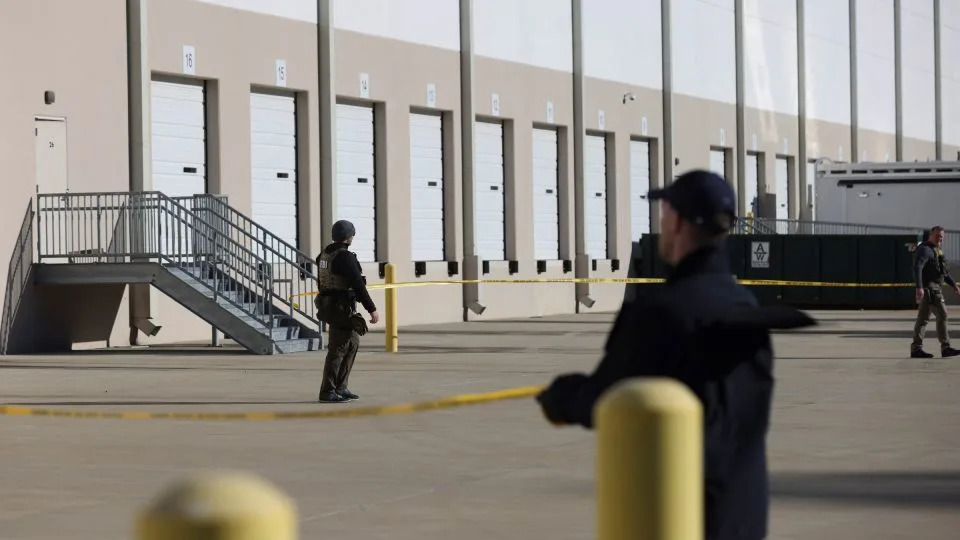
Members of the FBI Evidence Response Team stand outside the Fulton County Election Hub and Operation Center after the FBI executed a search warrant there on January 28. - Alyssa Pointer/Reuters
Context: Pattern Of Actions And Rhetoric
Critics say the comment is part of a broader pattern by the administration that could erode trust in elections:
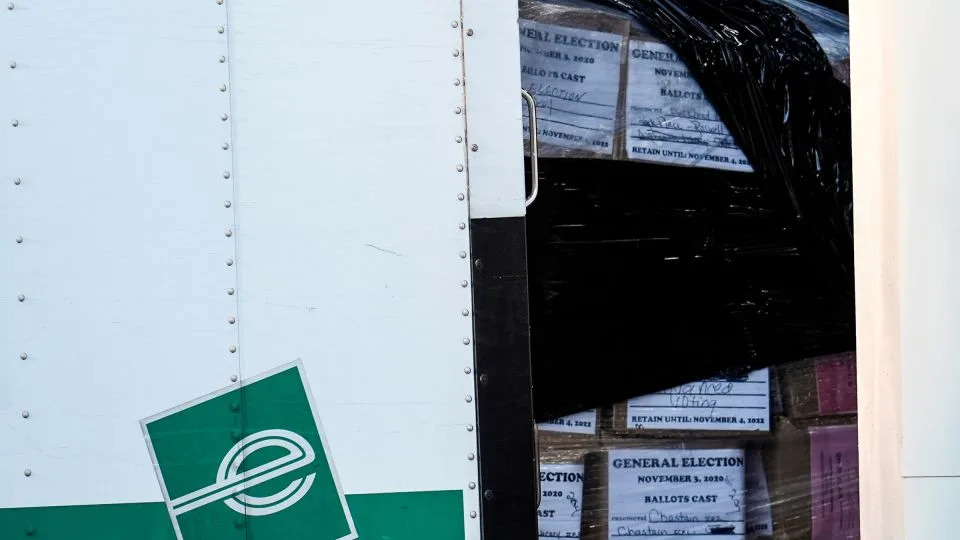
Georgia General Election 2020 ballots are loaded by the FBI onto trucks at the Fulton County Election Hub on January 28, in Union City, Georgia. - Mike Stewart/AP
- Federal agents executed a search warrant in Fulton County, Georgia, removing roughly 700 boxes of election materials. That operation reignited false claims that the 2020 result in Georgia was illegitimate.
- Reporting by the New York Times indicated that Tulsi Gabbard — a former congresswoman who has been publicly allied with the president — was present during the Georgia operation and that the president spoke to FBI agents during the search. The reporting raised concerns about investigative safeguards and potential political interference.
- The Department of Justice has requested voter registration lists from about two dozen states. Those files include sensitive personal information and have prompted debate over federal authority and privacy risks.
- Last year the president signed an executive order proposing documentation requirements for voters and other changes; many provisions have since been blocked by courts.
- The administration has pushed for mid-decade redistricting in Texas and other measures critics say could be used to reshape electoral outcomes.
Why Officials Worry
Election scholars warn that federal interventions in state-run processes could produce unintended consequences: eligible voters removed from rolls, chilling effects on registration, and politically useful narratives that a close or adverse result is "fraudulent." Even if courts ultimately block heavy-handed moves, the political impact of casting doubt on election integrity can be profound. The false claims after 2020 culminated in the January 6 attack on the U.S. Capitol — a stark example of how dangerous and destabilizing such rhetoric can be.
Pushback And Safeguards
Not all officials share the president’s approach. Many state and local election administrators, as well as numerous judges and officials from both parties, have worked to defend election processes. "Our election officials are strong," Becker said, noting the experience and dedication of local administrators and poll workers who implement and protect voting across the country.
Outlook
With midterm contests approaching, the debate over election administration remains a central political flashpoint. Legal obstacles and institutional resistance will likely limit any direct federal takeover of state-run elections. Still, experts warn that rhetoric and selective federal actions could erode public trust and shape political narratives about legitimacy. Voter confidence, local election officials, and the courts will be critical in safeguarding the integrity of upcoming contests.
Selected Sources
Reporting from major outlets and statements from election law experts, former judges and the Center for Election Innovation & Research informed this article.
Help us improve.