The study reviewed reports from 491 primate species and found same-sex sexual behavior (SSB) documented in 59 species. SSB was more common in species living in drier habitats with scarce resources and high predator pressure, and in social systems that are complex, sexually dimorphic, or long-lived. Researchers suggest SSB can help reinforce bonds, reduce tension and build alliances under ecological stress, but they caution these findings do not directly explain human sexual orientation. The authors also note SSB has been historically underreported and may be more widespread than previously recognized.
Same-Sex Sexual Behavior in Primates May Be an Evolutionary Strategy to Cope With Harsh Environments, Study Finds
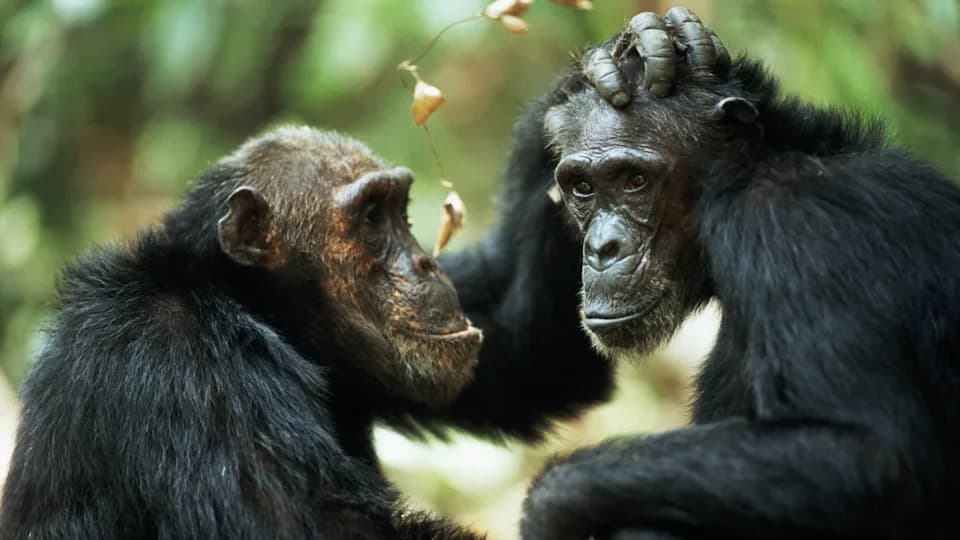
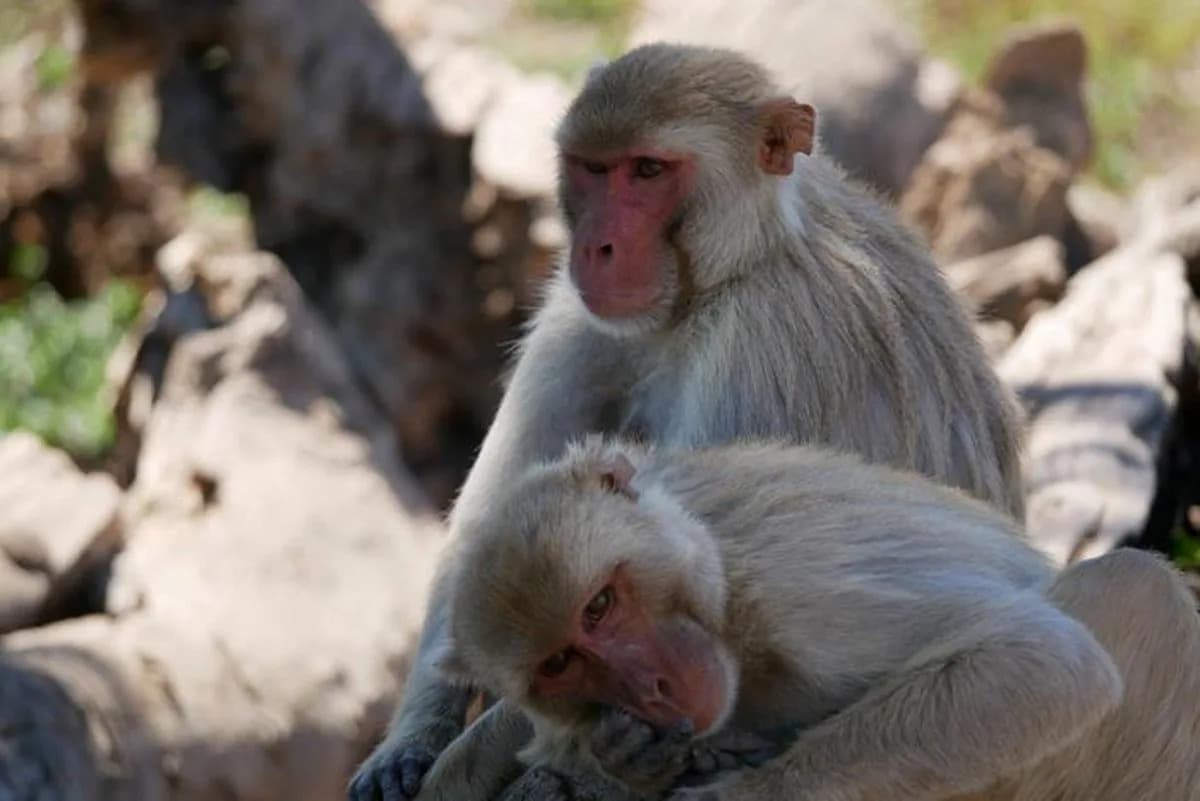
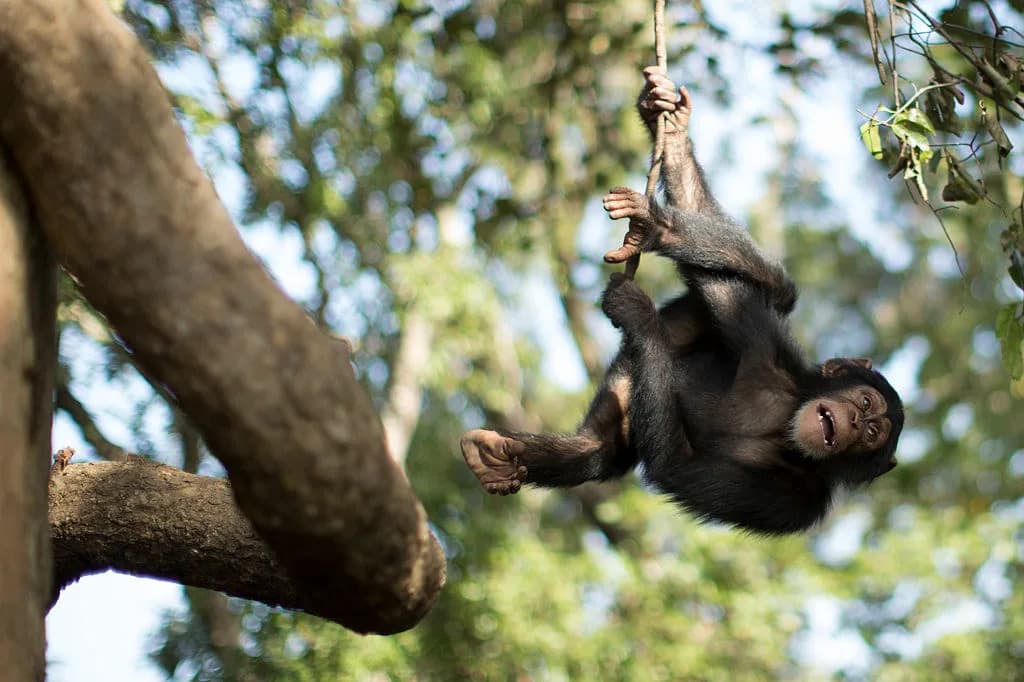
Scientists found same-sex sexual behavior in primates appears to be more likely where environmental conditions are harsh. . | Credit: Anup Shah/Getty Images
A new comparative analysis suggests same-sex sexual behavior (SSB) among primates is often linked to challenging ecological conditions and complex social systems, and may serve social functions such as bonding, conflict management and alliance-building.
The study, published Jan. 12 in Nature Ecology & Evolution, reviewed reports across hundreds of primate species and identified SSB as documented and relatively common in a substantial subset. While the authors and outside experts emphasize this research does not directly explain human sexual orientation or identity, the findings highlight the evolutionary ubiquity and potential adaptive value of sexual diversity in nonhuman primates.
What the Study Found
Researchers led by Vincent Savolainen analyzed observational data on 491 primate species and found credible reports of SSB in 59 species. Their comparative analysis linked the presence of SSB to several ecological and social variables: drier habitats, scarcer resources, higher predator pressure, more complex social systems, greater sexual size dimorphism, and longer lifespans.
These associations suggest SSB can function as a flexible social strategy that helps groups navigate environmental stress and complicated social dynamics. For example, tightly bonded groups that trust each other’s alarm calls may have an advantage when predators are abundant, and SSB is one potential mechanism for forming or maintaining such bonds.
Examples and Mechanisms
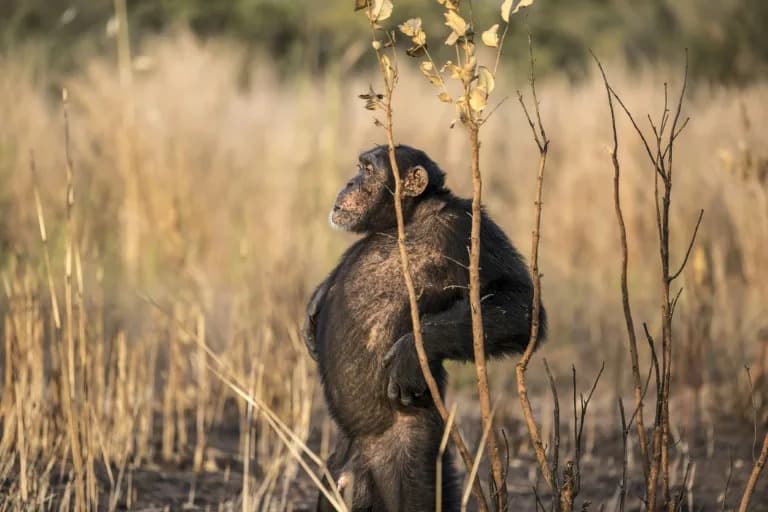
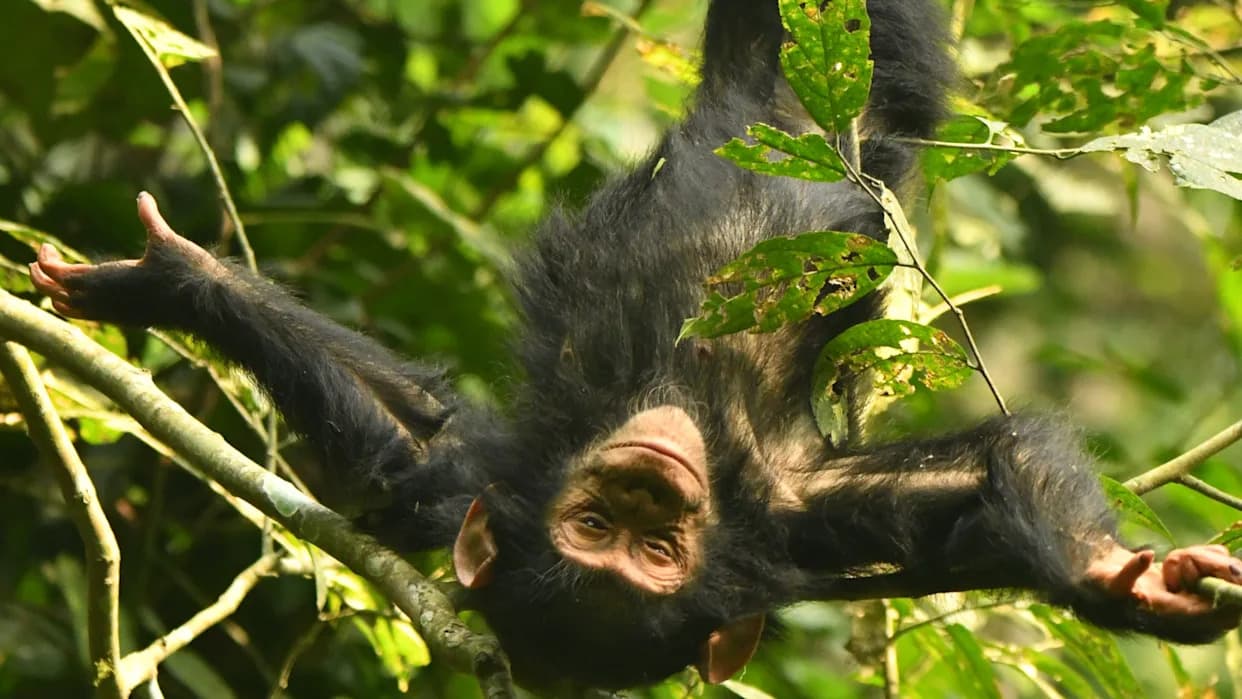
Previous behavioral studies support social roles for SSB. In bonobos (Pan paniscus) and chimpanzees (Pan troglodytes), same-sex interactions are associated with reduced tension, conflict resolution and the strengthening of alliances. In golden snub-nosed monkeys (Rhinopithecus roxellana), sexual interactions together with grooming help maintain social cohesion in cold climates with limited resources.
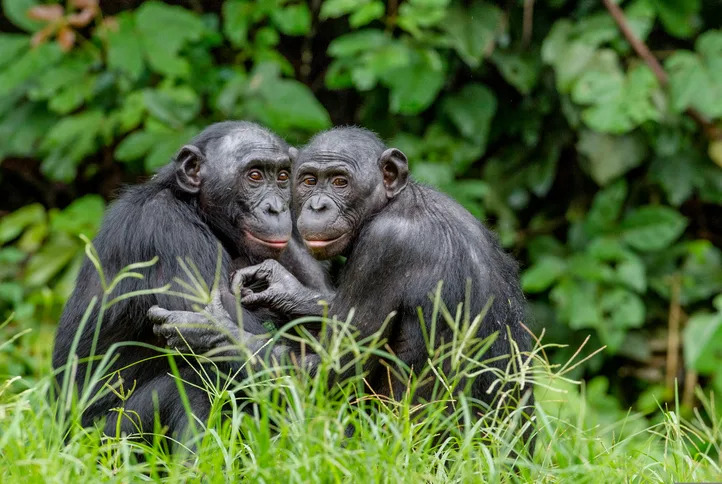
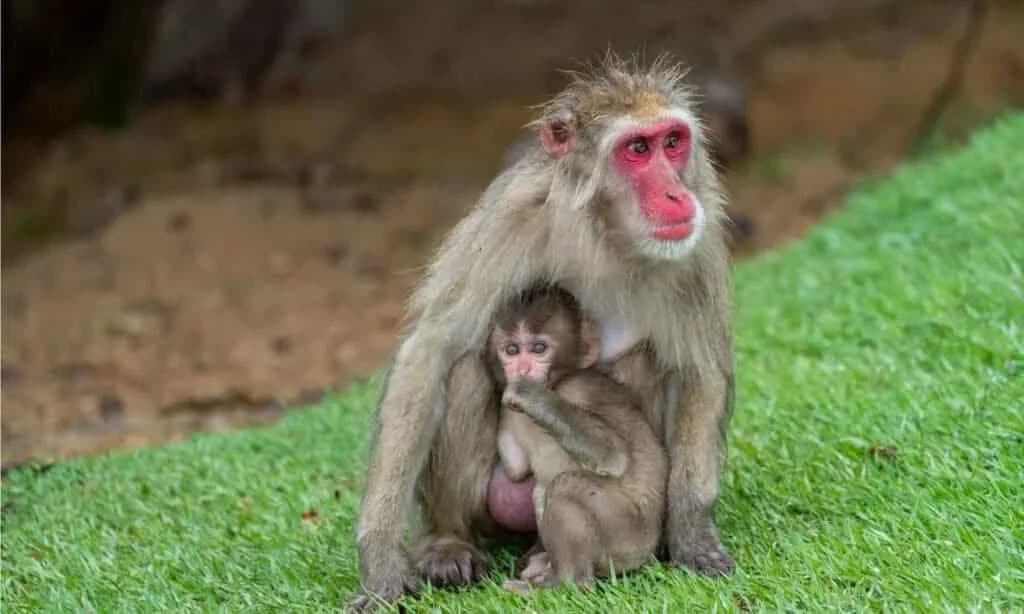
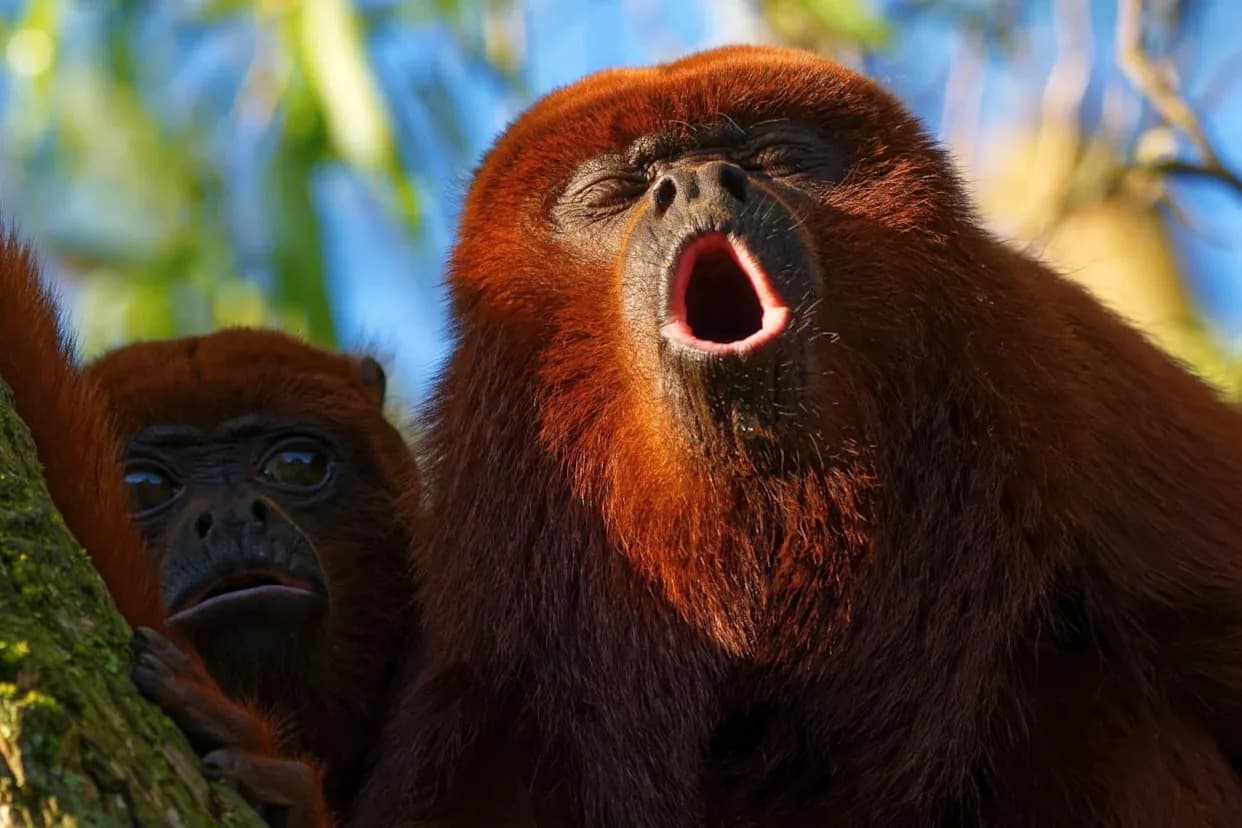
Researchers say SSB has traditionally been underreported, so the latest study helps provide a broader understanding of primate behavior. | Credit: USO/Getty Images
Genetic factors likely contribute as well: a 2023 study of rhesus macaques (Macaca mulatta) estimated SSB heritability at about 6.4%, indicating a modest genetic component alongside environmental and social influences.
Caveats and Expert Views
"The orientation toward individuals of the same sex has a very strong evolutionary history, and it's nothing bizarre or derived or unnatural," said Durham University primatologist Zanna Clay, who was not involved in the new study. "In fact, it's likely part of the evolutionary fabric of our societies."
Not all researchers expect a single explanation to fit every lineage. Nathan Bailey, an evolutionary biologist at the University of St Andrews, cautioned that broad trends may obscure lineage-specific nuances: SSB could emerge for different functional reasons in different taxa.
Savolainen and colleagues also note SSB has been historically underreported. Increasing systematic observation may reveal its broader importance for primate social systems, alongside feeding, fighting and parental care.
Implications for Humans
The authors and outside experts urge caution in extrapolating these results to humans. Our hominin ancestors experienced diverse ecological and social pressures, but human culture, identity and social structure are uniquely complex. The study adds perspective on behavioral flexibility in primates rather than offering a direct explanation for human sexual orientation.
"We're not fixed to one mating system, one behavioral system," Clay said. "The fact that sexual behaviors can expand under different conditions reflects behavioral flexibility, which is important for primate success."
Help us improve.