This article explains why people and other animals often value items more after waiting or working for them. Research in Nature finds that effort raises acetylcholine levels, which amplifies dopamine release in mice — making hard-won rewards feel more satisfying. The study links this neural mechanism to the sunk-cost effect and suggests it may have evolved to encourage persistent effort in resource-limited environments.
Why Waiting — Or Working — Makes Rewards Feel Better: The Brain Chemistry Behind the Sunk‑Cost Effect

An illustration of people waiting in line at a food stand.(Nautilus)
From cronuts and ramen burgers to Instagram-ready, overloaded ice cream sundaes, people will sometimes queue for hours to sample the latest food craze. Research suggests those treats often feel more rewarding after customers have trudged to a shop and spent time waiting or working for them.
What the Study Found
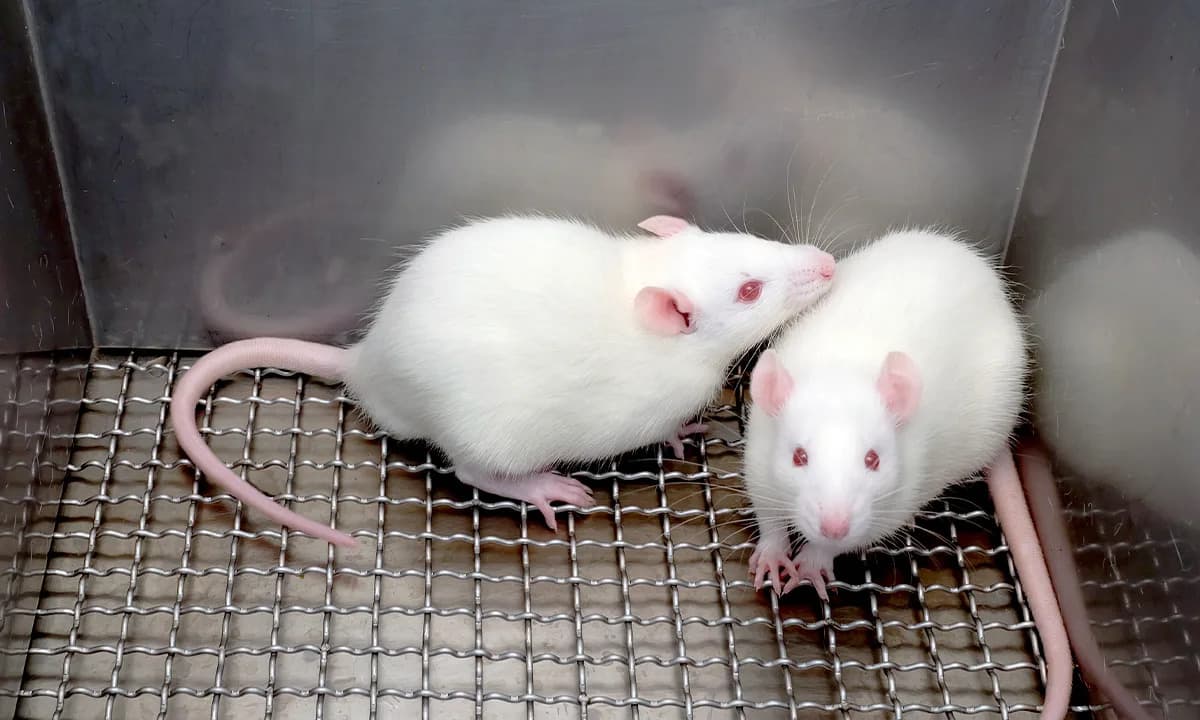
New research published in Nature links this common behavior to a specific neurochemical chain. Earlier work by study author Neir Eshel and colleagues showed that mice who earned a reward after overcoming a challenge — in that experiment a series of mild electrical shocks — released more dopamine than mice who received the same reward without the effort. The team’s new study adds a critical piece: acetylcholine, another neurotransmitter, rises with greater effort and amplifies dopamine release.
“We make fallacious decisions based on what we’ve invested in something, even if the probability of actually gaining an objective advantage from it is zero,” Neir Eshel said in a statement. “And it’s not just us. This has been shown in animals across the animal kingdom.”
How This Explains the Sunk‑Cost Effect
The researchers propose a simple mechanism: more effort causes greater acetylcholine release, which boosts dopamine. Because dopamine reinforces behavior, the resulting neural signal makes hard-won rewards feel more valuable and increases the likelihood we’ll repeat the costly behavior in the future.
From an evolutionary perspective, that wiring could be adaptive in environments where resources are scarce and rewards typically require sustained effort. High dopamine after effort would help organisms continue to invest energy when the payoff is uncertain but potentially vital.
Why It Matters
These findings offer a concrete neurobiological explanation for a bias that shows up in daily life — from food fads to business decisions — and across species, from ants to humans. Understanding the brain chemistry behind effort-based valuation can inform everything from behavioral economics to mental-health interventions that address maladaptive persistence or avoidance.
Food for thought the next time you find yourself standing in a long line or paying extra for a hard-earned gain.
Originally published in Nautilus.
Help us improve.