One month after President Nicolás Maduro was detained in the United States, Venezuela's chavista leadership has rapidly consolidated around Delcy Rodríguez and Jorge Rodríguez while reaffirming influential political family ties. The government has engaged U.S. officials on a multistage roadmap and passed oil-sector reforms opening the market to private participation. Announced amnesties and facility-conversion plans signal an openness to change, but analysts warn internal tensions could deepen if reforms clash with the movement’s nationalist base.
Chavismo Reorganizes After U.S. Detention of Nicolás Maduro — Power Shifts, U.S. Talks, and Economic Reforms
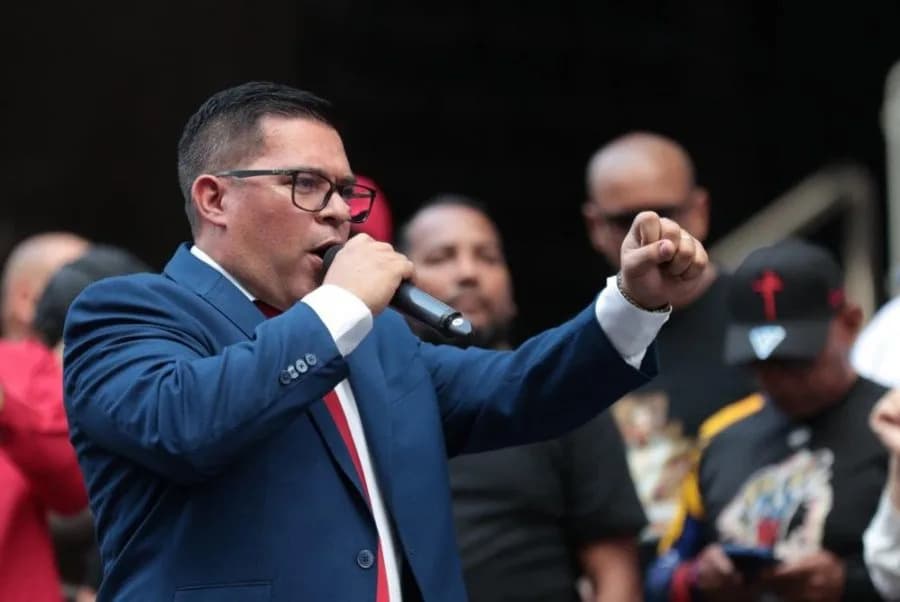
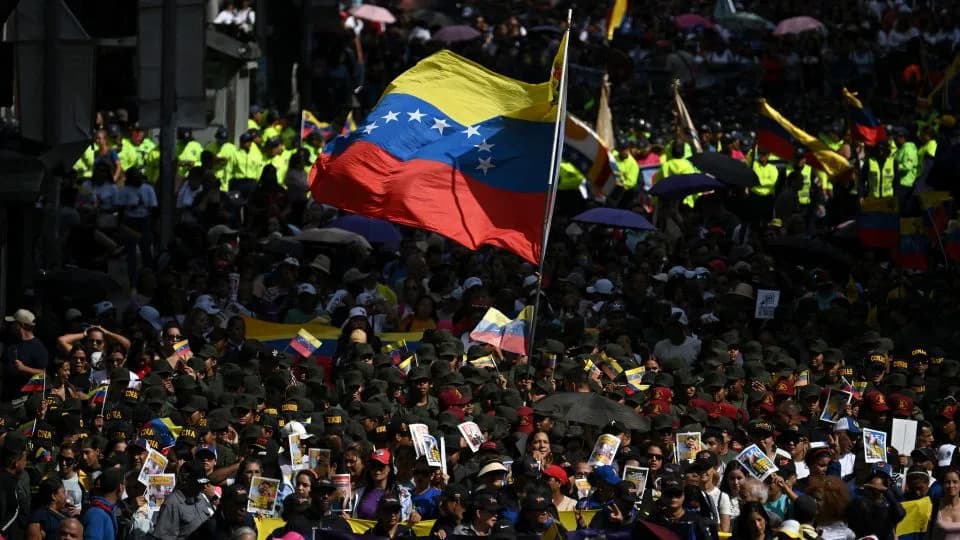
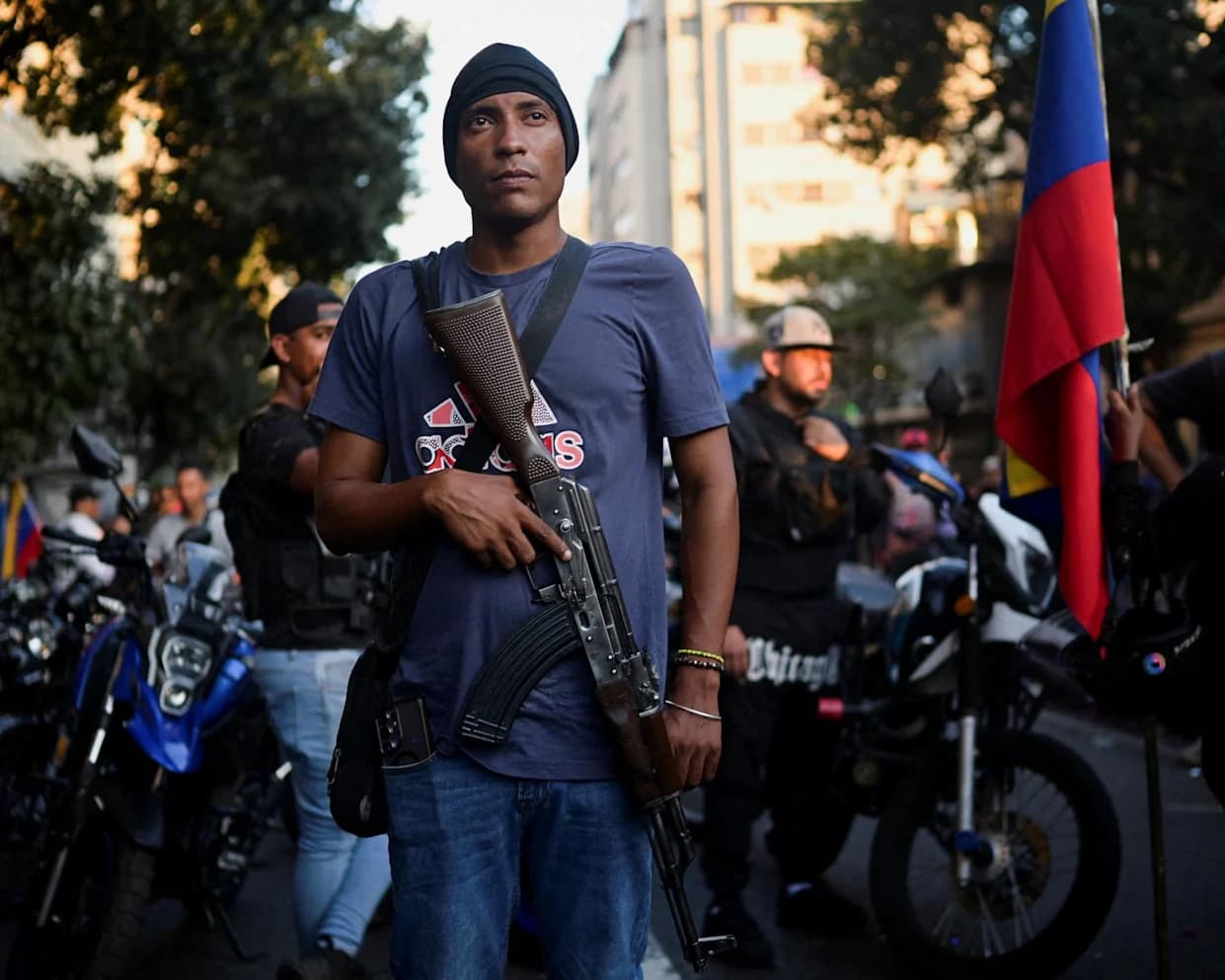
The head of the Capital District Government, Nahum Fernandez, who is the United Socialist Party of Venezuela’s secretary for street mobilization, speaks during a march outside the National Assembly in Caracas, Venezuela, in January. File Photo by Ronald Pena/EPA
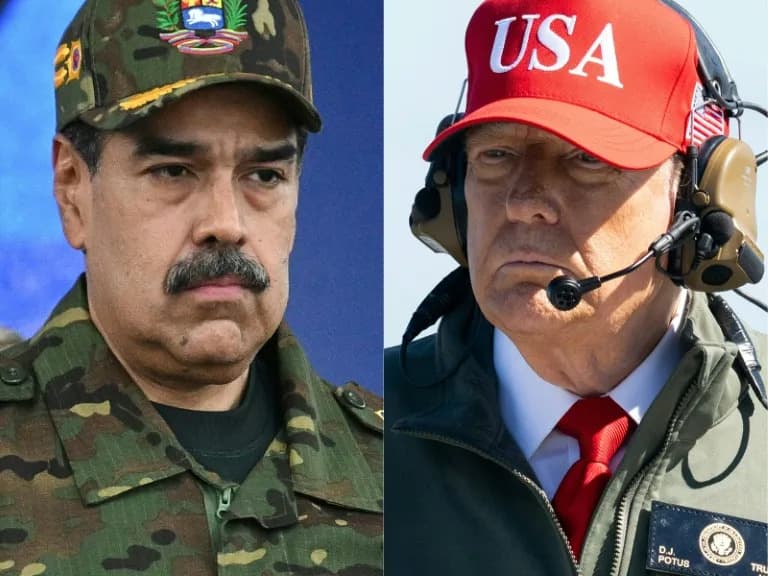
One month after President Nicolás Maduro was detained in a U.S. operation, Venezuela's ruling chavista movement has rapidly reorganized its leadership, redistributed power, and signaled a cautious opening to the United States while seeking to preserve institutional control and internal unity.
Interim Leadership and Power Realignment
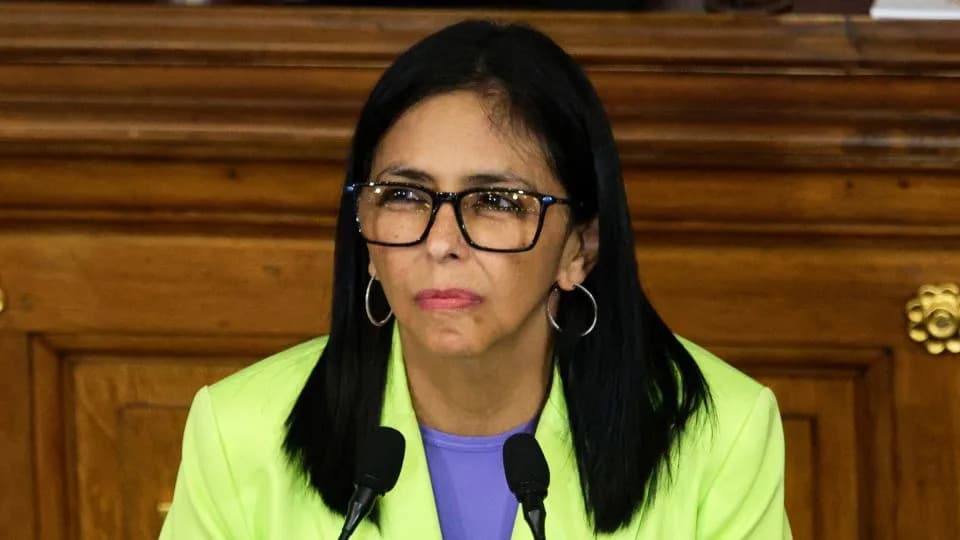
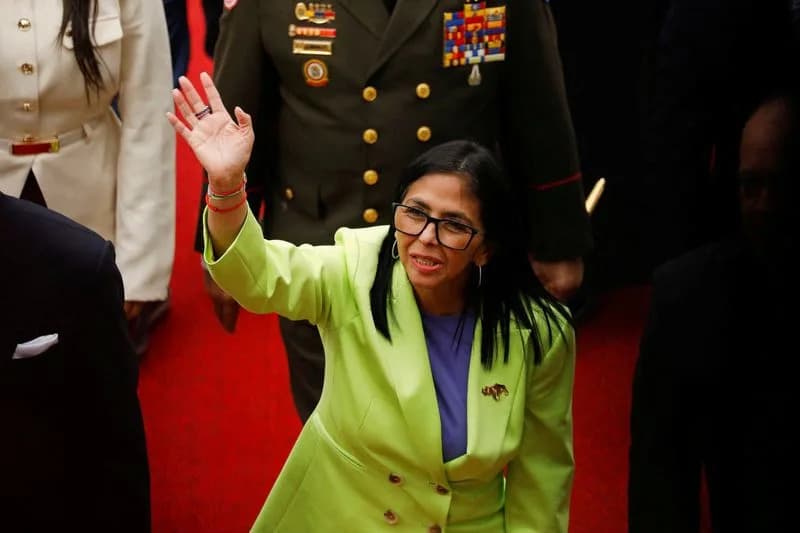
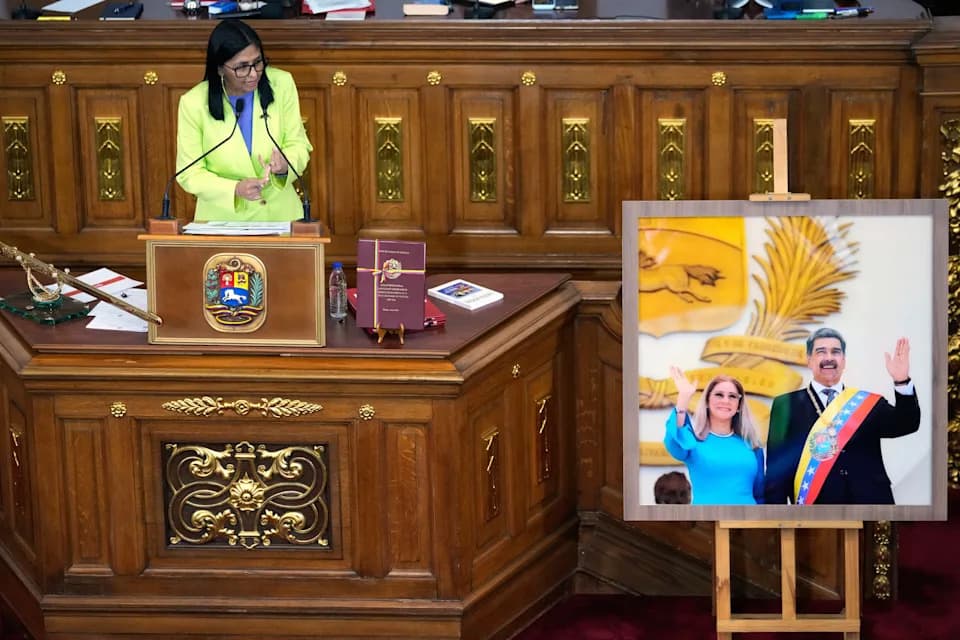
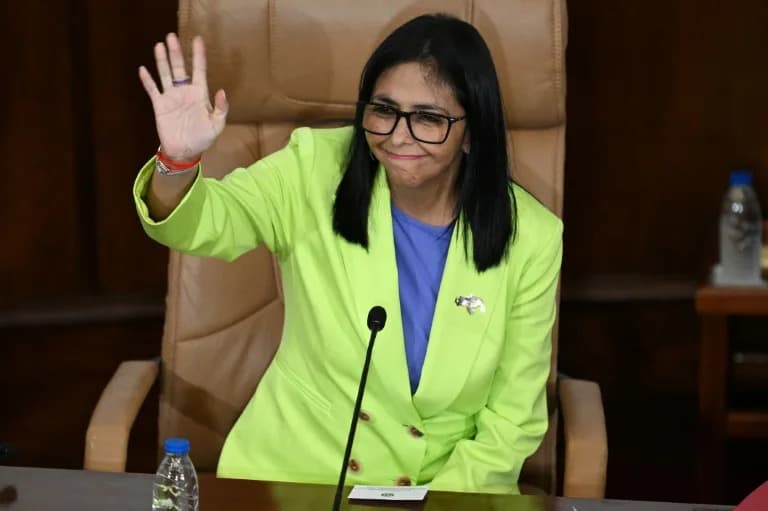
With Maduro absent from day-to-day governance, Delcy Rodríguez has assumed interim presidential responsibilities and Jorge Rodríguez has taken a central role in the National Assembly, concentrating visible political authority. The movement has rallied around a core bloc of senior politicians, ministers and influential families to project continuity and stability during an uncertain transition.
Appointments and Family Networks
Recent cabinet moves have reinforced established power ties: the appointment of Daniella Cabello as tourism minister underscores the continued influence of key political families—she is the daughter of Diosdado Cabello, widely viewed as a leading chavista figure.
Communications Strategy
The government’s Ministry of Communication and Information has coordinated a concerted media effort to present a narrative of continuity. Officials amplified a symbolic "V" for victory gesture associated with Maduro — using images, videos and social media — to recast an image of detention as resilience and resistance.
Engagement With the United States
Relations with Washington have become central to chavismo's repositioning. Interim leaders have met with U.S. officials, including envoy Laura Dogu, to discuss a multistage roadmap for stabilization, recovery and transition and to explore energy and diplomatic arrangements intended to normalize bilateral ties. These contacts appear to have influenced high-profile domestic decisions.
Policy Shifts and Domestic Signals
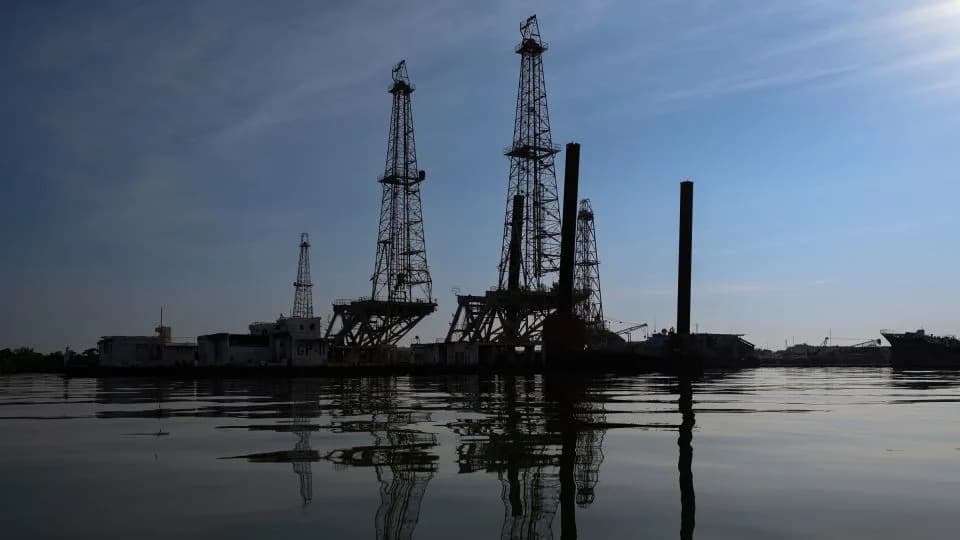
The National Assembly approved a major reform of the oil-sector legal framework that opens the market to private participation and ends the exclusive state monopoly that characterized earlier chavista policy. In parallel, interim authorities proposed a broad amnesty law for many held on political charges and floated plans to convert the detention center El Helicoide into a social and sports complex—moves presented as gestures of reconciliation and openness to internal and international concerns.
Internal Strains and Risks
Despite the show of unity, analysts warn that internal tensions and distrust persist. Commentators say chavista leaders are juggling internal cohesion while maintaining channels with the U.S., generating debate over who controls strategic decisions and how far reforms should go without alienating the movement’s grassroots. Political scientists warn the balance between pragmatic adaptation and core Bolivarian principles—such as state control of oil—constitutes a major dilemma that could produce fractures if mishandled.
Analyst Observation: The movement faces a stark choice: adapt to survive in a changing geopolitical and economic context or cling to its traditional identity at the risk of deeper divisions.
Help us improve.