Senate Majority Leader John Thune said he opposes federalizing U.S. elections after former President Donald Trump suggested Republicans should "nationalize" voting. Thune argued that state-run, decentralized systems are harder to tamper with and are consistent with Article I of the Constitution. The White House pointed to Trump-backed measures like the SAVE Act and uniform photo ID proposals, while Democrats and civil-rights groups condemned Trump's comments as authoritarian.
Senate GOP Leader John Thune Rejects Trump’s Call To 'Nationalize' U.S. Elections
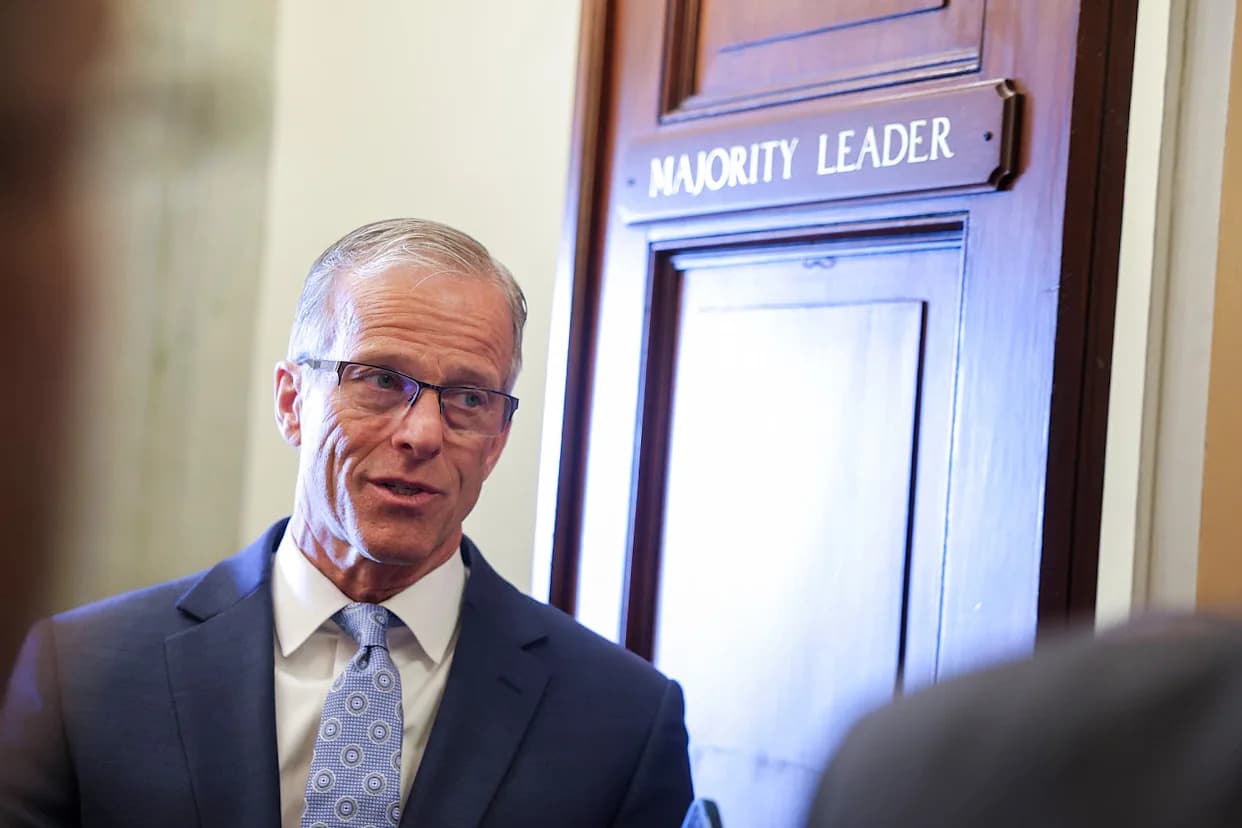
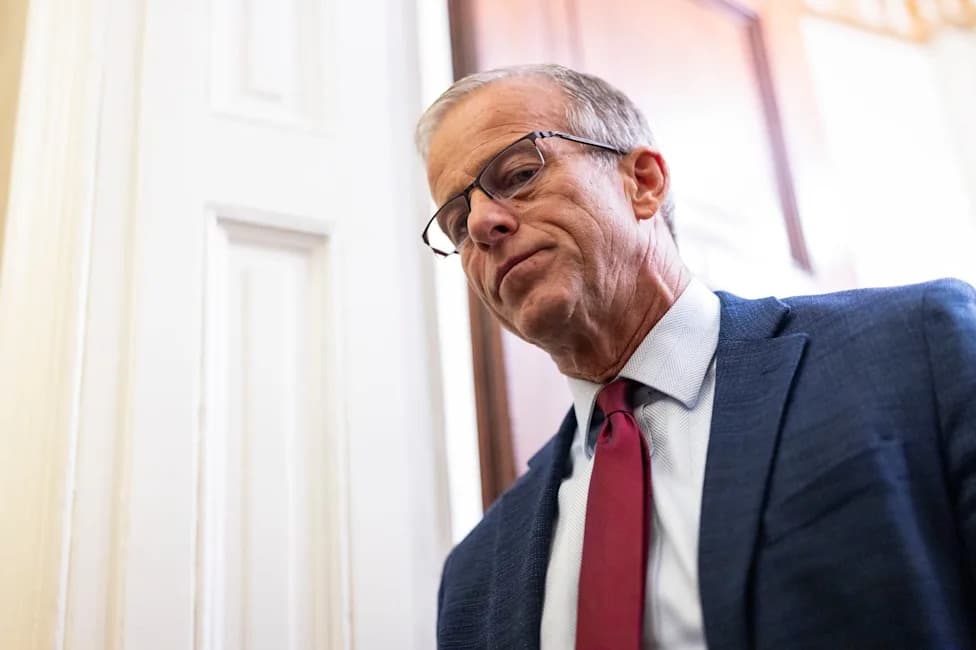
Senate Majority Leader John Thune told reporters the elections should be left up to the states. (Kevin Dietsch / Getty Images)(Kevin Dietsch)
WASHINGTON — Senate Majority Leader John Thune (R-S.D.) said he opposes federalizing the administration of U.S. elections, calling the idea a "constitutional issue," a day after former President Donald Trump suggested on a podcast that Republicans should "nationalize the voting."
Thune stressed that Article I of the Constitution assigns responsibility for congressional elections to the states, while also allowing Congress to set certain federal standards. He noted that states are responsible for voter registration, ballot counting, fraud prevention and many other election operations.
Why Thune Opposes Federalizing Elections
As the top Senate Republican, Thune emphasized his preference for decentralized authority. "I'm a big believer in decentralized and distributed power," he said, adding that "it's harder to hack 50 election systems than it is to hack one," and that the current system has generally worked well.
White House And Republican Responses
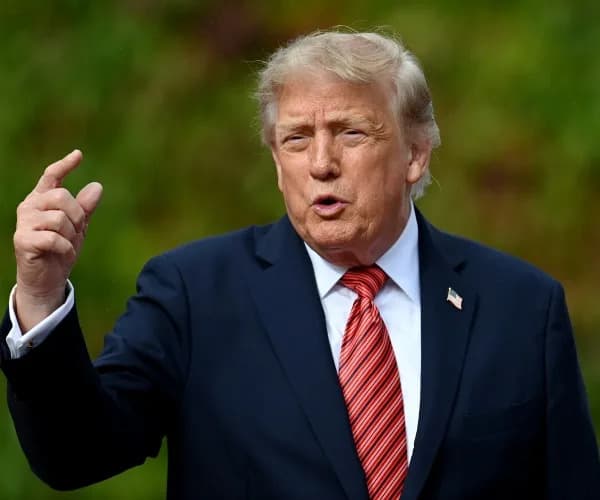
White House spokesperson Abigail Jackson, responding to Thune's comments, reiterated that President Trump "cares deeply about the safety and security of our elections" and pointed to Trump-backed proposals including the Safeguard American Voter Eligibility (SAVE) Act. The administration has also promoted measures to establish a uniform photo ID standard for voting, restrict no-excuse mail-in voting, and ban ballot harvesting.
House Speaker Mike Johnson (R-La.) said administering elections "has always been the responsibility of the states" and praised efforts to improve election integrity, criticizing some Democratic-led states that he said have not prioritized that work. Johnson highlighted the SAVE Act's proof-of-citizenship requirement as one potential remedy; supporters say it strengthens voter rolls, while critics note that non-citizen voting is already illegal and that documentation rules can disproportionately burden eligible voters.
Trump's Comments And Context
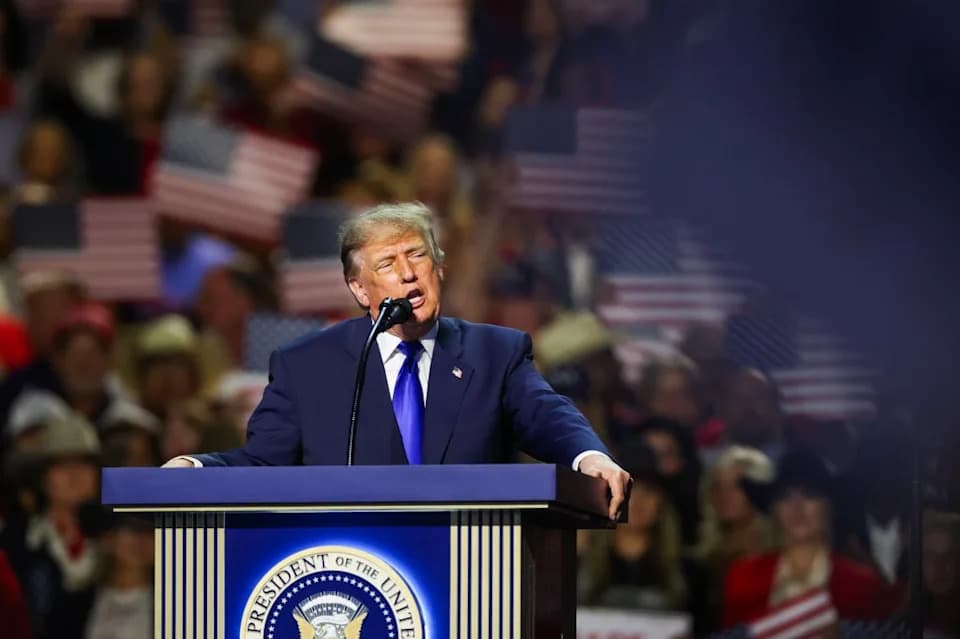
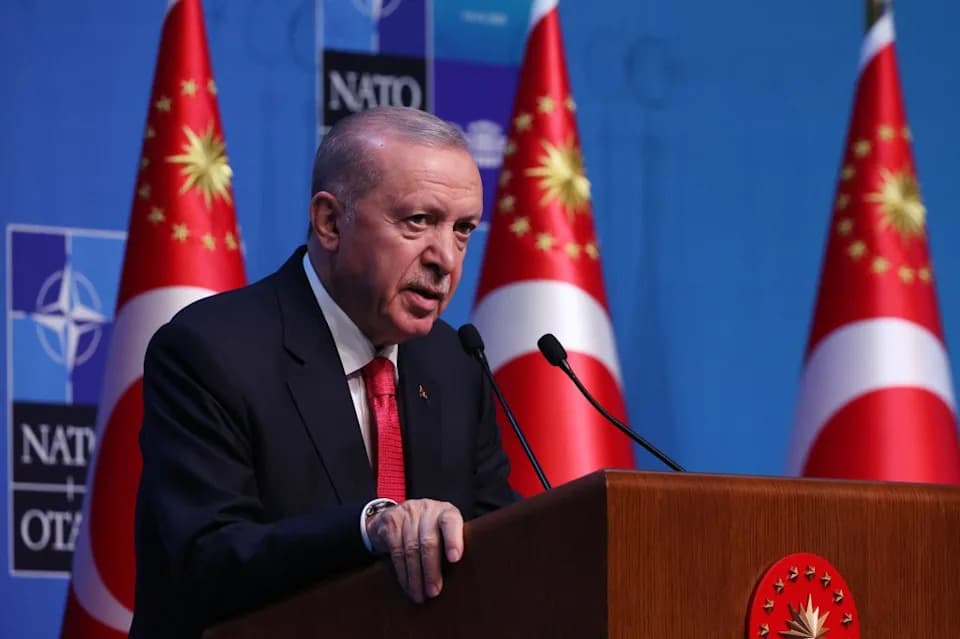
On a Monday interview with former Deputy FBI Director Dan Bongino, Trump said Republicans "ought to nationalize the voting," arguing the party should "take over" voting in multiple places. Trump reiterated his baseless claims that he won the 2020 election in some states, including Georgia.
"The Republicans should say, 'We want to take over. We should take over the voting in at least — many, 15 places,'" Trump said.
The remarks came shortly after an FBI search of a Fulton County election office; the FBI told NBC News it was "conducting court-authorized law enforcement activity" at the Fulton County Election Hub and Operations Center and was seeking records related to the 2020 election. Fulton County and Georgia have been a continued focus of Trump's scrutiny since the 2020 results.
Democratic, Civil-Rights And Legal Reactions
Democrats and civil-rights groups condemned Trump's proposal as authoritarian. Senate Minority Leader Chuck Schumer called the idea "dangerous autocratic poison," asking on the Senate floor whether Trump seeks to be "President for life in a single-party state where one party runs the elections."
Rep. Sanford Bishop (D-Ga.), the only House Democrat in a competitive Georgia district, called the comments a "blatant attempt to intimidate and to try to take over the electoral system in the country," saying U.S. elections are "American elections," not partisan ones.
The NAACP released a statement saying it "condemns in the strongest possible terms" the remarks, describing them as "a desperate attempt to continue to weaken and ultimately destroy the very foundations of our democracy" and "a blatant assault on the Constitution."
This article was originally published on NBCNews.com.
Help us improve.