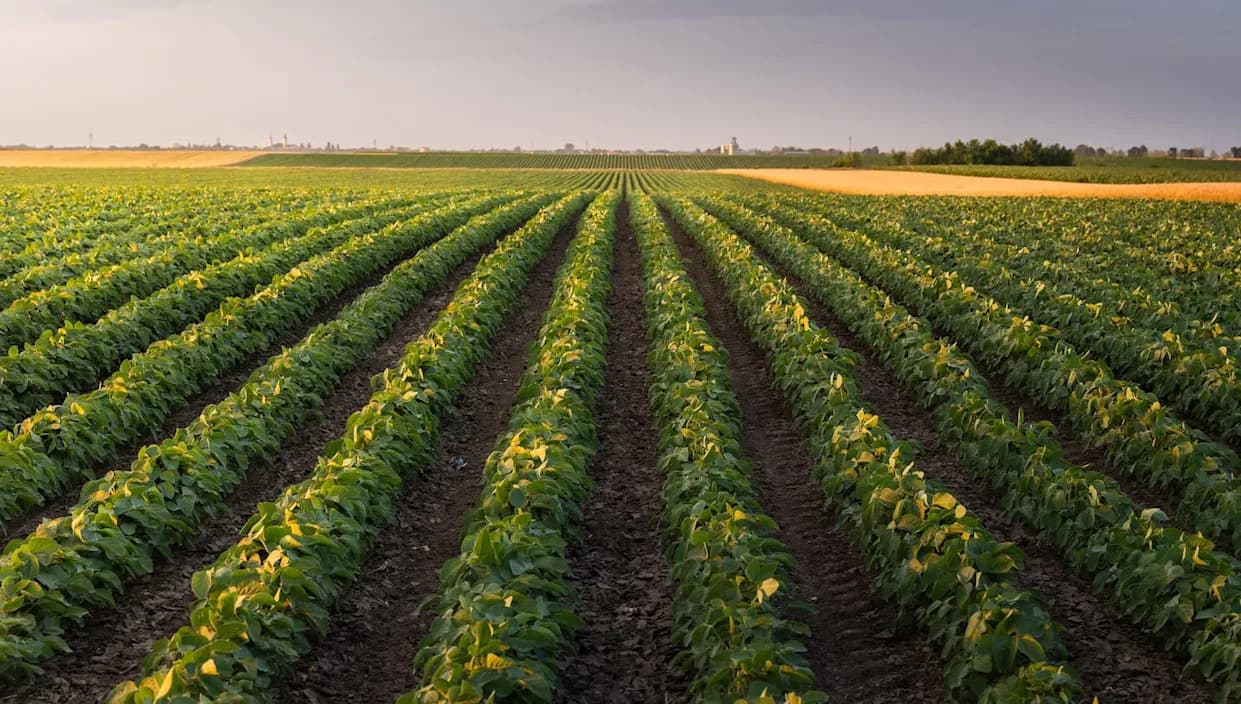
Scientists report that the cotton bollworm and corn earworm have interbred in Brazil, creating hybrid moths that share genes conferring resistance to Bt crops. With over 90% of Brazilian soy planted as Bt varieties, this resistance could reduce yields, push up food prices and incentivize deforestation. Experts urge better refuge compliance, integrated pest management and faster development of stacked-trait seeds to slow the spread of resistance.
Researchers Warn Hybrid 'Megapests' Are Spreading After Crop Moths Interbreed in Brazil
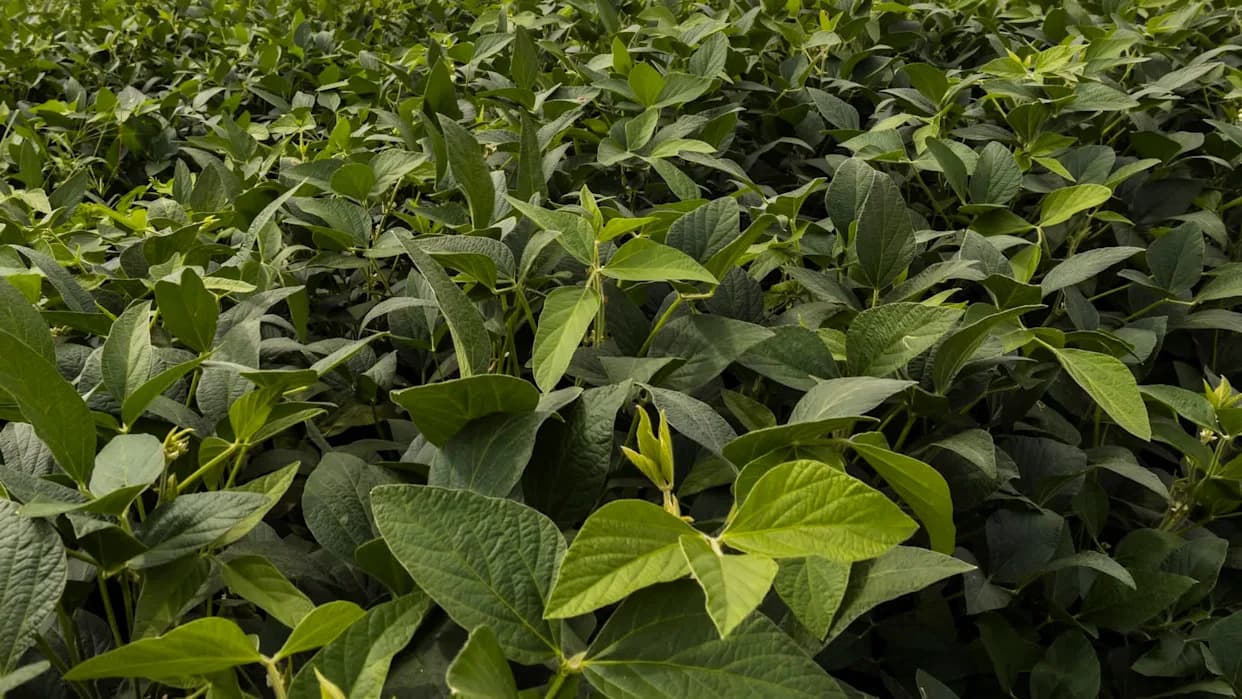
Photo Credit: iStock
An evolutionary shift in the field has alarmed scientists: two of the world’s most destructive crop moths have interbred in Brazil, producing hybrids that carry genes increasing resistance to pesticides used in genetically modified (Bt) crops.
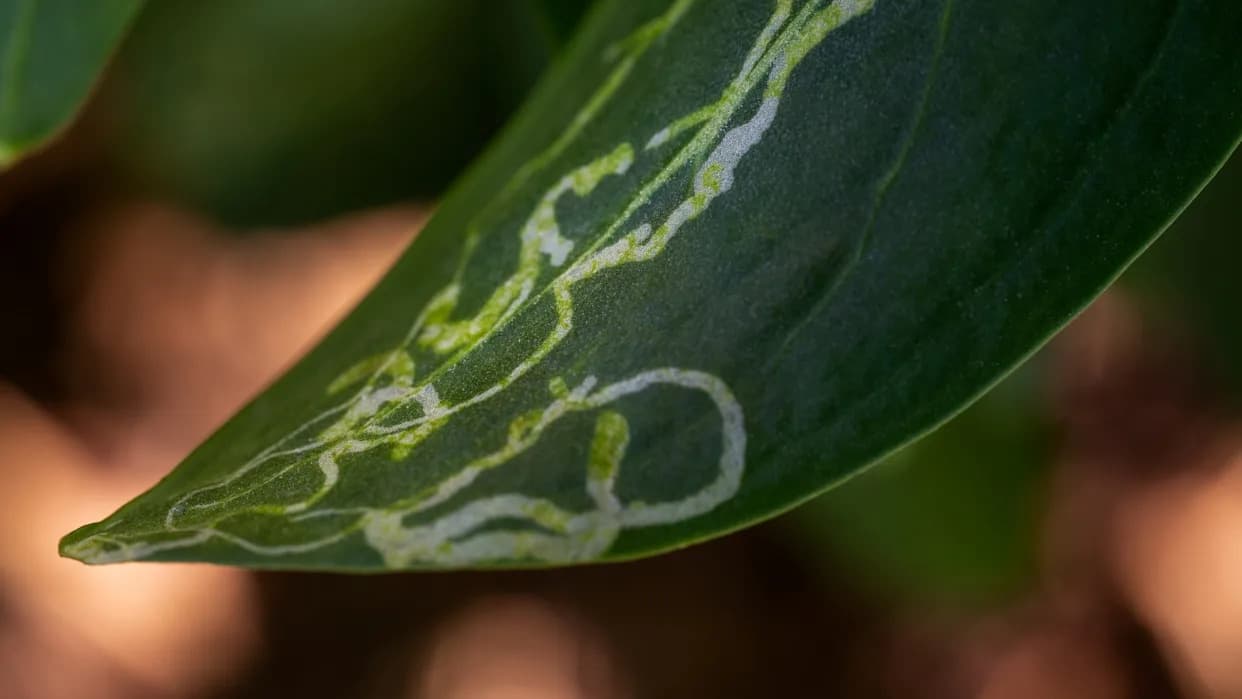
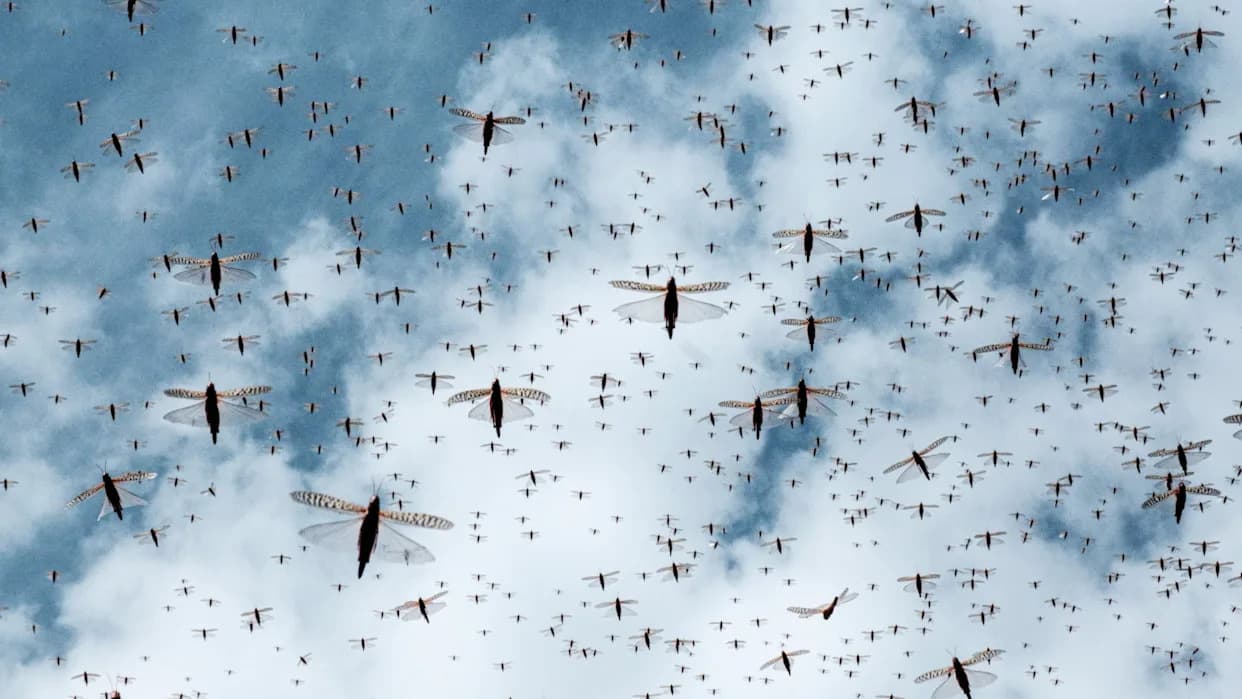
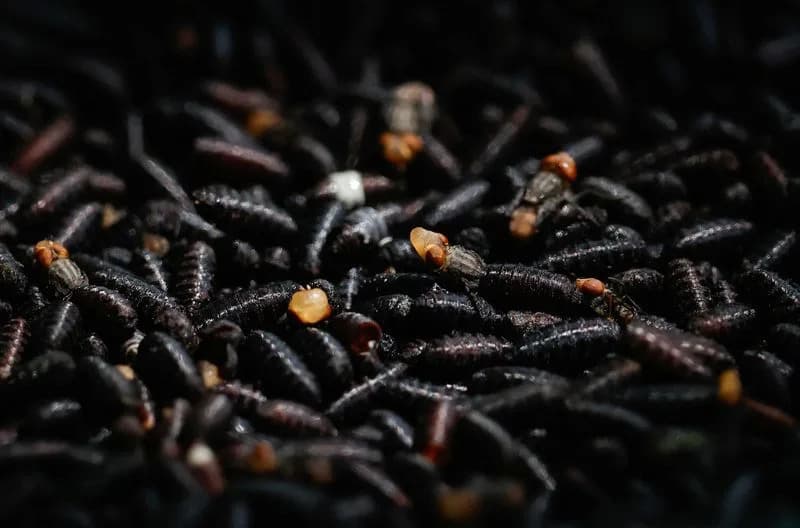
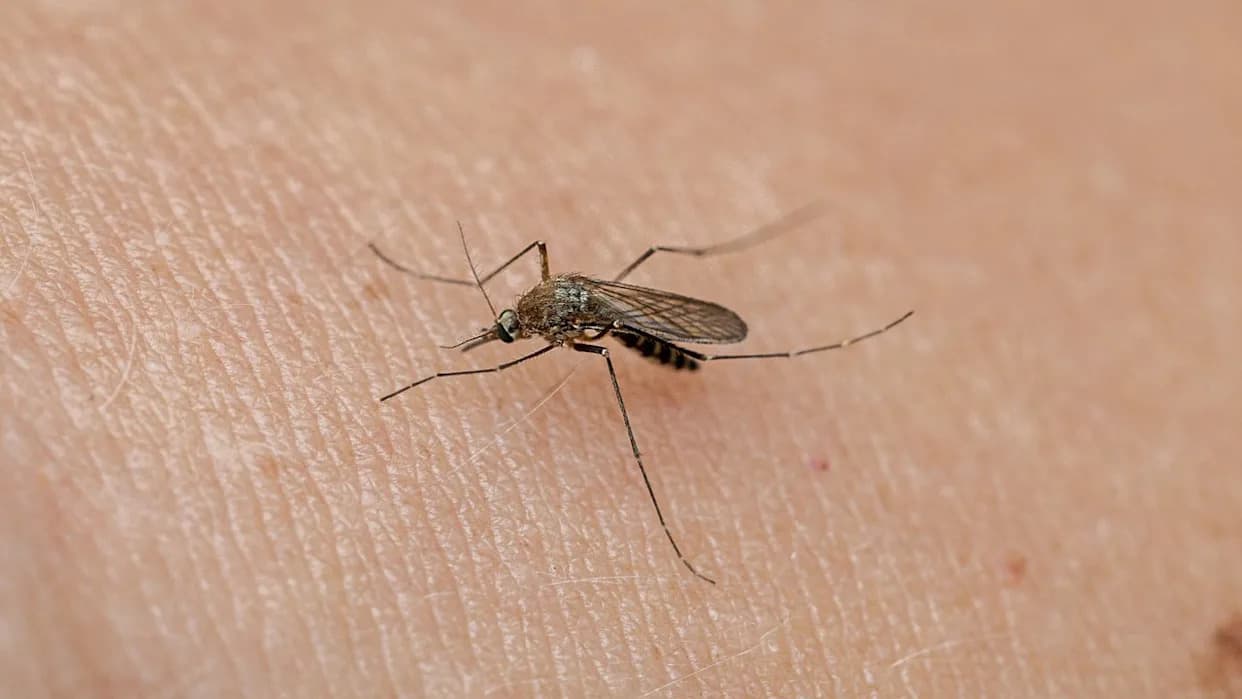
Researchers reporting to New Scientist found evidence that the cotton bollworm (Helicoverpa armigera) and the corn earworm (Helicoverpa zea) have exchanged resistance traits where both species now coexist in Brazil. These moths’ caterpillars attack a wide variety of crops, and gene flow between species appears to be accelerating the spread of pesticide resistance.
What Researchers Found
Many cotton bollworm individuals sampled in Brazil were found to carry genes that reduce the effectiveness of Bt proteins—engineered toxins produced by genetically modified crops to kill insect pests. Scientists described the speed and scale of this trait sharing as surprising. “We’re just sort of blown away by how rapidly it’s happened,” said Chris Jiggins of the University of Cambridge.
Why This Matters Globally
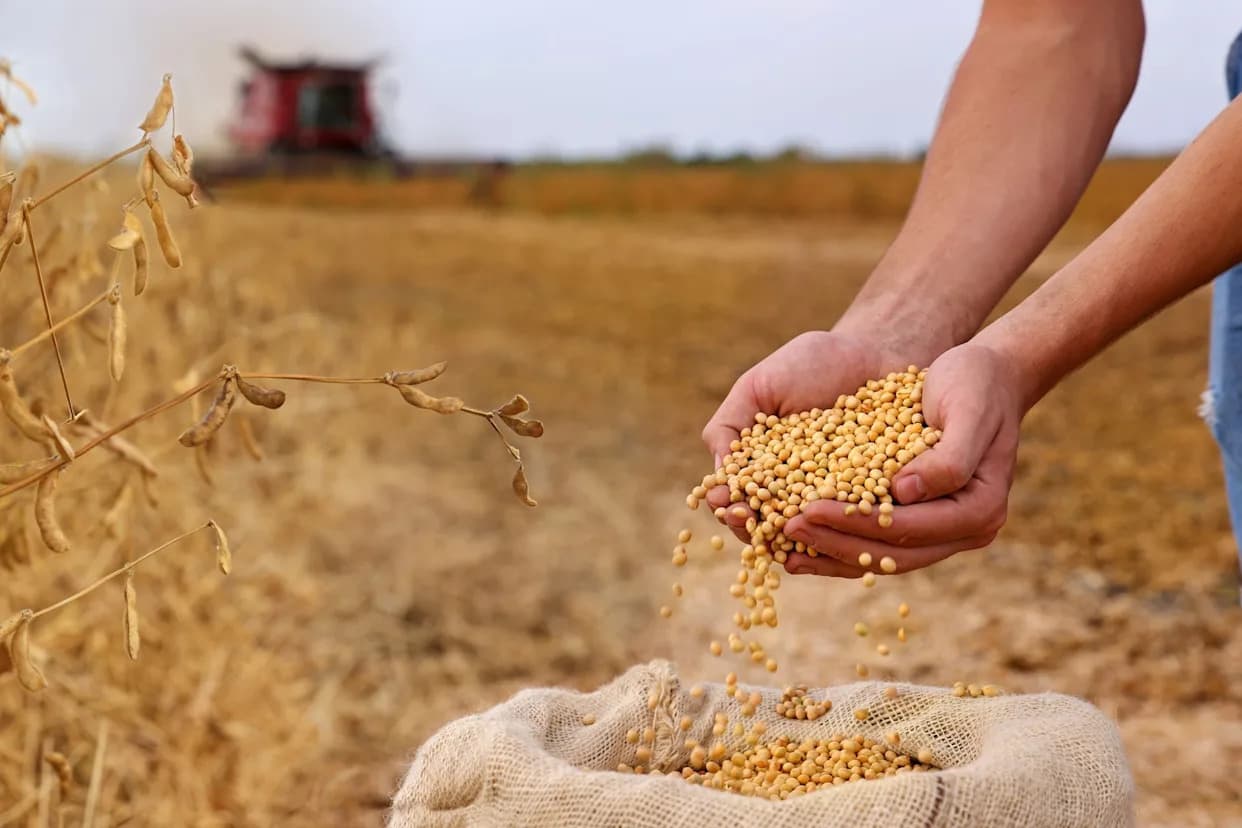
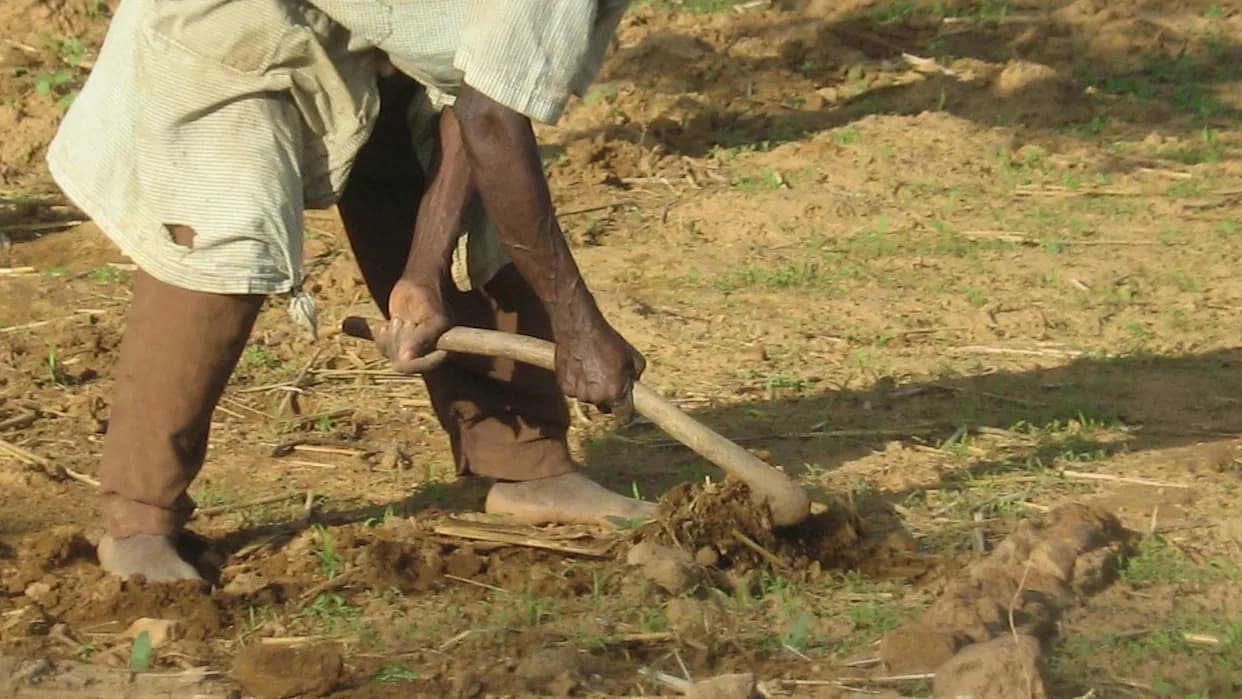
Brazil is one of the world’s largest soy exporters and more than 90% of Brazilian soy relies on Bt proteins for pest control. If Bt protection erodes, farmers could see lower yields, higher production costs and incentives to clear additional land to maintain output—driving deforestation and increased carbon emissions from land-use change. Disruptions in Brazil can quickly ripple through global food and feed markets, affecting grocery prices and livestock production worldwide.
How Resistance Spreads
These moths are capable fliers, global trade moves agricultural goods and materials across borders, and a warming climate is expanding pest ranges—together increasing the odds that resistance traits will move beyond Brazil. This makes local resistance a global threat unless rapid surveillance and coordinated responses are implemented.
Mitigation and Stewardship
Farm-level and policy tools can slow resistance. Recommended actions include planting refuge crops (non-Bt plants adjacent to Bt fields) to reduce selection pressure, using integrated pest management (IPM) techniques, and adopting stacked or multi-trait Bt varieties that express multiple toxins simultaneously. However, refuge compliance is inconsistent, and developing and deploying stacked-trait seeds is costly and time-consuming.
Experts’ message: Preserving existing safeguards and improving stewardship—alongside accelerated development of new crop traits and better monitoring—are essential to prevent Bt technologies from losing effectiveness faster than expected.
This episode is a clear reminder that global food systems are interconnected: biological changes in one major producing region can affect supermarket shelves, farm incomes and climate outcomes worldwide. Policymakers, industry and farmers will need coordinated action—improved monitoring, stronger stewardship policies and investment in diversified pest-control strategies—to contain the threat.
Help us improve.