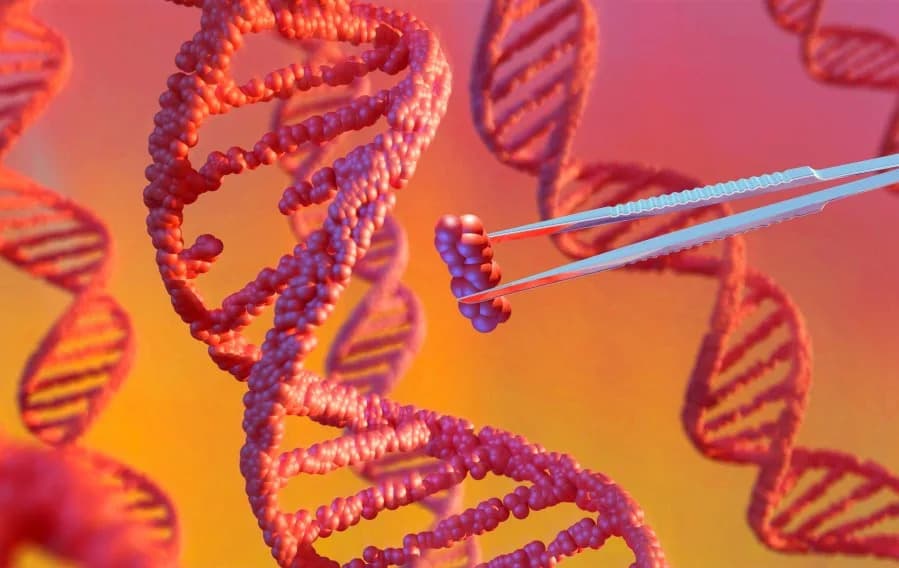
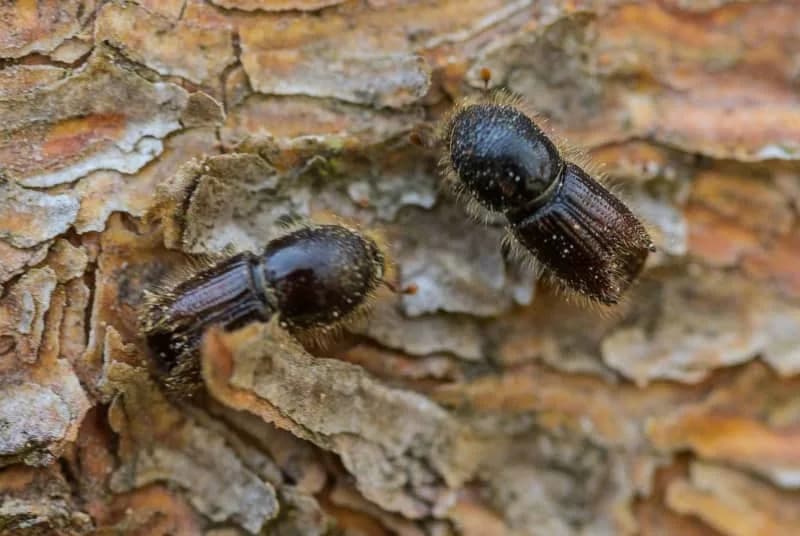
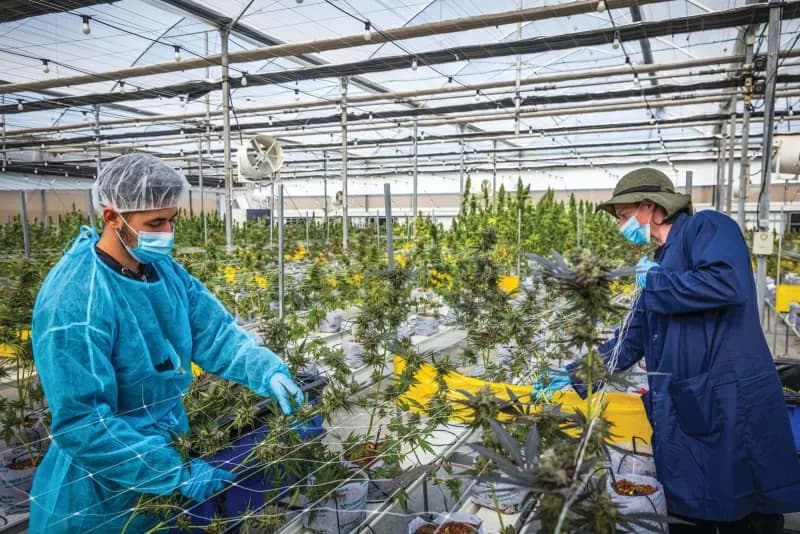
Researchers suggest using precision gene editing to boost natural inhibitor proteins in crops—defenses that wild ancestors once had—to make plants less digestible to insect pests. A paper in Biotechnology Journal, led by Marcos Fernando Basso, argues this approach could reduce losses in the field, during transport and in storage while preserving safety for humans and livestock. The idea shows promise but will need rigorous testing, regulatory review and careful, crop-specific application.
Gene Editing Could Restore Crops' Lost Pest Defenses — A New Path To Stronger Food Security
Photo Credit: iStock
Researchers propose using targeted gene editing to restore natural pest defenses in major food crops — a strategy that could reduce losses to insects and strengthen global food security.
Many common pests feed on staples such as corn, peas and beans, and severe outbreaks can devastate yields. A paper published in Biotechnology Journal outlines an approach to increase specific inhibitor proteins in crop genomes that make plant tissues less digestible to insect pests.
Wild ancestors of many domesticated crops typically produced higher levels of these inhibitor proteins, which helped deter feeding by insects. Over generations of domestication and with modern breeding priorities, many cultivated varieties lost or reduced these natural defenses. The authors argue that precision gene editing can reintroduce or enhance those proteins to restore a biological layer of protection.
"Gene editing using the technique ... and its variations give us the possibility of increasing the production of these inhibitors or making them more active in plants of interest to act specifically against insect pests, without the molecules being a problem for humans and animals that consume the plants or seeds," said Marcos Fernando Basso, lead author of the paper, according to Phys.org.
"Therefore, it may be a promising path in the coming years."
Achieving the required precision is technically challenging. Any modifications must deter insect pests while keeping crops safe, nutritious and palatable for people and livestock. The paper assesses recent advances in gene-editing tools and argues that the field is approaching the levels of specificity and control needed to pursue this strategy responsibly.
Potential Impact
If adopted widely and validated for safety, restoring inhibitor proteins could reduce crop losses in the field and during transport and storage, helping to lower economic losses for growers and easing pressure on supply chains. Reduced pest damage can translate to more stable yields, lower prices for consumers and less food waste.
Practical Considerations
- Safety and Regulation: Any edited crops will require rigorous safety testing and regulatory review to ensure they are safe for people, livestock and the environment.
- Targeted Application: Gene edits would need to be tailored to each crop and pest context to avoid unintended effects.
- Integrated Pest Management: This approach would complement, not replace, existing pest-control strategies such as crop rotation, biological controls and improved storage practices.
How Consumers Can Help
Consumers can reduce waste and ease pressure on food systems by using leftovers efficiently and learning storage techniques that extend shelf life, such as proper cooling, sealing and root-vegetable storage methods.
Overall, the proposal represents a promising scientific direction but one that will require careful testing, regulatory oversight and time before it becomes a practical, widely used tool in agriculture.
Help us improve.