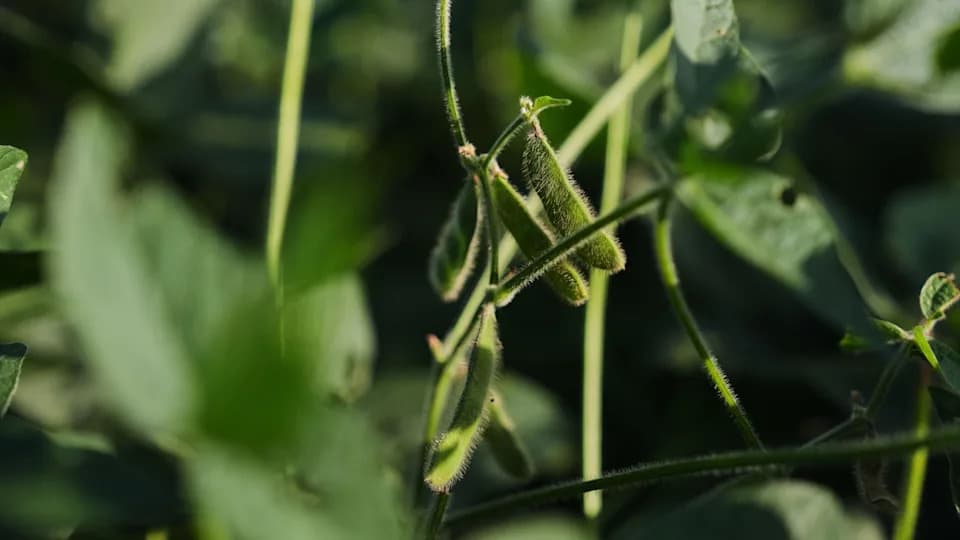
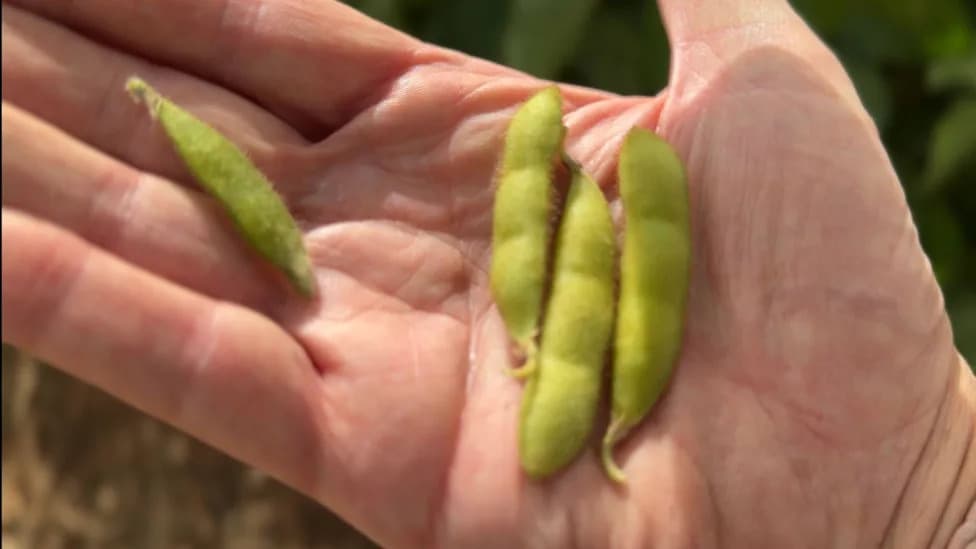
Researchers and industry reports say a new generation of nematicides can protect soybean roots from soybean cyst nematode (SCN), enabling plants to develop larger, more efficient root systems. According to George Huckabay of Vive Crop Protection, stronger roots boost water and nutrient uptake and can reduce drought stress. Given soybeans' role as the U.S.'s second-most-common crop and a key source of food, feed and biofuel, these advances could help safeguard yields as climate-driven drought risk increases.
New Nematicides May Shield Soybean Roots and Help Crops Withstand Drought
Photo Credit: iStock
A new generation of soybean nematicides could become a valuable tool for farmers seeking to protect root systems during prolonged dry spells and reduce yield losses.
Reporting by Brownfield and commentary from industry experts indicate that these newer products target soybean cyst nematode (SCN), a persistent pest that damages roots and reduces plant vigor. By limiting nematode damage, treated plants appear better able to develop larger, more efficient root systems that improve nutrient and water uptake.
How Nematicides Help
George Huckabay, Technical Sales Agronomy Lead at Vive Crop Protection, told Brownfield that improved root size is central to a plant's ability to access water and nutrients. "The root size of the plant really affects the uptake of water, uptake of nutrients, everything that has to do with that plant growing," he said. "The bigger the root system, the more efficient in taking up water and nutrients it is, and it grows better."
"The whole idea behind a nematicide is you're protecting the root system and letting the plants grow faster and better. And then when it does get dry, the root system is big enough, it's more efficient and can take up more water, and it doesn't see the stress you see from not having your roots protected." — George Huckabay, Vive Crop Protection
By preventing root damage from nematodes, crops can form stronger root architecture that helps during droughts by improving water absorption and reducing physiological stress. That difference can determine whether a season yields poorly or meets expectations in challenging conditions.
Broader Context
A Forbes report highlights that soybeans are now the second-most-common crop in the United States and are widely used for food, animal feed and biofuel. As global temperatures rise and weather patterns become more erratic, strategies that protect critical crops from pests and drought are increasingly important for food and energy supply chains.
While early reports and industry perspectives are promising, experts say these tools are most effective as part of integrated pest and crop management programs. Continued field trials, monitoring for resistance, and regulatory review are important to confirm long-term benefits and environmental safety.
Bottom line: New nematicide formulations show potential to protect soybean roots from SCN, support larger root systems, and reduce drought-related stress — offering a practical advantage for growers facing heightened climate risks.
Help us improve.