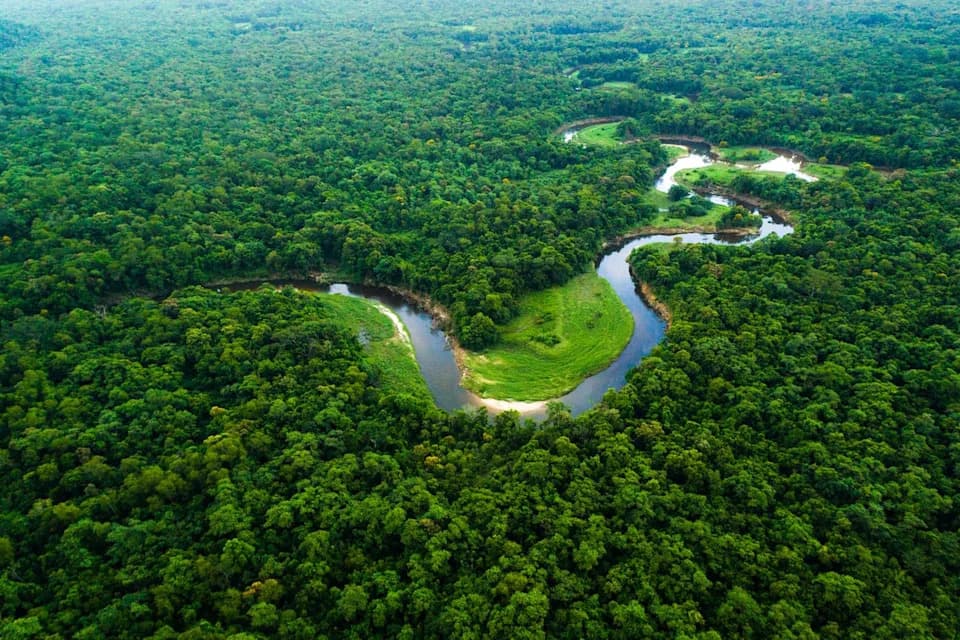
Researchers report that thinning of Brazil's Atlantic Forest is causing mosquitoes to feed more often on humans, increasing the risk of pathogen transmission. A study published in Frontiers in Ecology and Evolution warns this shift could raise cases of diseases such as Yellow Fever, dengue and Zika. Scientists urge more targeted research to identify mosquito blood meals and track which wildlife hosts are being lost, noting that urbanization can produce similar risks.
Mosquitoes Bite More People As Forests Thin — What That Means For Disease Risk
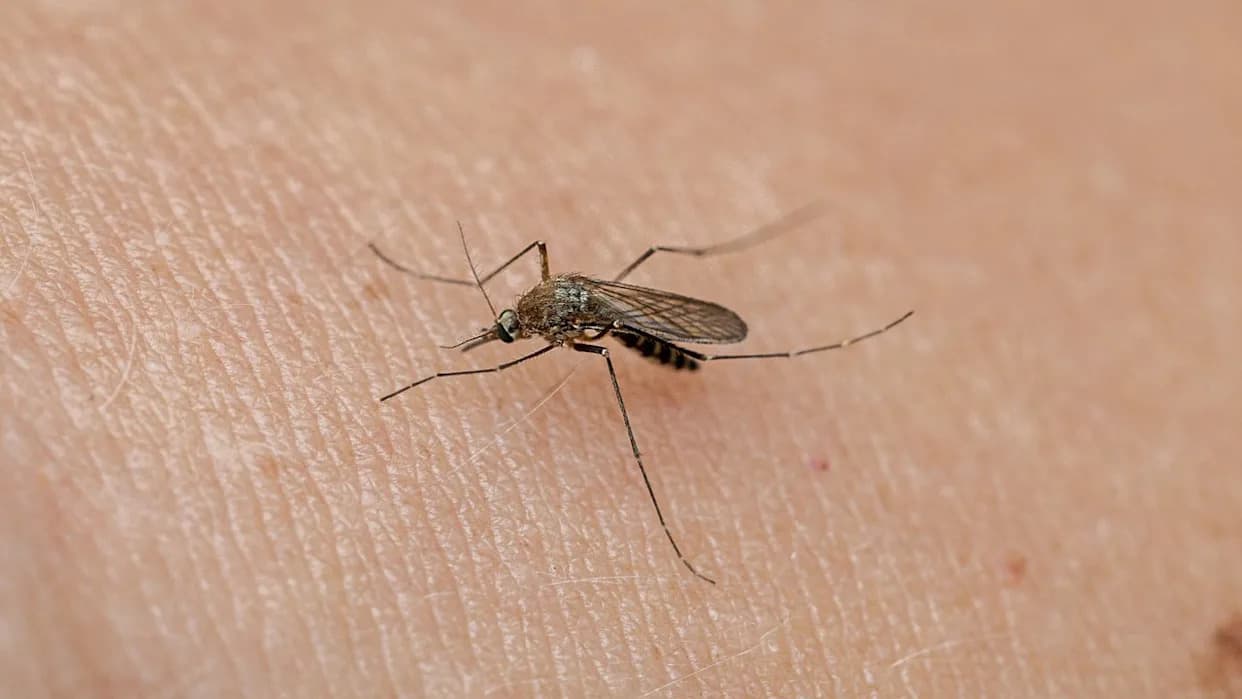
Prepare for an itchier spring and summer: researchers report that mosquitoes in Brazil's Atlantic Forest are feeding on humans more frequently as the forest thins and other animal hosts decline.
Why This Matters
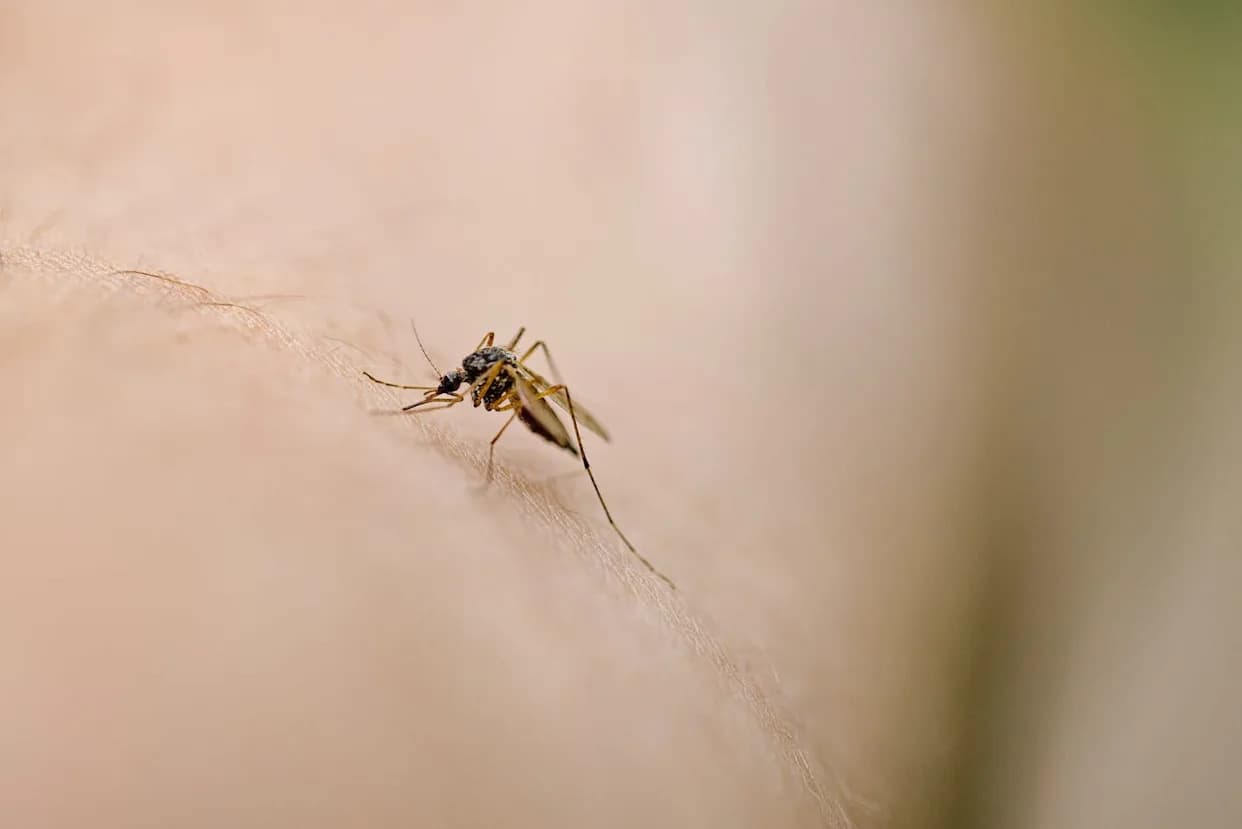
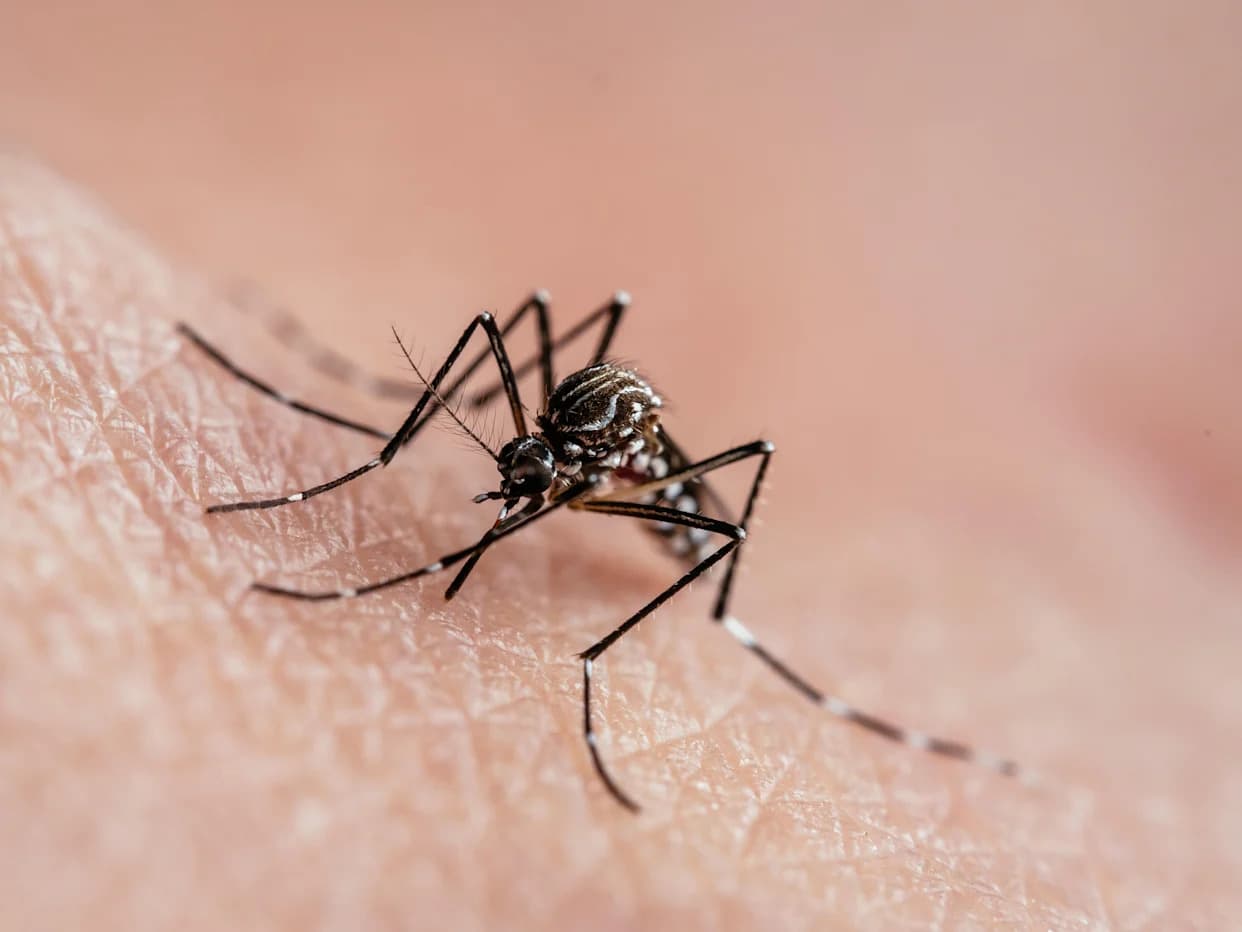
Scientists who analyzed mosquito blood meals found a shift away from birds, reptiles, fish and wild mammals toward people as deforestation reduces wildlife diversity. Increased mosquito–human contact raises the likelihood that viruses will jump to and circulate among people.
“This is crucial because, in an environment like the Atlantic Forest with a great diversity of potential vertebrate hosts, a preference for humans significantly enhances the risk of pathogen transmission,”
— Sergio Machado, Microbiology and Immunology Researcher, Federal University of Rio de Janeiro
The bites from these mosquitoes can transmit a range of pathogens, including Yellow Fever, dengue and Zika viruses. While the study focused on Brazil's Atlantic Forest and was published in Frontiers in Ecology and Evolution, the same dynamic can occur where urbanization and habitat loss reduce wildlife populations — pushing mosquitoes to feed more often on nearby humans.
What Researchers Recommend
The authors call for expanded, finer-scale studies that accurately identify mosquito blood meals to map which host species are disappearing and how vector feeding patterns are changing. That information would help public-health officials and clinicians anticipate outbreaks and target surveillance and control efforts more effectively.
Although mosquitoes are ecologically important, they remain the deadliest animals to humans because they transmit many diseases. Decades of efforts to curb mosquito populations and block pathogen spread have had limited success, underscoring the need for improved ecological monitoring and public-health strategies.
Help us improve.