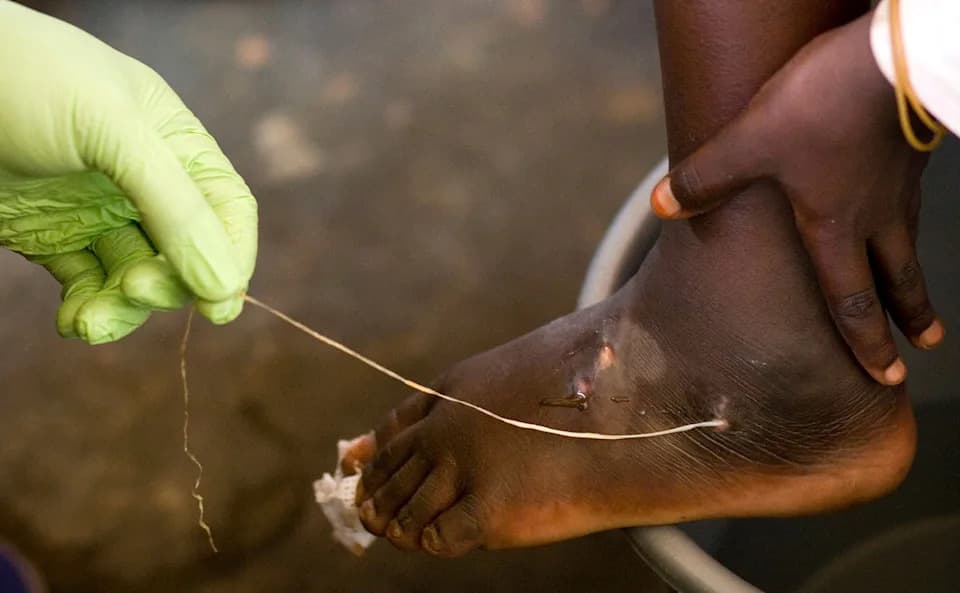
The USDA will start releasing sterile, fluorescently dyed flies closer to the U.S.-Mexico border and up to about 50 miles into southern Texas to stop the spread of the flesh‑eating New World screwworm. The agency currently produces about 100 million sterile flies weekly in Panama but experts say substantially more will be needed to eradicate the pest across Mexico. The measure follows at least 20 reported infestations in Tamaulipas and is intended to create a buffer zone while longer‑term production increases are pursued.
USDA Deploys Fluorescent Sterile Flies Near U.S.-Mexico Border to Halt Screwworm Spread
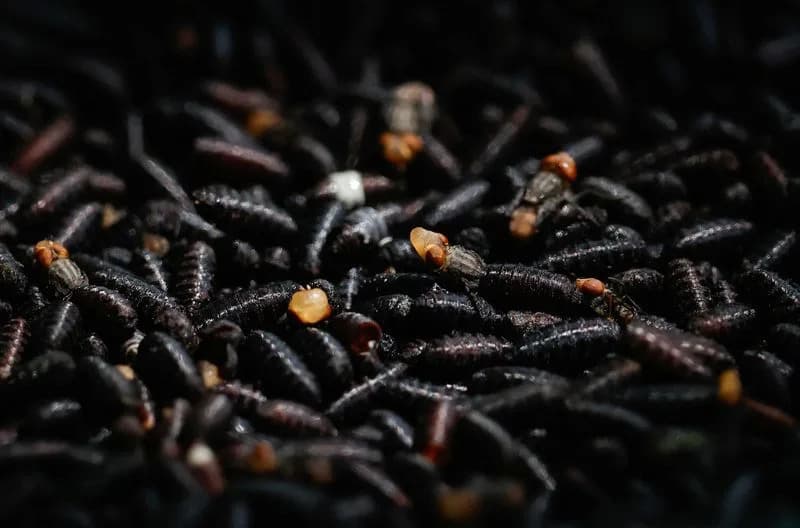
A view shows a ground release container with screwworm larvae about to hatch at a bio-factory as Mexico's government reconditions a plant to become the new sterile screwworm fly facility, part of the country's effort to eradicate the flesh-eating parasite that threatens its livestock industry and raises tensions with the United States, in Metapa de Dominguez, Mexico, October 17, 2025. REUTERS/Daniel Becerril
The U.S. Department of Agriculture (USDA) said on Feb. 2 it will begin releasing sterile, fluorescently dyed flies in parts of Mexico nearer the U.S. border and in southern Texas to slow the advance of the flesh‑eating New World screwworm.
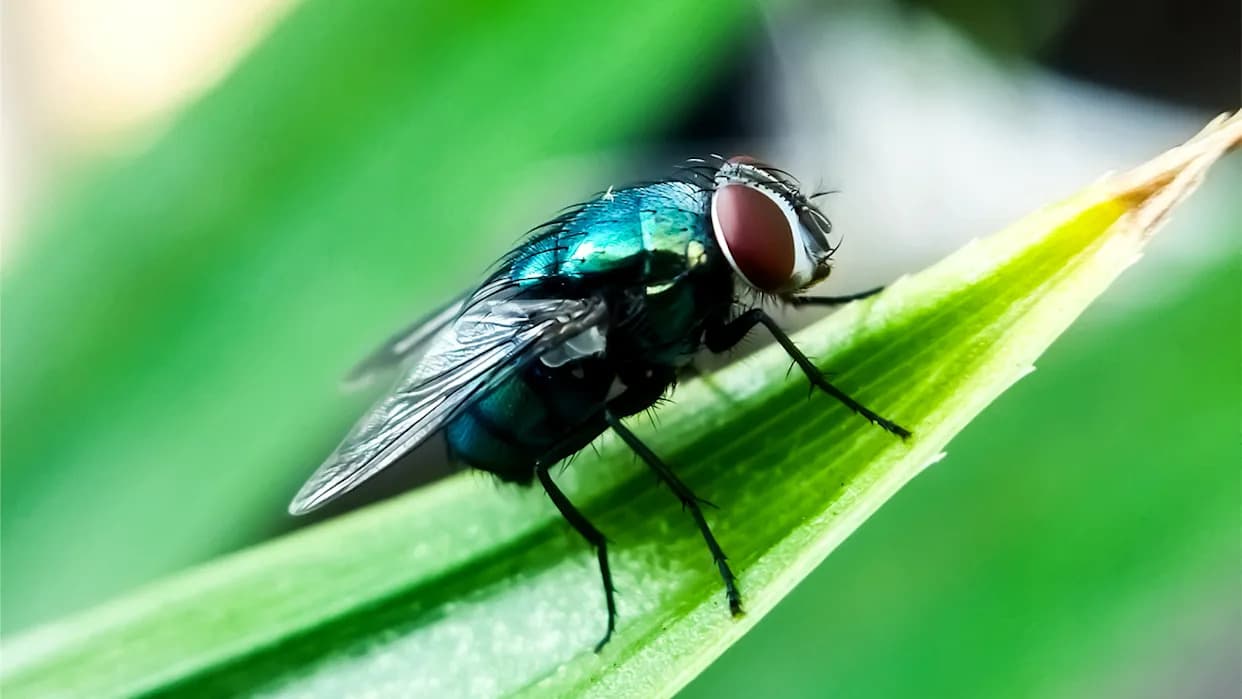
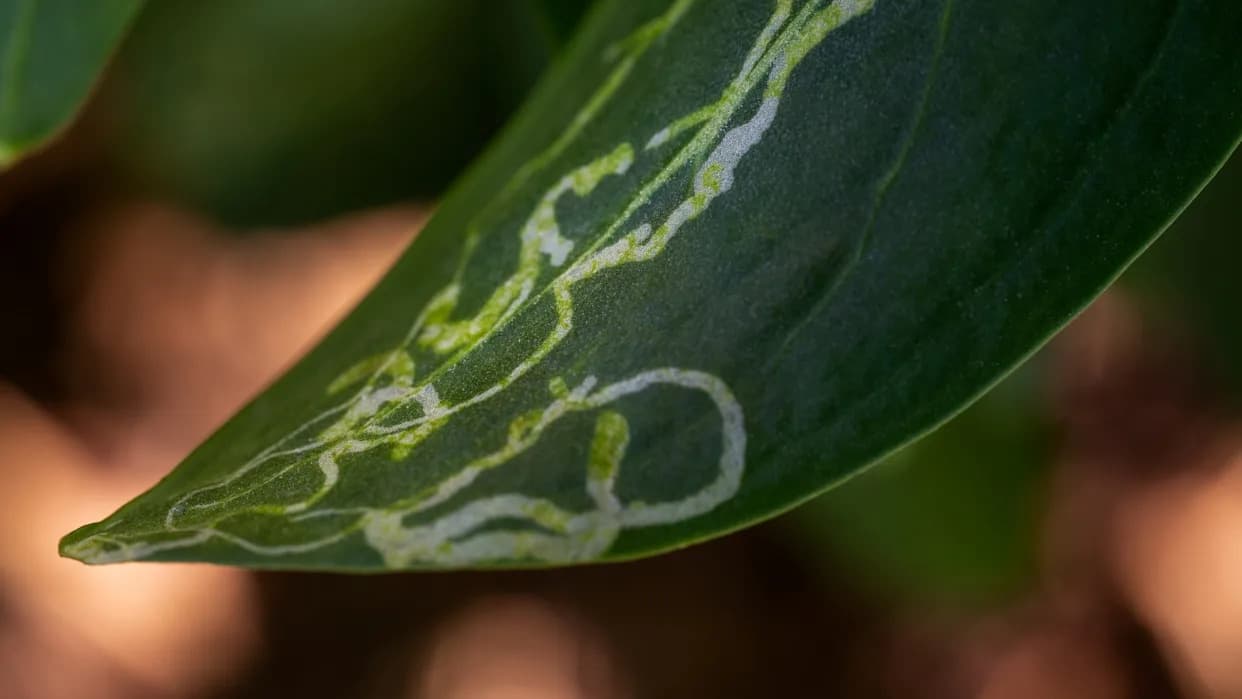
What Is the Threat? Screwworms are parasitic flies whose females lay eggs in open wounds on warm‑blooded animals, particularly livestock. When the eggs hatch, larvae burrow into living flesh using hooked mouthparts; untreated infestations can kill the host and rapidly spread among animals.
What the USDA Will Do The USDA already produces roughly 100 million sterile flies per week at a production facility in Panama and releases them across Mexico to suppress wild screwworm populations. In response to at least 20 reported infestations in Tamaulipas since Dec. 26, the agency will shift some releases northward to create a buffer zone that extends roughly 50 miles into southern Texas along the border.
How It Works The agency applies a fluorescent dye to sterile flies before they hatch so field teams can distinguish them from wild flies; treated insects glow under ultraviolet light and may be visible to the naked eye. This "sterile insect technique" prevents wild flies from reproducing when sterile males outnumber fertile ones.
Capacity Concerns and Response Experts say the current weekly output — about 100 million sterile flies — is likely insufficient to eradicate an outbreak across Mexico. The USDA has proposed building a U.S. production facility in Texas, but officials say that site may be at least a year from opening. Last month the agency pledged up to $100 million for projects to boost sterile‑fly production and fight the pest.
Economic and Regional Impact To reduce the risk of introducing screwworms into the United States, the USDA has suspended imports of Mexican livestock, a move that has tightened cattle supply and contributed to record‑high retail beef prices. Industry executives note that unseasonably cold weather in Texas could temporarily slow the pest’s northward movement, but officials emphasize prevention remains the top priority.
“Our highest priority is protecting the United States from screwworm,” USDA Under Secretary Dudley Hoskins said in a statement.
Historical Context The U.S. eliminated screwworm in the 20th century using the same sterile‑insect approach, dropping boxes of sterile flies from aircraft. Entomologists say the method is effective when sterile insects significantly outnumber wild populations.
Outlook Officials will continue monitoring cases in Mexico and adjusting the release area as needed. The move to deploy dyed, sterile flies closer to the border aims to create a rapid, visible, and measurable barrier to further spread while longer‑term production capacity is increased.
Help us improve.