The Atlantic Forest study found mosquitoes are shifting toward human blood as deforestation removes their normal wildlife hosts. Genetic analysis of blood meals from trapped insects (653 specimens across 21 species) produced 18 human feeds among successfully sequenced samples, compared with far fewer bird, amphibian and mammal feeds. Researchers warn this behavioral shift may raise vector-borne disease risk and call for better surveillance, improved blood-source identification methods and integrated conservation-public health strategies.
Deforestation Is Forcing Atlantic Forest Mosquitoes to Bite People — And That Raises Disease Risks
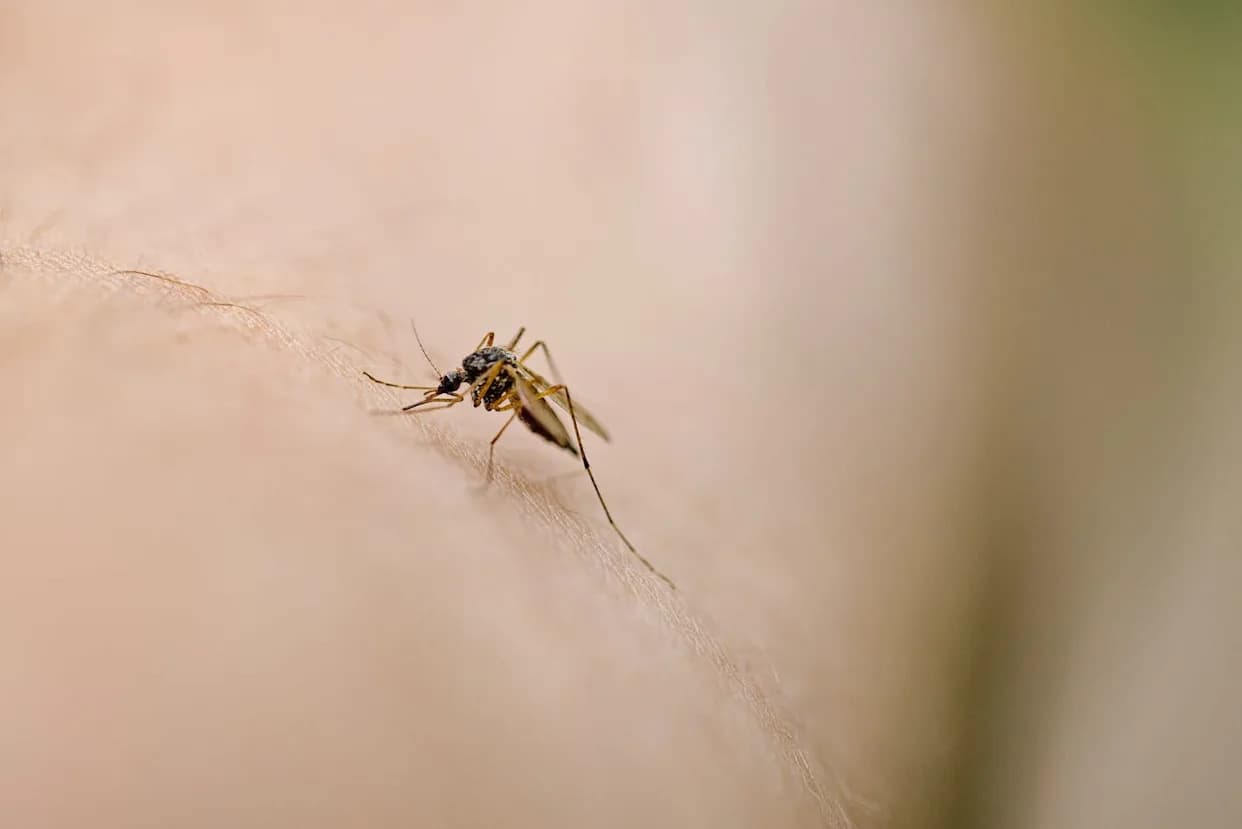
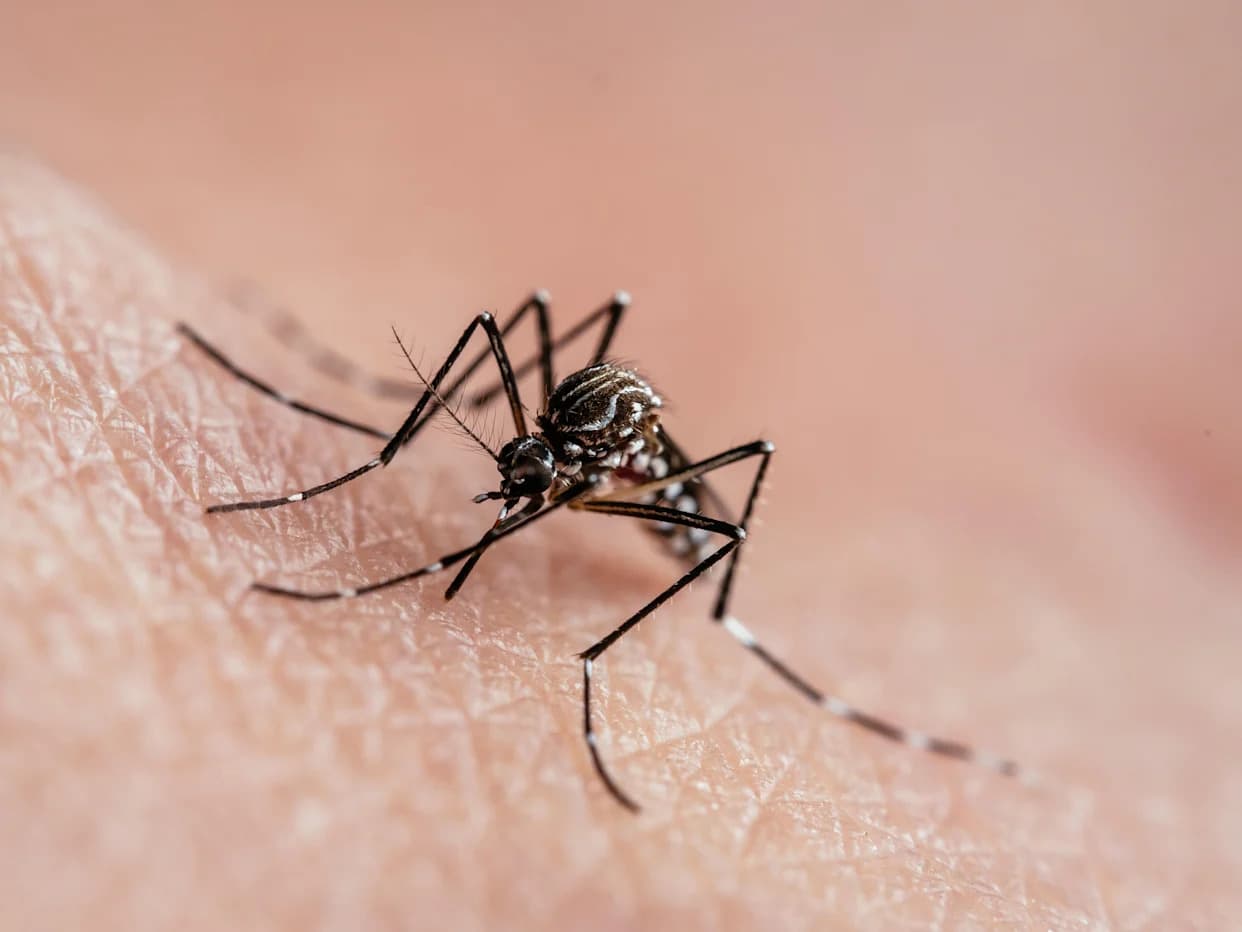
Mosquitos Are Sucking More Human Blood Than Evermrs - Getty Images
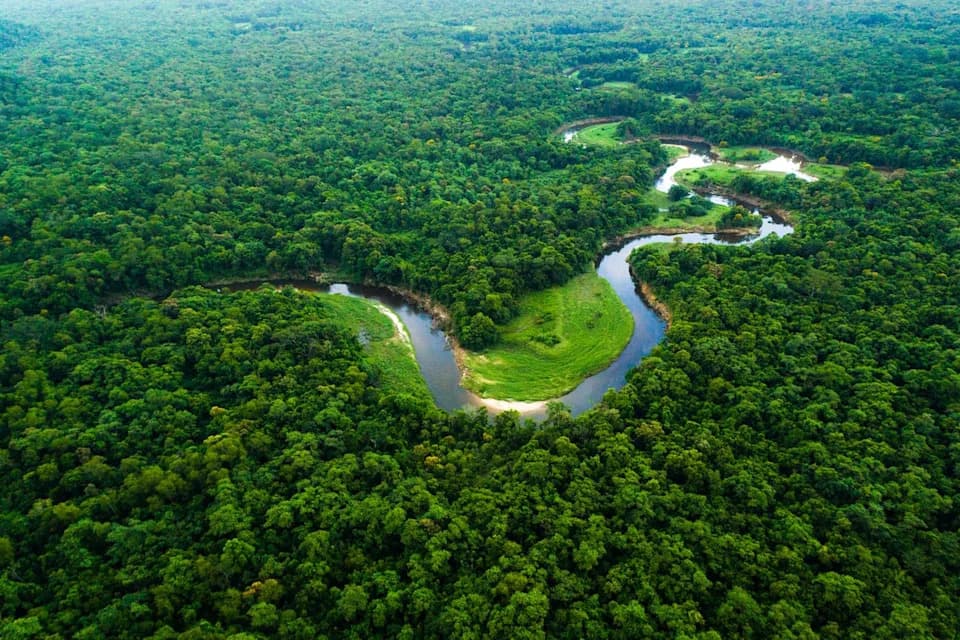
Researchers working in Brazil’s vanishing Atlantic Forest have found that mosquitoes are increasingly feeding on humans as deforestation reduces the pool of their usual wildlife hosts. The shift — documented by genetic analysis of blood meals from trapped insects — has public-health implications because many mosquito species transmit dangerous pathogens.
What the Study Found
A team led by public-health specialist Jeronimo Alencar at the Oswaldo Cruz Institute trapped mosquitoes at the Sítio Recanto Preservar reserve, a humid, rain-rich site along Brazil’s Atlantic coast. In a field lab the insects were anesthetized and frozen to preserve any vertebrate DNA in their blood meals. Researchers then extracted and sequenced that DNA, matching it to reference databases to identify the host species.
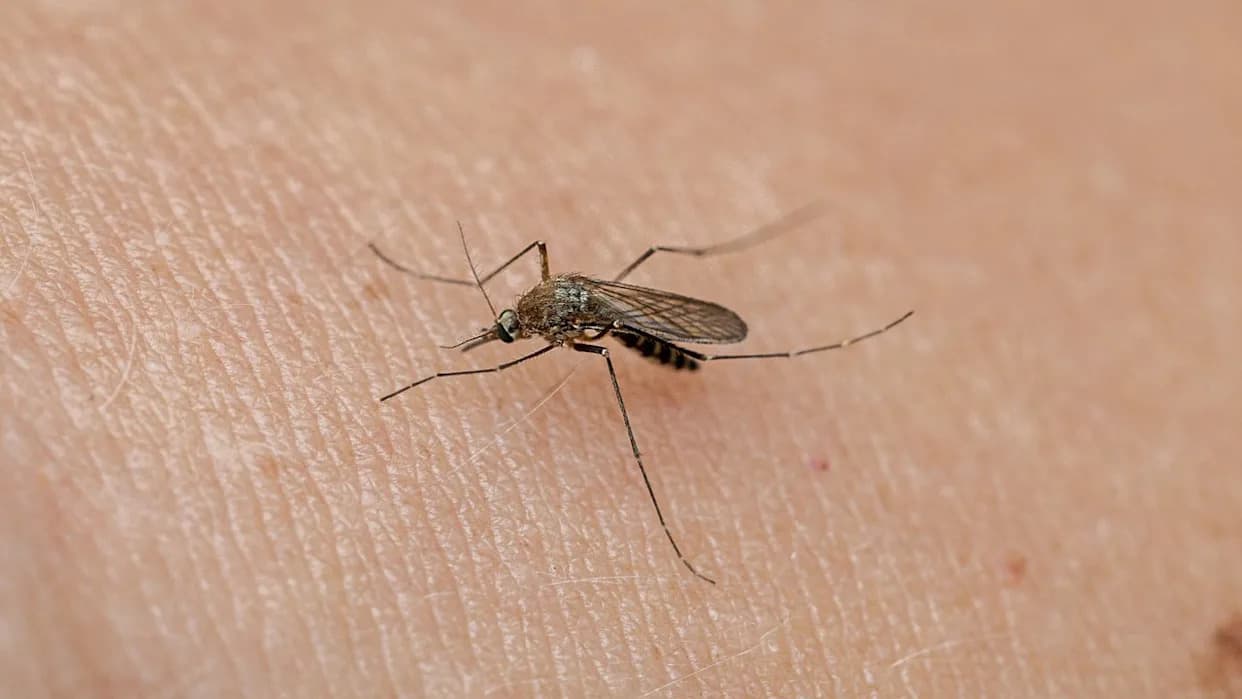
Out of 653 specimens representing 21 mosquito species, only a minority of females were engorged and an even smaller number yielded sufficient vertebrate DNA for sequencing. Of those successfully sequenced, the results showed one mosquito had fed on a mouse, one on a dog, one on an amphibian, six on birds and a striking 18 on humans. Some specimens contained mixed blood meals that still included human DNA.
Which Mosquitoes Are Involved
Nine species caught in the study were recorded taking human blood. Notably, Aedes albopictus — a species known to bite humans and to carry viruses such as Zika, dengue, yellow fever and chikungunya — was among them. The researchers suggest the apparent increase in human feeding reflects availability: local residents, researchers and tourists provide accessible hosts when wild vertebrates decline.
Why This Matters
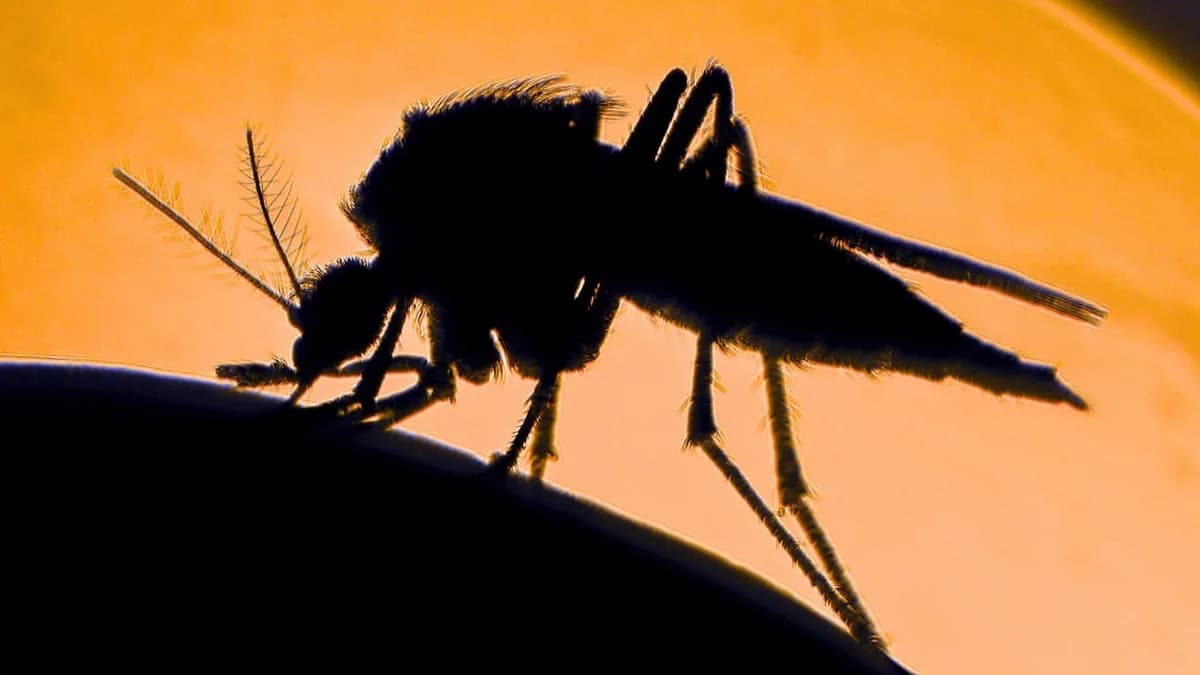
Mosquitoes exhibit strong behavioral plasticity and can switch food sources when their preferred hosts become scarce. As forests are cleared and biodiversity declines, mosquitoes that remain abundant in fragmented landscapes may bite humans more frequently, increasing the potential for pathogen spillover and local transmission of vector-borne diseases.
“The results revealed a clear tendency for the captured mosquito species to feed predominantly on humans,” the authors wrote in Frontiers in Ecology. They emphasized the need to improve methods for identifying blood sources, which is essential for designing effective surveillance and control strategies for vector-borne pathogens.
Implications And Next Steps
The study highlights the interconnected risks of habitat loss and human health. Public-health authorities should consider strengthening mosquito surveillance in deforested and fragmented areas, improving molecular methods to track blood meals, and integrating habitat conservation into disease-prevention strategies to reduce human exposure to infected vectors.
Location: Sítio Recanto Preservar reserve, Atlantic Forest, Brazil. Study published in: Frontiers in Ecology.
Help us improve.