Israeli Prime Minister Benjamin Netanyahu told The Economist he aims to "taper off" U.S. military aid within the next 10 years and confirmed he envisions reducing assistance "down to zero." Israel plans to invest 350 billion shekels (about $110 billion) to develop an independent arms industry. The U.S.-Israel 2016 memorandum of understanding provides roughly $38 billion in aid through September 2028, while Israeli defence exports rose 13% last year. U.S. Senator Lindsey Graham urged a faster phase-out and said he would propose an accelerated timetable.
Netanyahu Says Israel Will "Taper Off" U.S. Military Aid Within 10 Years, Plans $110B Arms Build-Up
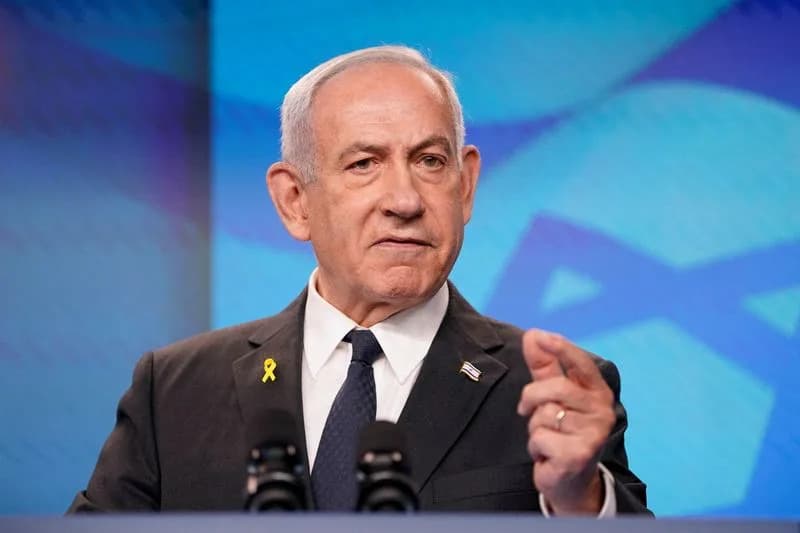
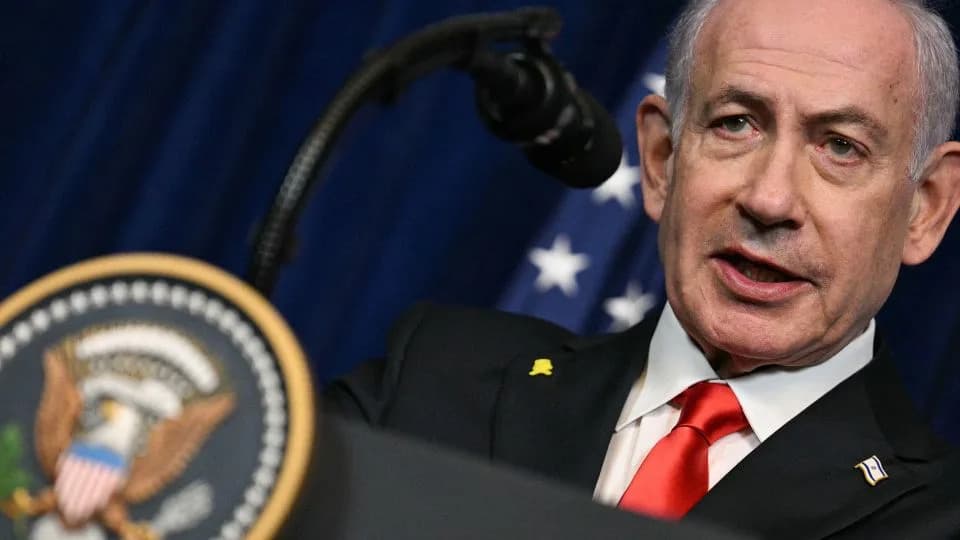
FILE PHOTO: Israeli Prime Minister Benjamin Netanyahu gestures during a joint press conference with U.S. Secretary of State Marco Rubio (not pictured) at the Prime Minister's Office, during Rubio's visit, in Jerusalem, September 15, 2025. REUTERS/Nathan Howard/Pool/File Photo
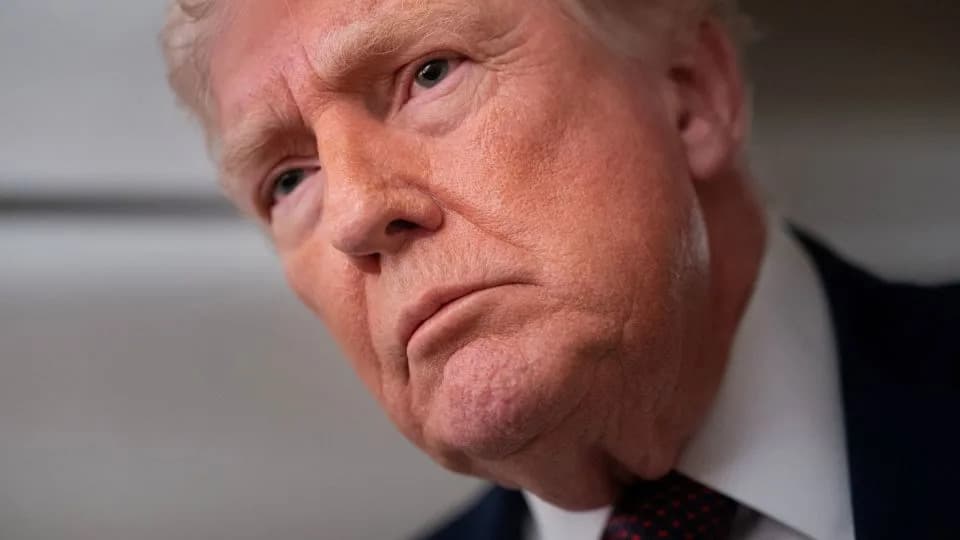
Israeli Prime Minister Benjamin Netanyahu told The Economist he hopes to "taper off" Israel's dependence on U.S. military aid within the next decade and confirmed he envisions reducing assistance "down to zero." Netanyahu said he communicated the goal during a recent meeting with U.S. President Donald Trump, while stressing Israel's appreciation for longstanding American support.
Key Details
"I want to taper off the military within the next 10 years," Netanyahu said. When asked whether that meant tapering "down to zero," he answered, "Yes."
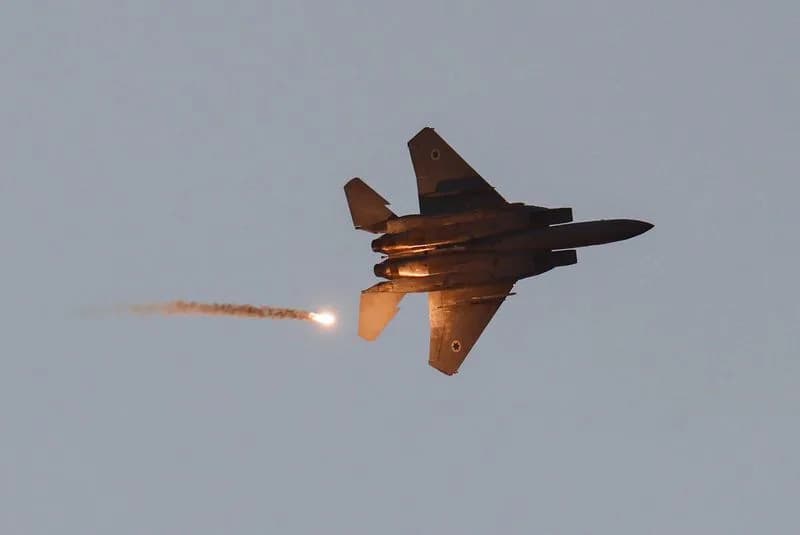
In December, Netanyahu unveiled plans for Israel to invest 350 billion shekels (about $110 billion) to develop a domestic arms industry aimed at reducing reliance on foreign suppliers. The announcement follows a year in which Israeli defence exports rose about 13%, driven in part by international interest in its multi-layered aerial defence systems.
Existing U.S. Support And Political Reaction
Under a 2016 U.S.-Israel memorandum of understanding covering the 10 years through September 2028, Washington committed roughly $38 billion in military assistance: about $33 billion in grants for equipment purchases and $5 billion for missile defence programs. While Netanyahu framed the plan as a long-term policy of self-reliance rather than an immediate break with Washington, some U.S. politicians welcomed a faster timetable.
U.S. Senator Lindsey Graham, a staunch Israel backer and ally of President Trump, wrote on X that "we need not wait ten years" to begin scaling back aid and suggested the savings be reinvested into U.S. defence priorities. He said he planned to propose a faster timetable to both Israel and the Trump administration.
Implications
If pursued, Netanyahu's plan would reshape Israel's defence-industrial strategy and alter longstanding budgetary and diplomatic arrangements with the United States. Building an independent arms sector at the proposed scale would likely take years of investment, testing and export deals before fully replacing the capabilities and equipment that U.S. assistance has helped provide.
Bottom line: Netanyahu has signaled an ambitious, decade-long push for military self-reliance backed by large domestic investment; whether and how quickly that translates into a measurable reduction in U.S. aid will depend on politics, procurement timelines and the global defence market.
Help us improve.