Israel has adopted a cautious, public restraint as waves of protests spread across Iran, reaching more than 180 cities. Prime Minister Benjamin Netanyahu has held security briefings but instructed ministers to avoid public statements. Israeli officials say intervening now could strengthen Tehran's domestic narrative, so military options are being reassessed and a defensive posture adopted while waiting to see whether President Trump will act.
Israel Holds Back as Mass Protests Rock Iran, Watching for Trump's Next Move
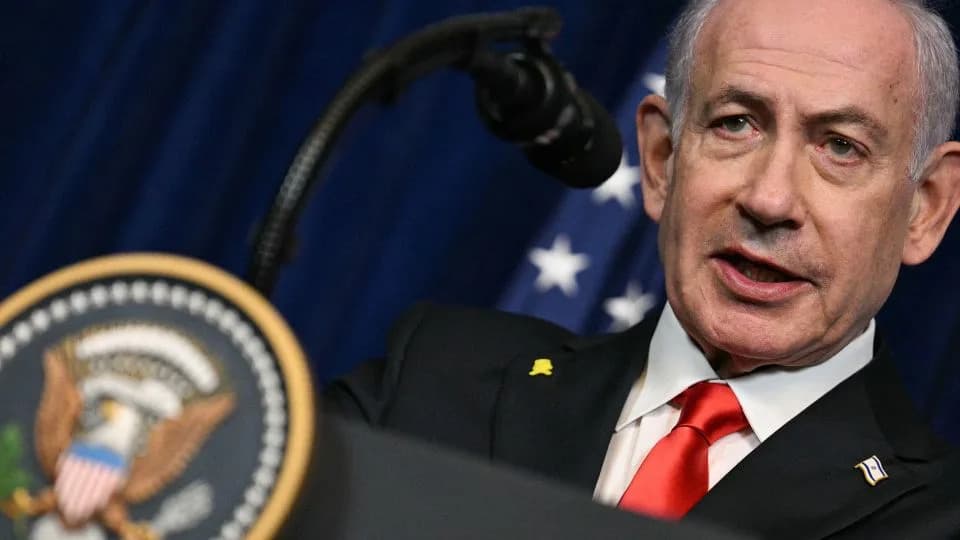
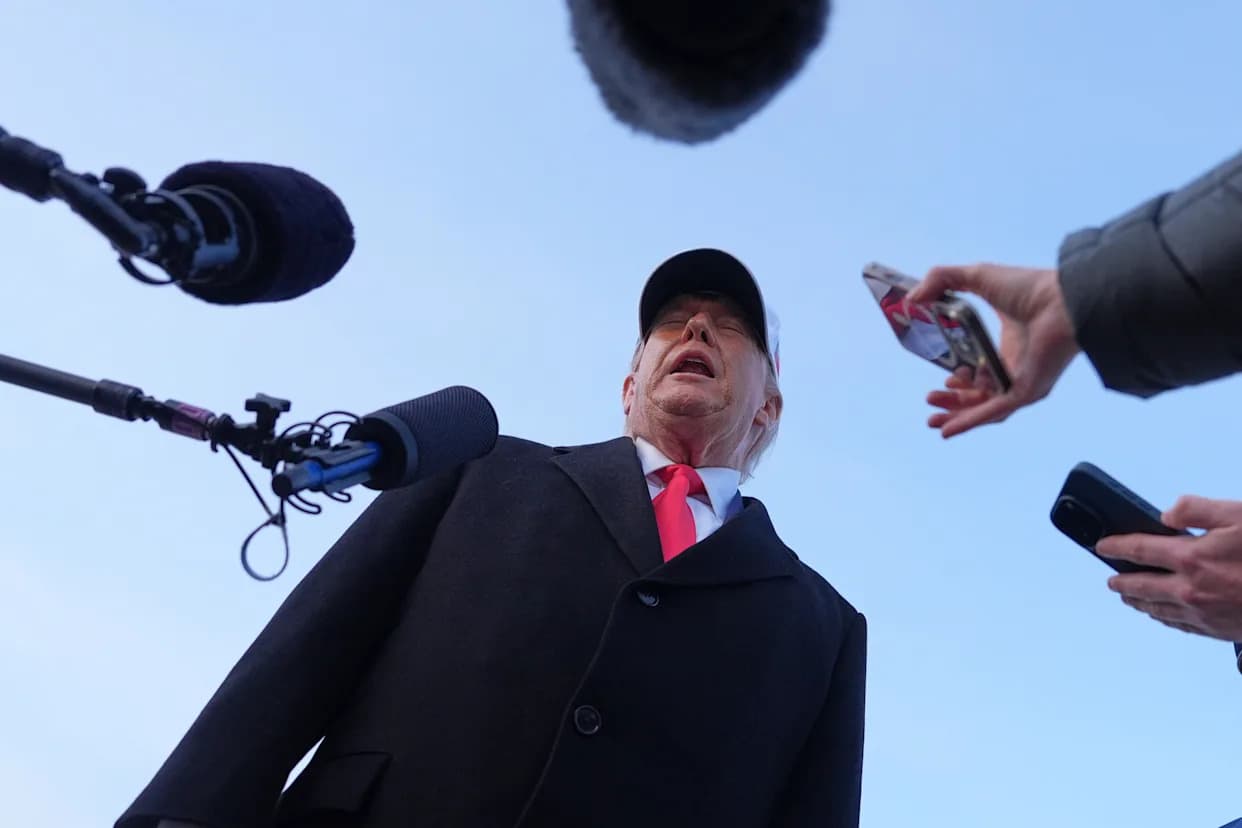
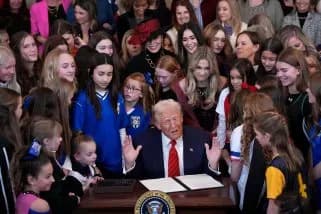
Israeli Prime Minister Benjamin Netanyahu speaks during a joint press conference alongside US President Donald Trump at his Mar-a-Lago residence in Palm Beach, Florida, on December 29, 2025. - Jim Watson/AFP/Getty Images/File
As nationwide protests over economic hardship and political grievances spread across Iran, Israel has largely refrained from public intervention, opting instead to carefully monitor events and await the next move from the United States.
Watchful Silence From Jerusalem
Prime Minister Benjamin Netanyahu has convened multiple security briefings in recent days, according to a source familiar with the matter, but has instructed ministers to avoid public commentary about Tehran. The long-serving leader, who ordered a surprise strike on Iran last summer, has limited public rhetoric to cautious support for protesters’ aspirations without threatening retaliation.
“The overall instruction is to keep quiet,” an Israeli official told CNN. “The understanding is that if we touch, we will only interfere.”
Early in the protests, Science Minister Gila Gamliel posted a selfie on X wearing a “Make Iran Great Again” cap and publicly tagged Reza Pahlavi, the son of Iran’s last monarch, but the Prime Minister’s Office has twice advised ministers to maintain silence since then.
Why Israel Is Holding Back
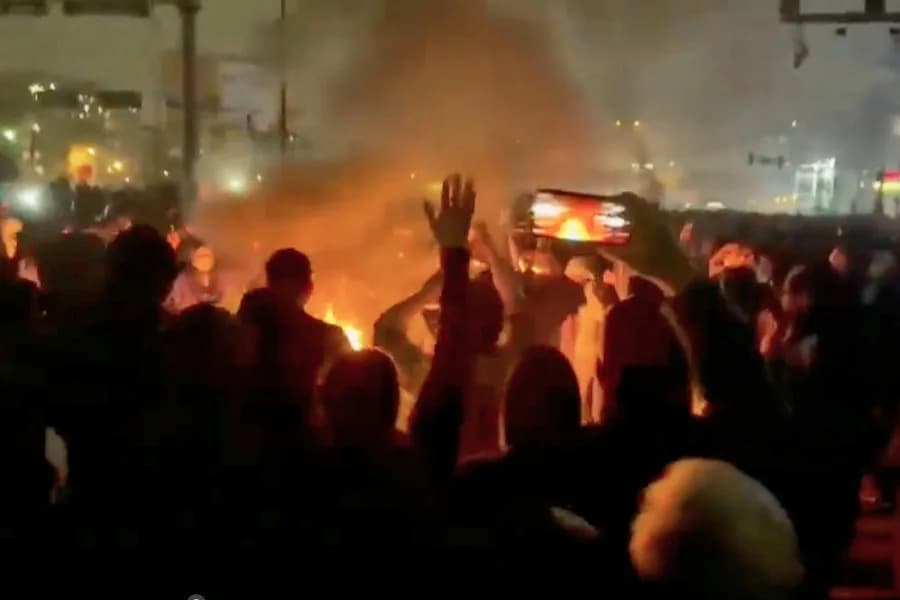
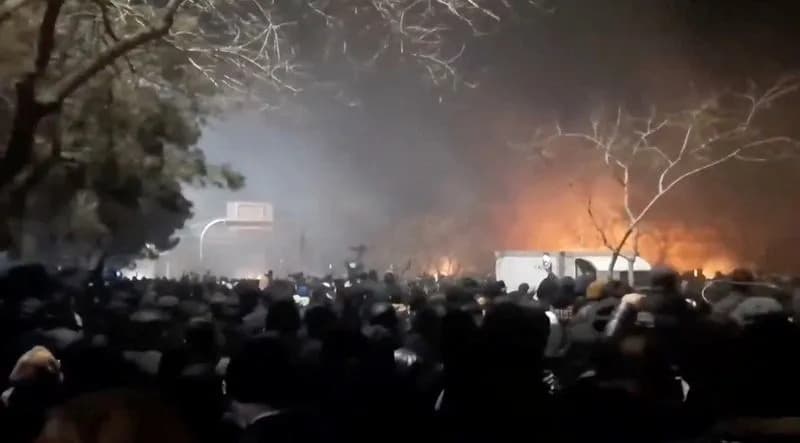
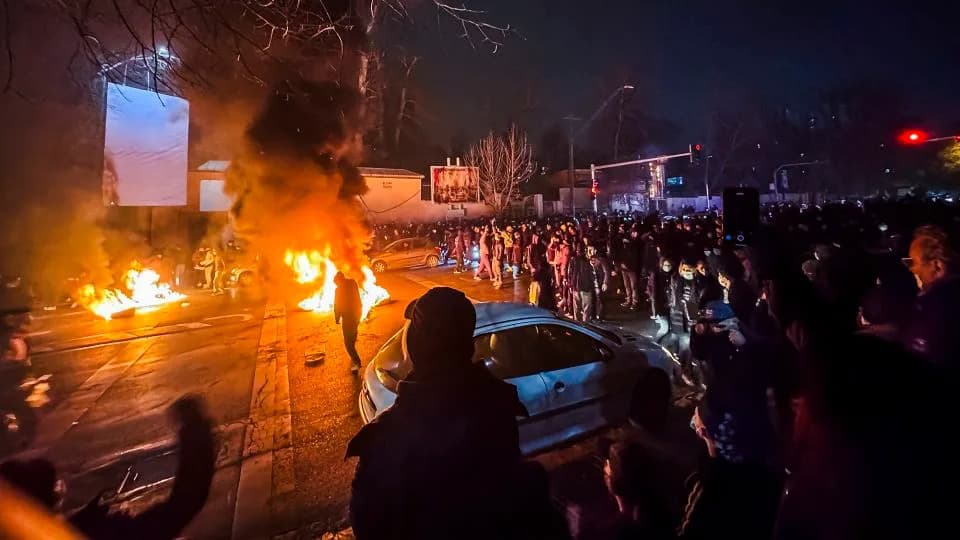
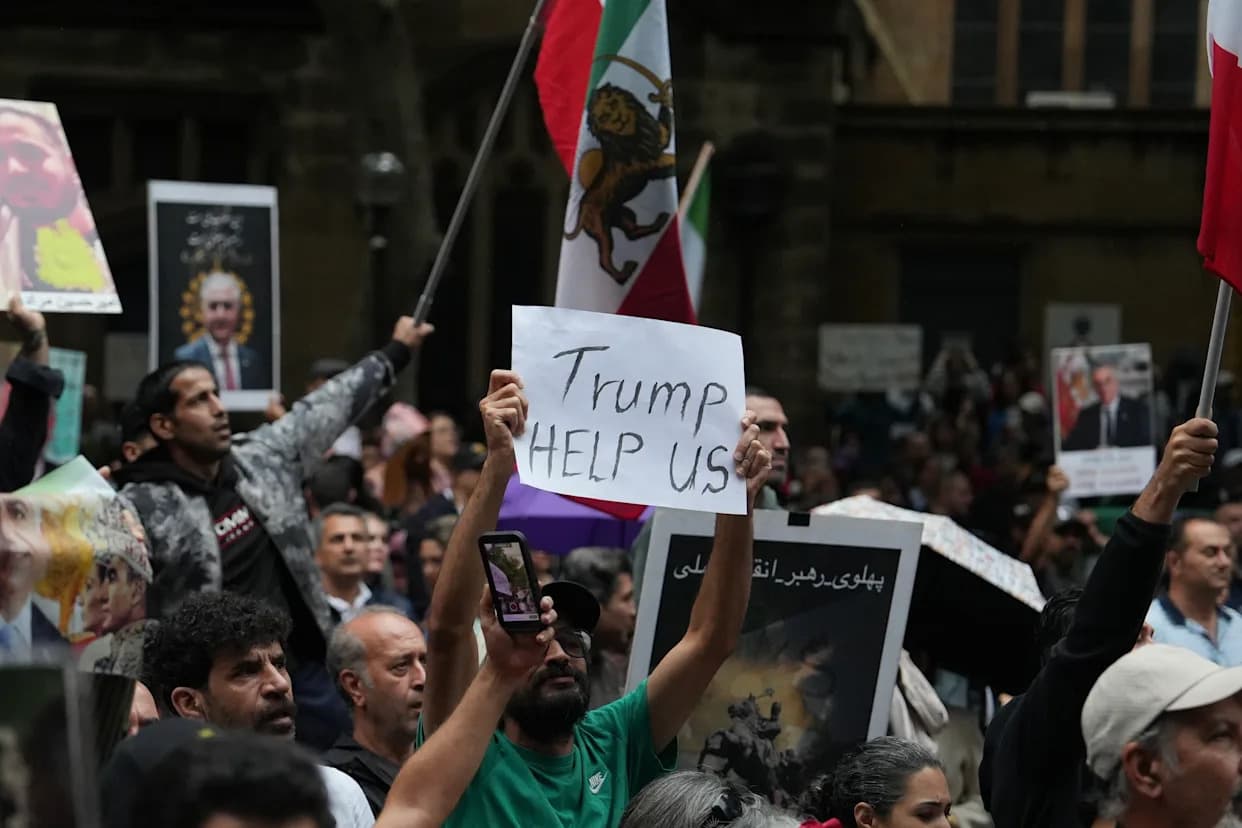
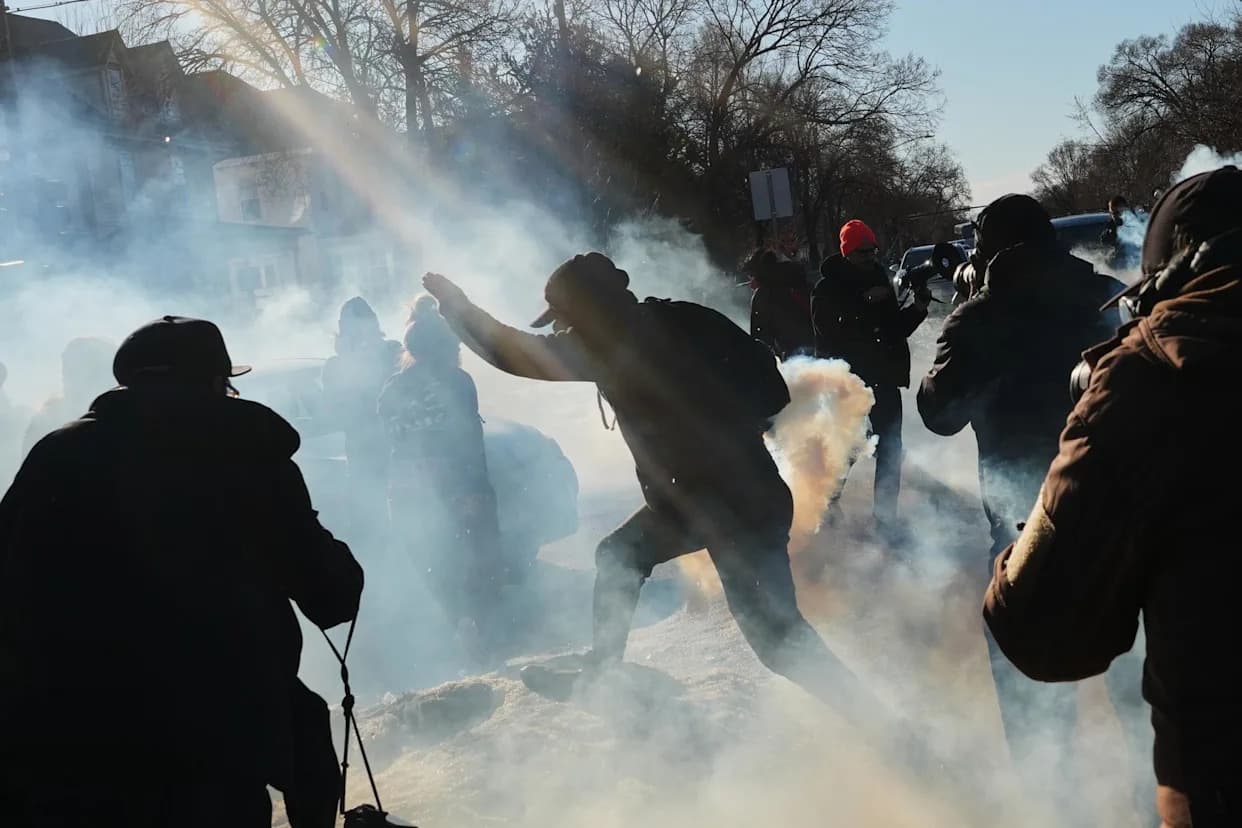
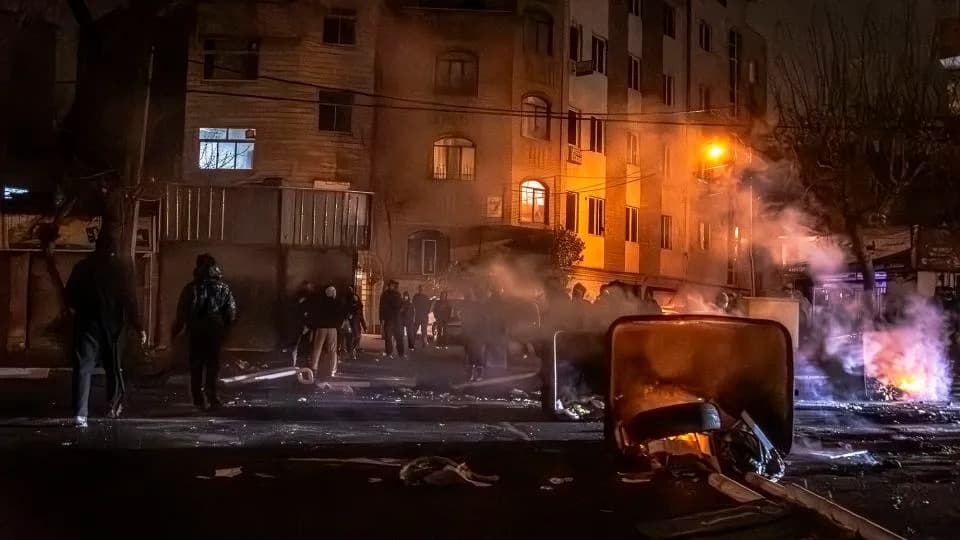
What began as demonstrations against soaring inflation has evolved into broad anti-regime unrest, reaching more than 180 cities and towns. Israeli officials say interfering now could hand Tehran a potent pretext: an external enemy to blame for domestic failures and a reason to rally nationalist support.
“From Israel’s viewpoint, this is not the right time to intervene,” a former senior Israeli security official told CNN. “There’s no reason to disrupt the internal weakening of the regime or to give it a pretext to rally domestic support.”
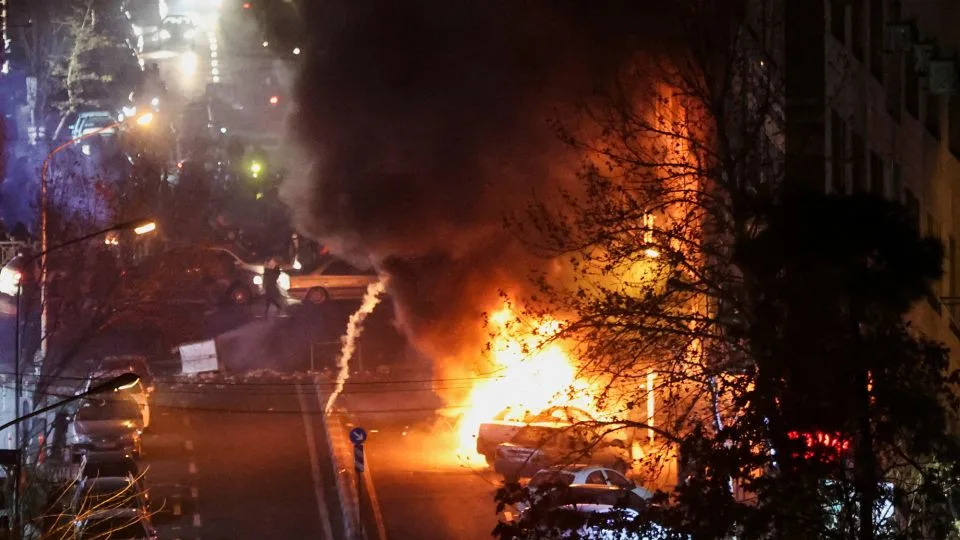
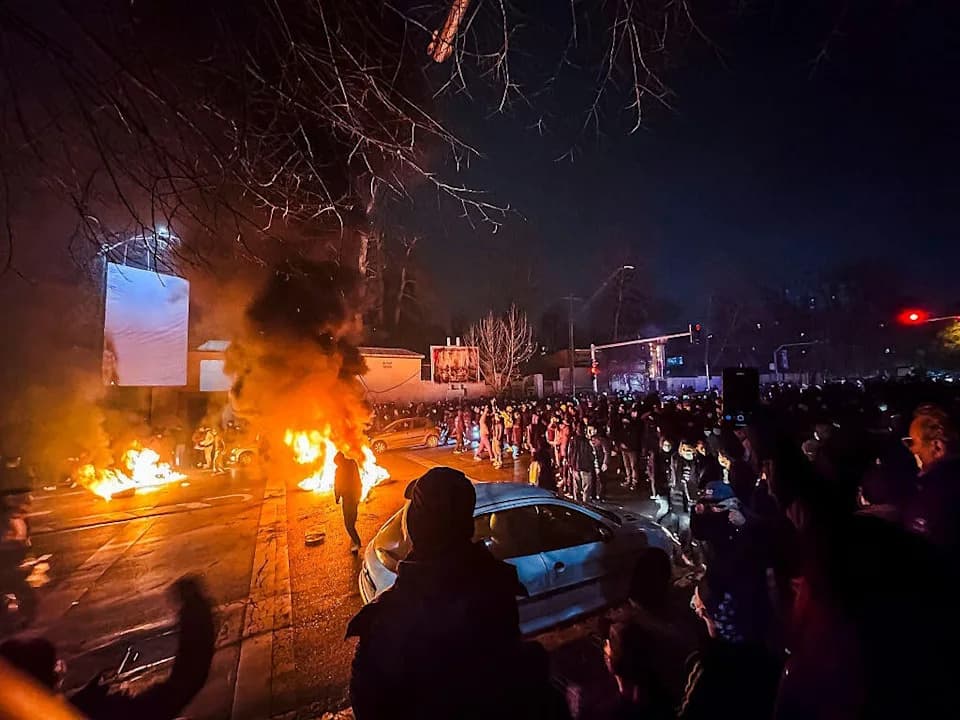
Cars burn in a street during a protest in Tehran, Iran, on January 8. - Wana News Agency/Reuters
Domestic Precautions And Military Calculus
The protests have nevertheless dominated Israeli headlines and revived concerns about potential escalation. Municipalities in central Israel have reminded residents that shelters remain open as a precaution. The Israel Defense Forces has moved to downplay rumors of an imminent attack while continuing routine assessments.
“The protests in Iran are an internal matter. We continue to hold ongoing situation assessments and will issue updates if there are any changes,” IDF spokesperson Brig. Gen. Effie Defrin wrote on X.
At the same time, the unrest has complicated Israeli military planning. Jerusalem is increasingly concerned about Iranian ballistic missile activity and what it perceives as Tehran’s efforts to rearm Hezbollah in Lebanon. Operations once under consideration are reportedly under review as officials adopt a defensive, responsive posture designed to avoid giving Tehran a convenient external scapegoat.
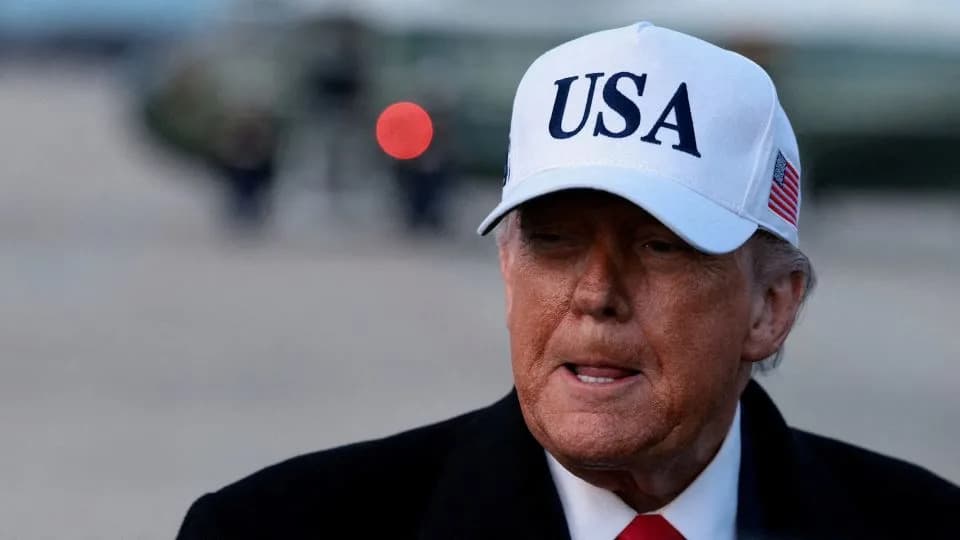
Sima Shine, senior researcher at the Institute for National Security Studies and a former Mossad intelligence official, said the demonstrations have effectively put any Israeli plans for an additional strike on hold. She added that Israel prefers Washington to take the lead while President Trump assesses options.
Shine cautioned that the calculations could change if the United States opts for military action. “Things could change — mainly in a scenario where the Iranians decide to retaliate against Israel, as they have threatened to do in response to possible American action,” she said.
What To Watch Next
Key developments to monitor include the protests’ longevity and intensity, Tehran’s internal response or accusations of foreign meddling, any shift in U.S. policy or action, and changes in Iranian missile or proxy activity that could directly threaten Israel.
For now, Israel’s leaders are prioritizing caution: closely observing a rapidly changing situation, limiting public statements, and preparing to respond defensively if the unrest sparks broader regional escalation.
Help us improve.